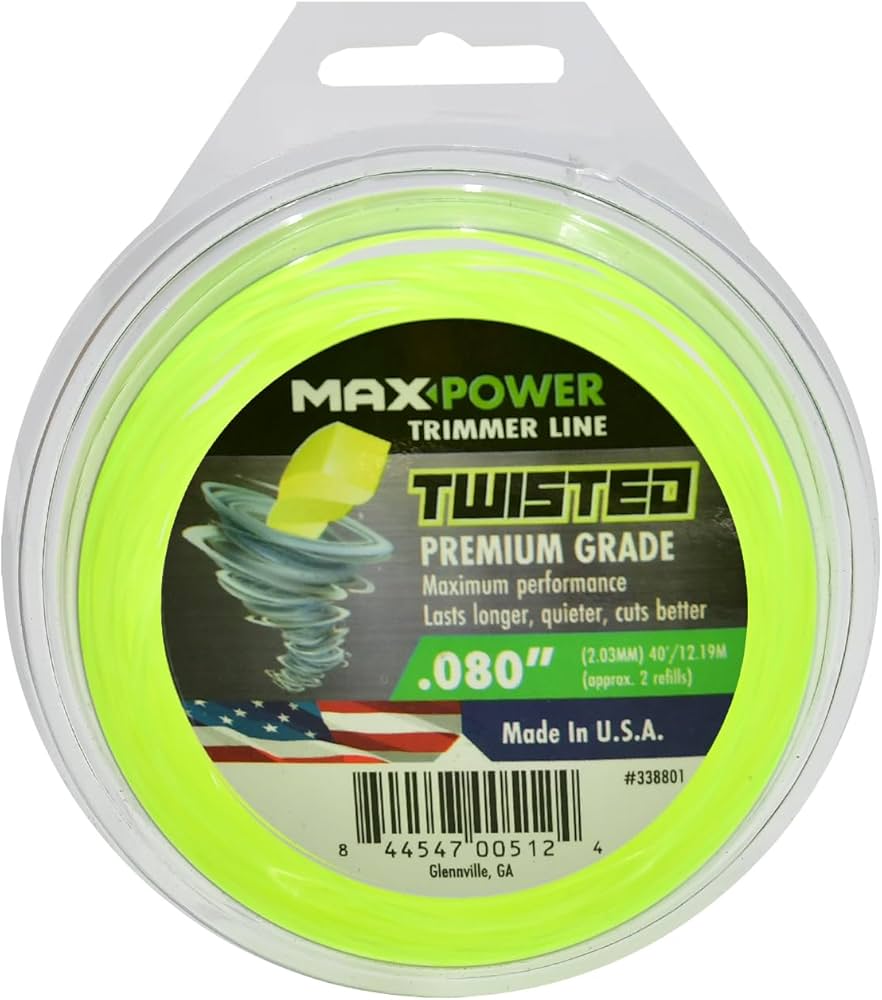
Is Twisted Trimmer Line Better
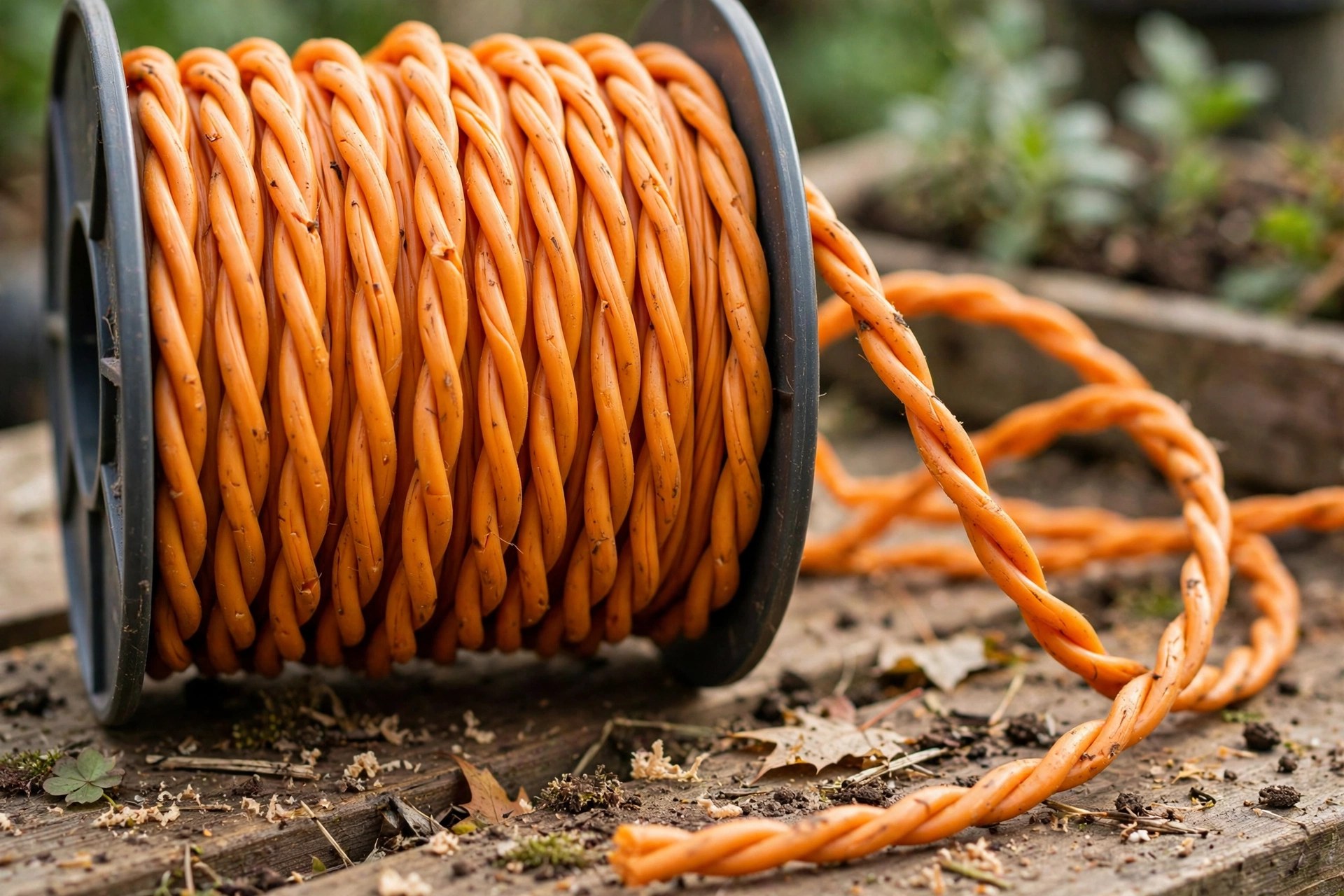
Many lawn owners fight snapping, fast wearing line daily. That common frustration pushes professionals toward new alternatives daily. Twisted line promises stronger durability and smoother efficiency overall. Drivers ask, is twisted trimmer line better overall?
Twisted lines emerged from needs for longer lasting options. Their spiral shape resists wear during hard work. That shape also cuts noise during everyday trimming. Fewer replacements create smoother trimming sessions for professionals.
This guide weighs durability, noise and cutting efficiency. It compares twisted line against round and square. It also covers choosing line for your yard. Simple answers follow for five common buyer questions.
Quick answer: Twisted lines are generally better for many demanding jobs. Their twisted design reduces wear and supports fewer replacements. Quieter operation and stronger cutting efficiency help tough vegetation work. Professionals often prefer them for heavy duty trimming tasks. Round line still suits light grass edges well.
- Is Twisted Trimmer Line Better
- Advantages of Twisted Trimmer Line
- Efficacy and Efficiency of Twisted Trimmer Lines
- Comparing Twisted Trimmer Lines With Other Types
- Choosing the Right Trimmer Line for Your Needs
- Frequently Asked Questions
- Compatibility and Fuel Questions
- Conclusion: Is Twisted Trimmer Line Better
Is Twisted Trimmer Line Better
Twisted line brings three clear strengths for users. It lasts longer than many regular lines do. It runs quieter during normal trimming work outside. It also cuts tough vegetation with strong efficiency.
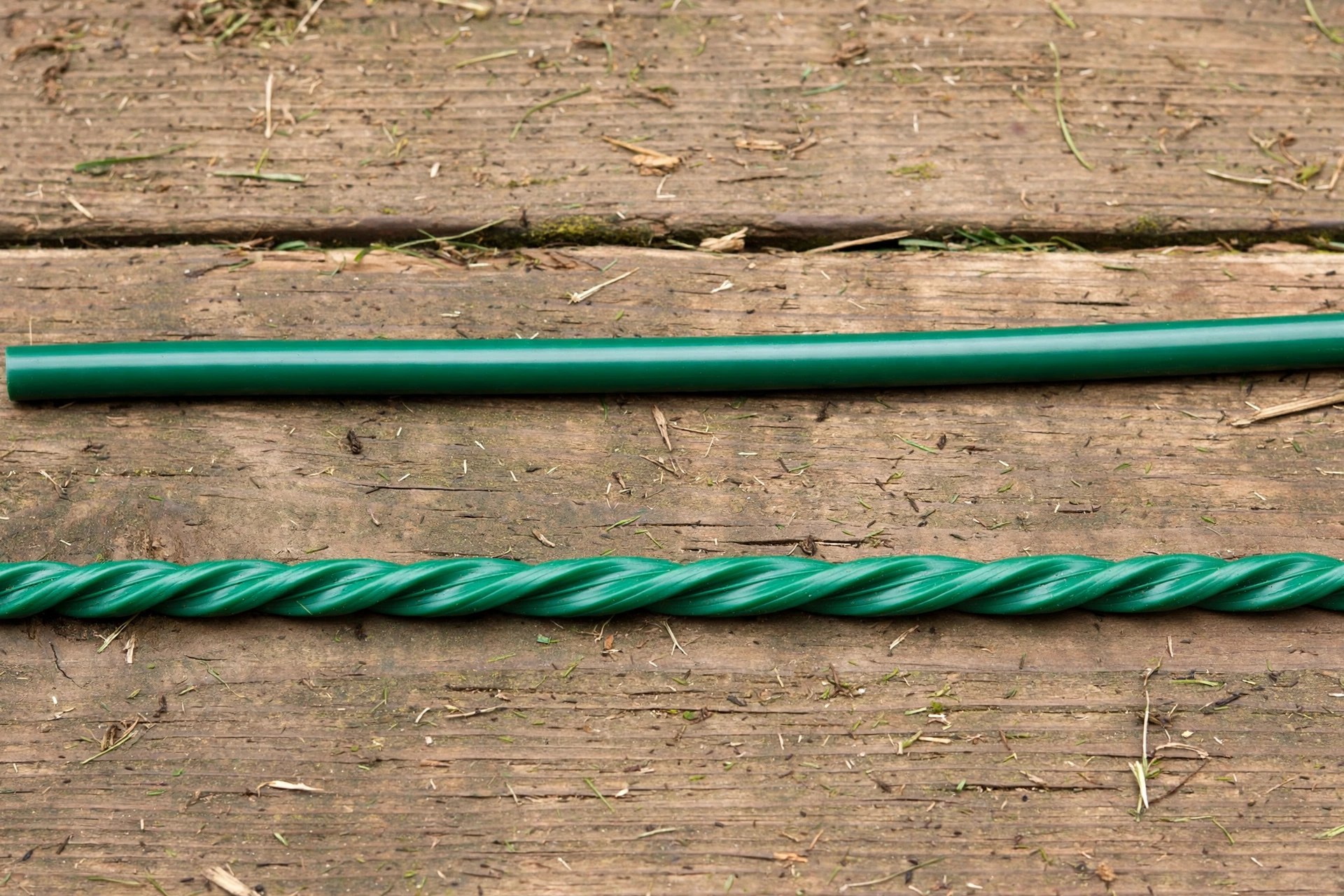
The twisted design reduces wear during hard use. Reduced wear means fewer spool changes each season. Fewer changes save time and money for users. Compare shapes in are all trimmer lines the same before choosing.
| Feature | Twisted Line | Round Line |
|---|---|---|
| Wear life | Lasts longer, fewer replacements | Wears out faster |
| Noise | Quieter, less whistling | Louder whistling sound |
| Cutting | Clean cuts through thick grass | May cut less cleanly |
| Vibration | Less vibration, easier handling | More vibration during use |
Quieter running helps homes in noise sensitive areas. Cleaner cuts support healthier grass after each pass. Those strengths explain professional interest in twisted line. See does it matter what trimmer line you use for wider line impact basics.
Twisted strands cut thicker grass with more ease. That ease suits heavy duty trimming tasks well. Thick growth slows regular lines much more often. Strong cutting keeps big jobs moving steadily forward.
Advantages of Twisted Trimmer Line
Durability stands among the strongest twisted line advantages. The twist reduces wear that plagues regular lines. Lines last longer and need fewer replacements overall. Read how long does trimmer line last for typical line lifespan details.
Twisted lines run quieter than round lines do. Their shape reduces whistling noise during fast spinning. Pleasant sessions help users and nearby neighbors alike. Early morning work disturbs sleeping households far less.

Twisted lines also improve fuel efficiency during work. Less air resistance lightens the engine load greatly. Lower loads support better fuel use over time. Electric trimmers may gain longer battery life too. Longer sessions need fewer refueling or recharging stops.
Twisted lines tend to produce cleaner cuts overall. Smoother cuts promote healthier grass after trimming sessions. Healthy grass resists disease better across the season. Neat results keep lawns looking tidy every week.
Efficacy and Efficiency of Twisted Trimmer Lines
Twisted lines stay highly effective on dense grass. Their unique shape improves cutting performance every pass. Yard work finishes quicker with less wasted effort. Enthusiasts praise easy handling on tough spots daily.
Efficiency also grows from lower vibration during use. Less vibration makes longer handling much easier overall. Reduced fatigue allows more precise trimming every session. Hands and arms feel less tired afterwards too.
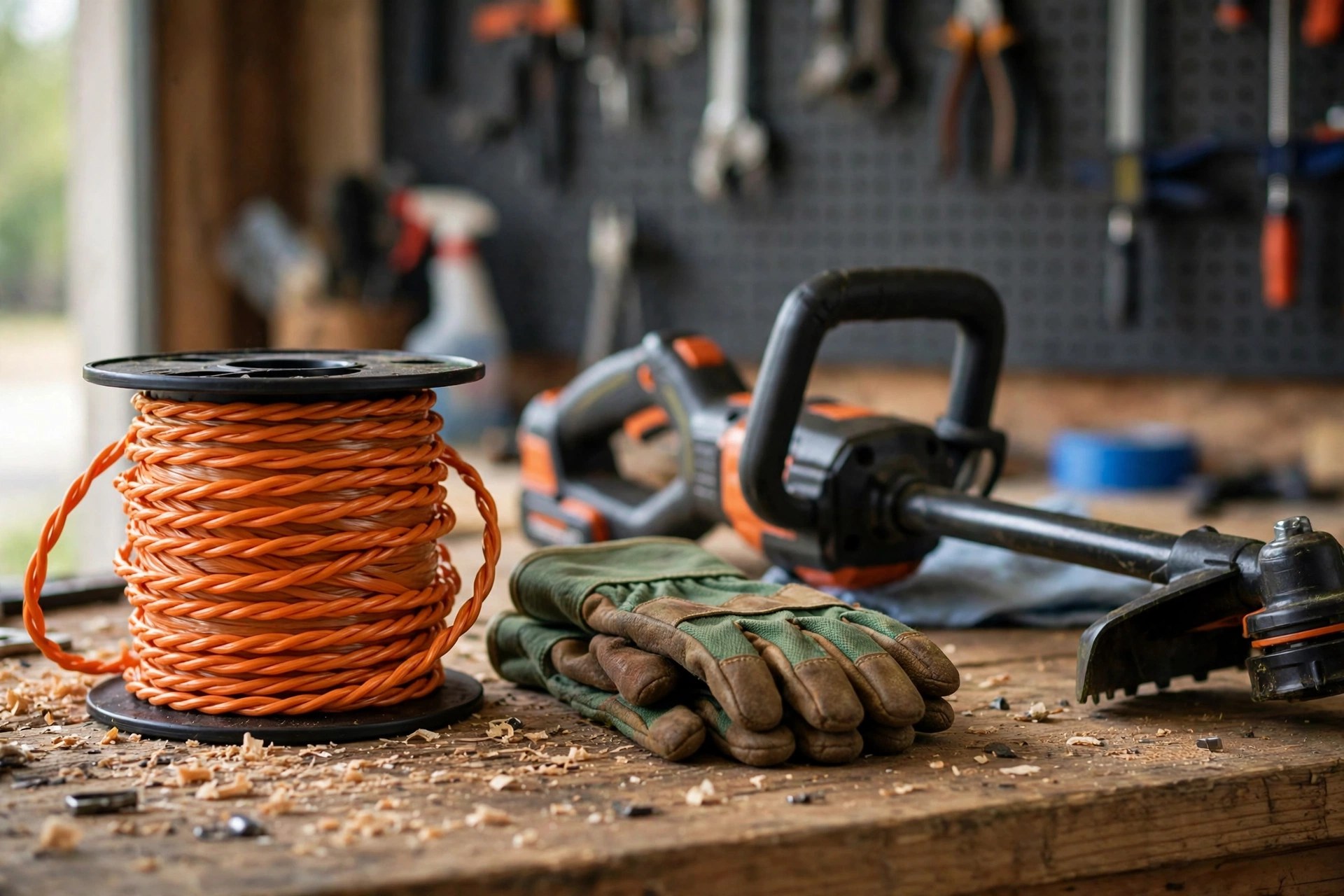
Lower noise forms another part of their efficiency. The twisted shape minimizes noise while line spins. Residential areas benefit most from quieter trimming tools. See the EPA lawn and garden page for safer yard care.
Longevity adds steady savings across each trimming season. Durable construction needs less frequent replacement by users. Users spend less money on supplies over time. Less downtime improves overall efficiency for regular users.
Comparing Twisted Trimmer Lines With Other Types
Twisted lines hold distinct advantages over other types. Round lines stay common across many home trimmers. Round lines wear faster and cut less cleanly. Square lines cut well but feel noisy overall.
| Line Type | Strengths | Trade Offs |
|---|---|---|
| Twisted | Durable, cleaner cuts, reduced noise | Higher upfront cost |
| Round | Common and affordable | Wears out faster |
| Square | Better cutting performance | Noisy and hard to handle |
Twisted lines generally cost more upfront than others. Their longer lifespan can offset that higher price. Large area users often recover the investment quickly. Fewer replacements also mean less downtime for users.
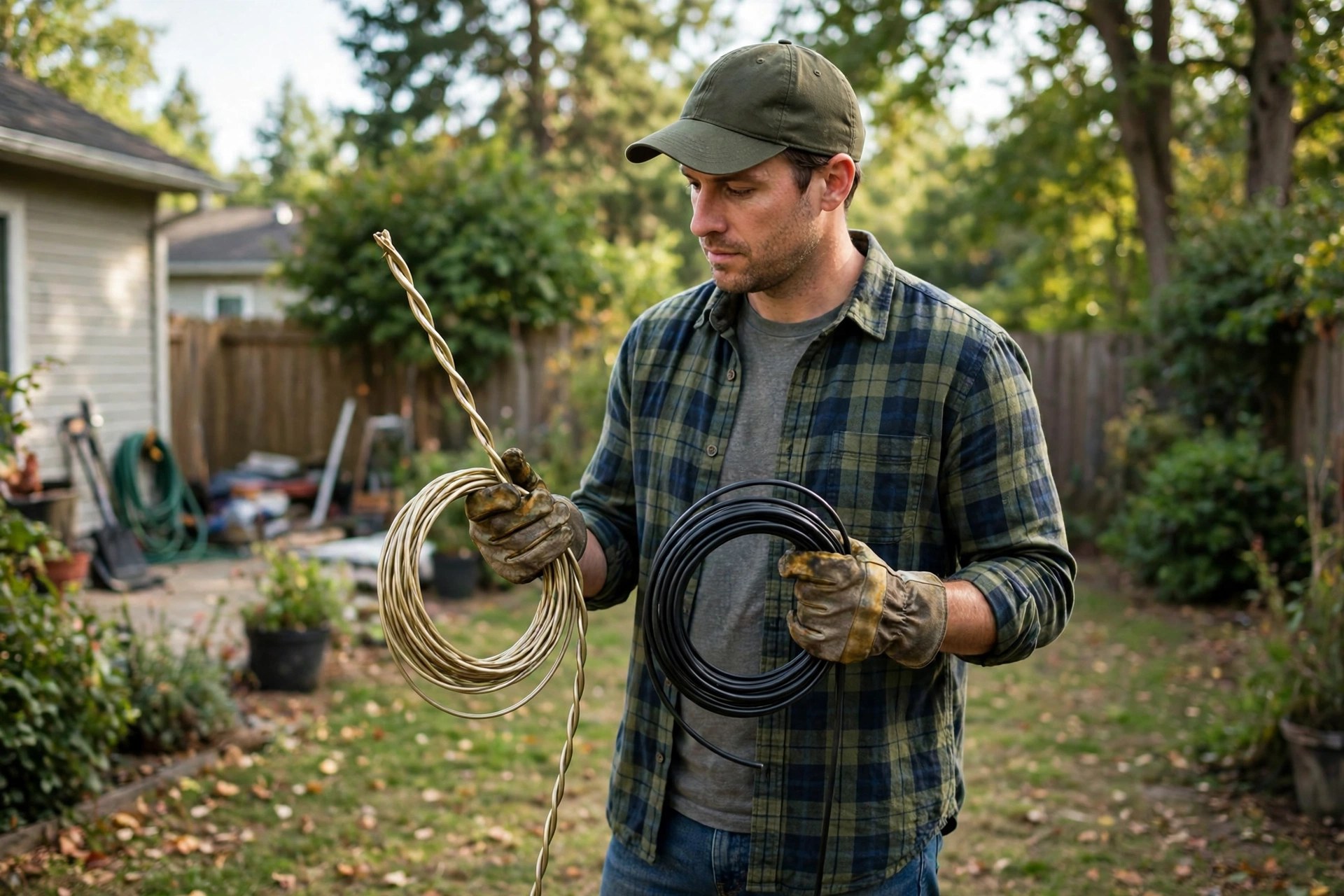
Twisted lines produce less vibration than other lines. Greater comfort helps users during extended trimming sessions. Less hand strain supports more accurate cutting work. Learn why soak trimmer line in water before heavy seasonal work begins.
Tough conditions reveal another clear twisted line strength. Twisted lines handle thick wet overgrown grass well. Smoother cutting brings less clogging during hard work. Serious gardeners notice this performance difference very clearly.
Choosing the Right Trimmer Line for Your Needs
Choosing right line depends on vegetation and trimmer. Round line suits light grass and small weeds. Round line stays affordable for small yards too. Thicker vegetation suits square or twisted line better.
Noise level matters greatly inside residential neighborhoods today. Twisted lines run quieter than round or square. Quiet operation suits homes near close neighbors very well. Lower vibration also reduces fatigue during long use.
Durability matters most for frequent trimmer users daily. Square and twisted lines offer extended working lifespans. Durable line saves time and money over seasons. Check how to choose trimmer line before buying your next spool.
Line thickness also shapes cutting results a lot. Thicker lines cut dense tough vegetation more effectively. Lines at 0.095 inches suit heavy tasks. Mixed yards may need several lines on hand.
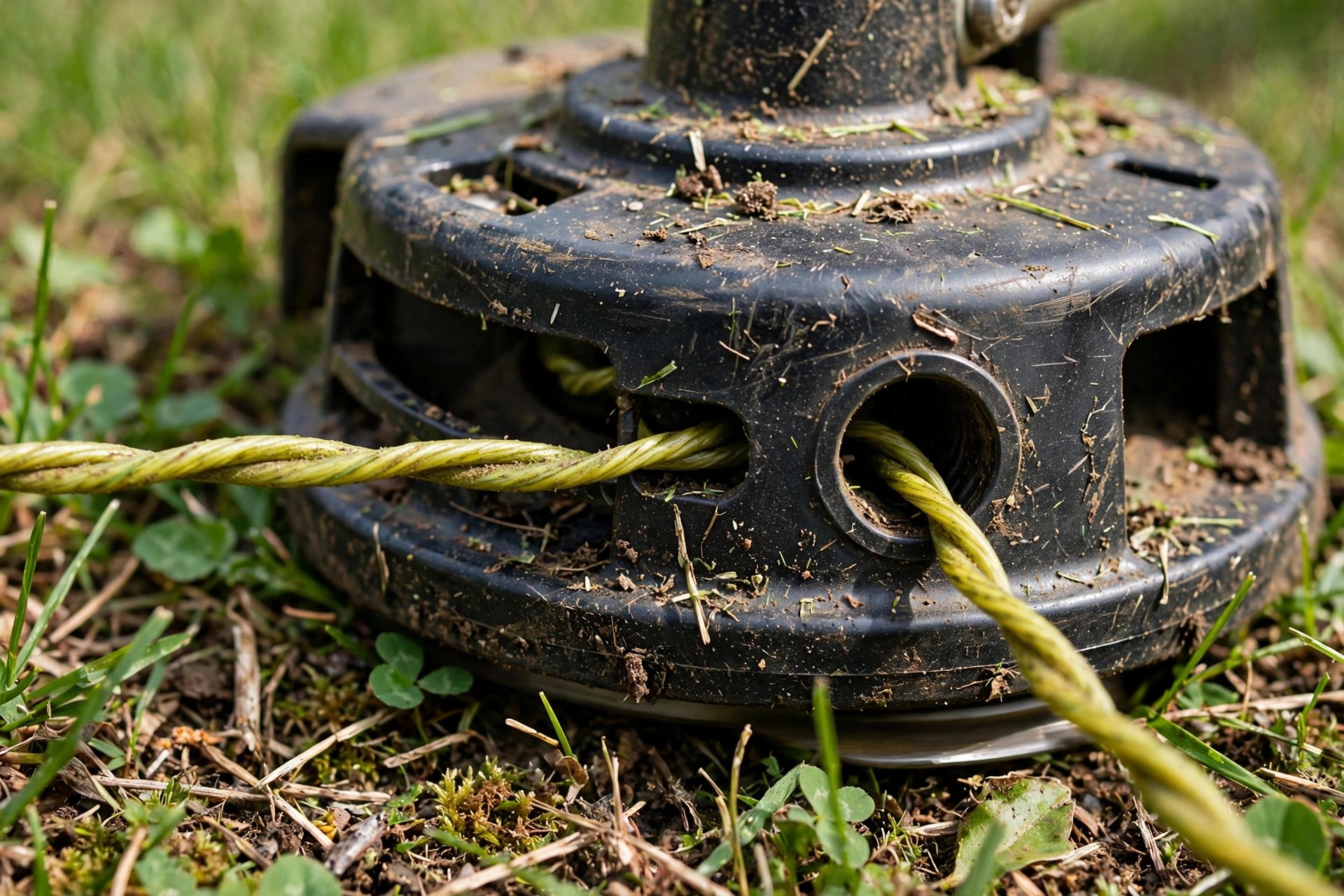
Budget constraints also influence many line choices today. Twisted and square lines cost more upfront initially. Their durability can lower costs over time though. Occasional users may prefer basic round line instead.
Always check compatibility with your trimmer model first. Not every line fits every trimmer model available. Manufacturer guidelines confirm the right line size quickly. Follow STIHL USA for official maker guidance online.
Frequently Asked Questions
These questions cover twisted line benefits and basics. Answers compare twisted lines with other types clearly. Read how to replace trimmer line before your next line swap. Explore is trimmer line biodegradable for greener line choices today.
What are the main advantages of using a twisted trimmer line?
Main advantages include durability, efficiency and quieter operation. The twisted design reduces wear and tear greatly. Reduced wear gives the line longer working lifespan.
This design also makes cleaner cuts through vegetation. Cleaner cuts help twisted lines handle tough growth. Heavy duty users prefer these combined benefits daily.
How does a twisted trimmer line reduce noise during operation?
The twisted shape minimizes aerodynamic drag during spinning. Less drag reduces whistling noises from standard lines. Standard round lines whistle more during fast spinning.
That change creates a significantly quieter trimming experience. Quieter work suits noise sensitive areas much better. Residential neighborhoods benefit most from reduced operating noise.
Compatibility and Fuel Questions
Fit and fuel questions also matter before buying. Wrong fit choices can harm performance and equipment. Careful manual checks prevent most fit problems early.
Are twisted trimmer lines compatible with all trimmers?
Many modern trimmers accept various line types today. Your specific model guidelines still decide safe compatibility. Manufacturers list recommended types and sizes for users.
Incompatible line can hurt performance or damage equipment. Always consult your trimmer manual before switching lines. Manual guidance protects both performance and equipment life.
Do twisted trimmer lines improve fuel efficiency?
Reduced resistance means motors work less hard overall. Less required power improves fuel efficiency during use. Tools operate effectively while using less energy daily.
Extended sessions show this benefit most clearly overall. Lower fuel use supports cost savings over time. Lower engine load may reduce maintenance costs too.
Can you use twisted trimmer lines for all kinds of grass and weeds?
Twisted lines excel on thick dense grass daily. Stubborn weeds also suit their robust construction well. Cleaner cuts reduce tangling and clogging during work.
Lighter jobs may suit simpler round lines better. Fine grass edges rarely need twisted line strength. Choose line by your lawn care routine needs.
Conclusion: Is Twisted Trimmer Line Better
Twisted lines offer many advantages for most users. Improved durability and efficiency set them apart clearly. Quieter operation also improves every trimming session greatly. Challenging conditions still bring smoother effective trimming overall. Worthy investment suits casual and professional users alike.
Higher upfront cost challenges some buyers at first. Long term benefits often outweigh that initial expense. Fewer replacements and maintenance save time and money. Right line choice transforms any maintained lawn result. So, is twisted trimmer line better for you?

I’m Patricia D. Johnson, an affiliate marketer and blogger specializing in trimmers and grooming tools. I create honest reviews, buying guides, and practical tips to help readers choose the right trimmer for their needs. With a focus on quality, performance, and value, I simplify the decision-making process so consumers can make confident purchases.