
How Long Does Trimmer Line Last
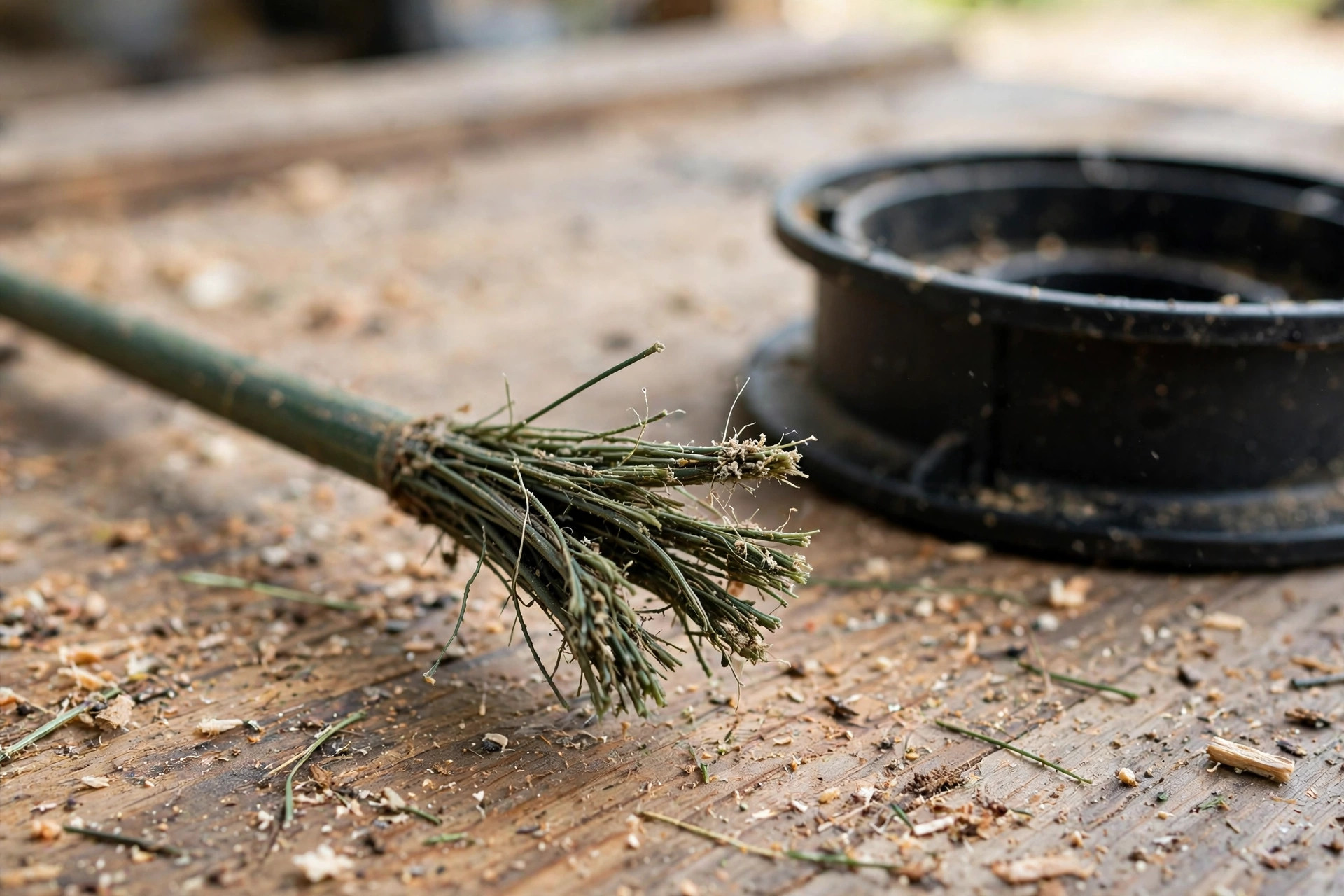
Have you ever wondered why some trimmer lines seem to last longer than others? The durability of a trimmer line can significantly affect your gardening experience. It’s not just about the material alone. Factors like thickness, terrain, and usage patterns play crucial roles.
Historically, trimmer lines made from nylon set the standard. Even within this category, performance can vary widely. Understanding these variations helps you choose right line. This guide explains how long does trimmer line last. You ensure optimal longevity and efficiency in tasks.
Line lifespan depends on several key factors overall. Material quality, thickness, and use frequency matter greatly. The type of vegetation being trimmed matters too. High-quality lines last through multiple sessions before replacement. Proper storage also extends its durability over time.
Quick answer: Trimmer line lifespan depends on material and thickness. High-quality lines can last through multiple trimming sessions. Cheaper lines may wear out faster than quality lines. Thick weeds and rough ground shorten line life. Proper storage also extends its durability over time.
- How Long Does Trimmer Line Last: Key Factors
- The Role of Material in Line Life
- How Shape and Layers Change Performance
- Techniques to Prolong the Lifespan of Trimmer Line
- Match the Line, Inspect the Head, Buy Quality
- Frequently Asked Questions
- Soaking and Thickness Questions
- Speed Settings Questions
- Conclusion: How Long Does Trimmer Line Last
How Long Does Trimmer Line Last: Key Factors
The material of the trimmer line plays a significant role in its longevity. Nylon is a popular choice due to its durability and flexibility. However, some modern trimmer lines incorporate additional materials like aluminum to enhance strength. Material composition can drastically affect line performance overall. Choosing the right material can save time and money in the long run.
Thickness of the trimmer line is another critical factor. Thicker lines tend to last longer because they don’t break as easily. They’re more suitable for heavy-duty trimming tasks. However, they may require more powerful trimmers to operate effectively. Balance between thickness and compatibility is crucial.
| Factor | How It Affects Lifespan |
|---|---|
| Material | Nylon lasts well; reinforced lines add strength |
| Thickness | Thicker lines break less easily in heavy work |
| Vegetation | Dense, woody plants wear line down faster |
| Storage | Sunlight and moisture degrade the material slowly |
Usage patterns and the type of vegetation being trimmed also impact trimmer line durability. For example, cutting dense, woody plants wears line faster. Trimming grass wears the line down much slower. Always consider what you’ll be trimming most often.
Frequent, intensive use shortens the lifespan of line. Occasional, light trimming can make it last longer. Your terrain shapes wear during every trimming session.
Finally, storage conditions affect how long a trimmer line will last. Exposure to sunlight and moisture can degrade the material over time. It’s best to store trimmer lines in a cool, dry place. Proper storage can extend the life of garden tools.
It also extends the life of garden accessories. Always take time to store your trimmer line correctly. Good storage habits protect every spool you own.
The Role of Material in Line Life
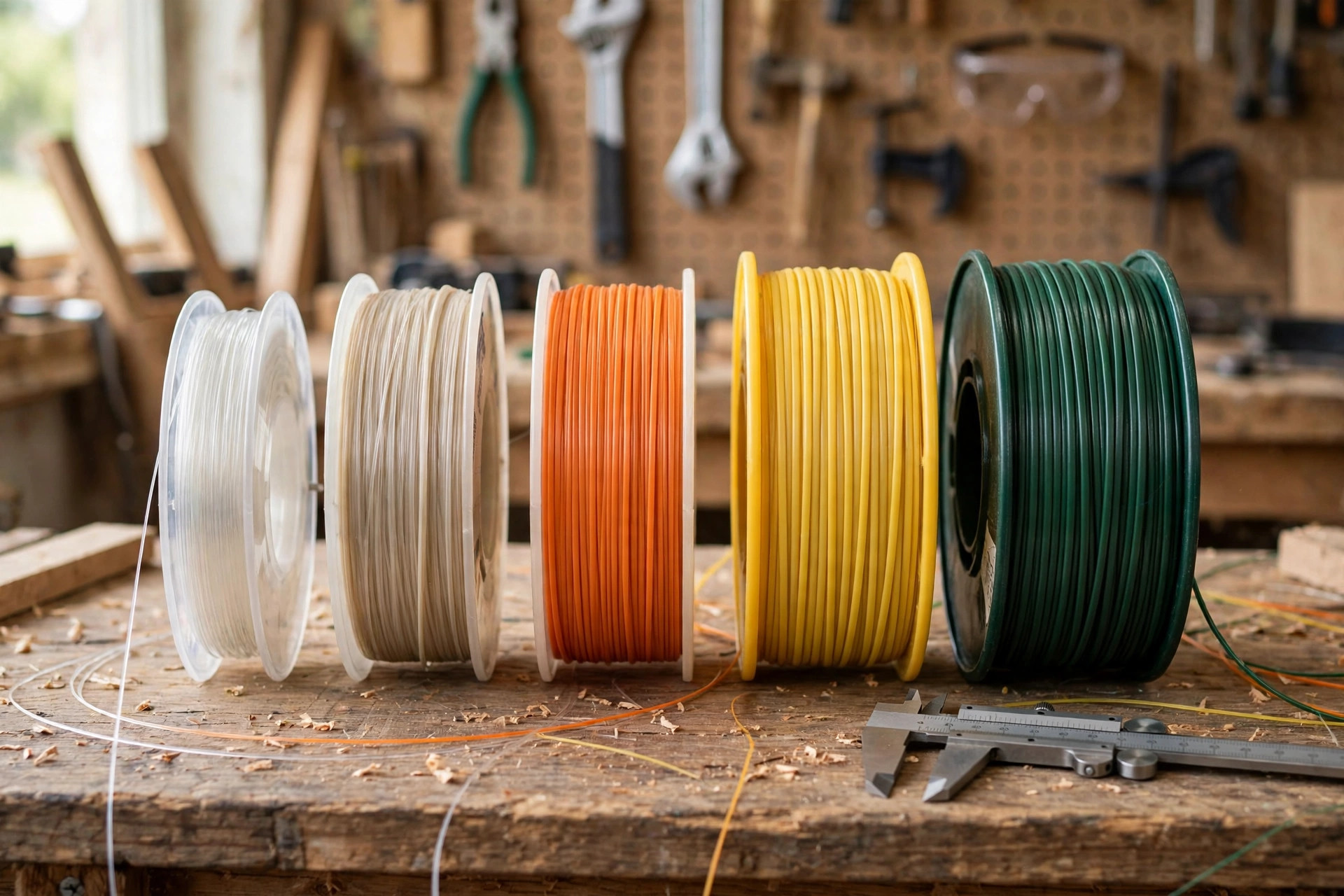
Different materials impact the longevity of trimmer lines significantly. Nylon is a common choice due to its flexibility and durability. Some higher-end nylon lines are reinforced with aluminum or other metals. This hybrid design increases strength but also often comes at a higher cost. Well-chosen materials can extend your trimmer line life.
Traditional nylon lines are generally effective for light to moderate trimming. However, they can wear down quickly when used for heavy-duty tasks. Enhanced nylon lines, featuring added polymers, offer greater resistance to fraying and snapping. These advanced lines are more suited for tough, woody plants. Choosing the right type depends on your specific needs.
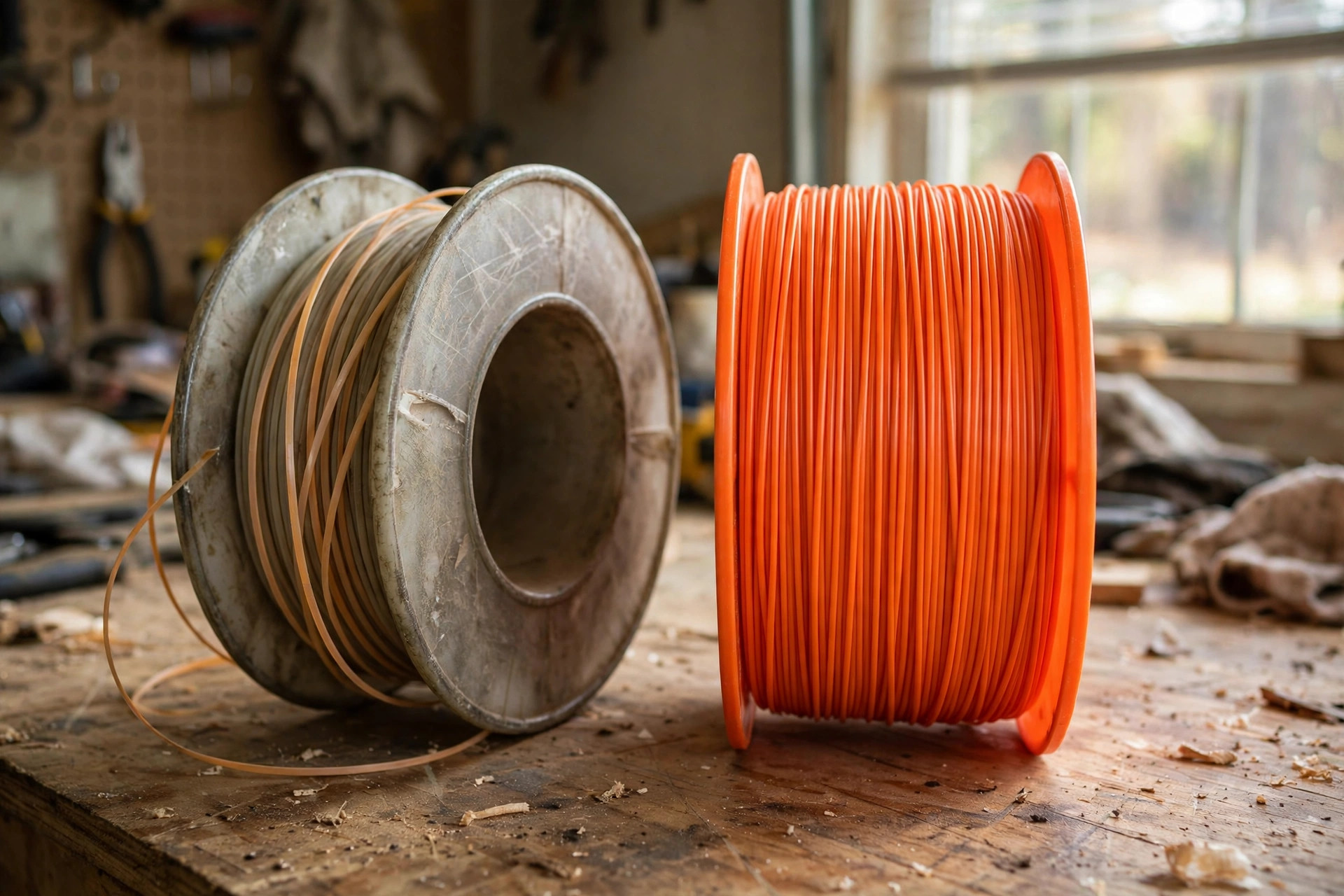
Additionally, composite materials are becoming popular in the market today. These lines blend different types of plastics, resulting in enhanced durability and flexibility. Some are designed specifically to withstand extreme temperatures and resist UV degradation. This makes them ideal for varied weather conditions and extensive use. See how to choose trimmer line before buying more line.
It’s worth noting that eco-friendly materials are gaining traction in the market. Biodegradable trimmer lines break down naturally over time, reducing environmental impact. Though they may not be as durable as traditional options, they offer a sustainable alternative. Many gardeners now value environmentally conscious tool choices. Read the EPA lawn and garden page for safe yard care.
How Shape and Layers Change Performance
Trimmer lines come in various shapes, each impacting performance. Round trimmer lines are the most common type. They’re easy to produce and stay cost-effective overall. However, they may not cut as cleanly as other shapes. For those seeking precision, other designs offer better results.
Square and star-shaped trimmer lines provide sharper edges. They cut through vegetation more efficiently than round lines. Because they slice rather than tear the grass, they leave a cleaner finish. This makes them ideal for tougher tasks and professional landscaping. However, they can also wear down faster.
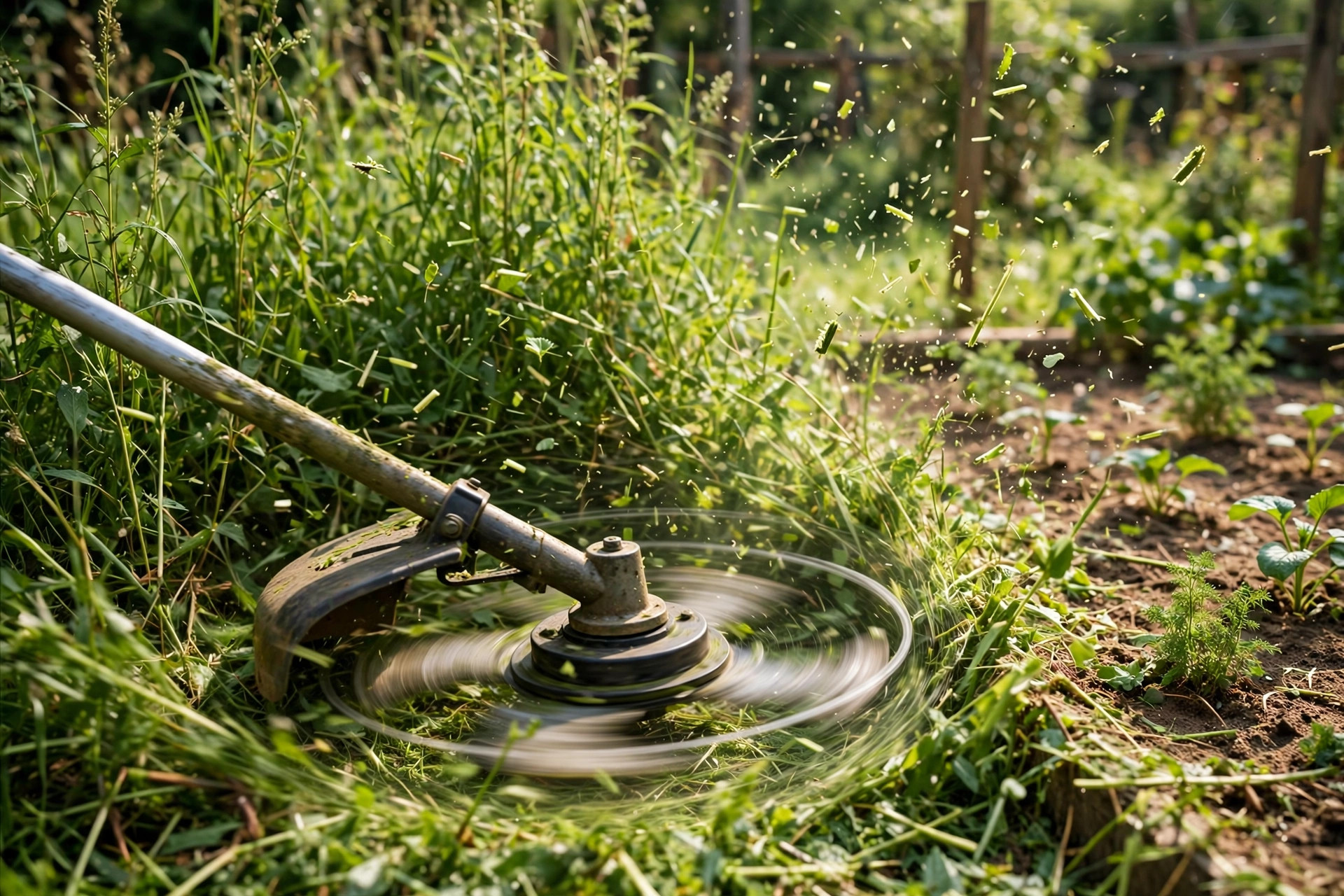
Twisted lines combine the benefits of round and square lines. They offer excellent strength and cutting efficiency. The twist in the design reduces noise and vibrations. This makes twisted lines perfect for extended use. They also tend to last longer due to their reinforced structure.
Another factor is the material combinations used in the lines. Some trimmer lines feature multiple layers of different materials. This enhances their durability and overall performance greatly. These hybrid lines can be more expensive but provide greater value over time. Choosing the right trimmer line ultimately depends on your specific needs and tasks.
| Line Shape | Best For | Lifespan Note |
|---|---|---|
| Round | Light grass and everyday trimming | Common and cost-effective choice |
| Square / Star | Tough weeds and professional work | Sharper edges wear down faster |
| Twisted | Long, extended trimming sessions | Tends to last longer overall |
Techniques to Prolong the Lifespan of Trimmer Line
One effective way to extend the life of your trimmer line is proper storage. Keep it in a cool, dry place to prevent it from becoming brittle. Moisture and sunlight can degrade the material, making it more prone to breaking. Always store your trimmer line away from direct sunlight. This simple step can significantly improve its durability.
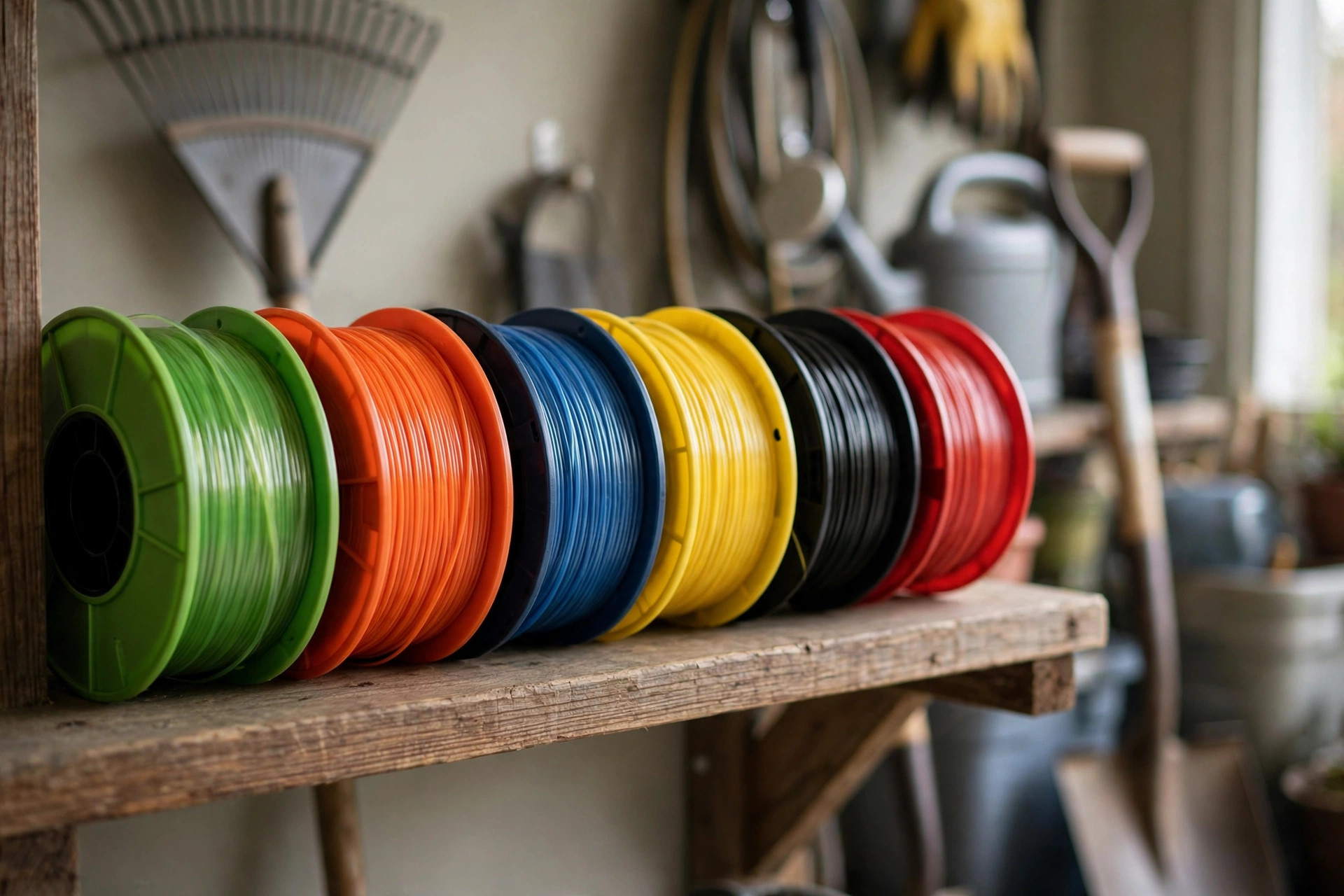
Using the right trimmer settings is also crucial. Avoid running the trimmer at maximum speed all the time. Lower speeds can reduce wear and tear on the trimmer line. For tougher vegetation, increase the speed but don’t keep it at the highest setting unnecessarily. Adjusting the speed according to the task can help make the line last longer.
Another useful technique is soaking the trimmer line in water. Some users find that keeping the line moist improves its flexibility. A flexible line is less likely to snap under pressure. Before using, soak the line in a bucket of water for 24 hours. This simple practice can prolong its usability.
Match the Line, Inspect the Head, Buy Quality
Choosing the right trimmer line for the job is essential. Not all lines are suited for every type of vegetation. Use thicker lines for tough plants and thinner lines for grass trimming. Matching the line to the task at hand can greatly extend its lifespan. It ensures efficiency and reduces the stress on the line.
Regularly inspecting the trimmer head can prevent issues. Make sure there are no signs of wear or damage. Replacing worn-out parts before they break can save the rest of the line. Small cracks or nicks can cause the line to break more easily. Preventative maintenance is key to a longer-lasting trimmer line.
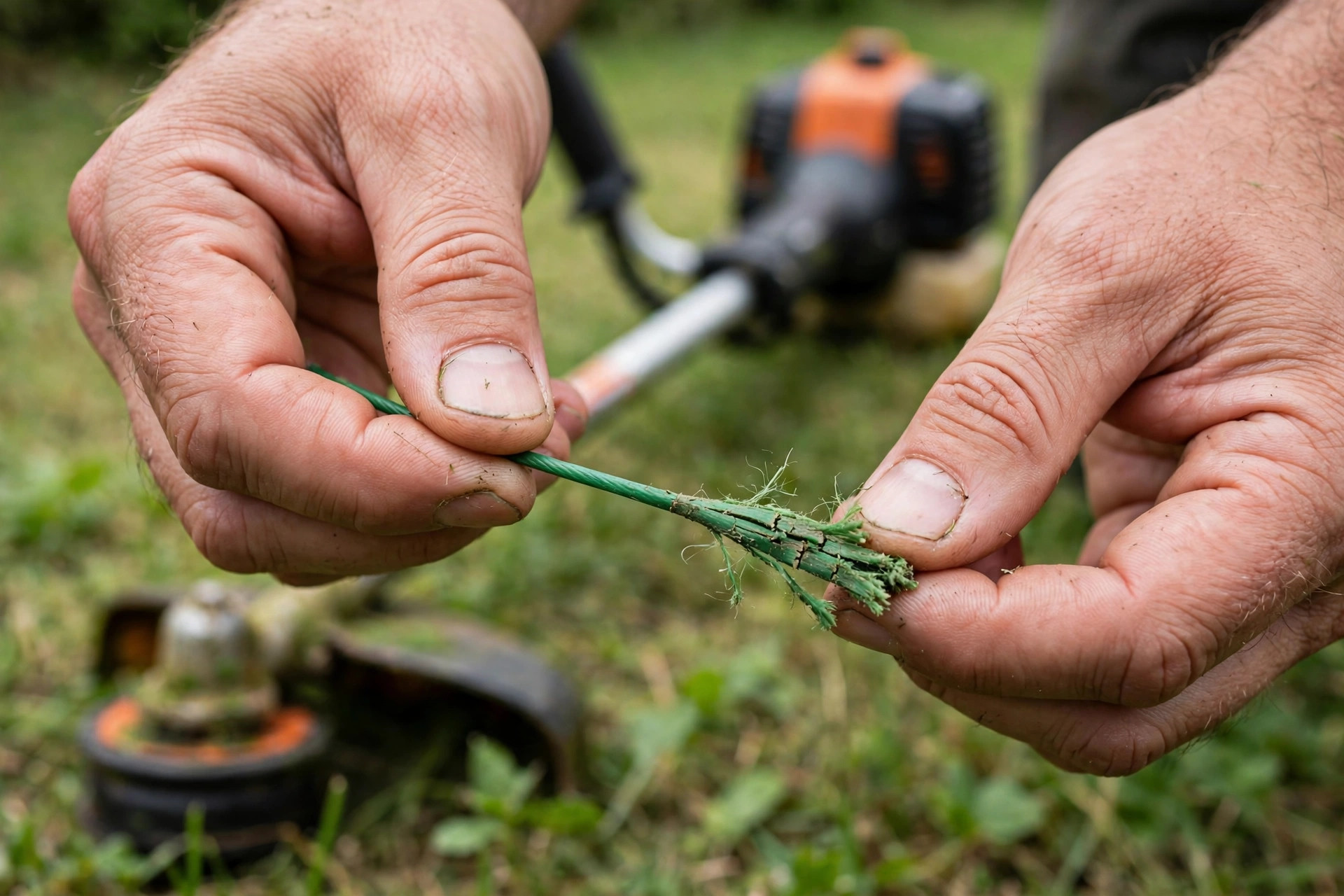
Lastly, using high-quality lines can make a significant difference. Investing in a more durable, high-end line may cost more upfront. However, it pays off with fewer replacements needed over time. Higher-quality lines tend to be more resilient and perform better. Spending a little more can lead to long-term savings and convenience.
Frequently Asked Questions
Making the most of your trimmer line matters greatly. It supports effective lawn maintenance in every yard. Here are some common questions and answers below. They help you get the best trimmer performance. Learn how to load string trimmer line before winding.
What materials are best for trimmer lines?
The best materials for trimmer lines usually include high-quality nylon and composite materials. Nylon offers a good balance of durability and flexibility. It suits a wide variety of trimming tasks. Composite materials, often blending different types of plastics, can enhance both strength and longevity. They are ideal for heavy-duty use and tasks.
Some premium trimmer lines even incorporate metals like aluminum to add extra strength. These hybrid lines can withstand tough conditions but may come at a higher cost. Choosing the right material depends on your needs. It also depends on vegetation you commonly trim.
How do I properly maintain my trimmer line?
Proper maintenance involves regular inspection and appropriate storage. Check your line for wear before every use. Look for signs like fraying or cracking carefully. Replace any damaged sections immediately to prevent further wear and inefficiency in trimming. See how to replace trimmer line when line wears out.
Store your trimmer line in a cool, dry place. Keep it away from direct sunlight and moisture. Proper storage prevents the material from becoming brittle. Good storage also extends its lifespan significantly overall. See how to add trimmer line for refilling steps.
Soaking and Thickness Questions
Can soaking trimmer lines in water improve their durability?
Yes, soaking trimmer lines in water overnight can improve their flexibility and durability. A flexible line is less likely to snap. It resists breaking during use much more easily. This method effectively prolongs the line lifespan too. Learn why soak trimmer line in water before trimming.
Moisture helps maintain the elasticity of nylon lines. This holds especially after long, dry storage periods. Dry conditions slowly drain flexibility from stored line. However, this might not be necessary for all types of advanced composite lines.
Should I use different thicknesses for different tasks?
Diverse tasks require varying thicknesses of trimmer line for optimal performance. Thicker lines suit heavy-duty jobs like dense weeds. They also handle dense shrubs with strong durability. They resist wear well during hard cutting work.
Thinner lines work best for regular grass trimming. They allow precision around delicate plants and edges. They also allow easy maneuverability in tight spaces. Matching the thickness to your task ensures efficiency and extends the life of your equipment. Check can I use 0.095 trimmer line before switching sizes.
Speed Settings Questions
See the STIHL USA for official product guidance. Speed answers below cover friction and stress effects. Check your settings before every long trimming session.
How does using the correct speed settings on my trimmer affect line longevity?
The speed setting on your trimmer significantly impacts how long your line will last. Maximum speed constantly creates excessive friction during trimming. That friction wears out the line much faster. Moderate speeds wear the line out more slowly.
Selecting appropriate speeds can prolong line life greatly. It reduces unnecessary stress on the line itself. Smoother operation continues over extended periods this way. You avoid frequent replacements during the whole season.
Conclusion: How Long Does Trimmer Line Last
Maximizing lifespan starts with understanding key factors. Material choice, proper storage, and maintenance practices matter. Selecting the right line ensures efficient, durable sessions. Small steps like soaking the line help greatly. Adjusting the trimmer’s speed also makes a difference.
Investing in high-quality lines saves time and money. Maintaining them well saves you even more overall. These practices extend the life of the line. Knowing how long does trimmer line last guides replacements. Keep these tips in mind to achieve optimal results in your lawn care endeavors.

I’m Patricia D. Johnson, an affiliate marketer and blogger specializing in trimmers and grooming tools. I create honest reviews, buying guides, and practical tips to help readers choose the right trimmer for their needs. With a focus on quality, performance, and value, I simplify the decision-making process so consumers can make confident purchases.