
Does It Matter What Trimmer Line You Use
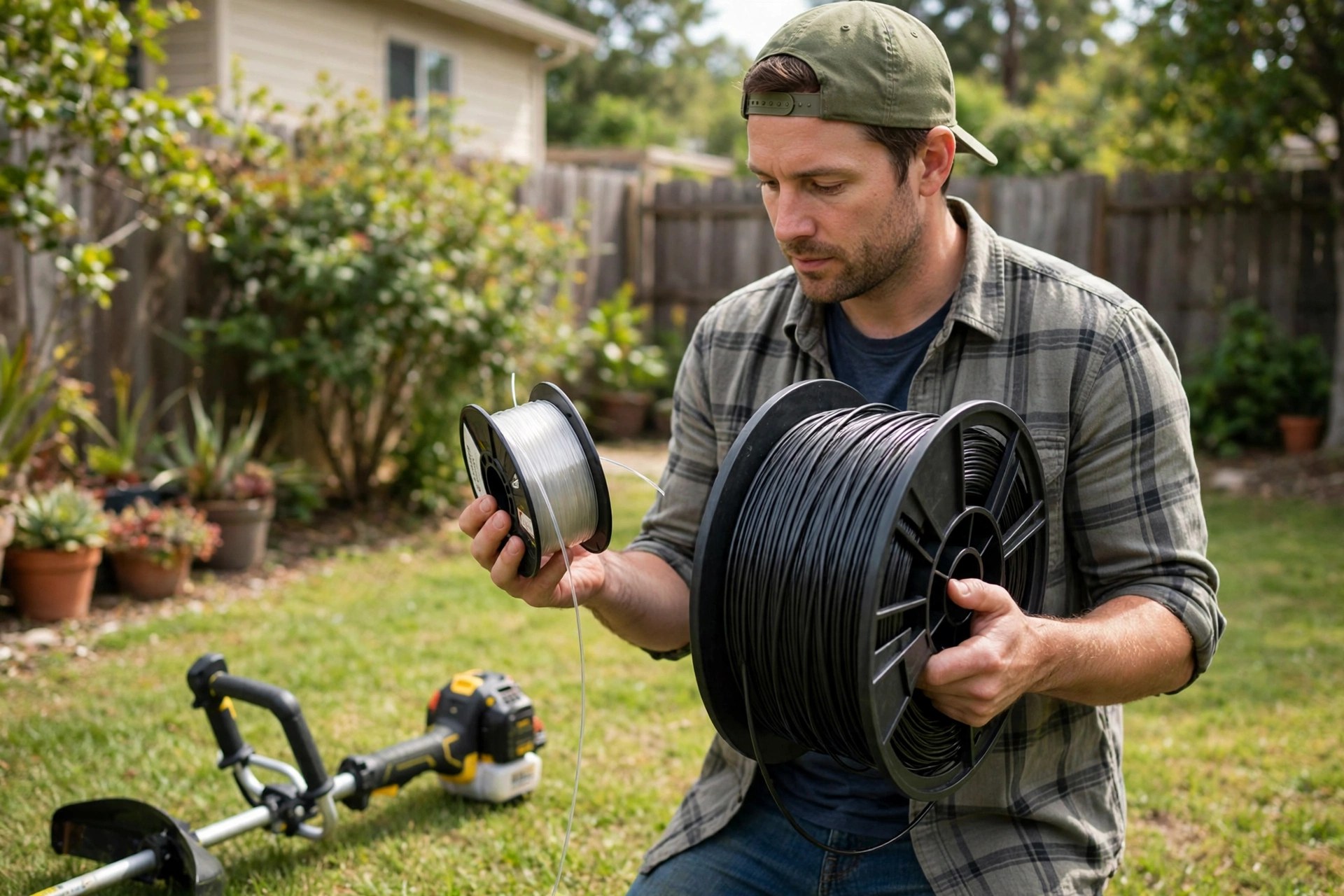
Have you ever asked if it matters what trimmer line you use? Lines come in many shapes, sizes and types of stuff. Each design suits one yard task best. A wrong pick brings snapped line, weak cuts and harm.
Heavy line on a light trimmer strains the motor. That strain can cut short your tool’s working life. Light line on a strong trimmer cuts poorly. More passes waste time and tire the user fast.
Tough line snaps less under hard work stress. Fewer snaps mean fewer stops and swaps. Shape and width change each cut too. This guide walks through each point in plain steps.
Quick answer: Yes, line choice changes cutting results very greatly. Round line suits light grass and everyday lawn edges. Square and thicker lines cut tough weeds cleanly. Heavy line strains small motors during hard yard work. Matching line to trimmer and task protects both.
- Does It Matter What Trimmer Line You Use
- How Line Choice Affects Equipment Performance
- What Goes Wrong With the Wrong Line
- Key Considerations When Choosing Line
- How Shape, Size and Material Boost Efficiency
- Frequently Asked Questions
- Material and Damage Questions
- Buying Questions
- Conclusion: Does It Matter What Trimmer Line You Use
Does It Matter What Trimmer Line You Use
Trimmer lines truly differ from spool to spool. Shape, size and stuff change how each one cuts. Each spool design aims at set plants and set yard states. A careless pick brings weak work and snapped line.
How long line lasts sets how often it snaps in work. Strong stuff stands up to hard cut stress. Tough line guards your trimmer over time too. Fewer swaps save both time and cash each year.

Special lines cope with thick, tough growth far better. Shape and width change cut power as well. Round line bends more for light trim jobs. Compare your picks in are all trimmer lines the same today.
| Shape | Cutting Style | Best Use |
|---|---|---|
| Round | Flexible, gentler cuts | Light grass and edges |
| Square | Sharper edges, cleaner cuts | Thick weeds and grass |
| Multi-sided or star | Sharpest edges, strong bite | Dense brush and tough jobs |
Motor load turns on your line pick too. Heavy lines strain weak motors in long work rounds. Light lines force more passes on strong machines. The right pick keeps trimming smooth and sound each day.
Think about your yard before you grab a spool. Grass type and how thick it grows guide smart picks. Your trimmer model caps safe line sizes too. Plain checks stop most line faults early. A yard-first look saves strife.
How Line Choice Affects Equipment Performance
Line type changes how your tool works outdoors. Light line suits small jobs on home lawns. Thick growth soon swamps thin, light line though. Wrong line brings poor cuts and motor strain.
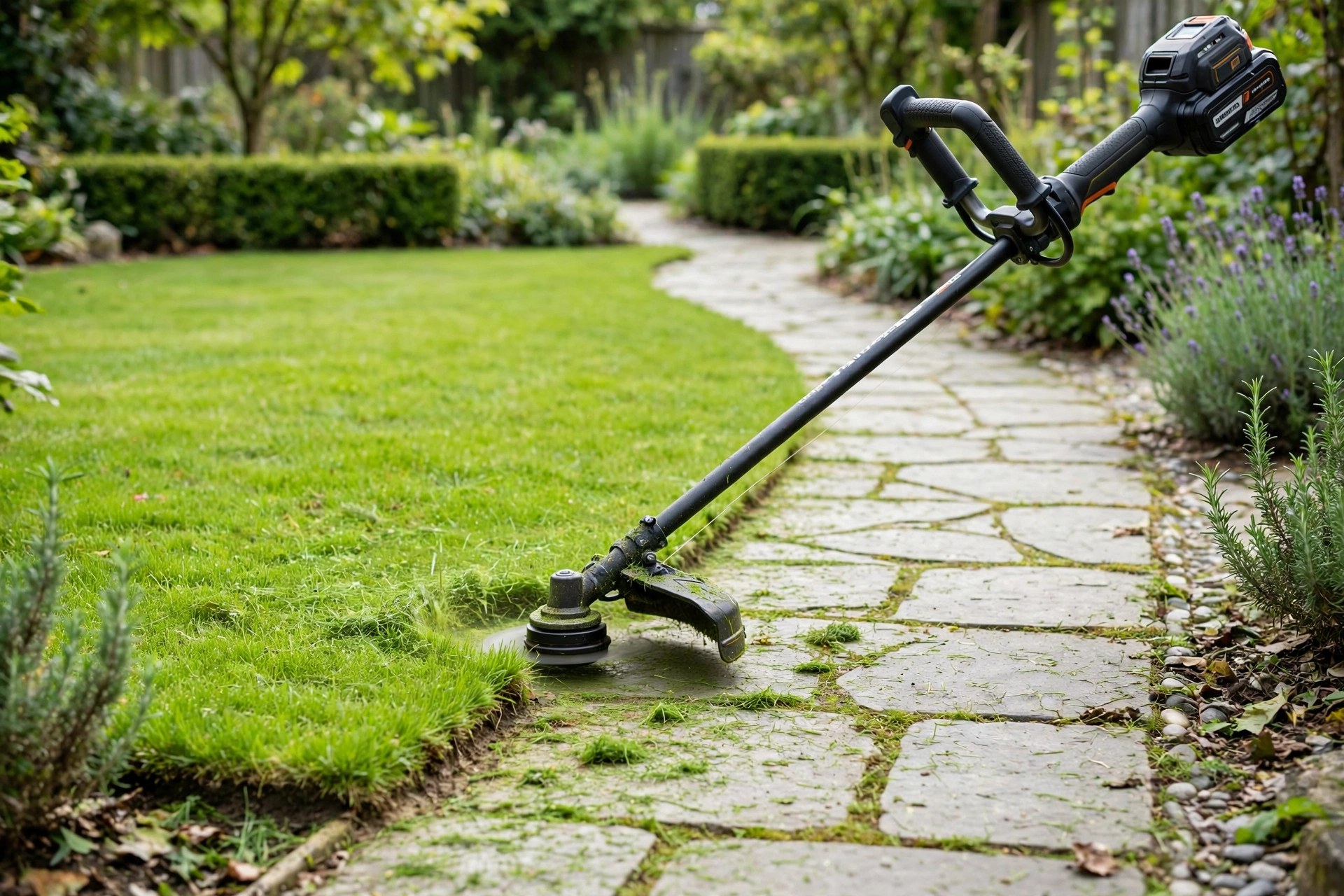
Round lines bend well for light trim jobs. Square lines cut thick brush far more cleanly. Multi-sided lines handle tough weeds well too. Thicker line snaps less in heavy work.
Heavy line can swamp small trimmer motors badly. Thin line needs more passes on dense growth. More passes add work and heat over time. Weigh line weight against motor power with care.
What line is made of matters for strength and life. Nylon copes with most trim jobs around most homes. Reinforced lines snap less on much harder jobs. The right stuff stretches work life and cuts well.
A good match saves cash and time. Fewer fixes and less downtime follow good picks. Sound work starts before you pull the cord. Check how long does trimmer line last before you buy.
What Goes Wrong With the Wrong Line
Wrong line picks bring faults fast. Snapped line tops the list of common faults. Weak line snaps under stress in tough jobs. Fresh spools each day waste time and cash.
Poor cuts follow wrong line picks too. Light line cannot cut thick grass well. Rough results need more passes over the same ground. Jobs take longer and still look poor.
Tool harm builds slowly with a poor line match. Heavy line strains light-duty motors over time. Light line can overheat strong motors too. Both slips cut tool life short and raise costs.
Risk rises too when line snaps often. Snapped bits can fly off at high speed. Flying bits put users and folks nearby at risk. The right line cuts these risks a lot. Safe picks guard folks nearby.
Safety gear still matters in each trim round. Good gear guards you from flying line bits. See the EPA lawn and garden page for guidance. Careful picks guard both your tool and your health.
Key Considerations When Choosing Line
Good picks start with the plants in your yard. Thin round line does fine for light grass work. Thick brush needs thicker multi-sided line instead. Know your needs first, then pick your line.
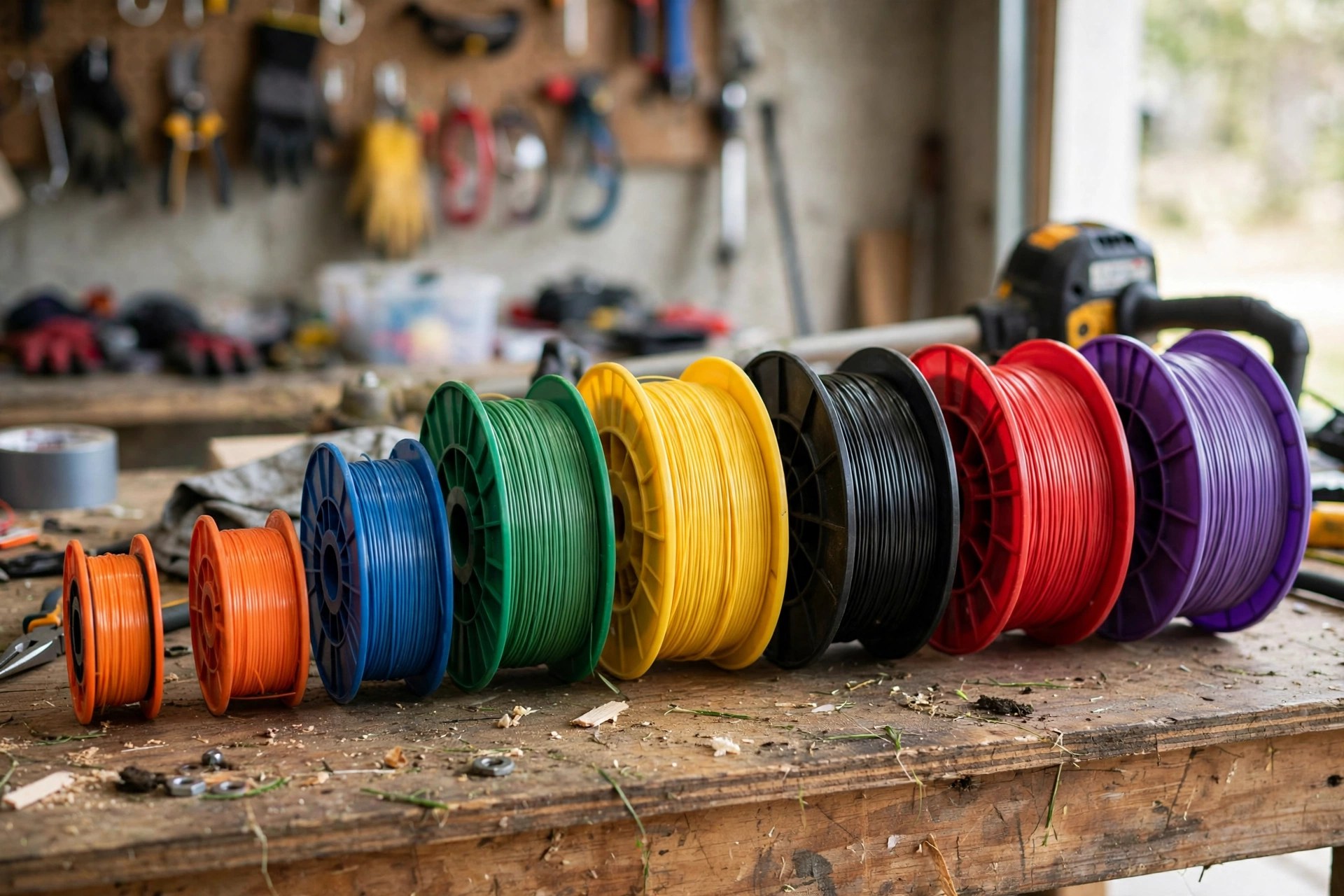
Shape plays a big part in how line cuts. Round lines stay bendy and tough in work. Square lines cut with a sharper edge but wear down faster. Judge each job before you pick its shape.
What line is made of counts too. Most lines use nylon for day-to-day yard work. Reinforced lines add aluminum or composite strength inside. Pro jobs gain most from reinforced builds.
| Factor | What to Check | Why It Matters |
|---|---|---|
| Vegetation | Grass, weeds or dense brush | Sets thickness and shape needs |
| Shape | Round, square or multi-sided | Changes cut quality and wear |
| Material | Nylon or reinforced blends | Changes strength and breakage |
| Diameter | Match your trimmer specs | Protects motor and cutting power |
| Model fit | Maker size recommendations | Prevents strain and damage |
Width counts as much as shape does. Thicker lines give more cut power outdoors. They snap less in hard trim work too. Match diameter to what your trimmer can take, always.
Your trimmer brand and model count a lot too. Makers list sizes that fit each model. User reviews show true wear from day-to-day use. Read how to choose trimmer line before you buy.
User reviews help buyers dodge common line traps. Real use gives plain tips for new buyers. Stores like Lowe’s homepage list line specs online. Weigh feedback before you settle on one spool.
How Shape, Size and Material Boost Efficiency
Line shape shapes how well trimmers cut. Round lines wear slowly and stay tough. Tough weeds beat plain round lines at times though. Square lines answer with sharper edges and cuts.
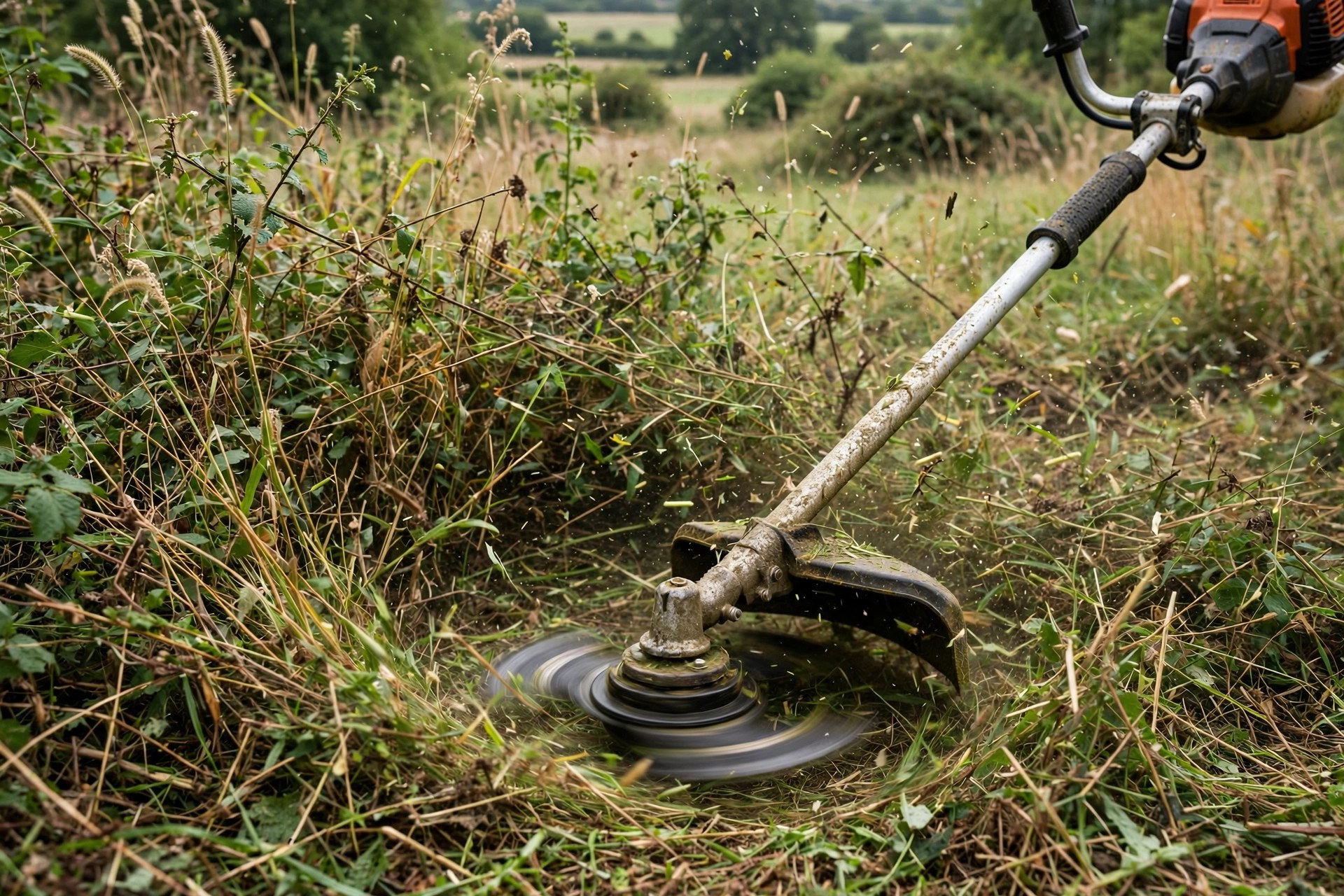
Size counts a lot for cut power outdoors too. Thicker lines cut heavy, dense growth with more trust. They snap less and let you work longer stretches. Strong line can strain less robust trimmer models.
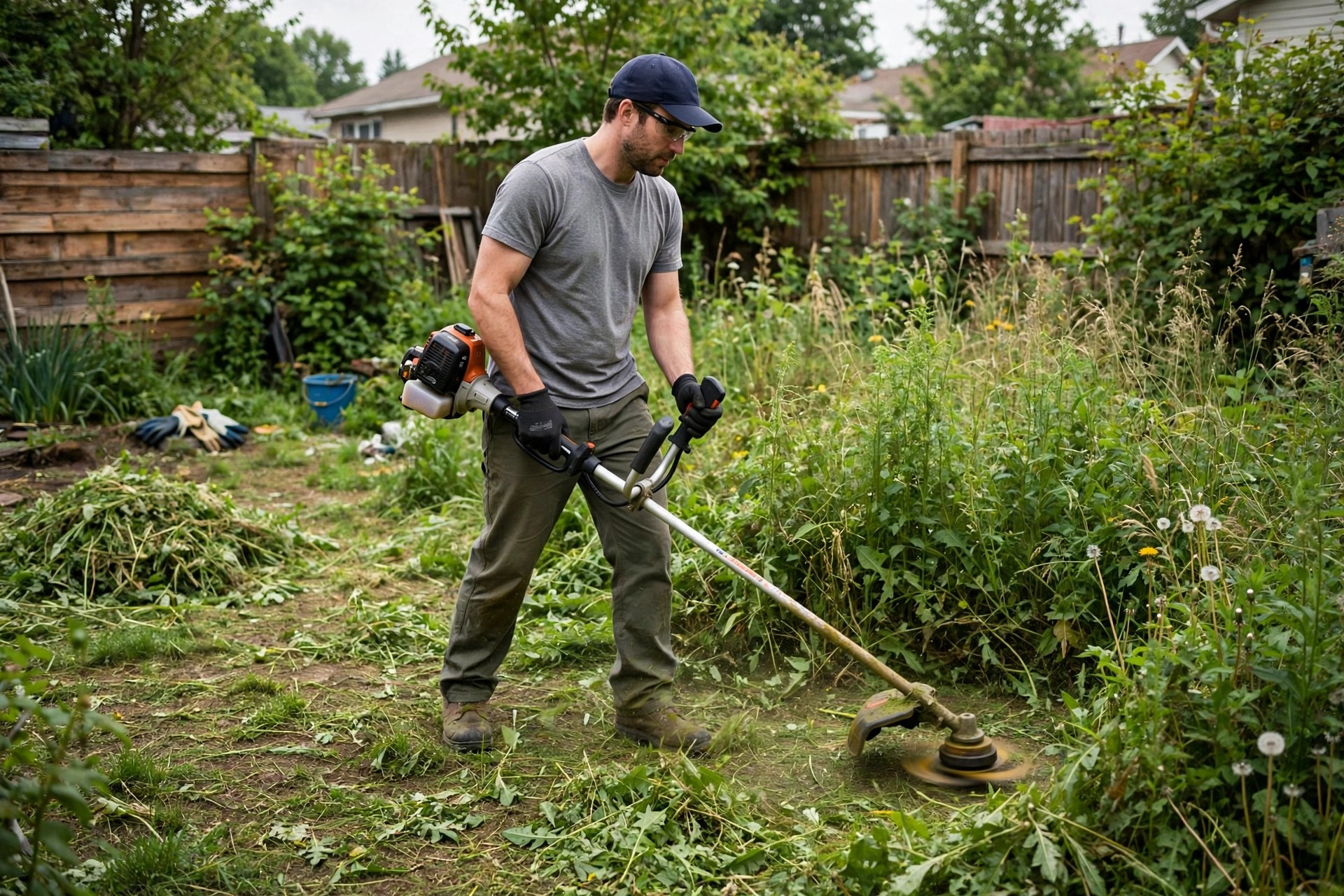
What line is made of drives how well it cuts each day. Nylon stays handy and cheap for most yards. Reinforced lines blend aluminum with tough composite stuff. Stronger lines last longer and snap far less.
Reviews show the strengths and weak spots of set lines. Maker guides help match line to jobs too. Compare is twisted trimmer line better for noise. Check does string trimmer line go bad each year.
Model needs decide which lines fit your trimmer. Wrong fits cut work quality and harm tools slowly. Maker rules keep each setup working well as one. Stated specs guard good work through each season. Fit first, then trim.
Frequently Asked Questions
Line choice baffles many buyers at first sight. Clear answers back sound picks before you buy. Read how to replace trimmer line for swaps. Each answer below tracks this guide’s core guidance.
What are the different shapes of trimmer lines used for?
Each shape serves its own purpose in yards. Round lines stay tough for plain light trim work. Square lines carry sharper edges for tougher growth. Star lines cut thick growth cleanly too.
Shape shapes how neat and clean each cut looks. Square line adds cut power in hard yard states. Round line wins on bend and long life. The right shape saves time and lifts trim work.
How do I choose the right diameter for my trimmer line?
Match diameter with care to the trim work you plan. Thicker lines cope with dense weeds and brush well. Heavy work needs tough line with real strength. Thicker lines need more power from your trimmer.
Thinner lines suit light grass trim jobs best. They bend more and strain motors far less. Always check tool specs before choosing diameter sizes. A good fit guards both cut quality and tool life each day.
Material and Damage Questions
Stuff and harm questions matter for tool life. Wrong stuff snaps faster in heavy use. Wrong lines strain motors over time too. Plain matching stops most tool faults early.
What materials are commonly used in trimmer lines?
Nylon stays the most common line stuff today. It balances low cost and toughness for most homes. Reinforced picks add aluminum or composite stuff inside. Those lines stand up to heavy use with fewer snaps.
Match stuff to the job and work runs better. Fewer snaps mean less downtime in busy weeks. Good stuff gives better results from trim jobs. Explore is trimmer line biodegradable for other picks.
Can using the wrong trimmer line damage my equipment?
Yes, wrong line can harm your tool over time. Heavy lines strain light-duty motors badly. Strain brings faster wear and breakdowns down the line.
Thin line can harm strong trimmers slowly too. More passes add work, heat and breakdown risk. Maker tips keep work strong with no tool harm.
Buying Questions
Buying questions deserve careful answers before each buy. Plants, shape and fit decide how each buy turns out. Reviews add hands-on views from other trimmer owners. Careful checks help buyers dodge common buy traps.
What should I look at when buying a new trimmer line?
Check the plants first before you buy new line. Weigh shape, diameter and what the line is made of. Those points must fit maker rules for safety. Hands-on reviews show how lines work outdoors each day.
Reading feedback helps buyers choose with open eyes. Good picks dodge traps and lift trim results. Take time to compare spools before your last buy.
Conclusion: Does It Matter What Trimmer Line You Use
The right line shapes work quality and tool life. Good line lifts work speed and gives cleaner cuts. It cuts motor strain in hard work too. Each line type brings its own clear strengths. Know your needs before you buy spools.
Shape, diameter and material shape the end results. Follow maker tips for smoother, stronger trim work. So, does it matter what trimmer line you use? Yes, a careful match pays off over time. Spend minutes choosing and trim better all season.

I’m Patricia D. Johnson, an affiliate marketer and blogger specializing in trimmers and grooming tools. I create honest reviews, buying guides, and practical tips to help readers choose the right trimmer for their needs. With a focus on quality, performance, and value, I simplify the decision-making process so consumers can make confident purchases.