Is Trimmer Flooded
Owners ask is trimmer flooded when engines refuse starting. The post says excess fuel can flood engines. Too much fuel makes starting and running difficult. Specific steps can unflood the engine again afterward. The same post also covers water-soaked trimmers fully.
A flooded trimmer frustrates homeowners and landscapers alike. The tool will not start or run properly. Understanding the causes makes the fix much easier. Careful steps restore smooth operation and efficient trimming.
This guide follows the post section by section. It covers signs, first steps and drying fully. Troubleshooting, prevention and repair options close the guide. Every claim comes from the post itself directly.
Quick answer: Yes, excess fuel or water can flood it. Power off, disconnect and wipe moisture away first. Air dry the tool for one to two days. Clean and inspect every part before restarting it. Store it dry to prevent repeat damage.
Is Trimmer Flooded: The Short Answer
The quick table below mirrors the post. It sums up the four damage signs here. Later sections explain each response in detail.
| Sign | What the Post Says |
|---|---|
| Lack of power | Struggles to start or runs weakly after wetting |
| Rust and corrosion | Visible rust on metal parts signals water contact |
| Unusual noises | Strange noises or vibrations after getting wet |
| Electrical issues | Flickering lights or erratic electrical behavior appear |
The Wikipedia string trimmer page traces the wider tool family history. Our stalling trimmer guide covers a closely related starting problem. Spotting these signs early limits further damage greatly.
Two Meanings: Fuel Flooding and Water Soaking
The opening blames excessive fuel inside the engine. That fuel surplus blocks starting and smooth running. Its question section gives steps for unflooding engines. Removing the spark plug starts that unflooding process.
Please note: This post uses one word two ways here. Its opening and questions describe excess fuel inside engines. Its main sections describe a trimmer soaked by water instead. Both original meanings stay in their places below.
The Wikipedia carburetor page explains fuel mixing inside small engines. A low-heat blow dryer can dry excess fuel. The post suggests that after removing the plug. Cleaning or replacing the air filter helps too.
A clogged carburetor may also need careful cleaning. The post suggests soaking it in carburetor cleaner overnight. Our string trimmer cleaning guide covers routine cleaning habits in depth. Professional help remains the final fallback option there.
Signs of Water Damage in Trimmers
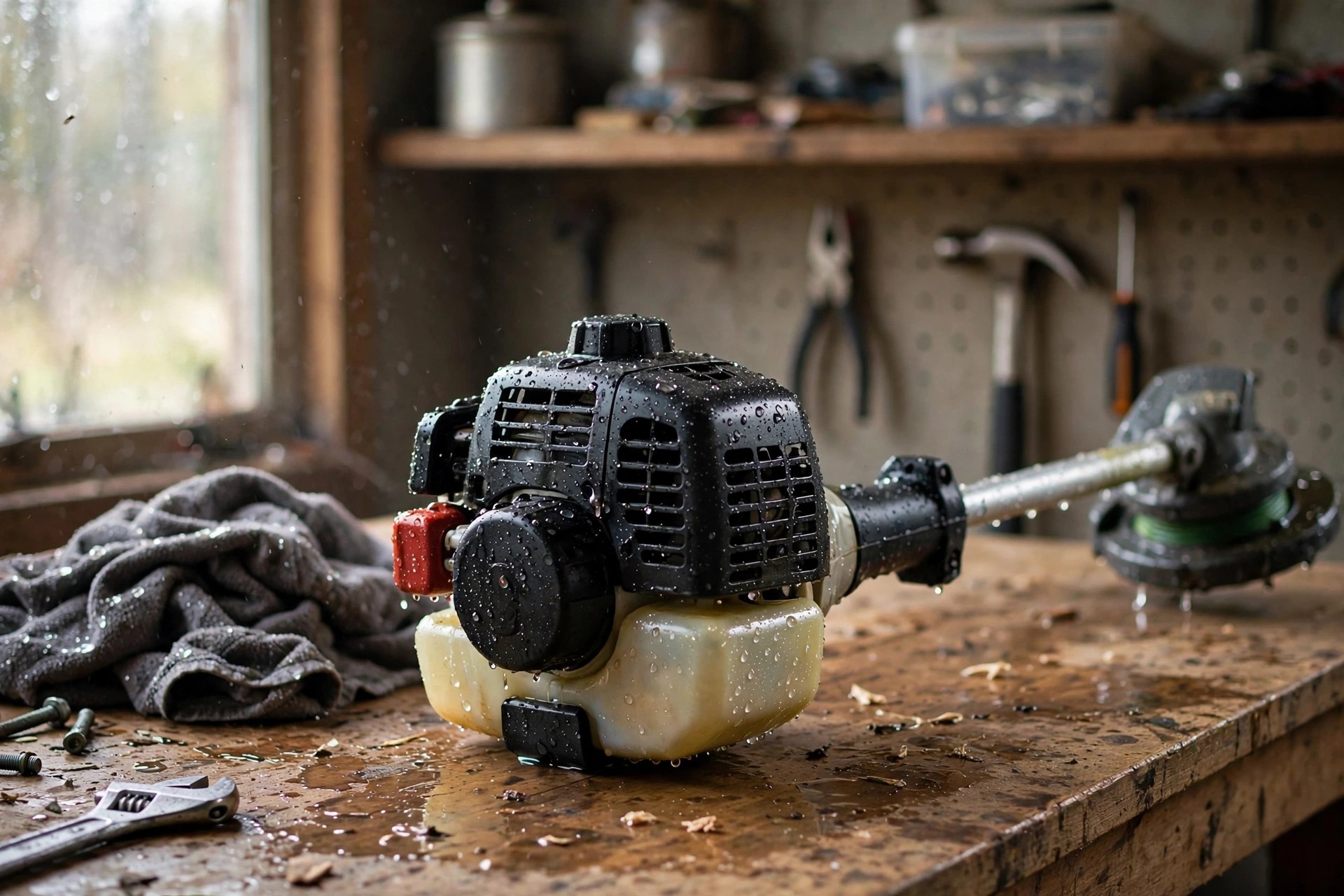
Lack of power heads the post warning list. The trimmer struggles starting or runs weakly afterward. Water can damage the engine or electrical components. Rust and corrosion mark prolonged water exposure clearly.

Visible rust appears on metal parts outside. Unusual noises or vibrations follow getting wet sometimes. Water damage can disturb the internal mechanisms inside. Flickering lights signal disrupted electrical connections as well.
Identifying these signs early prompts immediate action fast. Quick action prevents further damage from spreading onward. Our string trimmer mechanics guide explains the parts water can harm. The next section covers the first response.
First Steps When a Trimmer Gets Wet
Power off and disconnect the trimmer immediately first. This prevents electrical short circuits during rescue work. It also minimizes the risk of shock greatly. Remove the battery or unplug the cord next.
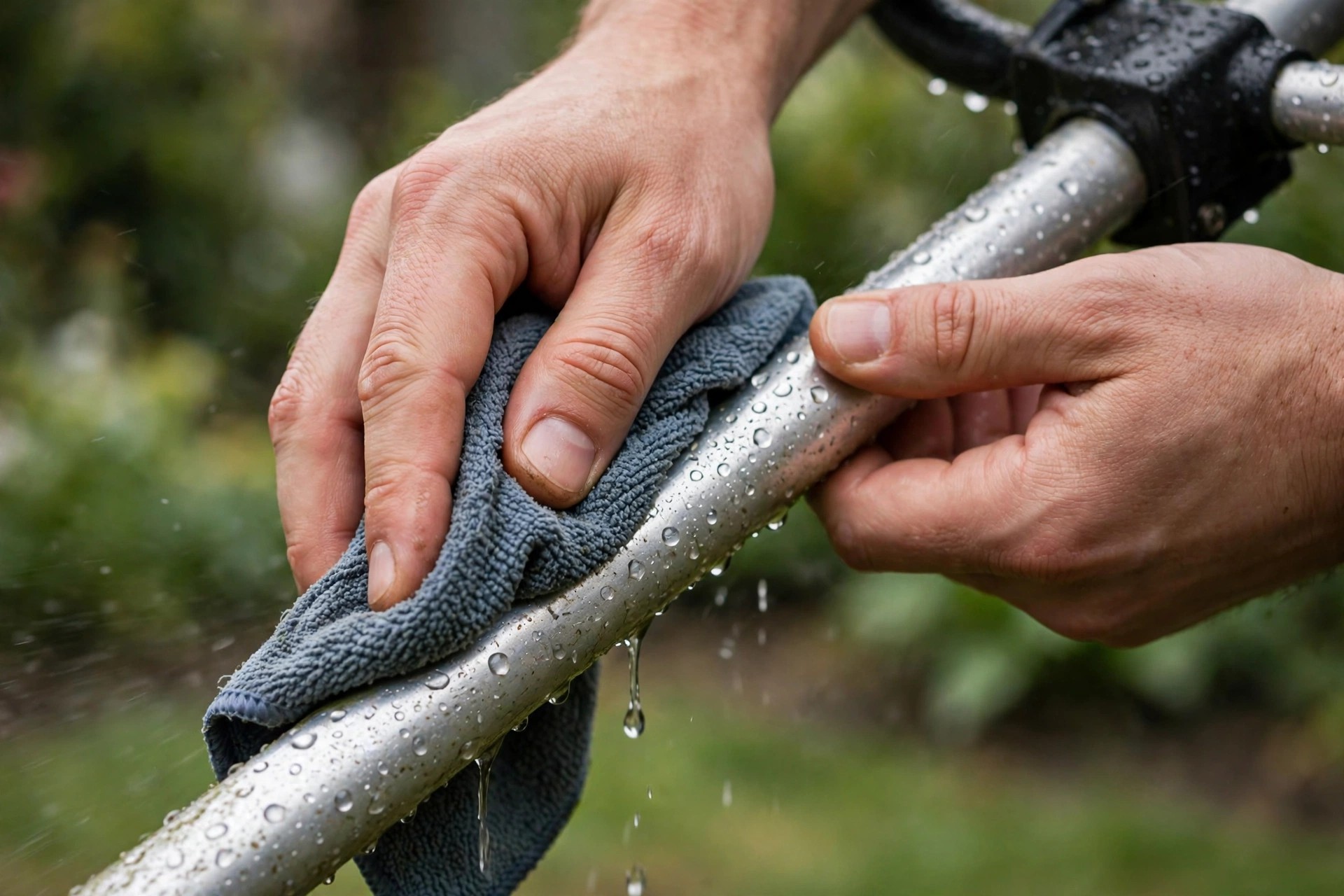
Battery models need the battery taken out fully. Corded models need unplugging from the outlet directly. Our corded trimmer comparison explains corded model basics nearby. Wipe off excess moisture with a dry cloth.
Use a towel and wipe the exterior carefully. Be gentle and avoid rubbing too vigorously outside. Vigorous rubbing may push water further inside components. These steps prepare the trimmer for drying ahead.
Drying, Cleaning and Checking the Trimmer
Disassemble detachable parts if you feel comfortable doing. Removing heads and guards allows better airflow inside. Place the trimmer somewhere well ventilated for drying. Air dry naturally for twenty-four to forty-eight hours.
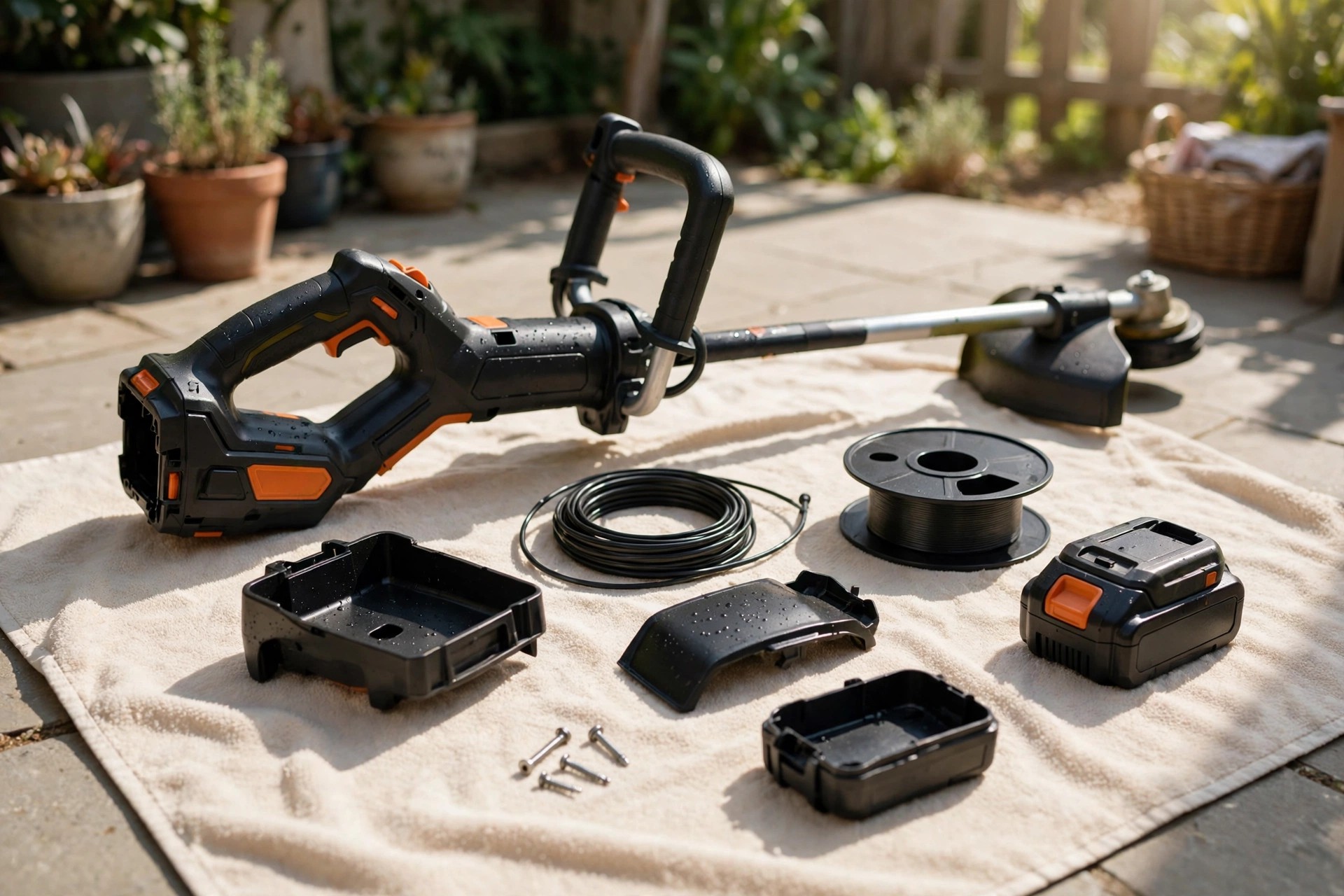
Avoid heat sources like hairdryers or ovens entirely. Heat can damage the internal components quite badly. Silica gel packets nearby can absorb moisture faster. Rotate the trimmer every few hours during drying.
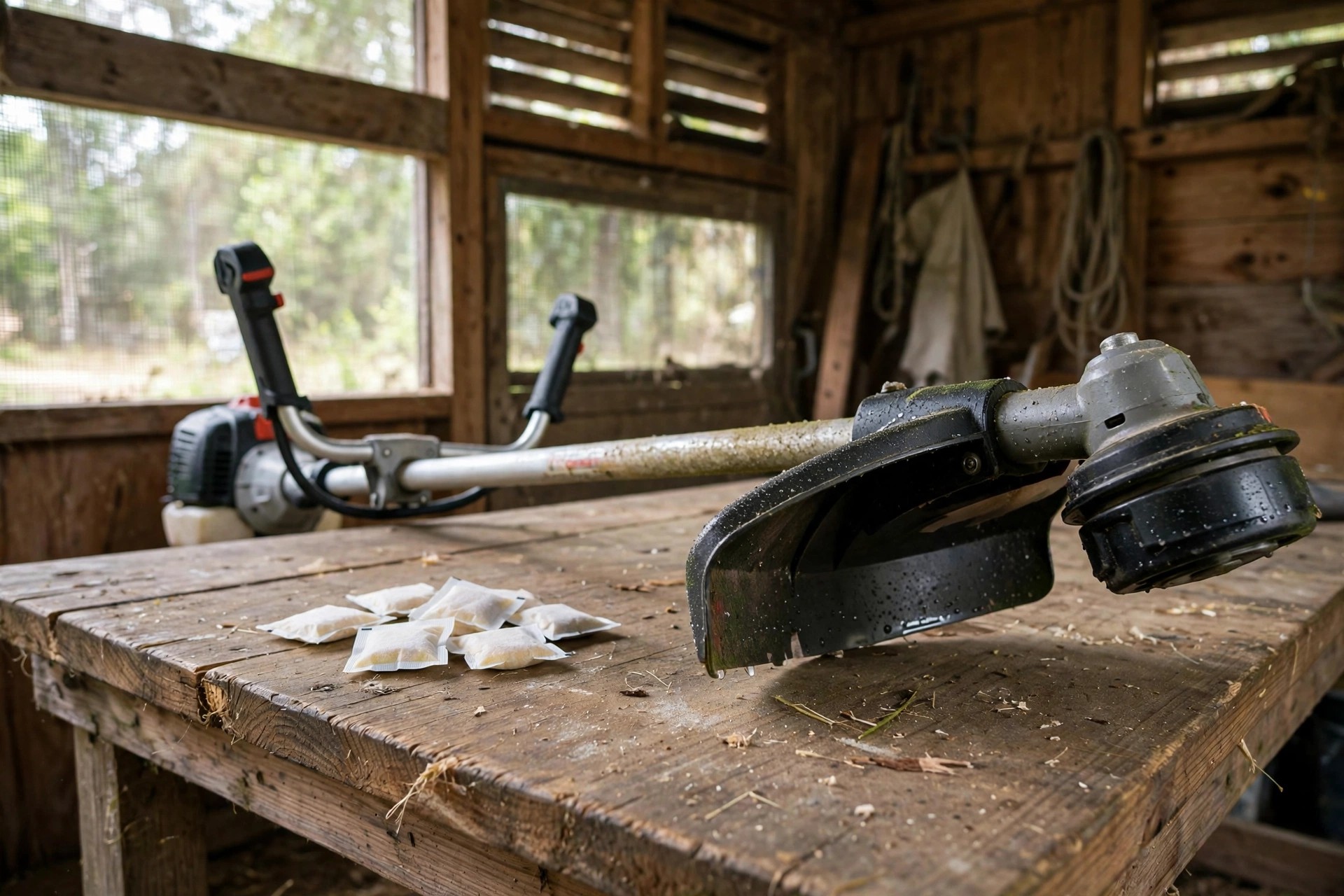
Rotation prevents water pooling in specific areas inside. Patience matters most during the whole drying process. Rushing back to use causes further damage quickly. Inspect internal components carefully once drying finishes completely.
Use a flashlight for hard-to-reach areas inside. Clean with a soft brush or compressed air. Pay attention to vents and cutting heads especially. Replace rusted blades or damaged wires when needed.
Prevention, Repairs and Maintenance Habits
Store the trimmer somewhere dry and secure always. Avoid leaving it outdoors or near water exposure. A waterproof cover shields it during wet work. Regular maintenance includes cleaning and lubricating cutting blades.
Tightening loose screws belongs to regular maintenance too. Checking wear early prevents major problems from forming. Never submerge the trimmer in water at all. Our edging technique guide shows careful outdoor use habits.
Severe damage may need professional repair help instead. The table below mirrors the post repair options. Each option suits a different damage level overall.
| Option | What the Post Says |
|---|---|
| Manufacturer service center | Specialized services plus genuine replacement parts access |
| Certified repair technicians | Experts in outdoor power equipment diagnose complex issues |
| Replace the trimmer | Compare repair cost against a new trimmer price |
Persistent power loss may mean battery replacement instead. Rust remover or vinegar water cleans rusted parts. Electrical problems belong to professionals for safety reasons. Our electric weed eater pricing guide covers replacement model costs today.
Frequently Asked Questions
Can you flood a strimmer?
Yes, a strimmer can definitely be flooded with fuel. Flooding means excessive fuel sits inside the engine. That surplus makes starting or running it difficult. You can quickly unflood a strimmer without using any tools.
How do you unflood a small engine?
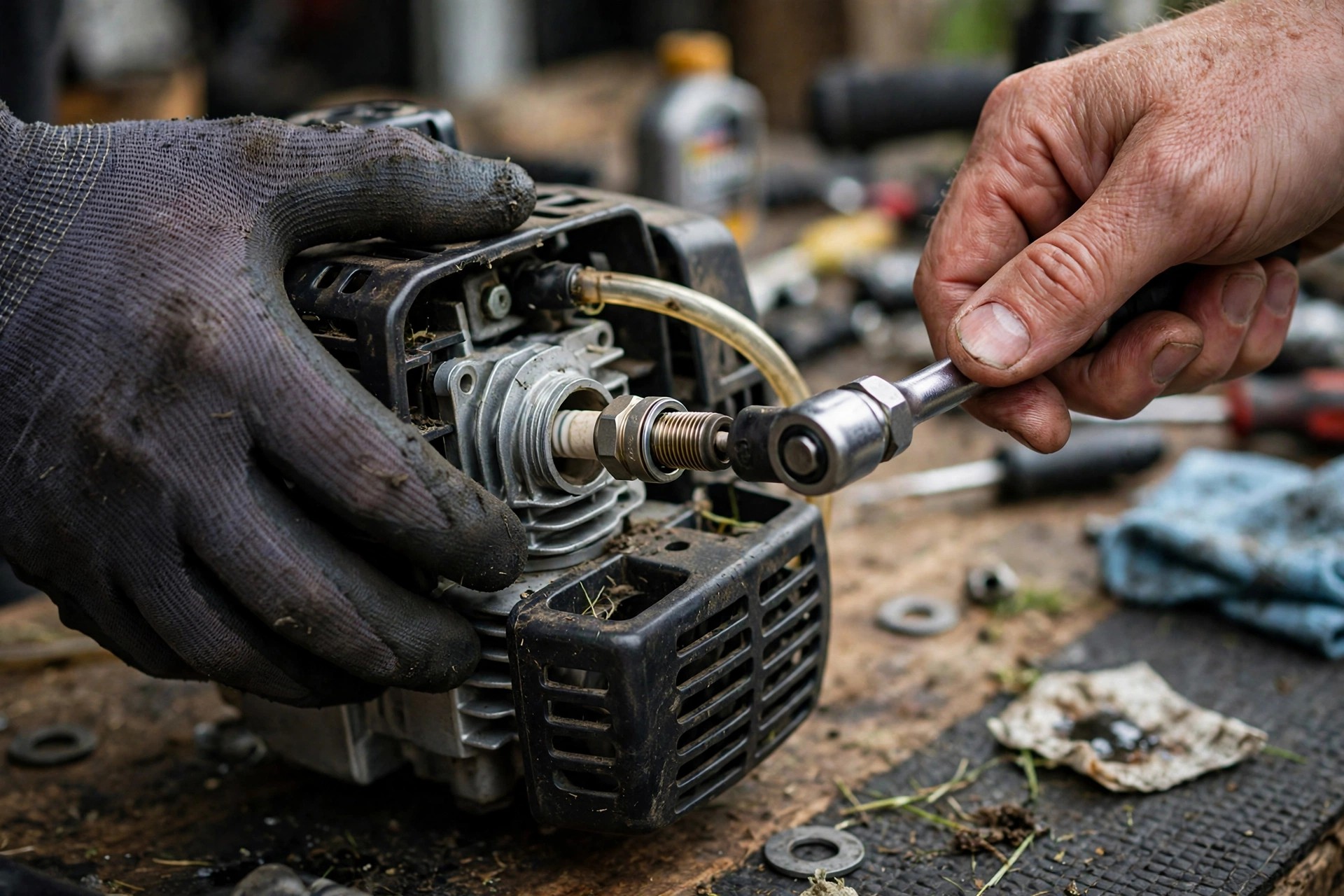
Remove the spark plug and let it dry. Remove excess fuel by pulling the starter cord. Clean or replace the air filter next carefully. Reinstall the spark plug and try starting it. Repeat the process or seek professional help afterward.
Which way do you wind a trimmer?
Wrap the line in the direction of the arrow. Look for a small arrow on the trimmer head. The arrow usually sits near the outside edge. Wrap the line following that arrow exactly onward.
How do you rehydrate string trimmer line?
Soak the line in water for a few minutes. This softens the line and makes it flexible. Softer line resists breaking easily during trimming work. Dry the line before using it again afterward.
How long should a soaked trimmer dry out?
Air dry it for twenty-four to forty-eight hours. Choose a well-ventilated area for the drying spot. Rotate the trimmer every few hours during drying. Never rush to use it before drying completes.
Stay patient and persistent throughout the whole process. Reviving a soaked device can prove tricky sometimes. Prioritize safety whenever handling electrical equipment at home.
Conclusion: Is Trimmer Flooded
So, is trimmer flooded beyond saving at home? Careful drying revives many soaked or flooded tools. Early signs help owners act before damage spreads. Safety comes first around fuel and electrical parts. Simple checks usually find the real culprit fast.
Professional help suits severe damage or stubborn faults. Comparing repair costs against replacement prevents wasted spending. Patient work brings the trimmer back to life. Regular dry storage keeps it running longer outside. Small habits protect the engine every single season.