Can I Use Electric Hedge Trimmer After Rain
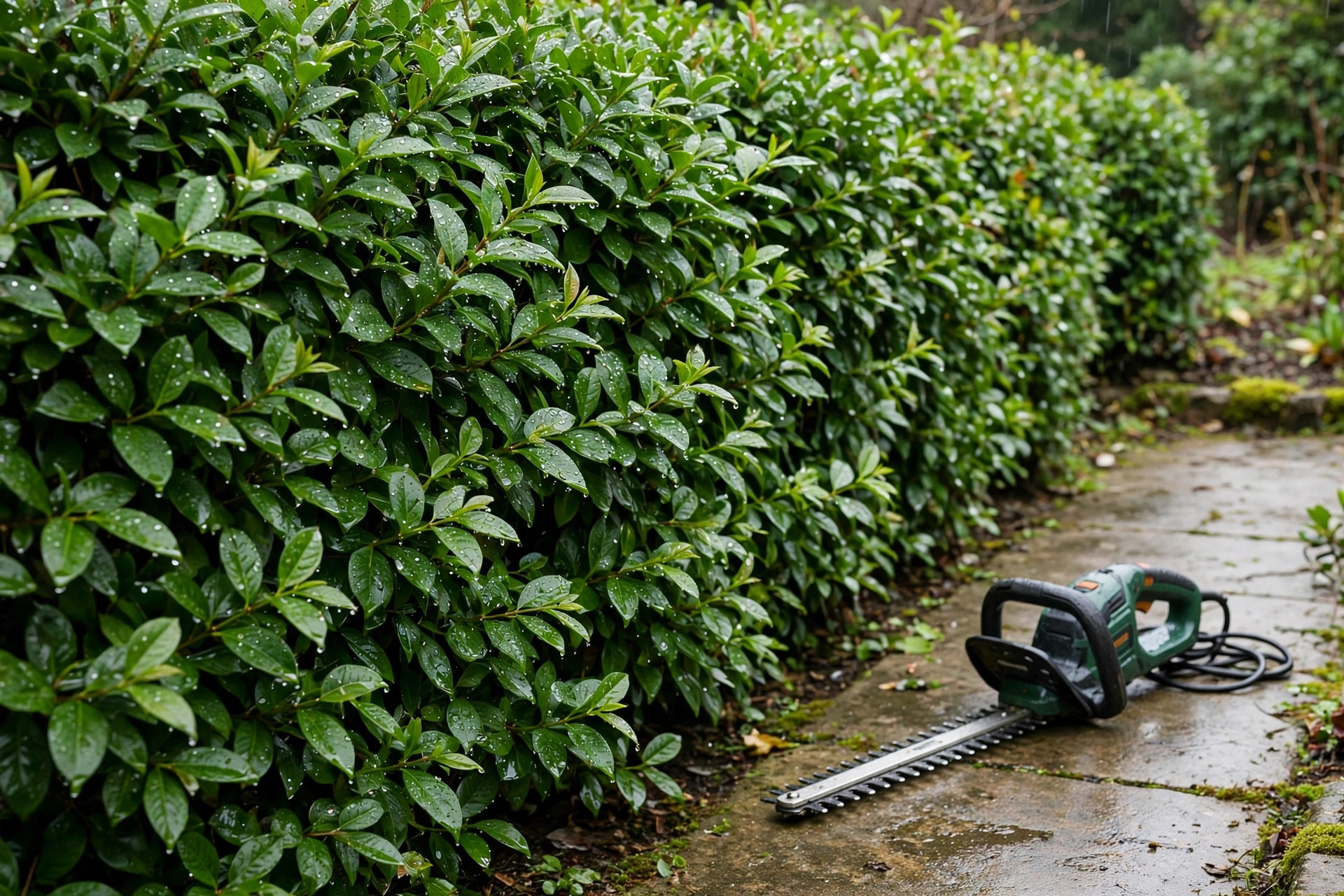
Many gardeners ask: can I use electric hedge trimmer after rain safely? Using an electric hedge trimmer after rain is not recommended. It can increase the risk of electric shock. It is important to wait until the weather is dry.
Using an electric hedge trimmer can be a convenient way. It helps you maintain your hedges and bushes well. However, it is important to understand the dangers of using this equipment after rain. We will explore the risks of electric shock here.
This guide covers shock risks and tool damage first. It then covers checks, dry-day steps, and safer alternatives. Start with how to use electric hedge trimmer for basic dry-day steps. Dry hedges always give cleaner and safer cuts overall.
Quick answer: Do not trim wet hedges with electric power. Using an electric hedge trimmer after rain is not recommended. Water raises the risk of electric shock and tool damage. Wait until hedges and ground dry fully before trimming. Use manual shears or wait for dry weather instead.
- The Dangers of Using an Electric Hedge Trimmer After Rain
- Can I Use Electric Hedge Trimmer After Rain Safely?
- Handling the Trimmer With Care
- Impact on Hedge Trimming Quality and Footing
- Expert Opinions and User Experiences
- Alternatives to Using an Electric Hedge Trimmer After Rain
- Waiting for Dry Weather
- Best Practices for Dry-Day Trimming
- Frequently Asked Questions
- Conclusion: Can I Use Electric Hedge Trimmer After Rain
The Dangers of Using an Electric Hedge Trimmer After Rain
Using an electric hedge trimmer after rain brings real dangers. The main danger is the risk of electric shock. Water is a good conductor of electricity overall. It creates danger when combined with powered tools.
Moisture on hedges or ground can seep into components. Wet parts increase the likelihood of electric shocks greatly. This can result in serious injury or even death. Keep every electric part dry before you start work.
| Risk | What happens | Safer choice |
|---|---|---|
| Electric shock | Water reaches live electrical parts | Wait for fully dry weather |
| Tool damage | Corrosion harms components and blades | Dry and store tools indoors |
| Poor cuts | Wet foliage clumps and bends | Trim dry hedges for clean cuts |
Potential Damage to the Trimmer
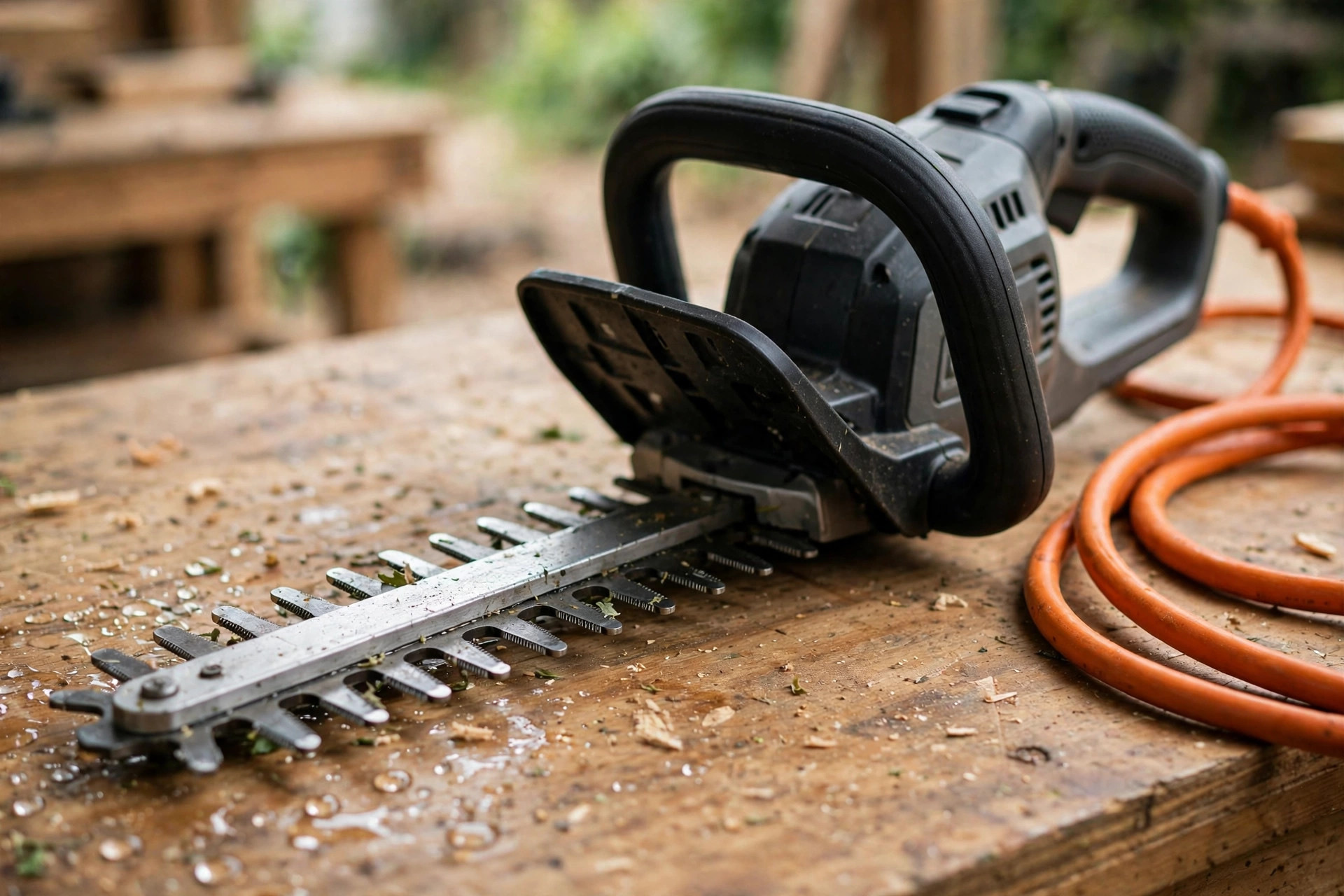
Wet use can also damage the trimmer itself badly. Water can cause corrosion and other damage forms. Damage can reach electrical components and blades too. This can result in decreased performance and a shorter lifespan for the equipment.
Understanding these dangers helps you take necessary precautions. Precautions protect your safety and your equipment longevity. Always wait for hedges to dry completely first. Store the trimmer in a dry place afterward. See how to use a gas hedge trimmer for fuel-powered alternatives instead.
Can I Use Electric Hedge Trimmer After Rain Safely?
Wet trimming requires essential safety precautions every single time. Those steps protect you and the equipment together. We discuss three important safety measures in this section. They cover inspection, RCD use, and careful handling.
Inspecting the Trimmer
Before trimming after rain, inspect the trimmer carefully first. Ensure it is in good working condition overall. Here are some simple steps to follow today.
- Check the power cord for any visible damage or wear.
- Inspect the blades for any signs of rust or dullness.
- Ensure the safety guard is intact and functioning properly.
- Verify that the handle and grip are secure and comfortable to hold.
Using a Residual Current Device (RCD)
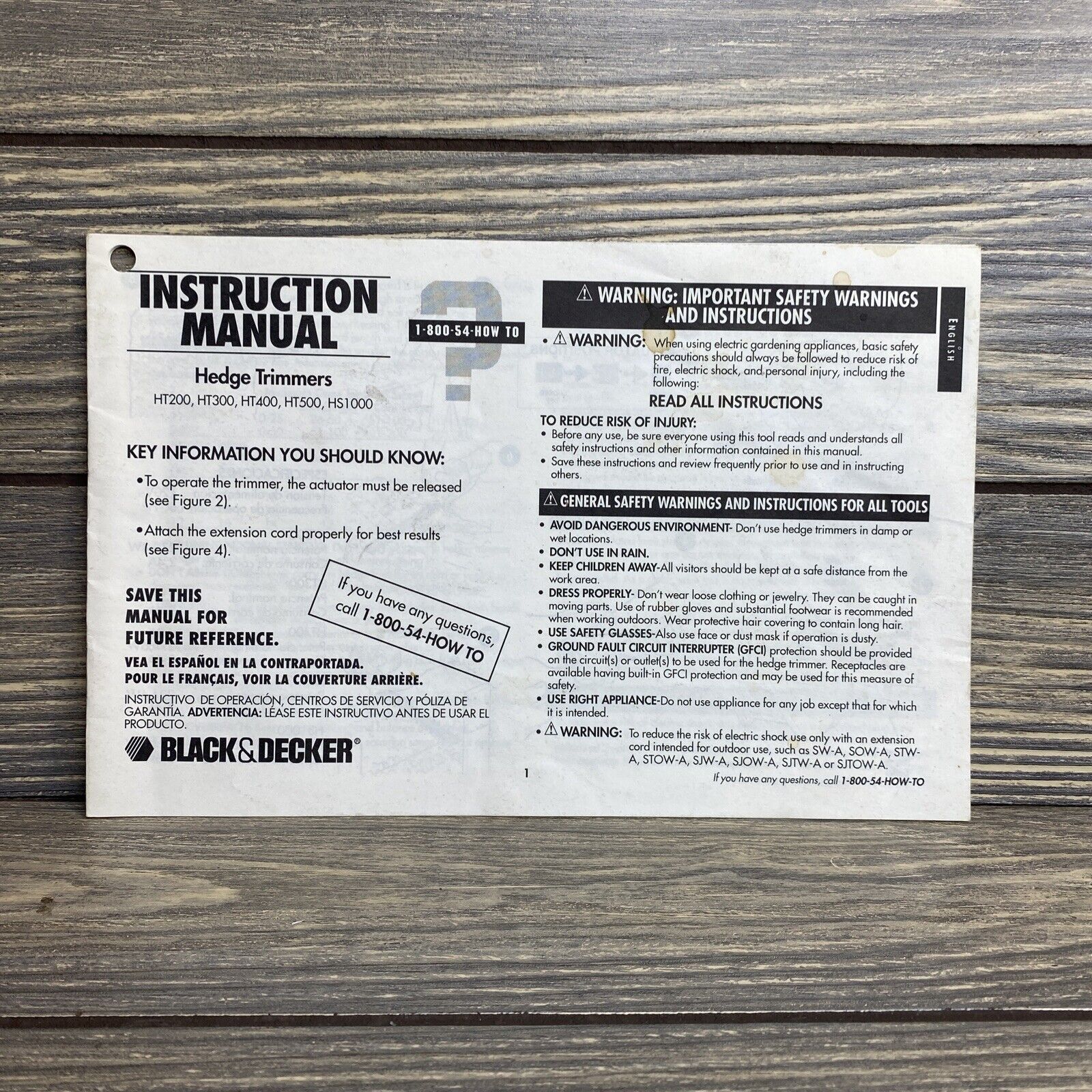
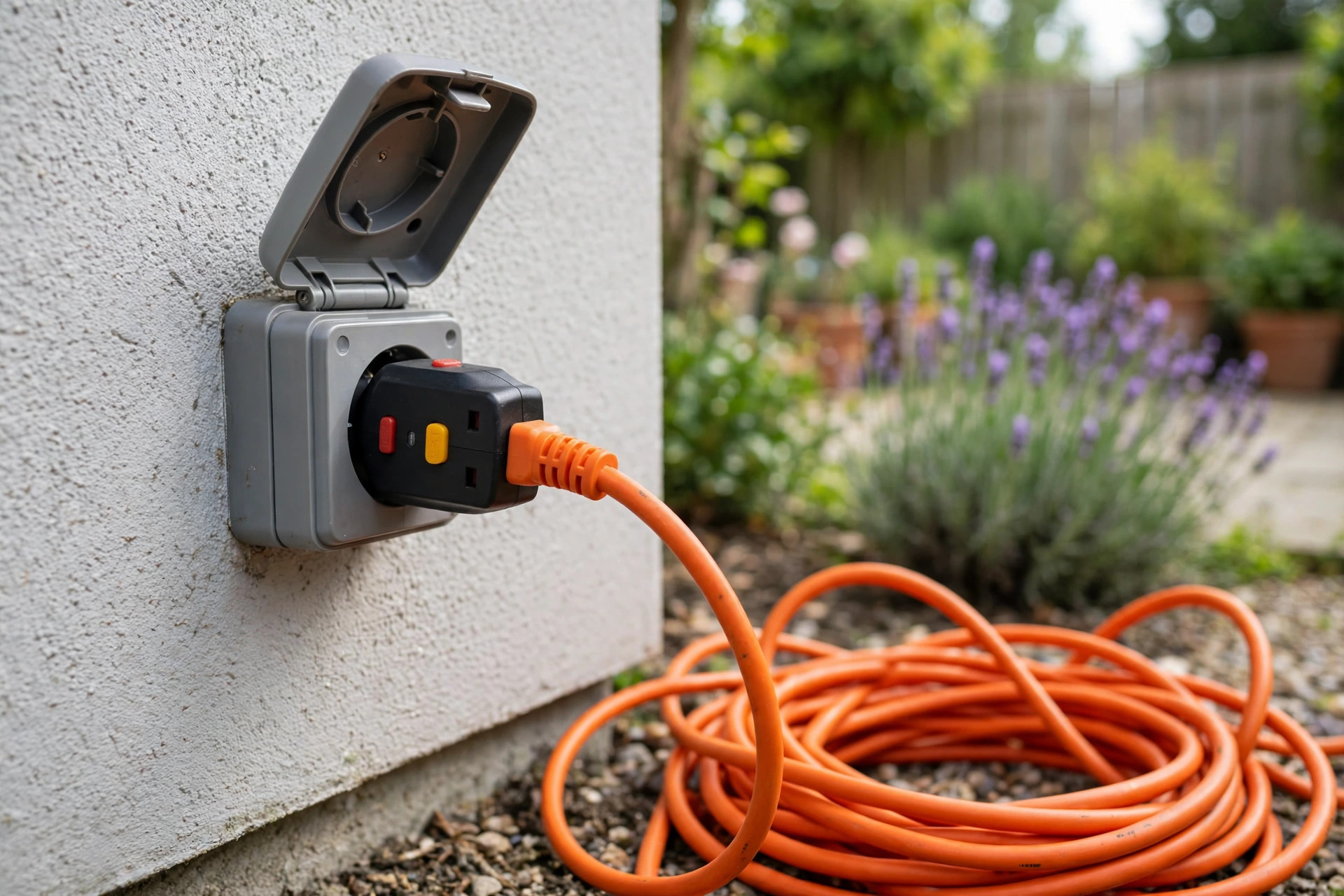
An RCD is highly recommended for electric trimming work. An RCD quickly shuts off the current fast. It acts when it detects an electrical fault. Here is how to use an RCD safely. Visit BLACK+DECKER for model manuals and support.
- Plug the RCD into a power outlet.
- Connect the electric hedge trimmer to the RCD, ensuring a secure connection.
- Test the RCD by pressing the test button before each use.
- Ensure the RCD is working correctly by verifying proper functionality.
Handling the Trimmer With Care
Proper handling is essential for your safety always. Careful handling also protects the equipment service life. Follow these simple guidelines on every garden job.
- Always hold the trimmer with both hands and maintain a firm grip.
- Keep the power cord away from the cutting area to avoid accidental cuts.
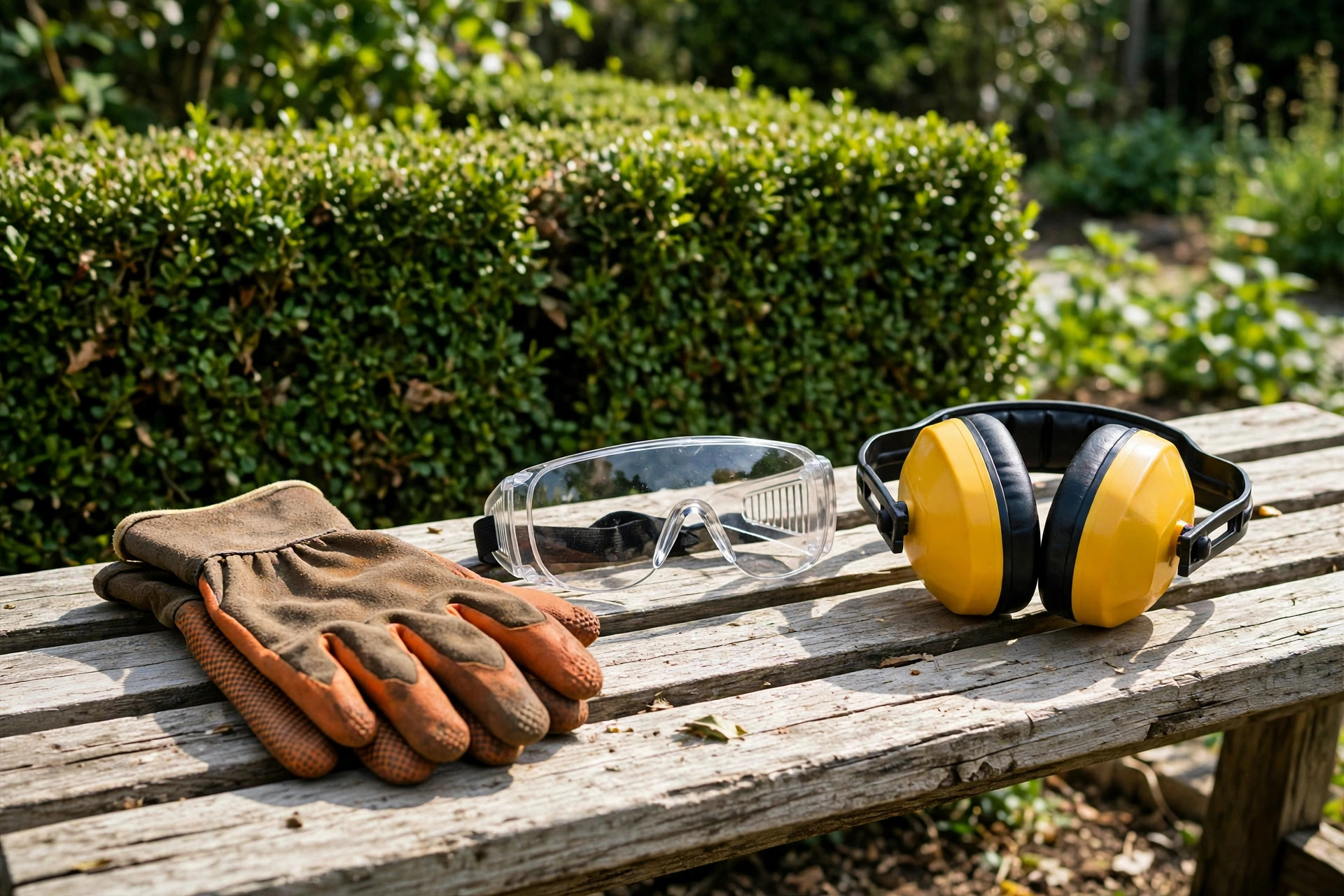
- Wear protective gloves and eye goggles to protect against flying debris.
- Avoid overreaching or using the trimmer in awkward positions that may strain your body.
By adhering to these safety precautions, you work safer. You can safely use your electric hedge trimmer after rain. You can achieve efficient and accurate results too. Remember, your well-being should always be a priority when operating any power tool.
Impact on Hedge Trimming Quality and Footing
Consider the impact on trimming quality before starting. Wet conditions can significantly affect the precision and effectiveness of hedge trimming. Hedges are difficult to trim when wet overall. Water weighs the branches down during cutting work.
Clean and precise cuts become challenging to achieve. Wet foliage tends to stick together when cut. Blades then struggle through the hedge slowly. As a result, the overall finish may not meet your expectations when trimming wet hedges.
Risk of Slippery Conditions
Another critical factor is slippery conditions after rain. Slippery ground raises the risk during trimming work. Wet surfaces can lead to slippery footing, increasing the chance of accidents and injuries.
Power tools on slippery ground pose safety hazards. You can lose control over the trimmer quickly. Loss of control risks operators and nearby people.
Prioritize safety by avoiding electric trimmers on wet ground. Wait until hedges dry thoroughly before trimming again. For tall hedges, see how to use a pole hedge trimmer for reach tips.
Expert Opinions and User Experiences
Using an electric hedge trimmer after rain concerns gardeners. Tidying hedges then may seem convenient at first. Certain precautions still need careful consideration first though. We explore expert opinions on wet trimming here.
Gardening Experts’ Recommendations
Gardening experts unanimously agree that using an electric hedge trimmer after rain is not recommended. Wet foliage plus electrical tools risks users greatly. The same mix can damage the equipment too. Wet hedges become more challenging to cut cleanly. They can lead to a less satisfactory result.
Wait until the foliage has dried completely first. Only then should you trim your hedges safely. See the EPA lawn and garden page for general garden safety.
User Experiences With Wet Hedge Trimming
Many users shared their wet trimming experiences openly. The consensus is clear for most users overall. It is best to avoid electric trimmers after rain. Wet conditions make clean cuts difficult to achieve. They also increase the likelihood of accidents greatly.
Users reported blades clogging with wet debris often. Clogs made the trimming process less efficient overall. Furthermore, operating electrical equipment in damp conditions can pose a safety hazard. Electric trimmers should ideally use an RCD device.
They should not be used in damp conditions. Placing the cable over your shoulder prevents cuts. Still, waiting for dry weather stays safest overall. Compare models in the best electric hedge trimmer guide today.
Err on the side of caution every time. Wait for hedges to dry before using trimmers. Following expert recommendations keeps you safer every time. Considering user experiences protects your equipment as well.
Alternatives to Using an Electric Hedge Trimmer After Rain
Wet trimming poses risks to you and equipment. You need not wait for rain to stop. You can still tackle your overgrown hedges today. Alternative methods help you maintain your hedges well. They need no electric trimmer at all.
We explore two alternatives in this section below. They are manual techniques and waiting for dry weather. Both options keep you off wet electric tools.
Manual Trimming Techniques
Manual trimming techniques can be a great alternative. They suit gardeners who prefer hands-on work overall. Here are a few manual trimming techniques to consider.
- Hand Pruning Shears: Pruning shears, also known as secateurs, are a handy tool for precise trimming. They allow you to selectively remove unwanted branches and shape your hedges with ease.
- Hedge Clippers: Hedge clippers are larger manual tools that are designed specifically for trimming hedges. With longer blades, they enable you to make clean cuts and shape your hedges effectively.
- Loppers: Loppers are designed for cutting large branches. If your hedges have thicker branches, using loppers can be a suitable option to trim them down to size.
Manual tools still achieve your desired hedge shape. They also maintain the health of your hedges. Just remember to regularly clean and sharpen your tools for optimal performance.
Waiting for Dry Weather
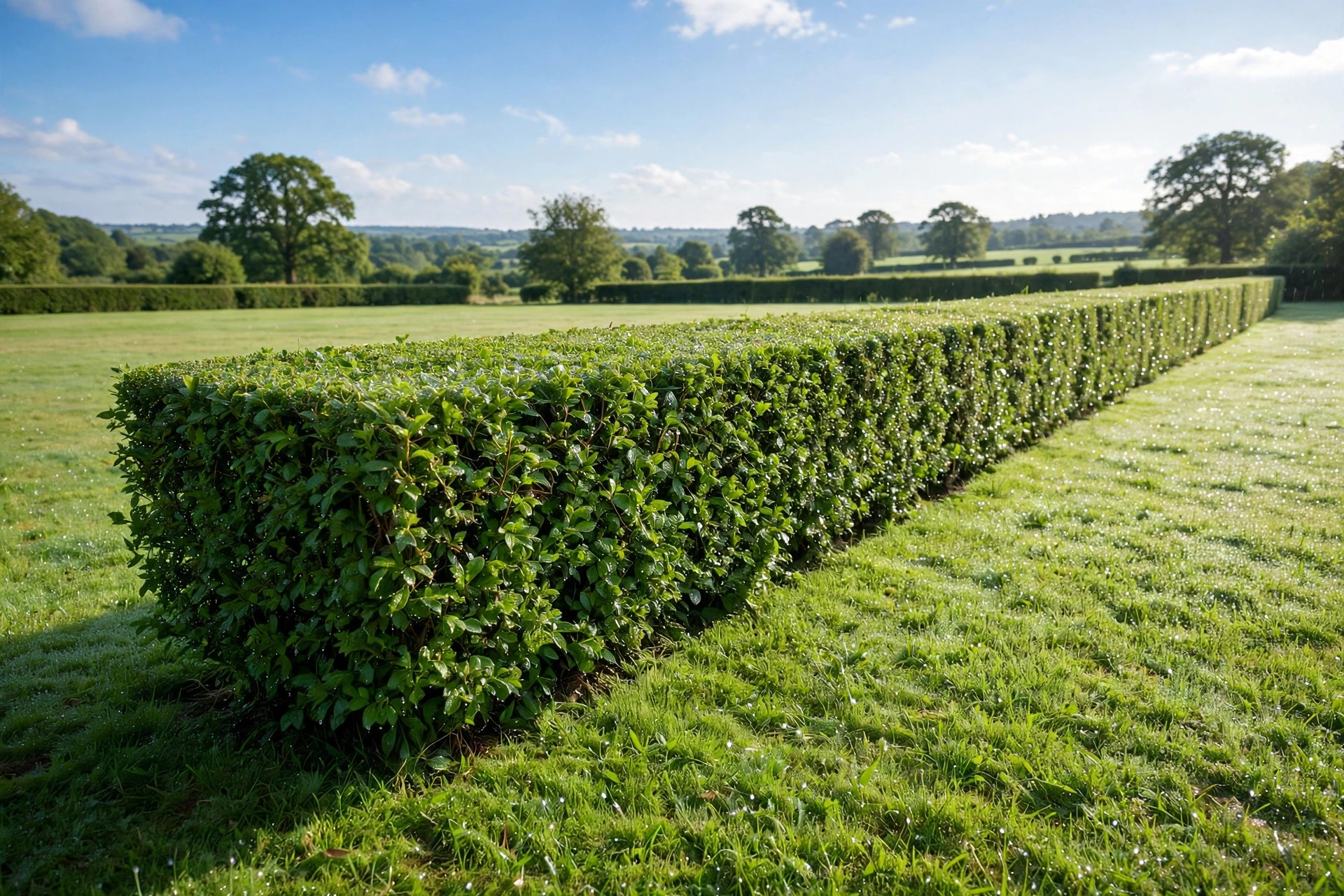
Waiting for dry weather is a simple solution. It avoids the risks of trimming after rain. Postpone trimming until hedges and surroundings are dry. Dry conditions protect you and your equipment together.
Dry weather allows better grip and maneuverability overall. Better grip minimizes accidents or trimmer damage chances. Dry vegetation is easier to work with daily. It provides cleaner cuts for tidy hedges overall.
Waiting for rain to cease requires some patience. It is a small trade-off for safety. It also protects your trimming quality every time. Patience now prevents shock risks and tool damage.
Best Practices for Dry-Day Trimming
Wet trimming raises safety and maintenance concerns overall. Adhere to safety measures during every trimming session. Consider consequences of operating trimmers in wet conditions. Summarizing safety measures helps efficient and safe trimming.

Summarizing Safety Measures
- Check the equipment for any damages or faults before use.
- Utilize residual current devices (RCDs) when using electric hedge trimmers.
- Avoid using electric yard tools in wet weather to prevent equipment damage and malfunctions.
- Secure the cable to prevent accidental cuts, and exercise caution when using the trimmer on wet surfaces.
Safety should always be a priority for you. That priority covers electrical tools like hedge trimmers. Learn how to sharpen hedge clipper blades before blades dull badly. Check can you sharpen hedge trimmer blades for sharpening limits too.
Emphasizing the Importance of Avoiding Wet Conditions
- Operating electric hedge trimmers in wet conditions may lead to reduced cutting efficiency and potential damage to the equipment.
- Wet hedges and bushes can make trimming more challenging and less effective.
- Additionally, wet surfaces can increase the risk of slipping while using the trimmer, posing a safety hazard.
| Check | When | Why |
|---|---|---|
| Cord and blades | Before every session | Spots damage before it worsens |
| RCD test | Before you plug in | Cuts power during a fault |
| Dry storage | After every session | Prevents rust and corrosion damage |
Frequently Asked Questions
Read these short answers before your next trim. They repeat the dry-weather rule in plain words. They also cover checks before every session starts.
Can You Use Electric Hedge Cutters on Wet Hedges?
Using electric hedge cutters on wet hedges is not recommended. Wet hedges can pose a serious safety risk. Wait until the weather is dry before trimming. Dry weather ensures safe operation and equipment efficiency. Always inspect the equipment for any damage before use.
Can You Trim Hedges After Rain?
Avoid trimming hedges after rain, especially when using an electric hedge trimmer. Wait for the weather to dry up before trimming for best results. Cutting wet hedges may not yield satisfactory results. Ensure your equipment is in good condition before use.
When Should You Not Use a Hedge Trimmer?
Do not use a hedge trimmer in wet conditions. Damp conditions are risky, especially for electric models. Using it in such conditions can pose a risk of electric shock. Dry weather makes hedge trimmer use much safer.
Can You Use a Hedge Trimmer on Wet Grass?
Using hedge trimmers on wet grass is not recommended. Wet grass brings damage and safety hazards too. Wait for the grass to dry before starting. Dry grass keeps your footing firm and steady.
Conclusion: Can I Use Electric Hedge Trimmer After Rain
So, can I use electric hedge trimmer after rain safely? Wait for the hedges to dry before trimming. Dry hedges ensure safety during every trimming session. Dry trimming prevents potential damage to the trimmer itself.
Prioritize safety on every single garden job always. Maintain your equipment effectively for better results too. Dry tools also store better between garden jobs. Remember to always consider the weather conditions before using your electric hedge trimmer. See how to use Black and Decker hedge trimmer for one brand guide.

I’m Patricia D. Johnson, an affiliate marketer and blogger specializing in trimmers and grooming tools. I create honest reviews, buying guides, and practical tips to help readers choose the right trimmer for their needs. With a focus on quality, performance, and value, I simplify the decision-making process so consumers can make confident purchases.