Is Thicker Trimmer Line Better
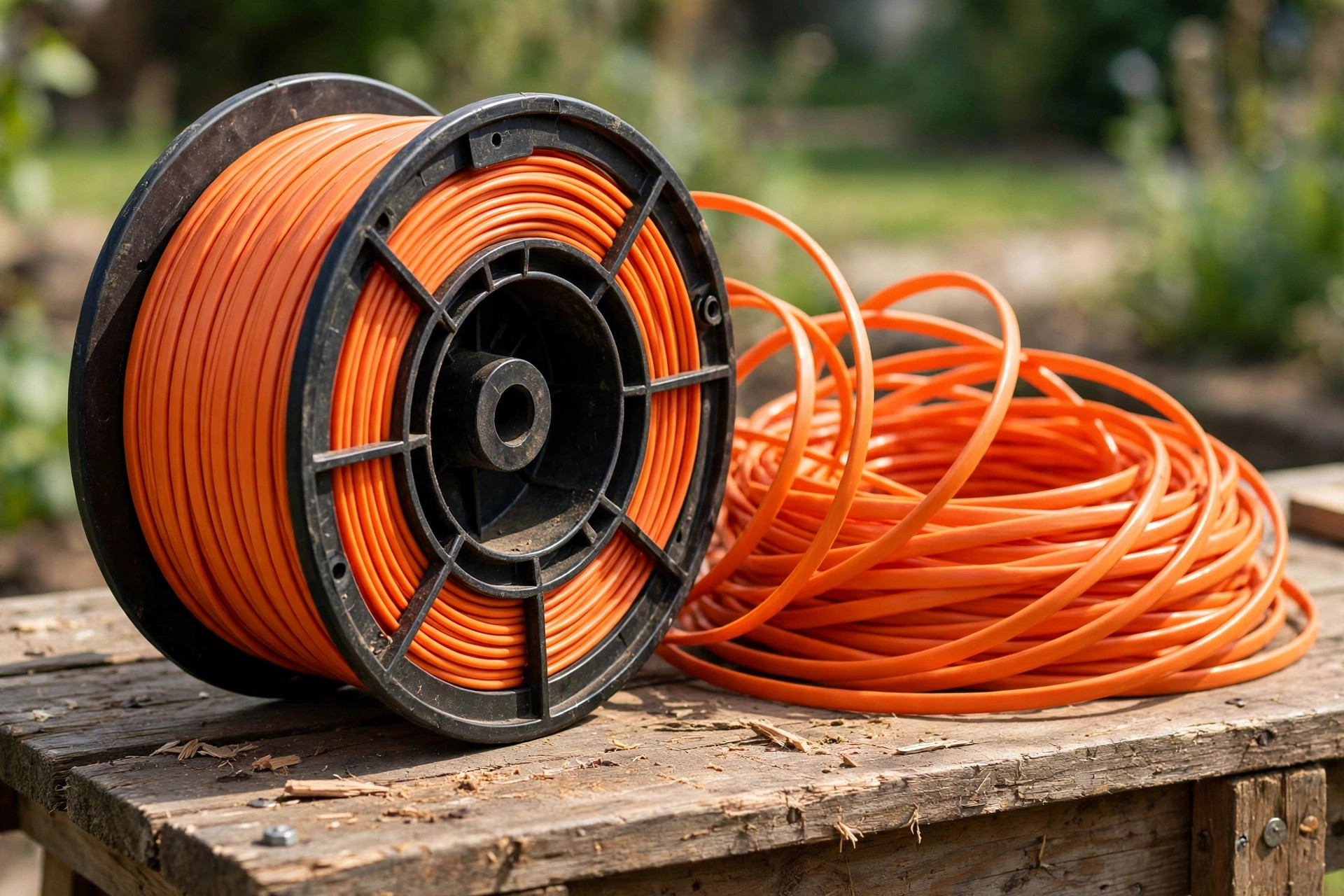
Some yard pros swear by thick line for day work. Some stay with stock sizes for light jobs. Line width shapes how well the tool cuts. The right pick makes work fast and smooth. Lots of users ask, is thicker trimmer line better?
Thick line grew in fame through long life and strength. Lines over 0.095 inches snap far less. They pledge sharp, true cuts in hard work. Pros prize long, steady runs with few stops.
Thick line suits heavy duty tasks most of all. Thin line still wins light, fine jobs with ease. Cost and trimmer strength shape the answer too. This guide weighs gains, key points, and task fit. Plain answers close it for four shared line questions.
Quick answer: Thicker line is generally better for heavy duty landscaping. Its added durability and cutting strength handle tough vegetation well. It also handles rugged terrain with fewer line replacements. However, thicker line needs more powerful equipment for best results. It can also cost more than thinner line.
- Is Thicker Trimmer Line Better
- Examining the Benefits of Thicker Trimmer Line
- Factors Influencing the Effectiveness of Trimmer Line Thickness
- Determining the Best Line Thickness for Different Landscaping Tasks
- Frequently Asked Questions
- Damage and Temperature Questions
- Conclusion: Is Thicker Trimmer Line Better
Is Thicker Trimmer Line Better
Lots of yard pros and home users ask this same thing. Thick lines bring long life and strong cut strength. They snap and fray less in hard work. Fewer snaps mean fewer spool swaps that vex you.
Thick lines give a clean cut most of the time. More width backs even cuts across the lawn. Even cuts trim the rough edges thin lines leave. See does it matter what trimmer line you use for more line pick facts.
| Feature | Thicker Line | Thinner Line |
|---|---|---|
| Durability | Breaks and frays less often | Breaks sooner on tough growth |
| Cut quality | Cleaner, more even cuts | Can leave ragged edges |
| Best work | Heavy duty, dense vegetation | Light grass, precision tasks |
| Cost | Costs more upfront | Costs less upfront |
| Power needs | Needs a stronger trimmer | Easier on smaller motors |
Thin lines suit light tasks far more. They feel light to steer in quick jobs. Plain grass work needs small line strength. The wrong width brings poor cuts and gear wear.
The best width turns on your yard tasks in full. Thick lines give long life, speed, and brute strength. They call for a strong trimmer at home too. Weigh your day-to-day jobs before you pick a line.
Examining the Benefits of Thicker Trimmer Line
Long life stands at the top of the gains list. Thick lines snap and fray far less. Fewer stops keep trim rounds smooth and swift. Read how long does trimmer line last for line life facts.
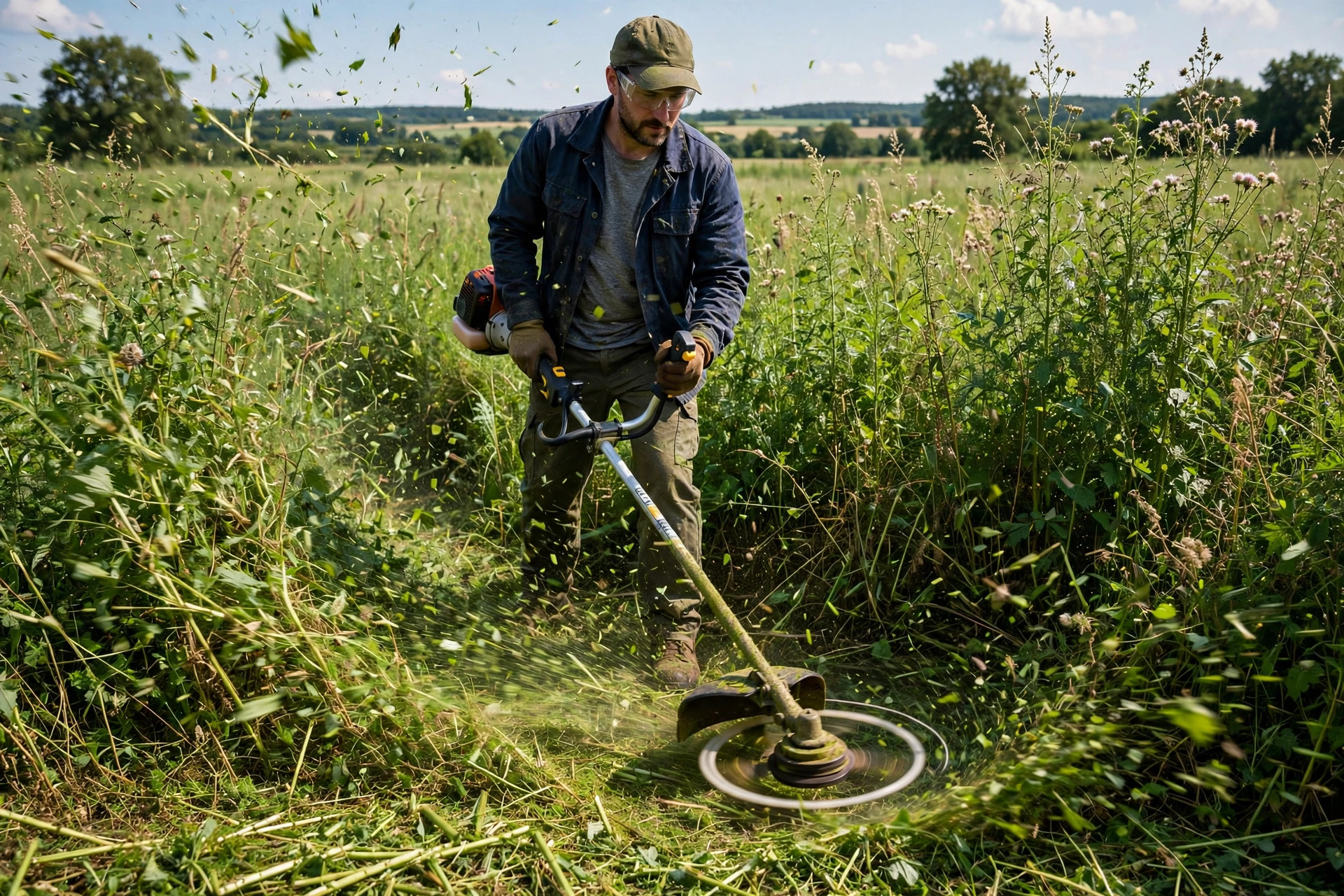
Strong cut force forms one more key gain. Thick lines cut clean through tough weeds and brush. Clean cuts leave fewer rough edges on done lawns. Lawns look neat and pro-grade after each round.
Thick lines take on mixed tasks with ease. They cut dense weed clumps and grown-out shrubs. One line spans lots of yard work stages. Fewer line swaps save time on big lots. Thick line can ease strain on your trimmer. One line does more jobs.
Rocky, rough ground shows thick line strength best. More width stands up to hits more than thin line. Less wear and tear lands on the trimmer. Fewer fixes can mean a tool that lasts years. Steady rough ground work pays back this smart buy.
Factors Influencing the Effectiveness of Trimmer Line Thickness
Plant type shapes thick line work most of all. Thick weeds and dense brush need tough line. Thin grass needs thick, pricey line at rare times. A line matched to the job keeps work strong.
Trimmer strength plays a big part here too. Thick lines need more strength to run well. Weak trimmers can strain and lose force fast. The right line match helps you gain clean results.
Your yard ground shapes line work a lot too. Rough, rocky spots wear thin lines down fast. Thick lines stay tough in such spots. They stand up to hits and need fewer swaps.
Line stuff shapes work life and cut strength too. Tough stuff lasts more years and cuts with more force. Nylon and strong blends stay top picks today. See the EPA lawn and garden page for safe yard care.
Determining the Best Line Thickness for Different Landscaping Tasks
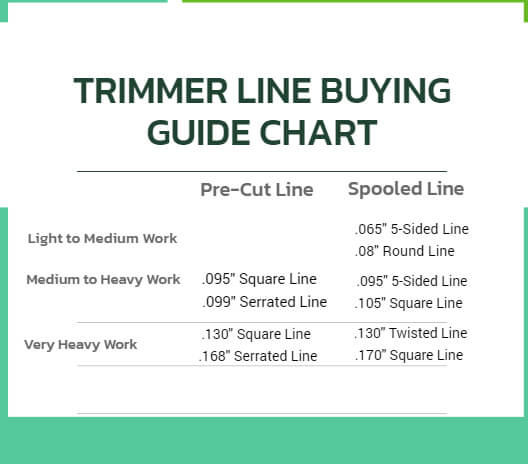
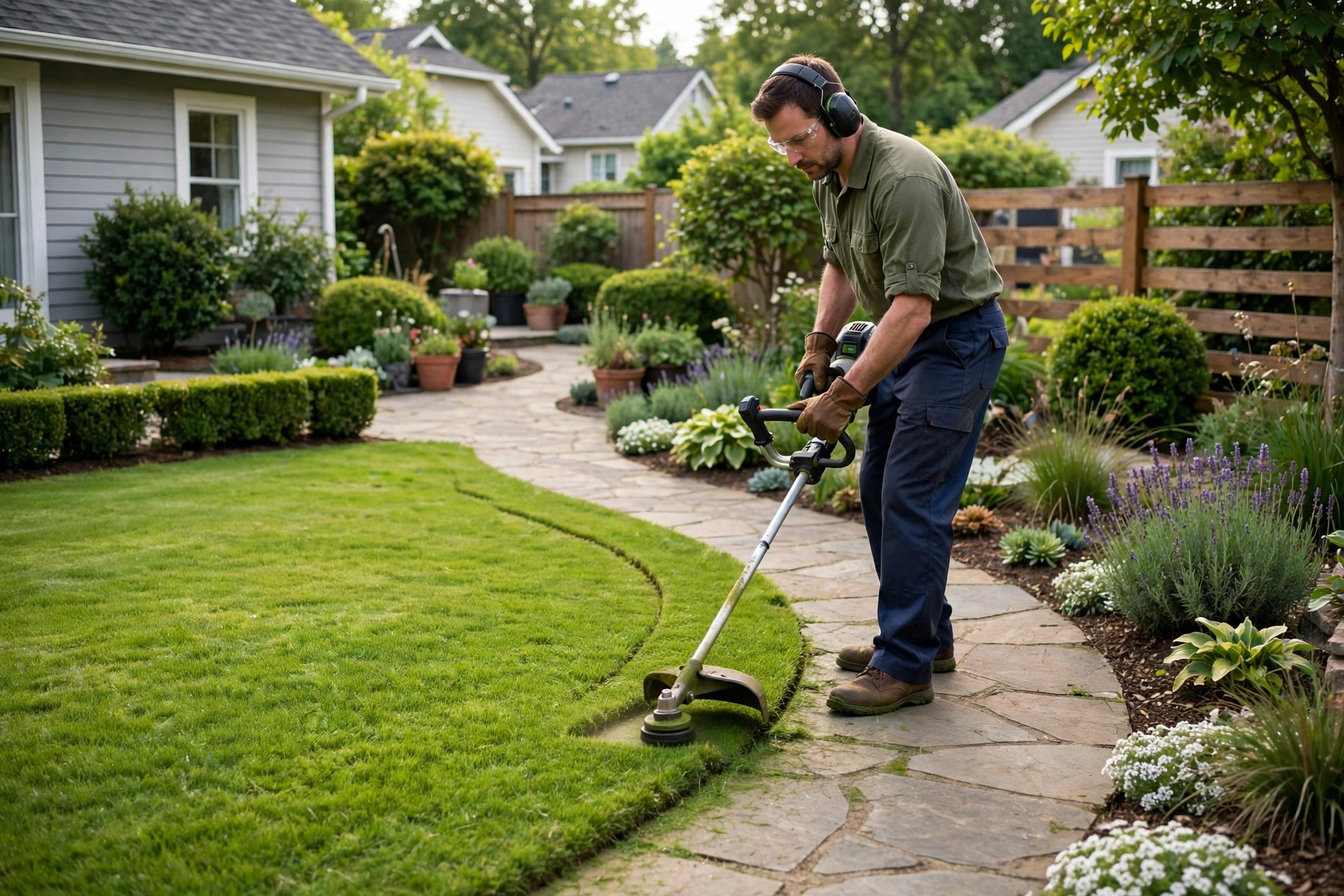
Light tasks suit thin line sizes best of all. Grass and small weeds need 0.065 to 0.080 inches. This size stays light to steer in light work. It cuts strain on your trimmer motor too.
| Task Level | Line Thickness | Best For |
|---|---|---|
| Light duty | 0.065 to 0.080 inches | Grass and small weeds |
| Medium duty | 0.080 to 0.095 inches | Edging and thicker weeds |
| Heavy duty | Over 0.095 inches | Dense weeds, brush, saplings |
Mid tasks need a mid line size in its place. Edge work and thick weeds suit 0.080 to 0.095 inches. This range pairs long life with good flex. Most shared yard tasks run well on it.
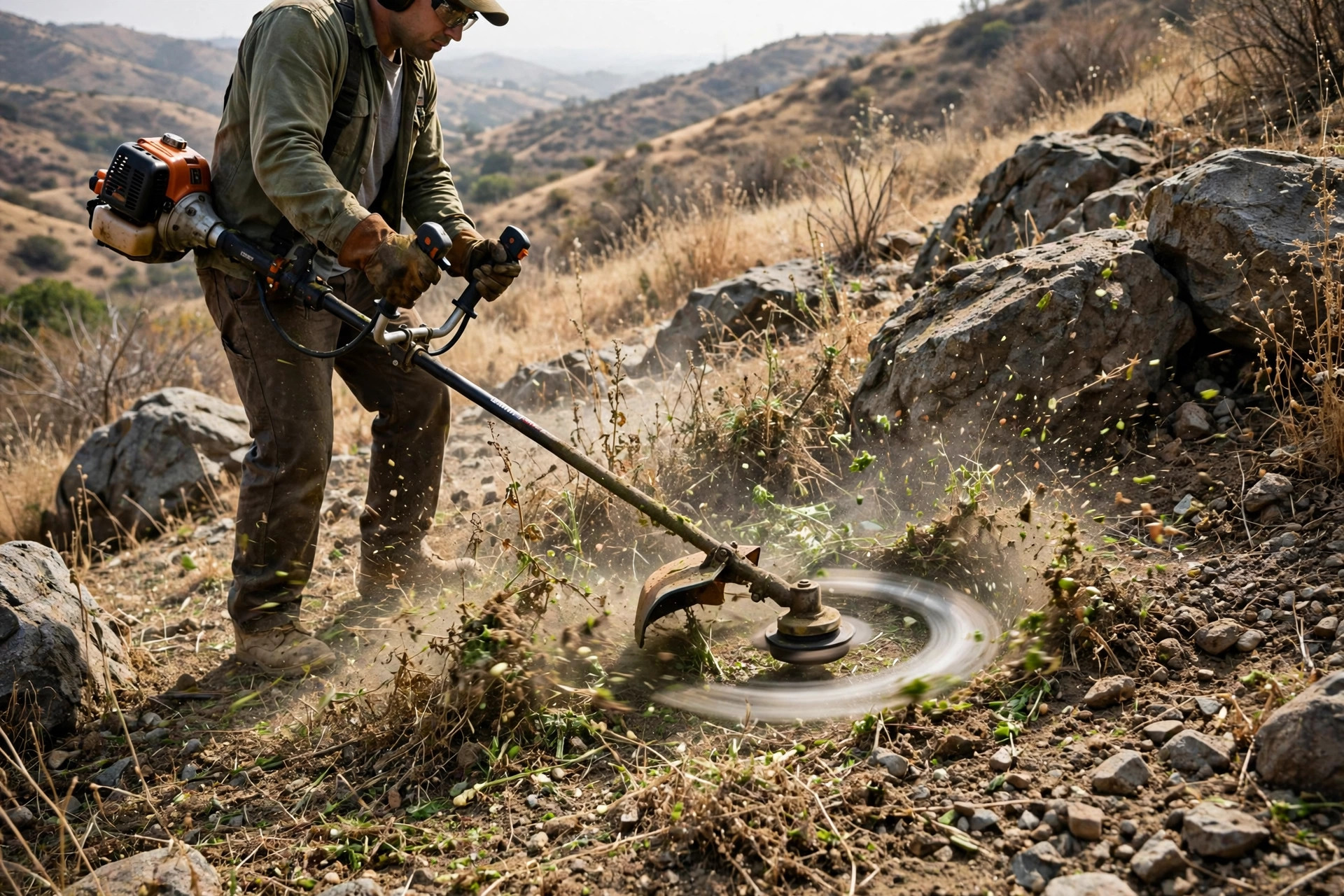
Heavy tasks call for the thick lines on sale. Lines over 0.095 inches cut dense brush well. They take on small saplings in clear-out work too. Pros trust them for the most hard yard jobs. Strong line does hard work.
Stuff grade counts next to width for each job. Strong nylon and heavy blends work quite well. Good stuff lasts more years on hard tasks. It cuts snaps and frays in work too.
Check your book for the line width it names first. Some trimmers can not take thick lines at all. Wrong width can hurt work or harm your gear. Follow STIHL USA for true maker facts on the web. Weigh picks in how to choose trimmer line before you buy line.
Frequently Asked Questions
These four questions cover thin line gains and base facts. The answers take on shapes, harm risks, and heat effects. Read how to replace trimmer line before your next line swap.
What are the advantages of using a thinner trimmer line?
Thin lines feel light to steer and move. That steer ease suits fine tasks near soft spots. They ask less of the trimmer motor too. Less motor strain can stretch gear work life.
Thin lines cost less for most buyers too. They use less stuff in each spool. Heavy work tops their strength quite fast though. Neat edges and small yards suit them best.
How does the shape of a trimmer line affect its performance?
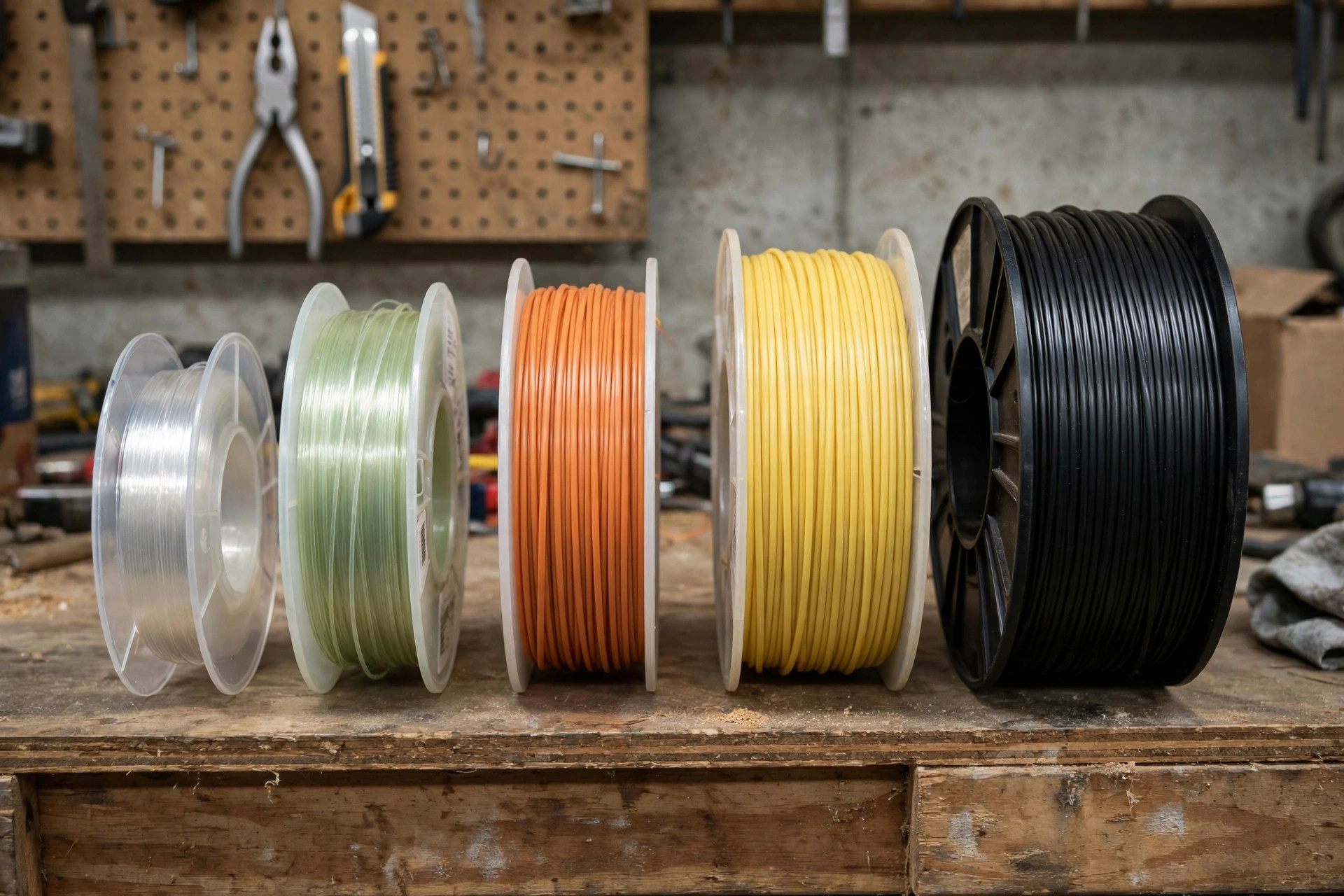
Line shape shapes cut speed and line life a lot. Round lines stay wide-use and quite tough. They may cut less clean than the rest. Weigh shapes in is twisted trimmer line better for twist facts.
Twist and square lines give sharp cuts too. Sharp cuts suit thick weeds and tough tasks. Serrated and star lines add more cut faces. Dense weeds meet more edges on each pass.
Damage and Temperature Questions
Harm and heat questions count before line swaps. Wrong picks can harm tools and raise costs. Plain checks stop most width faults quite fast.
Can using the wrong thickness of trimmer line damage my equipment?
Wrong width can harm your gear in truth. Thick lines call for more trimmer strength. Weak motors can strain too hard and break. Strain can cut the work life of the tool.
Too-thin line wears out fast in its place. More swaps add costs that the right pick stops. Matched width keeps tools at work more days. Careful match guards work grade and gear life.
Does temperature affect how quickly a trimmer line wears out?
Heat makes trimmer line wear out more fast. Hot summer days speed wear in the warm south. Cold days lower wear risks for stored line. Store care counts in each part of the land.
Cool, dry spots guard line life best of all. Good store care draws full worth from each spool. Learn how to store a string trimmer for plain store steps. Check does string trimmer line go bad before you use old line.
Conclusion: Is Thicker Trimmer Line Better
The right line width keeps yard work swift and strong. Thick lines shine at heavy duty work. Thin lines stay just right for fine tasks each day. Each width holds gains and clear limits too. Width matched to task makes work its best.
Weigh plants, trimmer strength, and ground before you buy. Smart picks guard gear life and lift results. Check your book for the line width it names. Right picks bring speed and joy to yard work. So, is thicker trimmer line better for you?

I’m Patricia D. Johnson, an affiliate marketer and blogger specializing in trimmers and grooming tools. I create honest reviews, buying guides, and practical tips to help readers choose the right trimmer for their needs. With a focus on quality, performance, and value, I simplify the decision-making process so consumers can make confident purchases.