
In the realm of landscaping, the right line size can make or break your job efficiency. A Stihl trimmer is a powerful tool, but it needs the correct line size to perform optimally. Choosing the wrong line can lead to unnecessary wear on your equipment and subpar results in your yard.
Stihl recommends different line sizes depending on the trimmer model and the nature of the work. For light trimming, a .080-inch line suffices, but for heavier brush, you might need a .105-inch line. Historically, the line thickness directly correlates to the machine’s performance and longevity, offering a practical solution to various trimming challenges.
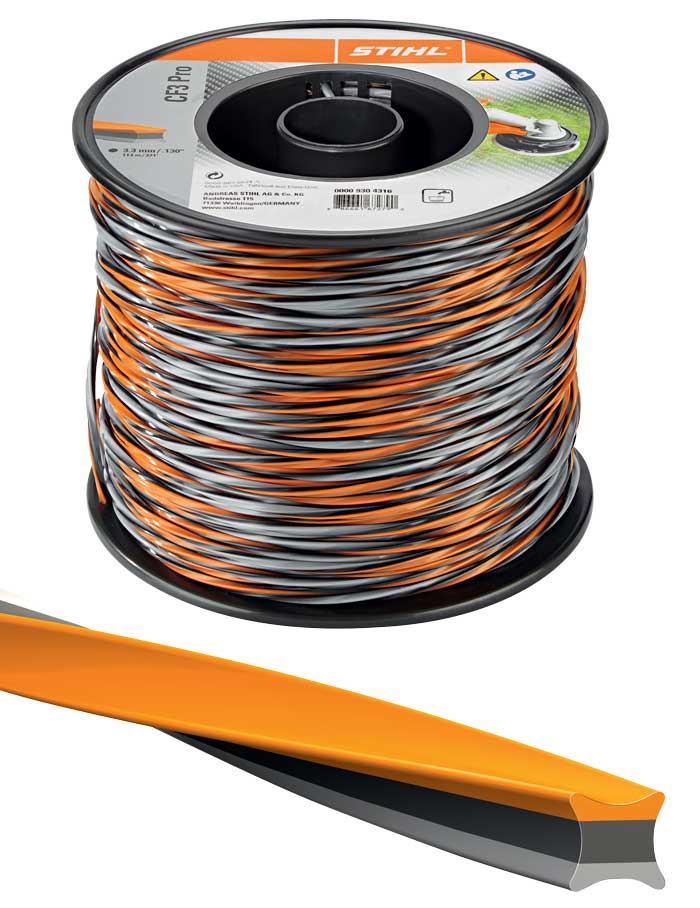
Source: arcolawn.com
Importance of Correct Line Size for Stihl Trimmer
Using the correct line size for your Stihl trimmer is essential for optimal performance. When the line is too thin, it can break easily, leading to frequent replacements. Conversely, a line that is too thick may strain the trimmer’s motor. This not only wears out the machine but also results in inefficient trimming. For consistent and effective trimming, matching line size to the trimmer model is crucial.
The manufacturer’s recommendations often provide the best guidance on line sizes. Each model has specific requirements that ensure it runs smoothly. Following these guidelines can prolong the life of your equipment. According to this post, maintaining the right line size ensures that your trimmer performs efficiently over time.
Choosing the wrong line size can also impact safety. For example, an oversized line may cause the trimmer head to vibrate excessively. This not only makes it harder to control but can also lead to accidents. Ensuring you have the correct line size helps maintain a safer work environment, reducing the risk of mishaps.
Moreover, the type of task you’re doing should influence your choice of line size. Light trimming tasks typically require a thinner line, while tougher jobs may need a thicker one. According to the article, selecting the proper tools and accessories for specific tasks greatly enhances efficiency and safety. Balancing these factors allows you to get the best results from your Stihl trimmer.
Effects of Incorrect Line Size on Trimmer Performance
Using an incorrect line size in your Stihl trimmer can negatively impact its performance. If the line is too thick, the trimmer may struggle to spin it at the necessary speed. This can lead to poor cutting efficiency, leaving your yard looking uneven. Moreover, the extra strain can wear out the motor faster, reducing the lifespan of your trimmer. Not adhering to recommended line sizes can result in costly repairs.
Conversely, a line that’s too thin for the job at hand can break frequently. This forces you to stop and replace the line often, resulting in wasted time and effort. According to this post, using old or incorrectly sized trimmer lines can also cause the line to curl up, further reducing its efficiency. Regularly checking and replacing the line can help maintain optimal performance.
Improper line size can also affect the quality of your trimming work. For example, a line that’s too thin won’t provide the needed force to cut through tough weeds and thick grass. Conversely, a thick line can tear through fine grass and delicate plants, damaging your lawn. Balancing line size with the task ensures cleaner cuts and a more polished look.
Additionally, the vibration caused by an incorrect line size can make the trimmer harder to control. This not only increases user fatigue but can also pose safety risks. With the right line size, the trimmer operates more smoothly and efficiently. Keeping your trimmer well-maintained and using the correct line size promotes better performance and safer use.
Recommended Line Sizes for Different Stihl Trimmer Models
Choosing the right line size for your Stihl trimmer model is crucial for optimal performance. For the Stihl FS 38, a light-duty trimmer, a .065-inch line works perfectly. It is ideal for trimming soft grass and small weeds. A thicker line would be too much for this lightweight model. This ensures you are not overburdening the machine.
Moving to the mid-range models like the Stihl FS 56 RC-E, a .080-inch line is recommended. This size is suitable for medium to heavy trimming tasks, offering a balance between flexibility and strength. It can handle tougher grass and moderate brush without breaking easily. Using this line size helps extend the life of the trimmer. It also ensures consistent cutting performance.
For more heavy-duty tasks, the Stihl FS 91 R benefits from a .095-inch line. This thick line can cut through dense brush and thick weeds with ease. The powerful motor of the FS 91 R can handle this size without strain. It is designed for professional landscapers and those with large properties. This line size helps maximize the trimmer’s capabilities.
Here’s a quick summary in table form for easy reference:
| Model | Recommended Line Size |
|---|---|
| Stihl FS 38 | .065-inch |
| Stihl FS 56 RC-E | .080-inch |
| Stihl FS 91 R | .095-inch |
Implications of Line Size on Trimmer Efficiency and Longevity
Choosing the right line size affects a trimmer’s efficiency significantly. A line that is too thin may break frequently, requiring constant replacements and slowing down the trimming process. This interruption can be frustrating and time-consuming. Additionally, thin lines may not cut effectively, especially in thicker grass. To maintain a smooth and efficient operation, the correct line size is essential.
On the other hand, using a line that is too thick can place extra strain on the trimmer’s motor. This overworking can lead to overheating, causing the motor to wear out faster. In the long run, this reduces the lifespan of the trimmer. It might seem like a thicker line would perform better, but it can actually do more harm than good. Proper line size helps ensure the trimmer runs efficiently for its full intended lifespan.
The impact of line size on fuel consumption is another important factor to consider. Trimmers with undersized or oversized lines often work harder, consuming more fuel. This not only increases operational costs but also contributes to more frequent refueling sessions. A well-matched line size optimizes fuel usage, making the trimmer more economical to operate. This results in fewer stops and more continuous work time.
Matching the line size with the trimmer’s specifications also affects the quality of the trim. Incorrect line sizes can result in uneven cuts, making the lawn look untidy. Professionals often recommend using the manufacturer’s guidelines to choose the right line size. This ensures a clean and uniform cut, enhancing the visual appeal of the trimmed area. Consistency in trimming results is vital for maintaining aesthetic standards.
Furthermore, safety is a concern when using incorrect line sizes. A line that is too thick can cause the trimmer to vibrate excessively, leading to reduced control and potential accidents. Conversely, a thin line may not clear debris effectively, posing hazards for the operator. Maintaining the proper line size helps keep the trimmer safe to use. It ensures a stable and comfortable operation, minimizing risks.
Frequently Asked Questions
Welcome to our FAQ section about Stihl trimmers! Here, we address common questions to help you get the most out of your equipment.
1. How often should I replace the line on my Stihl trimmer?
The frequency of line replacement depends on usage and the type of vegetation being trimmed. For heavy use in thick, tough brush, you may need to replace the line more often. Light, occasional trimming may require less frequent changes.
Typically, inspect your trimmer line before each session. If it appears worn or breaks frequently, it’s time for a replacement. Regular checks ensure optimal performance and prevent unnecessary strain on your trimmer.
2. Can I use any type of trimmer line with my Stihl trimmer?
It is best to use a trimmer line recommended by Stihl for your specific model. Using non-recommended lines can affect performance and possibly damage the trimmer. Different models may require different types or sizes of lines.
Refer to your owner’s manual for compatible options. Following these guidelines will ensure efficient operation and prolong the life of your equipment.
3. What are the benefits of using a thicker trimmer line?
A thicker trimmer line is more durable and less prone to breaking during tough jobs. It can handle dense weeds and heavy undergrowth better than thinner lines, providing cleaner cuts with fewer interruptions.
However, thicker lines may put more strain on the motor if not suitable for your model. Always consult your manual to determine the best thickness for both efficiency and longevity.
4. Why does my Stihl trimmer vibrate excessively during use?
Excessive vibration can be caused by several factors including an incorrect line size or uneven wear on the cutting head. Be sure you’re using the recommended line size for your model to avoid imbalance issues that cause vibration.
If vibrations persist despite correct usage, inspect other parts like spool and head assembly for wear or damage. Replacing worn-out components might mitigate vibrations effectively.
5. Is it necessary to soak a new trimmer line in water before use?
Soaking new nylon trimmer lines in water can make them more flexible and less likely to snap during use. This practice helps improve durability especially if stored in dry conditions which might make them brittle.
A 24-hour soak is usually sufficient before installation into your Stihl trimmer head but always check manufacturer’s advice as this may vary based on specific products used.
Conclusion
Choosing the correct line size for your Stihl trimmer is crucial for achieving optimal performance and extending the life of your equipment. Using the wrong size can lead to inefficiency, increased wear, and even potential safety risks. Always refer to the manufacturer’s guidelines for the best results.
Regular maintenance and proper line selection ensure your trimmer operates smoothly and effectively. By understanding the implications of line size, you can tackle any trimming task with confidence. This not only saves time and effort but also contributes to a beautifully maintained landscape.

I’m Patricia D. Johnson, an affiliate marketer and blogger specializing in trimmers and grooming tools. I create honest reviews, buying guides, and practical tips to help readers choose the right trimmer for their needs. With a focus on quality, performance, and value, I simplify the decision-making process so consumers can make confident purchases.