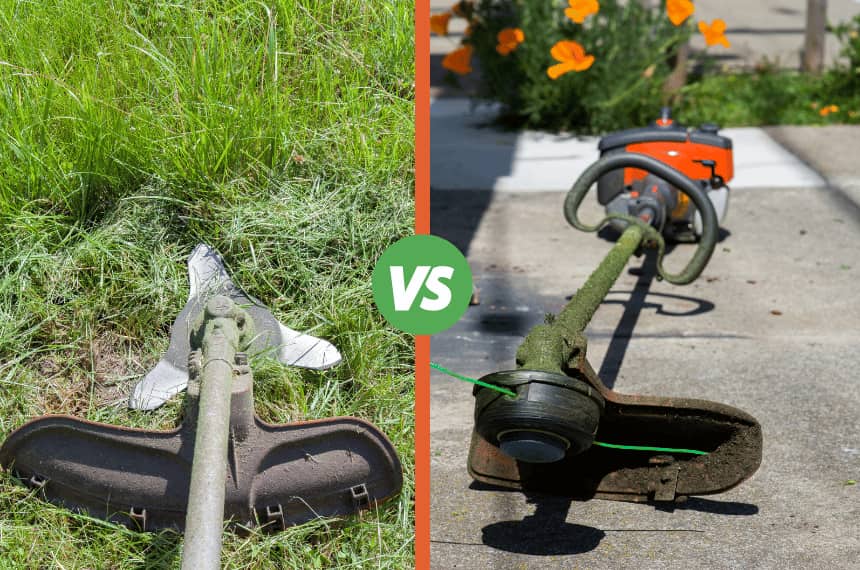
Ever wondered why gardens across the world remain impeccably trimmed? In Australia, the term ‘whipper snipper’ is synonymous with lawn maintenance. You might be surprised to learn that this common garden tool is known elsewhere as a line trimmer. Both terms refer to the same indispensable gardening device.
The line trimmer, or whipper snipper as it’s locally called, has a fascinating history. Originating from the 1970s in the U.S., its design was inspired by car wash brushes. Today, nearly 90% of households utilize some form of this tool, underscoring its global necessity and ubiquity. Whether you call it a whipper snipper or a line trimmer, its function remains the same—ensuring every edge of your garden is pristinely maintained.

Source: b-cdn.net
Is a Line Trimmer a Whipper Snipper: Unraveling the Terminology
Did you know that ‘whipper snipper’ is just another name for ‘line trimmer’? In Australia, the term ‘whipper snipper’ is commonly used to describe what many people in other countries call a line trimmer. Despite the different names, both tools perform the same essential gardening duties. People often wonder if there’s a difference between the two, but the reality is, they’re the same. This distinction primarily comes down to regional language preferences.
The invention of the line trimmer dates back to the 1970s in the United States. It was designed to make it easier to trim grass and weeds in hard-to-reach places. Over time, the name ‘whipper snipper’ became popular in Australia, probably because it’s catchy and easy to remember. According to this article, these tools have become indispensable for maintaining neat lawns and gardens.
Whether you call it a line trimmer or a whipper snipper, the tool’s functionality remains the same. Both use a rapidly spinning plastic line to cut grass and weeds. They are lightweight, easy to handle, and excellent for manicuring lawn edges and tight spots. Most models today are electric or battery-powered, though gasoline-powered versions are still available. Their primary goal is making yard work quicker and more efficient.
For those wondering how to store this versatile tool, there are several practical ways to do so. It’s essential to keep your line trimmer in a dry, secure place to prolong its lifespan. According to this post, storing it properly can also save you space and maintain its effectiveness. Some people use wall hooks, while others prefer floor stands or custom storage cabinets. Ensuring proper storage can keep your yard trimmer in top shape for years to come.
Origins and Evolution of the Terms
The line trimmer, known by many as the weed eater, has an interesting origin story. Invented in the 1970s by George Ballas in Houston, Texas, it changed lawn care forever. Ballas got the idea from the spinning motion of car wash brushes. He used fishing line attached to a tin can to create his first prototype. This simple yet ingenious invention laid the groundwork for the modern line trimmer.
As this tool gained popularity, different regions coined their own names for it. In Australia, the term “whipper snipper” emerged. This name stuck due to its catchy and easy-to-remember nature. On the other hand, other places like the United States stuck with “line trimmer” or “weed eater.” Despite the different names, the functionality remained the same.
Talking about its evolution, the line trimmer has seen numerous improvements over the years. Initially, it was powered by gasoline engines, making it quite heavy and loud. Today, electric and battery-powered models are more common, offering quieter and more environmentally friendly options. These advancements have made the tool much more user-friendly and accessible to everyone.
For those still confused about the different names, this expert opinion clarifies that both terms describe the same tool. The variation is mainly due to regional language preferences. Ultimately, whether you call it a line trimmer or whipper snipper, it remains an indispensable tool in maintaining a tidy garden.
Key Features and Functions of Line Trimmers and Whipper Snippers
The line trimmer, often called a whipper snipper, is designed for precision lawn care. One of its standout features is the rapidly rotating nylon line that cuts through grass and weeds. This makes it ideal for trimming around obstacles like trees, fences, and flowerbeds. The tool is lightweight, making it easy to maneuver. It’s perfect for reaching those tricky spots that lawnmowers might miss.
Modern line trimmers come with various power options to suit different needs. You can choose between electric, battery-powered, and gasoline models. Electric models are great for small yards, offering a quieter and fume-free operation. Battery-powered trimmers add the benefit of freedom from cords. Gasoline trimmers provide powerful performance, suitable for larger areas or tougher jobs.
Another appealing feature is the adjustable handle, which enhances comfort during use. Some models include telescoping shafts to adjust the height. This ensures that users of different sizes can operate the tool comfortably. Additionally, many trimmers have a guard to protect the user from debris. These features collectively make it a user-friendly and efficient tool.
Line trimmers also offer different cutting widths to adapt to various tasks. Some include interchangeable cutting heads for added versatility. Here’s a list of common features found in high-quality models:
- Rotating nylon line
- Adjustable handle
- Guard to protect from debris
- Various power options
- Interchangeable cutting heads
These features contribute to making lawn care easier and more precise.
The Ubiquity and Uses of Line Trimmers, aka Whipper Snippers, in Gardening
Line trimmers, popularly called whipper snippers, are common in gardens worldwide. These versatile tools are essential for maintaining clean and tidy outdoor spaces. They are excellent for trimming grass in places where lawnmowers can’t reach. Gardeners appreciate their ability to make precise cuts around edges and obstacles. Their widespread use highlights their practicality and efficiency.
In residential gardening, line trimmers are indispensable. Homeowners use them to keep their lawns looking neat and well-groomed. These tools make it easy to manage overgrown grass along driveways, sidewalks, and garden borders. They are also handy for trimming around trees, flower beds, and other garden features. This ease of use has made them a favorite among gardening enthusiasts.
For commercial landscaping, line trimmers are equally vital. Professional landscapers rely on these tools for large-scale lawn maintenance. They enable workers to quickly clean up edges and tight spots that mowers miss. This helps in maintaining the aesthetic appeal of public parks, school grounds, and business premises. Their efficiency in large areas makes them a go-to tool for professionals.
Line trimmers also offer versatility through various attachments and accessories. Some models come with interchangeable heads for different tasks. These can include hedge trimmers, edgers, or brush cutters. This expands their functionality beyond just trimming grass. The adaptability of these tools makes them suitable for a range of gardening activities.
Many gardeners prefer line trimmers for their lightweight design and ease of use. They are simple to operate, requiring minimal effort and skill. This makes them accessible to both novice and experienced gardeners. The convenience of these tools saves time and effort in garden maintenance. Their user-friendly nature ensures they remain a popular choice.
In community gardening projects, line trimmers play a crucial role. They help volunteers keep communal spaces well-maintained and inviting. These tools are key in the upkeep of shared gardens, parks, and public green spaces. Their ability to handle different terrains makes them invaluable in such settings. By using line trimmers, community efforts in gardening become more efficient.
Frequently Asked Questions
Get answers to some of the most common questions about line trimmers, also known as whipper snippers. Learn more about their uses, maintenance, and features.
1. What are the benefits of using a line trimmer?
Line trimmers offer several advantages for garden maintenance. They are lightweight and easy to handle, making them suitable for precision work around garden edges and obstacles. These tools also provide flexibility in trimming hard-to-reach areas where lawn mowers can’t go.
Modern models come with various power options, including electric, battery-powered, and gasoline engines. This versatility allows users to choose a model that best suits their needs. Overall, line trimmers make yard work quicker, easier, and more efficient.
2. Can a line trimmer be used for edging?
Yes, a line trimmer can be used for edging along sidewalks and driveways to create clean lines. Some models include an adjustable head or additional attachments specifically designed for this purpose.
This added functionality makes them versatile gardening tools capable of performing multiple tasks. Many gardeners appreciate the dual utility provided by a single tool.
3. How often should you maintain your line trimmer?
The frequency of maintenance depends on how often you use your line trimmer. Regularly check the cutting line and replace it when worn out. Additionally, inspect other parts like the air filter (if it has one) and clean it periodically.
If you have a gasoline-powered model, ensure timely oil changes and keep an eye on fuel levels. For electric or battery-operated models, check batteries regularly and ensure they are fully charged before use.
4. How do I choose between electric and gas-powered models?
Your choice between electric and gas-powered models depends on your specific needs. Electric models are quieter, lighter, and easier to maintain but may lack power for larger jobs.
Gasoline-powered models offer robust performance ideal for extensive lawns but require more upkeep due to their engine components. Consider factors like garden size and ease of use when making your decision.
5. What safety precautions should you take while using a line trimmer?
Always wear protective gear such as gloves, goggles, and long sleeves to protect yourself from flying debris. Ensure children and pets are kept at a safe distance while operating the tool.
Avoid using a line trimmer in wet conditions to prevent electrical hazards if you’re using an electric model. Always read the user manual thoroughly before starting any operation to understand all safety measures required.
Conclusion
Line trimmers, whether called whipper snippers or weed eaters, are essential tools for maintaining a tidy garden. Offering versatility and efficiency, they make trimming around edges and tight spots straightforward. Their different power options cater to various user needs, making garden maintenance accessible for everyone.
Choosing the right model and understanding its features can significantly enhance your gardening experience. Regular maintenance ensures long-lasting performance and safety. With these tools in your arsenal, achieving a well-manicured lawn becomes an effortless task.

I’m Patricia D. Johnson, an affiliate marketer and blogger specializing in trimmers and grooming tools. I create honest reviews, buying guides, and practical tips to help readers choose the right trimmer for their needs. With a focus on quality, performance, and value, I simplify the decision-making process so consumers can make confident purchases.