
One of the most frustrating moments for any landscaping professional is the unexpected jam of a trimmer line. Studies have shown that over 60% of line jamming issues are due to improper line winding. This minor detail can lead to significant downtime and hinder productivity.
Understanding the mechanics behind the trimmer line can provide insights into preventing jams. The history of line trimmers reveals that advancements in line material and spool design have drastically reduced jamming incidents. Experts recommend regularly checking the spool for wear and ensuring the line is wound tightly without overlaps, which reduces friction and potential stoppages.
- Wind the trimmer line tightly and evenly on the spool.
- Regularly clean the spool to remove debris and grass clippings.
- Use high-quality, recommended line material and thickness.
- Inspect and replace worn or damaged parts immediately.
- Avoid trimming in wet conditions to reduce strain on the line.
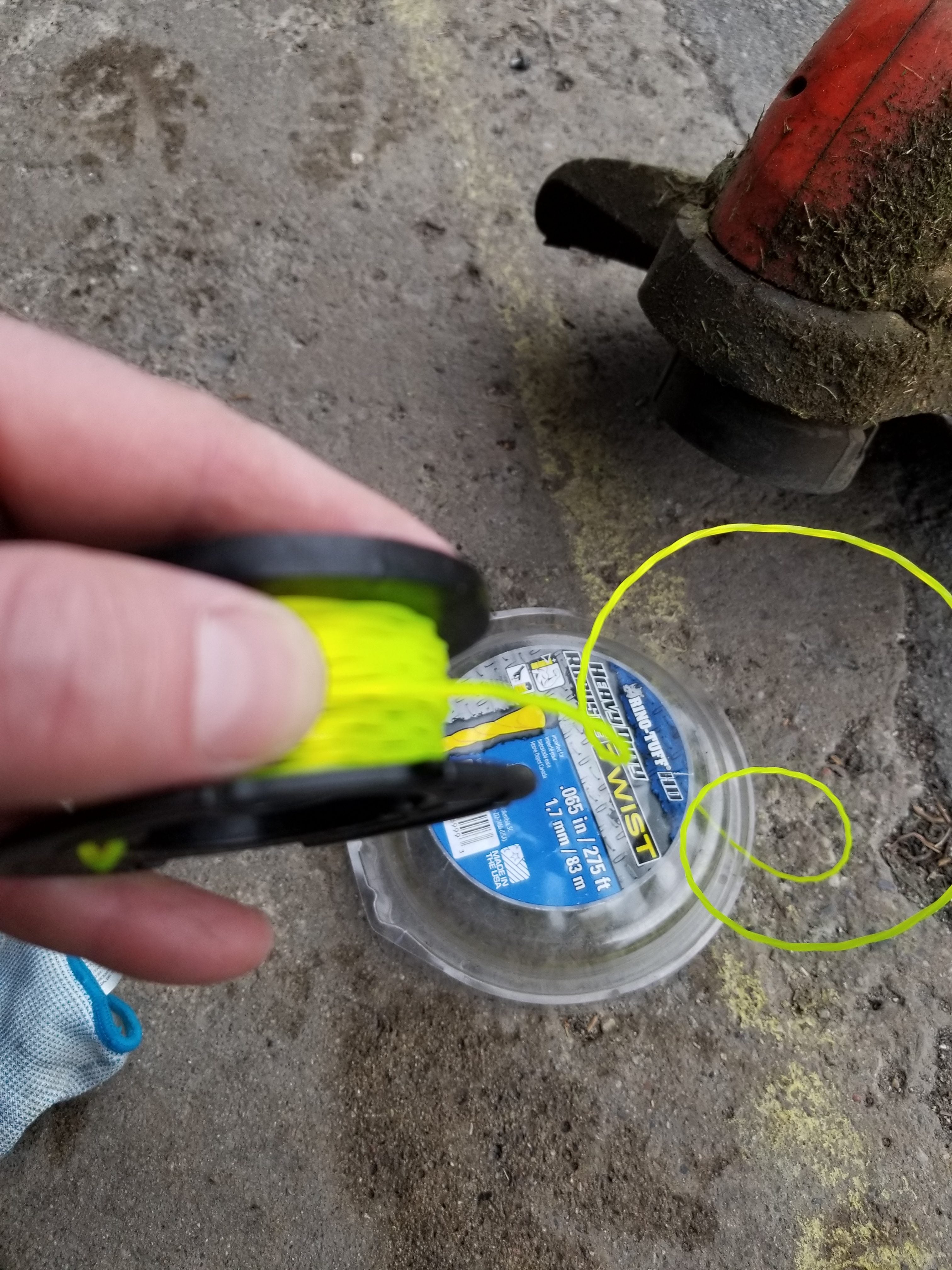
Source: rfdcontent.com
How to Stop Trimmer Line Jamming
One effective way to stop trimmer line jamming is by properly winding the trimmer line onto the spool. Ensuring it is tight and in neat rows can help prevent overlapping, which often causes jams. Always follow the manufacturer’s guide when winding the line. Additionally, keeping the spool clean from debris can reduce the chances of future issues. According to this post, maintenance plays a significant role in reducing equipment problems.
Regular maintenance of your trimmer’s spool is crucial. Inspect the spool and line regularly for signs of wear and tear. Replace any damaged parts immediately. A well-maintained spool operates more smoothly and reduces the chance of line jamming. Here is the post that further explains the importance of regular inspections: according to the article.
Choosing the right line material is also important. Some materials are more prone to breaking or bending, which can lead to jams. Consider using a higher-quality line that is specifically designed for the tasks you perform. This simple change can make a big difference in the performance of your trimmer. Ensure you’re using the appropriate thickness for your specific model.
To further prevent jams, consider the environmental factors that might affect your trimmer. Wet grass and heavy weeds can put extra strain on the line. Try to trim when conditions are dry and clear to minimize the load on your equipment. Additionally, using a trimmer guard can help manage the cutting area, reducing the chances of overloading your line. This simple step can also enhance your trimming efficiency.
Step 1: Properly Winding the Trimmer Line
One essential tip for properly winding the trimmer line is to ensure it is securely and tightly wound. Loose winding can lead to overlapping, which often results in jams. Start by removing any old line and cleaning the spool. Make sure to follow the directional arrows on the spool. According to this post, keeping the lines even prevents unnecessary stress on the motor.
When winding, use both hands to guide the trimmer line into neat, even layers. Ensure that each layer is positioned tightly against the previous one. Avoiding gaps between the layers is crucial. This careful arrangement minimizes friction when the line is in use. It also helps in achieving longer-lasting performance.
It is helpful to keep the line straight while winding. Tangled or kinked lines can cause problems in operation. If the line becomes tangled, straighten it out before continuing. This small step can save a lot of hassle. Consistency in winding ensures smooth functioning.
Additionally, different models and brands might have specific instructions for winding. Refer to the user manual for precise guidelines. Some trimmers might have dual lines, requiring extra attention. If in doubt, consult online tutorials or guides. Proper winding is key to preventing common issues encountered during trimming.
Step 2: Regularly Maintaining the Spool
Regular maintenance of your trimmer’s spool is essential to prevent line jams. Start by routinely cleaning the spool to remove any debris or grass clippings. Dirt and debris can cause the line to stick and jam. Make sure to also inspect the spool for any signs of wear. Replacing the spool if it shows damage can save you from bigger issues later.
Another important aspect of maintenance is lubricating the spool. Some trimmers benefit from a light application of lubricant to keep the spool functioning smoothly. This reduces friction and helps the line feed more freely. Check your user manual to see if lubrication is recommended. Keeping the spool well-maintained ensures better performance.
Inspect the trimmer line itself during your maintenance routine. If the line appears worn or frayed, replace it immediately. Worn lines are more prone to breaking and causing jams. Consistent line replacement contributes to the longevity of the spool. It also makes trimming tasks easier and more efficient.
Additionally, make sure the spool is correctly positioned and securely attached to the trimmer. A loose or improperly seated spool can lead to operational issues. Regular checks can help you spot these problems before they cause trouble. This simple habit ensures your trimmer runs smoothly and effectively. Taking these steps can enhance the lifespan of your equipment and improve your trimming experience.
Step 3: Choosing the Right Line Material
Choosing the right line material is crucial for preventing trimmer line jams. Different materials offer unique benefits, making them suitable for specific tasks. Nylon is a popular choice due to its flexibility and durability. However, for tougher jobs, you might need a line reinforced with materials like aluminum. This dual-material line can handle more rigorous trimming without breaking.
Consider the thickness of the trimmer line as well. Thicker lines are generally more durable and less likely to break or jam. They can handle heavy-duty tasks such as cutting through dense weeds. Conversely, thinner lines are better suited for lighter, precision tasks. Refer to your trimmer’s manual to determine the best thickness for your specific model.
Weather conditions should also influence your choice of line material. Some materials perform better in hot or cold climates. For instance, monofilament lines tend to become brittle in cold weather, leading to more frequent breaks. In warmer climates, multilateral nylon lines are more robust. Always match the line material to your working environment for optimal results.
Another factor is the design of the trimmer line. Lines come in various shapes like round, square, and twisted. Round lines are less prone to wear and work well for general trimming. Square and star-shaped lines offer sharper edges for cutting through tough vegetation. Including these specialty lines in your toolset can enhance your trimming efficiency.
Finally, consider the brand and quality of the trimmer line. Higher-quality lines tend to last longer and perform better. Researching reviews and seeking recommendations can guide you in selecting a reliable brand. Investing in a high-quality line can save you time and reduce maintenance needs. A good line contributes to smoother operation and extends the life of your trimmer.
Common Causes of Trimmer Line Jamming
One common cause of trimmer line jamming is improper winding. If the line is not wound tightly or evenly, it can overlap and create friction, leading to jams. Always follow the manufacturer’s guidelines for winding the line onto the spool. Investing a few minutes in proper winding can save a lot of hassles later on. This simple step is crucial.
Another major culprit is debris buildup in the spool. Grass clippings, dirt, and other debris can accumulate in the spool area. This buildup restricts the movement of the line, making it more likely to jam. Regularly cleaning the spool can help prevent these issues. Use a brush or compressed air to clear out any debris.
Worn-out or frayed lines also contribute to frequent jamming. Over time, trimmer lines degrade due to regular wear and tear. When the line becomes brittle or thinned, it is more prone to breaking and causing issues. Replacing the line when it shows signs of wear ensures smoother operation. Always keep spare lines handy for immediate replacement.
Environmental conditions can also affect the efficiency of your trimmer line. Wet grass or tough weeds can put extra strain on the line, increasing the chances of jams. It’s best to use the trimmer in dry conditions whenever possible. Additionally, certain line materials handle specific conditions better. Choosing the right line for the task at hand is important.
Incorrect line thickness is another reason for jamming. Using a line that is either too thick or too thin for your trimmer can cause problems. Always check your trimmer’s manual to find the recommended line thickness. Proper line selection ensures more efficient cutting and fewer jams.
Lastly, a damaged spool or trimmer head can lead to frequent jamming. Regular maintenance and inspection of these components are necessary. If you notice any cracks or deformities, replace the damaged parts immediately. Keeping the trimmer in good condition helps in reducing operational issues.
Tips to Prevent Future Trimmer Line Jamming
Preventing future trimmer line jamming starts with using the right line material and thickness. Always consult your trimmer’s manual for recommended specifications. Using a high-quality line reduces the chances of it breaking or jamming. Remember, well-matched line and trimmer ensure smoother operation. This small check can save a lot of effort down the road.
Regular maintenance is another key tip. Clean the spool frequently to remove any grass clippings or debris. This helps in keeping the trimmer line moving freely. During maintenance, also check for any worn parts. Replacing damaged components promptly keeps your trimmer in good working condition.
Properly winding the trimmer line is crucial to avoiding jams. Follow the manufacturer’s instructions carefully. Ensuring the line is tight and even on the spool minimizes friction. Investing time in this step pays off significantly. A well-wound spool is less likely to face operational issues.
Environmental considerations also play a role. Try to trim when grass and weeds are dry. Wet conditions can make the line stick or jam more often. Adjusting your trimming schedule based on weather can reduce wear on the line. Efficient operation also extends the life of your trimmer.
The design and shape of the line can affect its performance. Specialty lines with unique shapes like square or twisted edges offer better cutting efficiency. They are less likely to face wear and tear compared to traditional round lines. Experimenting with different shapes can optimize your trimming tasks.
Frequently Asked Questions
Below are some common questions related to managing trimmer line issues. These tips can help you maintain your trimmer more effectively.
1. Why does my trimmer line keep breaking?
Your trimmer line might be breaking due to poor-quality material or improper usage. Using the right kind of line for your specific tasks can make a big difference. Always follow the manufacturer’s recommendations on what type of line to use with your trimmer.
Additionally, working in conditions that are too harsh, such as cutting through thick weeds or trimming near hard surfaces like rocks and fences, can also cause the line to break frequently. Replace worn lines regularly and ensure you’re using a heavy-duty line for tougher jobs.
2. How often should I replace the trimmer spool?
The frequency of replacing your trimmer spool depends on how often you use it and under what conditions. If you notice signs of wear such as cracks or warping, it’s time for a replacement. Regularly inspect the spool to detect any damage early.
A well-maintained spool lasts longer and performs better. It’s advisable to check it before each use and after every major job to ensure it’s in good shape. Keeping an eye on its condition can save you from unexpected interruptions during trimming.
3. What is the best way to store a string trimmer?
The best way to store a string trimmer is in a cool, dry place away from direct sunlight and moisture. Proper storage prevents damage to both the machine and the trimmer line itself. Detach or loosen the line if not planning to use it for long periods.
This helps maintain flexibility and reduces degradation over time. Additionally, hanging the trimmer vertically keeps it safe from accidental knocks or falls that could cause mechanical issues or body damage.
4. Can I use any type of string with my trimmer?
No, not all types of strings are compatible with every trimmer model. Using an unsuitable string can lead to poor performance or even damage the machine. Always refer to your user manual for recommended types and sizes of strings for your specific model.
Some advanced models may require specialized strings designed for heavy-duty work or precision trimming tasks depending on their features and capabilities. Sticking with recommended products ensures optimal performance and longevity.
Conclusion
Maintaining your trimmer line effectively requires attention to detail and regular care. By properly winding the trimmer line, frequently cleaning the spool, and choosing the right line material, you reduce the chances of jams. These proactive steps enhance the performance and longevity of your equipment.
Additionally, understanding common causes of jamming helps in preventing future issues. Implementing these insights ensures your trimming tasks are smoother and more efficient. Stay vigilant with maintenance, and your trimmer will continue to operate at its best.

I’m Patricia D. Johnson, an affiliate marketer and blogger specializing in trimmers and grooming tools. I create honest reviews, buying guides, and practical tips to help readers choose the right trimmer for their needs. With a focus on quality, performance, and value, I simplify the decision-making process so consumers can make confident purchases.