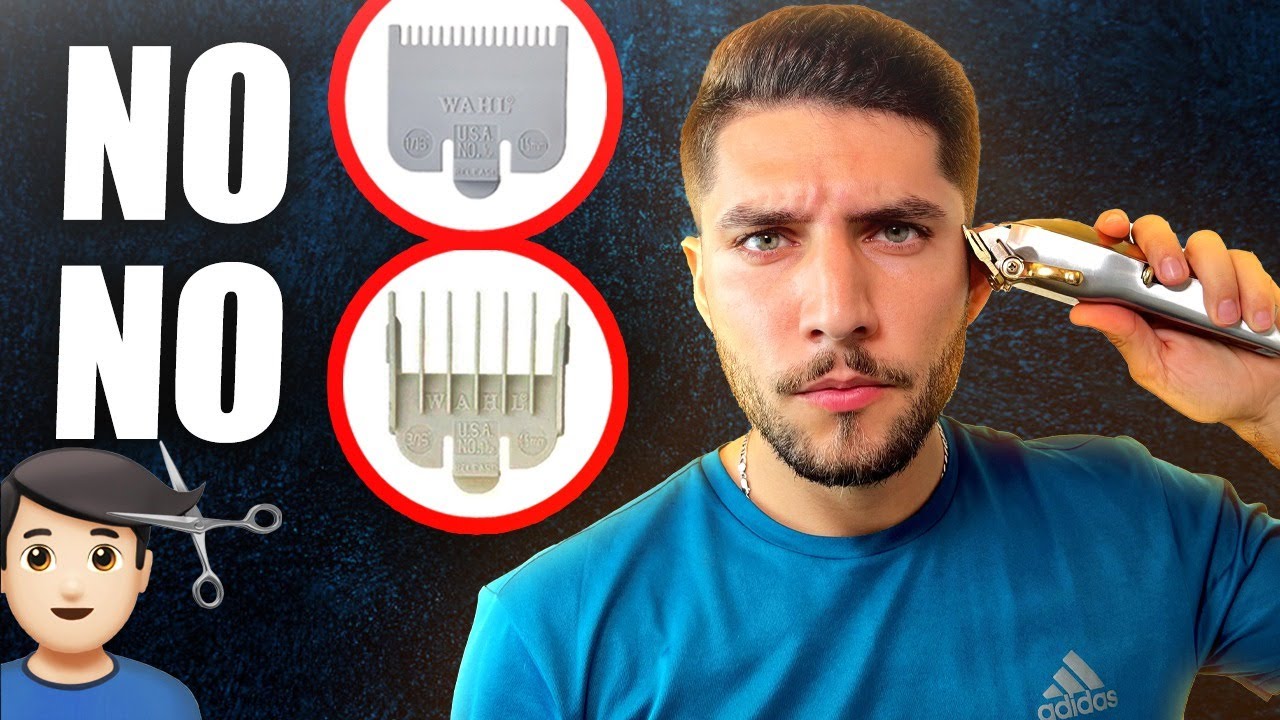
Can You Use a Trimmer Without a Guard?
Yes, you can use a trimmer without a guard. Doing so needs extra caution to avoid injury. A guard protects skin and keeps cuts even. Without it, blades touch skin directly always. This guide explains risks and safe practices.
Guards keep hair length even across every pass. They block debris and shield eyes from harm. Professionals use no-guard trimming for detail work. Clean lines and close shaves attract many users. Regular users need practice before trying it.
Later sections explain guard types and benefits. Risks, damage and expert advice follow after them. Short answers close the guide at the end. Careful work keeps trimming safe and neat. Small routines deliver clean results every time.
Quick answer: Yes, you can trim without a guard. It gives closer, more precise cuts for detail work. The risk is real: nicks, uneven cuts and irritation. Start with a guard and test small areas first. Wear goggles, keep steady hands and stay alert.
Trimmer Guard Basics
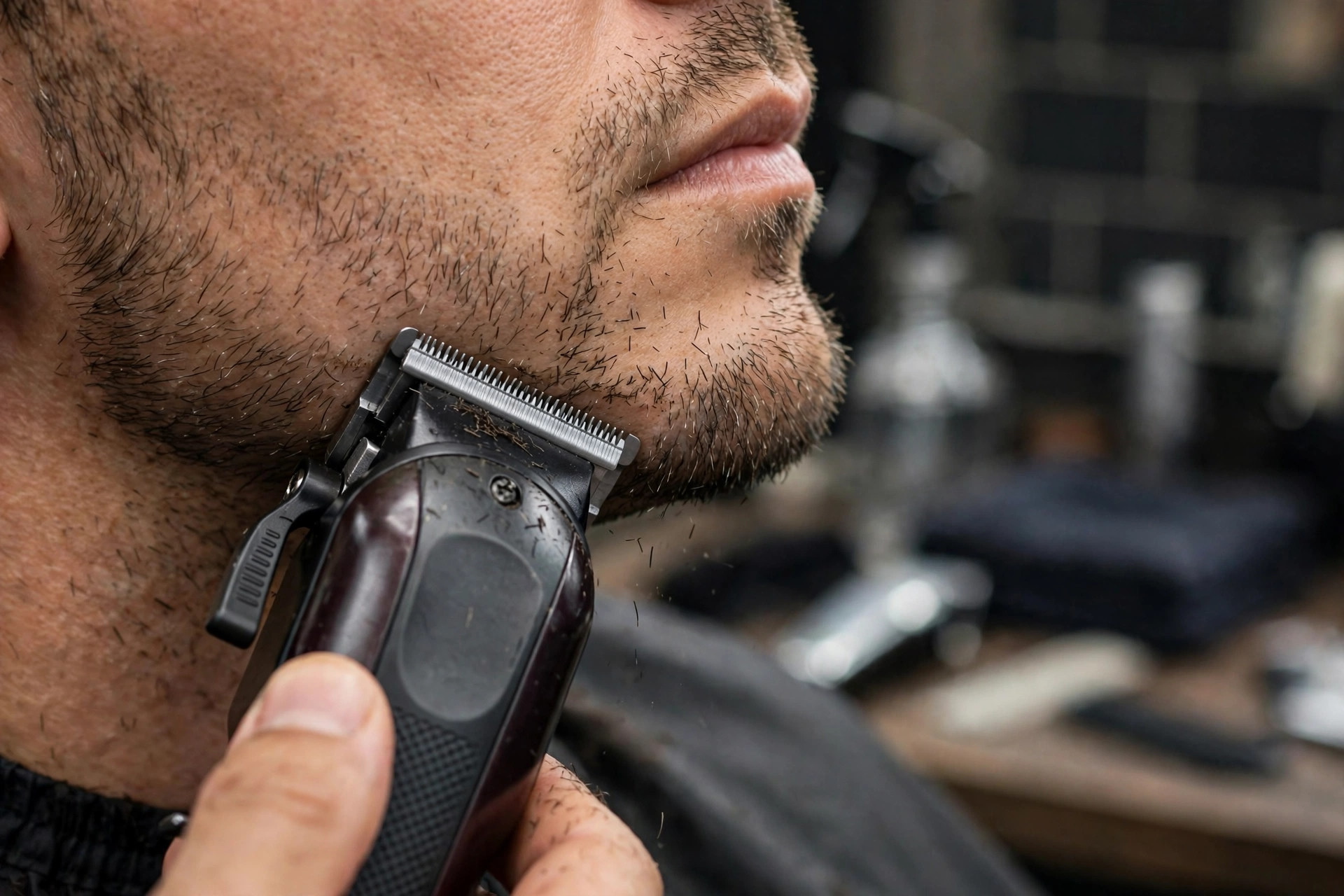
A trimmer guard is an essential part of the tool. It protects skin from cuts and nicks daily. Guards keep trimming even and consistent always. They also maintain the desired hair length. Without a guard, skin injury risk rises sharply.
| Type | Description |
|---|---|
| Fixed Guards | These guards have a set length. They are not adjustable. |
| Adjustable Guards | These guards allow you to choose different lengths. They are more versatile. |
| Specialty Guards | These are designed for specific purposes, like beards or eyebrows. |
Fixed guards suit simple, everyday trimming needs. Adjustable guards offer more flexibility and choice. Specialty guards fit beards, eyebrows and detail work. Choose the guard that fits your trimming task. Our sharpening guide explains safe edge restoration fully.
Can You Use a Trimmer Without a Guard? Benefits
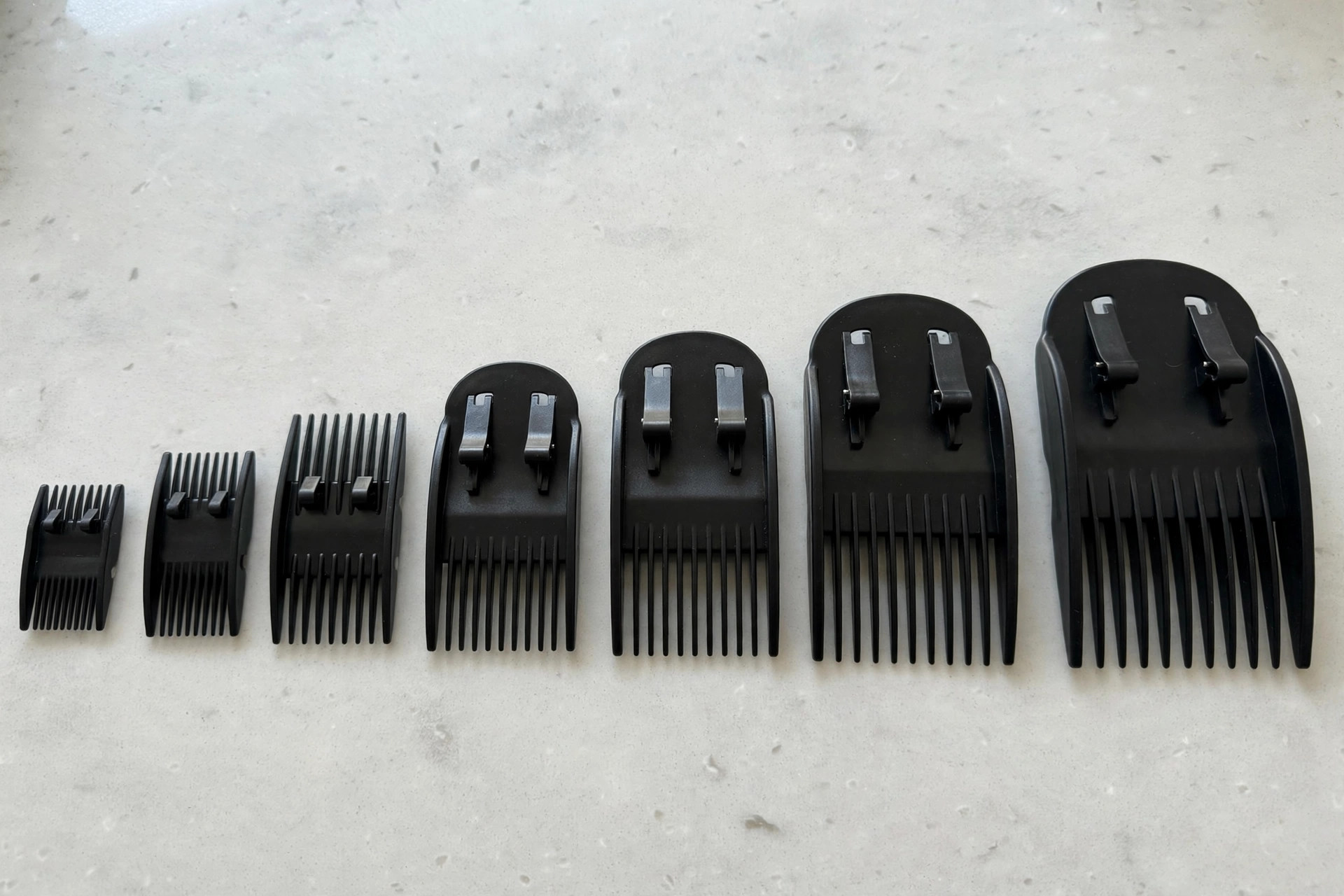
Using a trimmer without a guard is common practice. Many users ask if it is safe or useful. It offers precision, flexibility and speed together. Close cuts suit detail work and head shaving. Body grooming also benefits from closer trimming.
Detail work suits beard and mustache shaping best. Head shaving gives a clean, bald look. Body grooming needs close trimming for smooth results. These cases reward steady hands and practice. Beginners should start with small areas first.
Risks to Personal Safety
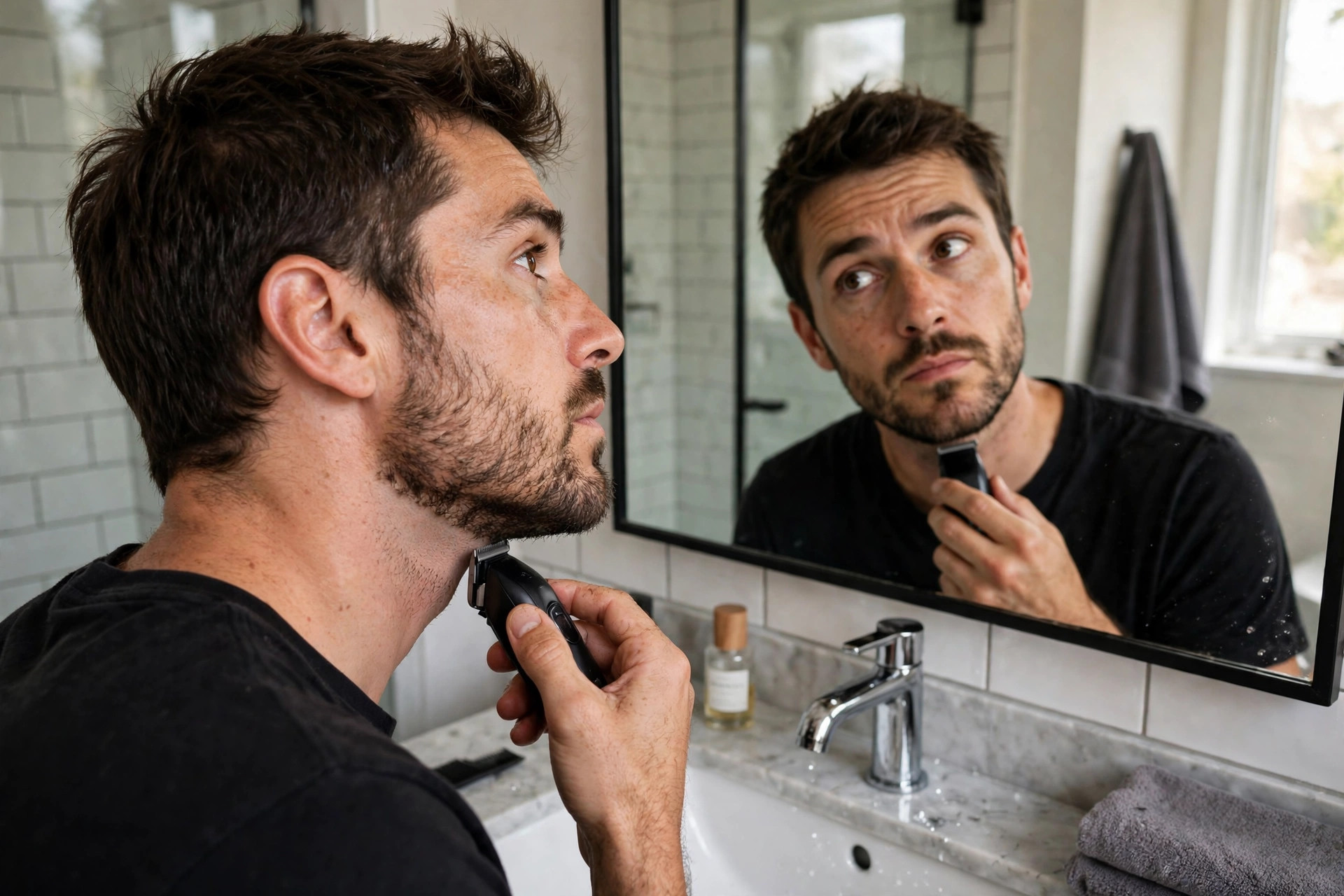
Without a guard, trimmer blades stay fully exposed. A small slip can cause deep cuts and scrapes. Stones, sticks or debris can strike unprotected skin. Water or metal contact can also cause shocks. The guard blocks many of these dangers daily.

Eyes stay very vulnerable during trimming work. Flying debris can hit eyes without a guard. Safety goggles protect eyes from dirt and debris. A pebble or twig can cause serious eye injuries. Always wear goggles and keep the guard fitted.
| Risk | Potential Harm |
|---|---|
| Exposed Blades | Cuts and scrapes |
| Flying Debris | Eye injuries |
| Electrical Hazards | Shocks |
Using a trimmer without a guard is very dangerous. Experts agree the guard should stay fitted. Guards protect skin, eyes and the trimmer itself. Our lifespan guide explains how long trimmers last.
Damage to Hair and Scalp
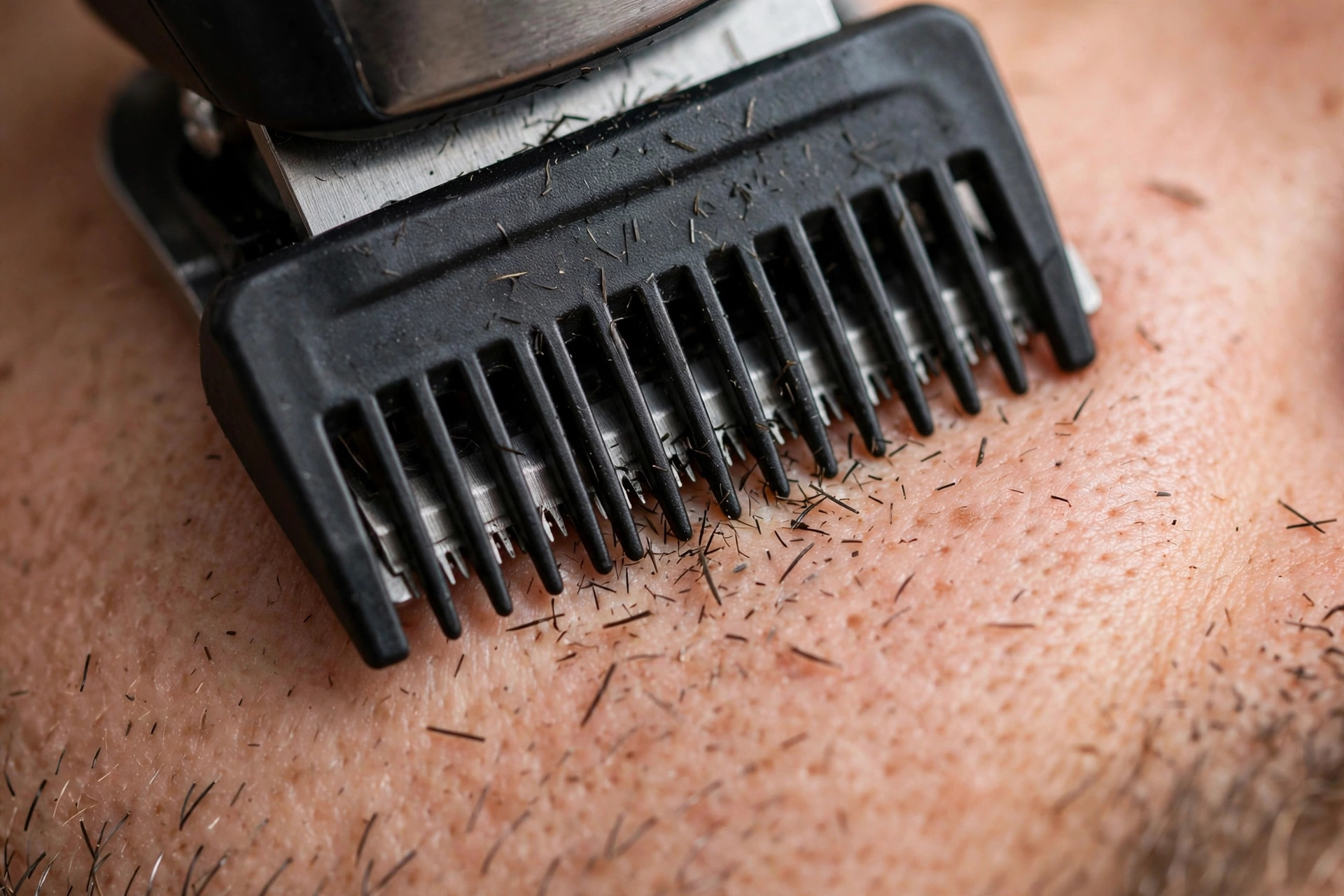
Trimmers without guards can cut hair unevenly. Patches of shorter hair look messy and unbalanced. Guards keep length uniform across the scalp. Skipping the guard risks patches that are hard to fix. Even cuts need a guard for best results.
Blades touching skin directly cause scalp irritation. Red, sore skin can bleed in severe cases. Guards act as a barrier between blade and scalp. This barrier reduces irritation and injury risk greatly. Our cleaning guide covers careful cleaning routines.
Impact on the Trimmer
Direct skin contact dulls blades much more quickly. Blades can also hit hard surfaces and chip. Frequent blade replacement costs money over time. Uneven cuts and hair pulling follow dull blades. Our blade changing guide shows safe replacement steps.
The motor works harder without a guard fitted. Extra workload can overheat the motor quickly. Overheating shortens motor life and efficiency badly. Unexpected breakdowns follow long-term motor strain over time. Our repair guide covers faults beyond simple assembly.
Professional Recommendations
Most experts agree guards should stay fitted. Barbers suggest guards to avoid uneven cuts. Manufacturers also recommend guards for best performance. Guards protect users and keep trimmers working well. Follow expert advice before removing any guard.
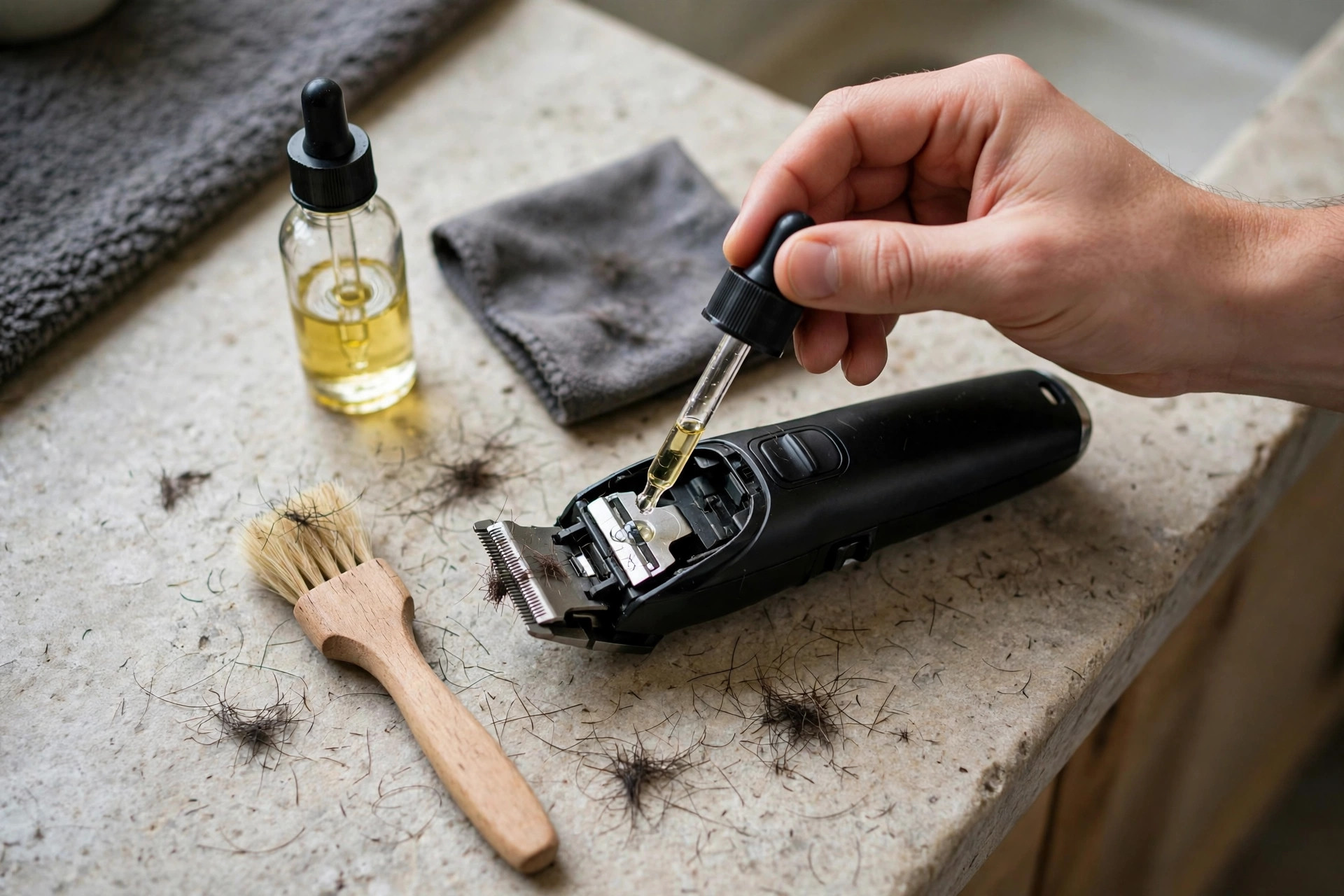
Always start with a guard fitted correctly. Use short, controlled strokes for every pass. Check blade condition carefully before starting work. Clean and oil the trimmer after every use. Our oiling guide explains blade lubrication fully.
Test the trimmer on a small area first. Use a mirror for a clear view always. Trim in a well-lit environment without distractions. Stay alert and protect your skin carefully. Our bikini trimmer guide explains safe close trimming.
Frequently Asked Questions
These answers repeat this guide’s own points only. They follow the same steps explained above closely. Short answers close the guide at the end. Maker pages like Philips OneBlade publish official trimmer guidance.
Can I trim without a guard?
Yes, you can trim without a guard. Be cautious to avoid uneven cuts or skin irritation. Close cuts suit detail work and head shaving. Beginners should practice on small areas first. Steady hands and patience matter most here.
Do you need a guard for trimmers?
Yes, using a guard for trimmers is essential. It ensures safety and precise trimming every time. Guards protect skin and keep length even. They also shield eyes from flying debris. Keep the guard fitted for best results.
Can I cut my hair with no guard?
Yes, you can cut hair with no guard. It results in a very short, almost bald look. Use caution to avoid injury and uneven patches. Test a small area before trimming fully. Steady hands keep the result neat and safe.
Why do landscapers take the guard off string trimmers?
Landscapers remove guards for better visibility and maneuverability. Open guards help them trim more precisely and efficiently. Better visibility means cleaner edges around obstacles. This practice suits trained professionals with experience. Home users should keep guards fitted for safety.
How can I trim safely without a guard?
Test the trimmer on a small area first. Use a mirror for a clear view always. Trim in a well-lit place without distractions. Wear goggles and keep hands steady throughout. Stop at once if skin feels nicked or sore.
Conclusion: Can You Use a Trimmer Without a Guard?
So, can you use a trimmer without a guard safely? Yes, but the risks outweigh the benefits mostly. Guards protect skin, eyes and the trimmer itself. Close cuts tempt many users into removing guards. Practice and caution keep trimming safe always.
Prioritize safety and proper technique every time. Keep the guard fitted unless detail work demands otherwise. Clean, oil and check your trimmer regularly. Your trimmer then serves reliably for seasons. Simple habits deliver smooth trimming every time.