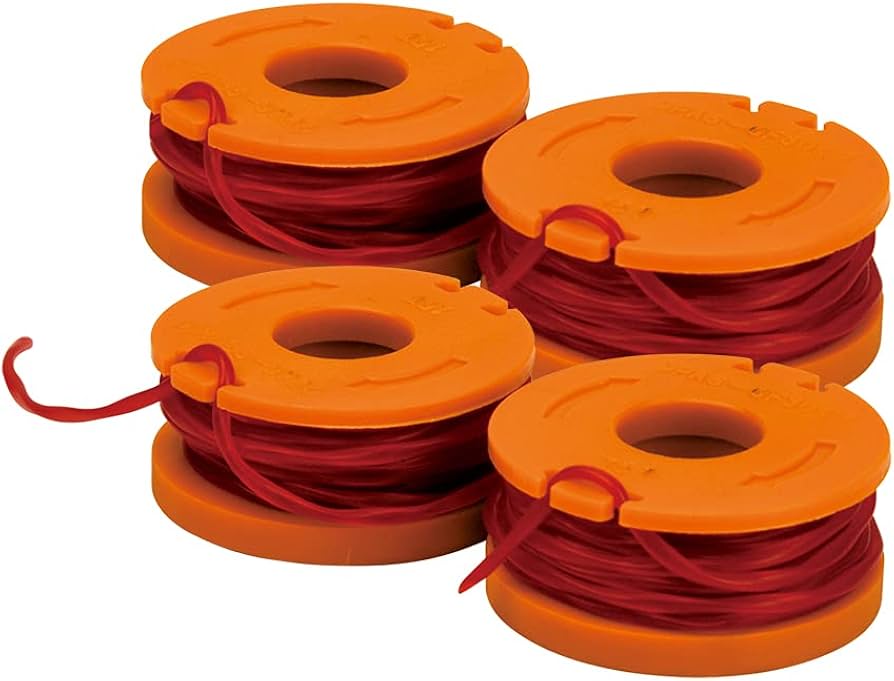
Choosing the correct trimmer line for your Worx trimmer can be the deciding factor between a tidy lawn and a sloppy finish. Studies have shown that using the wrong size line can lead to inefficiency and excess wear on your equipment. The question is, how do you determine the precise line size for your specific model?
Most Worx trimmers are designed to operate optimally with a line size ranging from 0.065 inches to 0.080 inches. Historically, these dimensions were established to balance durability and cutting precision. The exact specification can often be found in your trimmer’s user manual or manufacturer guidelines, ensuring you achieve the best performance with minimal maintenance.

Understanding the importance of trimmer line size for Worx
Choosing the right trimmer line size for your Worx trimmer can make a big difference in performance. Using the wrong size can cause the trimmer to underperform or break down earlier than expected. It can also lead to issues like uneven cutting and excessive line breakage. According to this post, maintaining your equipment properly ensures it lasts longer. This is true for both battery life and trimmer line efficiency.
The standard line size for most Worx trimmers is between 0.065 inches to 0.080 inches. These sizes offer a good balance of durability and cutting ability. It’s crucial to check your specific model’s manual to see the recommended line size. A properly sized line will reduce strain on the motor. This helps maintain the longevity of your trimmer.
Incorrect line size can lead to several issues. For instance, using a thicker line than recommended can cause the motor to overheat. On the other hand, a thinner line may break easily, requiring frequent replacements. Both scenarios increase wear and tear on your trimmer. Therefore, adhering to the manufacturer’s guidelines is important.
Understanding the importance of line size can save time and money. By following the guidelines and using the correct line, you ensure efficient performance. Regular maintenance also plays a key role, as noted in this article about where to buy Worx hedge trimmers. Always keep spare lines on hand to avoid disruptions in your yard work. This proactive approach makes yard maintenance much easier.
The impact of correct line size on trimmer performance
Using the correct trimmer line size greatly improves the performance and lifespan of your Worx trimmer. A properly sized line ensures efficient cutting by reducing the load on the motor. When the motor is not overworked, it operates cooler and lasts longer. This translates to fewer breakdowns and lower maintenance costs. According to this post, using an old or incorrect line can result in significant performance issues.
Improper line size can also affect the precision of your trimming. A line that is too thick might make it hard to handle tight corners and delicate areas. Conversely, a too-thin line can wear out quickly, causing frequent interruptions. These constant stops for line replacement can reduce your productivity. Having the right line size ensures smoother and faster yard work.
The right trimmer line size also affects fuel efficiency in gas-powered models and battery life in electric trimmers. When the line fits well, the trimmer works more efficiently, consuming less power. This is particularly important for extended tasks where you need the trimmer to last longer. Efficient power usage can save both time and money, making yard work more enjoyable.
Consistency in trimming quality is another reason the right line size matters. Imagine trying to trim a lawn only to find uneven patches of grass left behind. With the proper line size, you get a more uniform cut. This results in a neater and more professional-looking yard. Therefore, always refer to the manufacturer’s guidelines for the recommended line size for your model.
How to determine the right trimmer line size for your Worx model
The first step in determining the right trimmer line size for your Worx model is to consult the user manual. This document usually provides specific recommendations based on your trimmer’s design and motor capacity. If you don’t have the manual, you can often find it on the manufacturer’s website. Look up your model number to get precise details. Knowing the manufacturer’s recommendation is a good starting point.
You can also check the label on your trimmer itself. Some models have a sticker or an engraving that shows the recommended line diameter. Pay attention to this information as it’s tailored to your specific trimmer. Ignoring these guidelines can lead to reduced performance. Always adhere to the suggested sizes for optimal results.
If you’re still unsure, you can visit your local hardware store and ask for help. Store employees often have experience with different trimmer models and can provide valuable advice. Describe your trimmer model and the kind of tasks you typically perform. They can suggest the best line size based on their expertise and customer feedback.
Lastly, consider what you’re trimming. For heavy-duty tasks, you might need a thicker line. For lighter work, a thinner line could be more effective. Use the recommendations in the manual as a guide, but adjust based on your specific needs. This chart can help you decide:
| Task | Recommended Line Size |
|---|---|
| Light trimming (grass and weeds) | 0.065 – 0.080 inches |
| Medium trimming (dense weeds, light brush) | 0.080 – 0.095 inches |
| Heavy trimming (thick brush, overgrown areas) | 0.095 – 0.105 inches |
Troubleshooting and maintenance tips for Worx trimmer lines
If your trimmer line keeps breaking, it’s typically due to multiple issues. One common problem is using the wrong line size. Ensure you’re using the recommended diameter as specified in the manual. Check for any debris or obstacles that could be adding stress to the line. Clearing the trimming area of stones and thick branches can minimize breakage.
When the line is not feeding properly, it could be tangled inside the spool. Open the trimmer head and inspect the line spool for any knots or overlaps. Rewind the line neatly to ensure it feeds smoothly. Additionally, make sure the trimmer’s head is clean. Dirt or grass buildup can cause feeding problems.
Sometimes, the trimmer might not cut properly even with a new line. This can be due to a worn-out cutting head. Inspect the head for any signs of damage or excessive wear. Replace it if necessary. Sharp and well-maintained cutting heads significantly improve the trimmer’s performance.
Regularly maintaining the line and the trimmer itself extends its lifespan. Store the trimmer line in a cool, dry place to prevent it from becoming brittle. Moisture and sunlight can weaken the line, making it prone to breakage. Following a proper maintenance routine can save you time and money in the long run.
If you frequently face line issues, consider using higher-quality trimmer lines. These lines are designed to be more durable and long-lasting. Quality lines reduce the number of replacements needed and perform better during heavy-duty tasks. Investing in good trimmer line pays off with improved efficiency.
Lastly, regular inspection and cleaning are crucial to keeping your Worx trimmer in good shape. Remove the trimmer head periodically and clear out any blocked passages. Keeping the trimmer clean ensures optimal operation. Use the manufacturer’s recommended lubricants to keep moving parts smooth and functional.
Frequently Asked Questions
If you’re using a Worx trimmer, you might have several questions beyond the size of the trimmer line. Here are some common inquiries and answers that can enhance your trimming experience.
1. How do I replace the trimmer line on my Worx trimmer?
To replace the trimmer line, first make sure the trimmer is turned off and unplugged or has its battery removed. Open the spool cover by pressing the tabs on either side and remove any existing line remnants.
Next, cut a piece of new line to about 10 feet long and insert one end into the spool’s anchor hole. Wind the line neatly around the spool in the direction indicated. Close the spool cover and secure it back into place.
2. What type of maintenance does my Worx trimmer need?
Regular maintenance includes cleaning debris from around the cutting head and checking for any signs of wear or damage on components. It’s also recommended to inspect and perhaps replace worn-out parts like cutting heads or lines.
Additionally, lubricate moving parts as specified in your user manual to keep them operating smoothly. Battery-operated models may also require occasional charging dock cleaning to ensure efficient charging.
3. Can I use different brands of trimmer lines with my Worx trimmer?
You can use different brands of trimmer lines as long as they meet size specifications recommended for your model. Ensure they are made from high-quality materials to avoid frequent breakage or poor performance.
Using third-party lines can sometimes void warranties, so it’s wise to check with Worx customer service if you’re unsure. Stick with recognized brands known for producing durable and effective trimming lines.
4. How should I store my Worx trimmer during winter months?
If storing for an extended period such as over winter, clean it thoroughly to remove dirt, grass clippings, and residue buildup. Store it in a dry place away from extreme temperature fluctuations.
Batteries should be fully charged before storage and kept at room temperature in dry conditions. Covering your electric or gas-powered Worx trimmers helps protect them from dust accumulation while not in use.
5. Why does my Worx trimmer keep stopping during use?
Your Worx trimmer may stop if there’s an electrical issue like a damaged cord or insufficient battery charge; resolving these should restore function quickly. Overheating caused by extensive continuous use without breaks can also trigger automatic shutdowns.
An overloaded motor due to thick vegetation could result too—try throttling down through dense patches slowly evenly distributing effort by taking measured passes over growth areas seen off actual operation properly thus guarding against timely haltings occurring much longer stretches accordingly better equipment runs persist flows steadily engage optimal capacities met significantly
Conclusion
Choosing the correct trimmer line size for your Worx model is essential for achieving the best performance and longevity. Following the manufacturer’s guidelines and performing regular maintenance can ensure your trimmer runs smoothly. Proper storage and using high-quality lines further contribute to efficient and reliable operation.
In summary, understanding the nuances of your Worx trimmer helps you make informed decisions about line size, replacements, and routine upkeep. This knowledge not only enhances your trimming experience but also extends the life of your equipment, saving you time and money in the long run.

I’m Patricia D. Johnson, an affiliate marketer and blogger specializing in trimmers and grooming tools. I create honest reviews, buying guides, and practical tips to help readers choose the right trimmer for their needs. With a focus on quality, performance, and value, I simplify the decision-making process so consumers can make confident purchases.