
Deciding on the right trimmer line size can significantly impact both the efficiency and the lifespan of your equipment. Surprisingly, the diameter of your trimmer line isn’t just a trivial detail; it directly correlates to the type of vegetation you’re tackling. Opting for the wrong size can lead to frequent breakage and even potential damage to your trimmer’s engine.
For light-duty tasks, a thinner line—typically around 0.065 to 0.080 inches—is ideal. This size is generally sufficient for dealing with grass and small weeds without overburdening your trimmer. However, for thicker or more stubborn growth, such as tall grasses or dense weeds, opting for a line with a diameter ranging from 0.085 to 0.110 inches can offer greater durability and cutting power. This balance ensures both optimal performance and equipment longevity.
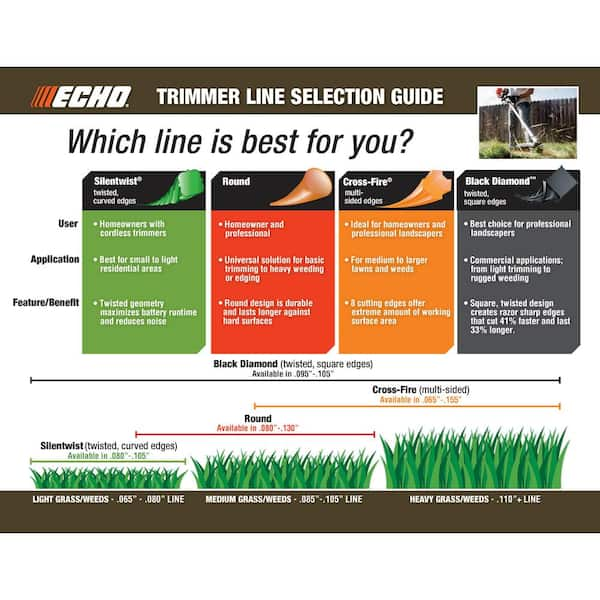
What Size Trimmer Line Should I Use?
The size of the trimmer line you use matters greatly for effective yard maintenance. Thinner lines, measuring 0.065 to 0.080 inches, are best suited for light tasks like trimming grass. They are great for maintaining your lawn without putting too much strain on your trimmer. However, thicker lines, ranging from 0.085 to 0.110 inches, are more durable and suited for tougher jobs. These are perfect for cutting through thick weeds and dense underbrush.
According to the article, using the appropriate line size enhances performance and prolongs the trimmer’s lifespan. Mismatched line sizes can cause frequent breakage and even damage the motor. For everyday yard work, most homeowners find that a medium size line works best. It’s a good balance between light-duty and heavy-duty tasks. For heavy brush, consider upgrading to even thicker lines, like those above 0.110 inches.
Choosing the right size also involves understanding the capacity of your trimmer. Almost all trimmers come with manufacturer recommendations for line size, and it’s wise to follow these guidelines. Some trimmers are versatile and can handle a range of sizes, making them useful for various tasks. You can check your trimmer’s manual for these specifications. Ignoring these recommendations can lead to inefficient trimming and potential equipment failure.
For those using trimmers for unique purposes, knowing the exact requirements can save time and effort. Some trimmers are designed for specific types of lines to maximize efficiency. Commercial-grade trimmers often require thicker lines due to their heavy-duty usage. You can find more detailed comparisons in this post. Matching your trimmer line size to the task at hand ensures optimal performance and long-lasting equipment.
Factors Determining the Right Trimmer Line Size
Several key factors determine the right trimmer line size for your yard work. First, consider the type of vegetation you need to cut. Thinner lines, 0.065 to 0.080 inches, are ideal for grass and light weeds. For thicker weeds or brush, lines measuring 0.085 to 0.110 inches are more effective. Matching the line to the task ensures better cutting efficiency.
Another important factor is the power of your trimmer. Low-powered electric trimmers work best with thinner lines, while gas-powered trimmers can handle thicker lines. The power source directly impacts the line’s performance and durability. According to this expert opinion, using a line that’s too thick for your trimmer’s power can cause the engine to overheat and fail. Hence, follow manufacturer guidelines.
The shape of the trimmer line also plays a role in effectiveness. Options include round, square, and multi-sided lines. Each shape has its benefits: round lines are durable but can struggle with tough vegetation, while multi-sided lines cut through thick growth more cleanly. Choosing the right shape based on your trimming needs can make your work easier and more efficient.
The environment and frequency of use are also factors to consider. If you’re maintaining a well-kept lawn, a thinner line is sufficient even for frequent use. For more demanding tasks in rougher terrain, a thicker line is necessary. Considering these elements helps you select a trimmer line size that’s both effective and cost-efficient.
Impact of Wrong Trimmer Line Size
Using the wrong trimmer line size can lead to several issues. One of the main problems is that it decreases the efficiency of your trimming work. A line that is too thin might break easily on tougher vegetation, causing frequent stops for replacement. This not only wastes your time but also adds unnecessary frustration. Conversely, a line that’s too thick for your trimmer’s power can make the engine strain.
When the engine strains due to an oversized line, it can overheat and sustain damage. This can lead to expensive repairs or even the need for a new trimmer. Overstrained engines may also emit more pollutants, contributing to environmental harm. For this reason, keeping the engine’s compatibility with the line size is crucial. Consistent overheating can shorten the lifespan of the trimmer.
Mismatched trimmer lines can also affect the quality of your trimming results. Uneven cuts or missed spots are common when using an inappropriate line size. Thinner lines may fail to cut through denser growth, leaving patches of weeds. Thicker lines, when used on lighter work, can tear at the grass rather than trim it cleanly, resulting in a ragged appearance.
Safety is another significant concern. Using the wrong size can cause the line to snap unexpectedly. The broken pieces can become projectiles, posing a risk to the user and anyone nearby. Manufacturers recommend specific line sizes for a reason, and adhering to those guidelines helps ensure a safer working environment. To avoid these risks, always select the correct line size for your trimmer and the task at hand.
Matching Trimmer Line Size with Garden Needs
Choosing the correct trimmer line size for your garden needs ensures efficient and effective yard maintenance. For small yards with only grass and light weeds, a thinner trimmer line, about 0.065 to 0.075 inches, will suffice. This size is easy to handle and ideal for light-duty electric trimmers. On the other hand, larger yards with denser vegetation require thicker lines for a clean cut. Sizes ranging from 0.080 to 0.095 inches can handle more robust weeds.
For those dealing with especially tough or woody brush, even thicker lines are advisable. Lines between 0.100 and 0.110 inches provide the necessary strength for heavy-duty tasks. These sizes are often used with gas-powered trimmers, which offer more power. Here is a table that outlines common trimmer line sizes and their recommended uses:
| Line Size (Inches) | Recommended Use |
|---|---|
| 0.065 – 0.075 | Light grass and small weeds |
| 0.080 – 0.095 | Thicker weeds and medium-sized yards |
| 0.100 – 0.110 | Tough, woody brush |
The type of growth in your garden also dictates the choice of trimmer line size. For instance, ornamental grasses and small flower beds will need a finer line for precision. For vegetable gardens or areas with more substantial plant growth, a medium-size line works best. Thicker, denser growth areas like around trees or along fence lines may require the heaviest line available to clear effectively.
Furthermore, seasonal changes can affect what trimmer line size you need. In spring and early summer, when plants are still relatively light, a medium-sized line could be adequate. However, during late summer and fall, when growth becomes thicker and more established, switching to a thicker line may be necessary. This adaptability ensures that your trimming remains efficient throughout the year.
Frequently Asked Questions
When using a trimmer, it’s essential to understand various aspects to ensure optimal performance and lasting equipment. Here are some common questions experts often ask about trimmer lines.
1. Can I use different trimmer line shapes?
Yes, you can use different trimmer line shapes such as round, square, and twisted. Each shape has its advantages depending on your trimming needs. Round lines are durable and less likely to break when they hit hard surfaces. They are great for everyday grass trimming in a well-maintained lawn.
Square or multi-sided lines have sharper edges and can cut through thick weeds more efficiently. They provide cleaner cuts, especially in dense vegetation areas. Twisted lines offer reduced noise levels and increased efficiency due to their aerodynamic shape. Choose the shape based on your yard’s requirements for best results.
2. How long does a trimmer line last?
The lifespan of a trimmer line depends on several factors including usage frequency and the type of vegetation you’re cutting. Regular use in heavy or thick vegetation will wear out the line faster than occasional light-duty trimming. The material of the line also impacts durability; high-quality nylon lines tend to last longer.
A good practice is to monitor the wear on your trimmer line regularly and replace it as needed to maintain performance. Keeping spare trimmer lines handy ensures you can quickly swap them out during extended trimming sessions without downtime. Proper storage also protects the line from environmental damage, extending its usable life.
3. Do electric and gas trimmers require different line sizes?
Electric and gas trimmers often require different size lines due to differences in power output. Electric trimmers generally operate better with thinner lines around 0.065 to 0.085 inches because they have less torque compared to gas models. Using thicker lines with electric models may strain the motor leading to reduced efficiency.
Gas-powered trimmers, being more powerful, can handle thicker lines ranging from 0.085 inches up to 0.155 inches for tackling dense weeds and brush effectively. Always refer to your specific model’s manual for recommended line sizes; this ensures compatibility and optimal performance regardless of whether you’re using an electric or gas trimmer.
4.What materials are used in making trimmer lines?
Trimmer lines are typically made from durable nylon material known for its strength and flexibility, making it ideal for cutting grass and weeds without breaking easily.To enhance durability under tough conditions,some premium brands incorporate additives like aluminum particles into their products.This creates tougher hybrids suitable(machine advantageous)for commercial-grade applications where extensive daily usage is required frequently
Another innovative material is copolymer substances,aided by improvements within molecular structure there,(it leads/)improves resistant properties against(against/impact-resistant surface/hard-hitting objects encountered during operations).Thus reducing(using low-probability/probably bättre description then): breakage frequency.helping retain consistency even throughout lengthy job runs Saving,u/nl:e.g time-consuming replacements ultimately minimizing unnecessary disruptions while multitasking carefully done
//another heading/FAQ//code ends below
Conclusion
Choosing the right trimmer line size is crucial for maintaining your garden efficiently. Matching the line size to the type of vegetation and your trimmer’s power ensures effective performance. This careful selection helps avoid equipment damage and enhances safety.
Understanding the factors involved, from the type of vegetation to the shape and material of the line, allows for more informed decisions. By adhering to manufacturer guidelines and considering your specific needs, you can achieve optimal results with minimal hassle. Trim wisely to maximize both efficiency and equipment longevity.

I’m Patricia D. Johnson, an affiliate marketer and blogger specializing in trimmers and grooming tools. I create honest reviews, buying guides, and practical tips to help readers choose the right trimmer for their needs. With a focus on quality, performance, and value, I simplify the decision-making process so consumers can make confident purchases.