
Maintaining a perfectly manicured lawn requires precision, and choosing the right trimmer line size can significantly impact performance. For professionals, even a slight variation in trimmer line diameter can mean the difference between cutting efficiency and unnecessary downtime. Understanding the best size for your weed eater is crucial.
The trimmer line usually comes in sizes ranging from 0.065 inches for light-duty tasks to as thick as 0.155 inches for heavy-duty jobs. Research indicates that using the correct line size can improve efficiency by up to 50%, as thicker lines are more durable and can handle tough vegetation without breaking frequently. This data-driven approach ensures that your lawn care tools perform at their peak, providing clean cuts with minimal effort.
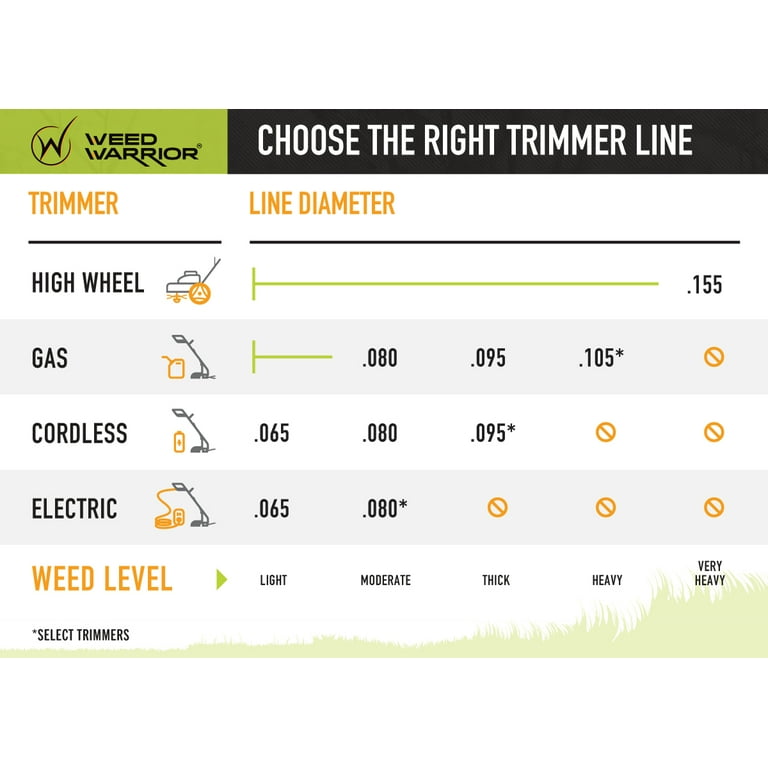
What Size Trimmer Line for Weed Eater
Choosing the right size of trimmer line for your weed eater is crucial for maintaining efficiency. Different tasks require different line sizes. Smaller lines, around 0.065 to 0.080 inches, are ideal for light trimming. These are great for grass and small weeds. They reduce strain on the motor and are less likely to damage delicate plants.
For more demanding jobs, a larger line is necessary. Sizes ranging from 0.085 to 0.105 inches are perfect for thicker weeds and moderate brush. According to this article, the thicker lines provide better durability and cutting power. These sizes are often used by professionals who need reliability and performance.
The thickest lines, from 0.110 to 0.155 inches, are reserved for heavy-duty tasks. These are suitable for dense brush and tough weeds. Using these thicker lines requires a powerful trimmer. They are less likely to break and can cut through stubborn vegetation with ease. This level of robustness is necessary for maintaining large areas.
To determine the best size for your needs, consider the type of vegetation you’ll be trimming. As noted in this post, proper maintenance and winding of the trimmer line can also affect performance. Always check your trimmer’s manual to ensure you’re using the recommended line size. This helps to avoid any potential damages and keeps your equipment running smoothly.
Factors to Consider when Selecting Trimmer Line Size
When selecting the right trimmer line size, the first factor to consider is the type of vegetation you will be cutting. Light grass requires a thinner line, while thick weeds and brush need a heavier line. A 0.065-inch line is perfect for trimming small grass. On the other hand, a 0.110-inch line is suitable for cutting through dense weeds. Choosing the right size ensures efficiency and reduces wear on your weed eater.
The power of your trimmer also plays a significant role. Electric trimmers, which typically have low power, work well with thinner lines. Gas-powered trimmers, with more powerful motors, can handle thicker lines. Matching the line size to the trimmer’s power is essential. This prevents motor strain and improves cutting performance.
Another crucial factor is the trimmer line shape. Different shapes, such as round, square, and star-shaped, offer varied cutting capabilities. Round lines are durable and suitable for light trimming jobs. Square and star-shaped lines have sharper edges, making them more effective for heavy-duty tasks. Selecting the correct shape based on your needs can boost efficiency.
Lastly, consider the line’s material quality. High-quality nylon lines last longer and perform better. According to this expert opinion, old or poor-quality lines can curl up and reduce effectiveness. Investing in a durable line is wise. It helps in achieving cleaner cuts and extends the trimmer’s life.
Impact of Trimmer Line Size on Performance
Trimmer line size significantly influences the performance of your weed eater. A smaller line, such as 0.065 inches, is perfect for light trimming tasks. It offers precision and is easier on the motor, but it can break easily when used on tough vegetation. This size is best for lawns with mostly grass. Similarly, it ensures clean and gentle cuts around flower beds.
Medium-sized lines, ranging from 0.085 to 0.105 inches, provide a balance between power and flexibility. These lines can handle thicker grass and moderate weeds without breaking frequently. They are suitable for most residential gardens. With their ability to withstand moderate wear and tear, they offer enhanced durability. Many homeowners find this size ideal for versatile lawn care.
Thicker lines, from 0.110 inches and above, are designed for heavy-duty tasks. They can cut through dense brush and stubborn weeds efficiently. However, using these lines requires a more powerful trimmer. This type is often used in professional landscaping. It ensures high performance even in challenging conditions.
Choosing the wrong line size can lead to inefficiency and equipment damage. A line that’s too small may break frequently and cause frustration. Conversely, an overly thick line may strain the motor and reduce its lifespan. By selecting the appropriate line size, you maximize both trimmer efficiency and durability. It’s crucial to balance the line size with the specific needs of your lawn.
The Different Sizes of Trimmer Lines and their Applications
Trimmer lines come in various sizes, each suited for specific tasks. The smallest size, typically 0.065 inches, is ideal for light-duty trimming. It’s best used on small lawns with only grass. This size offers precision and is gentle enough not to damage delicate plants. Homeowners with minimal lawn maintenance needs often choose this size.
Medium-sized trimmer lines, from 0.080 to 0.105 inches, are versatile and handle most residential tasks. They work well for thicker grass and moderate weeds. These lines provide a balance between strength and flexibility. They are durable enough to last longer without frequent breaks. Most homeowners find these sizes ideal for regular yard maintenance.
Thicker lines, ranging from 0.110 to 0.155 inches, are designed for heavy-duty applications. These lines can cut through dense brush and tough weeds. They are commonly used by professional landscapers due to their robust nature. While they require a more powerful trimmer, their durability makes them worth the investment. They are perfect for large properties or areas with dense vegetation.
Specialty lines also exist for specific purposes. For instance, there are round, square, and star-shaped lines. Round lines are the most common and durable. Square and star-shaped lines have sharper edges for more precise cutting. Each shape offers unique benefits depending on the task at hand.
Choosing the right trimmer line involves evaluating your lawn care needs. Consider the vegetation type and the size of the area to be trimmed. Professionals often use thicker, more durable lines for large, tough areas. Casual users with smaller lawns might prefer thinner lines for their ease of use. By matching the trimmer line size to your specific application, you ensure efficiency and effectiveness in your lawn care routine.
Frequently Asked Questions
Trimmer lines are essential for maintaining lawns and tackling various gardening tasks. Here are some common questions about trimmer lines and their usage to help you make informed decisions.
1. How often should I change my trimmer line?
You should change your trimmer line whenever it becomes brittle or breaks frequently. Regularly inspect the line for signs of wear or damage, especially if you use your trimmer extensively. On average, light users can replace the line once a season, while heavier users may need to do it more often.
The frequency of changing your trimmer line also depends on the quality and type of material used. For example, high-quality nylon lines last longer than cheaper alternatives. According to experts, investing in a durable trimmer line can reduce the hassle of frequent replacements.
2. Can I use thicker trimmer line on my electric weed eater?
Using a thicker trimmer line on an electric weed eater is possible but not always advisable. Electric models generally have less power compared to gas-powered ones, so using a very thick line can strain the motor. It’s crucial to consult your weed eater’s manual to find the recommended line size.
If you need more cutting power without overly straining your machine, consider using a medium-sized line instead of jumping straight to thick options. Balancing between performance and durability helps extend the life of both your equipment and the trimmer line itself.
3. What materials are best for trimmer lines?
Nylon is commonly used for making durable and effective trimmer lines because it’s tough yet flexible enough for different jobs. Some high-end options even include materials like aluminum or polymers blended into nylon for enhanced strength.
If you’re dealing with tough brush or heavy-duty landscaping tasks, opting for reinforced nylon or other composite materials can improve performance significantly. These advanced materials offer added durability and reduce breakage during operation.
4. Are there eco-friendly options for trimmer lines?
Yes, there are eco-friendly options available made from biodegradable materials that minimize environmental impact after disposal. These green alternatives perform similarly to traditional lines but decompose naturally over time.
Choosing an eco-friendly option can be beneficial if you’re conscious about sustainability and waste management in garden care practices. Always verify that these biodegradable lines match well with your specific weed eater model for optimal results.
5. How do I prevent my trimmer line from breaking too quickly?
Avoiding contact with hard objects like rocks and fences can substantially extend the life of your trimmer line by reducing breakages caused by impact forces; maintaining proper tension during usage is also vital in preventing premature wear.
Selecting high-quality, durable yard tools alongside utilizing techniques such as soaking nylon in water before application may further enhance resilience; combined skillful operations lead toward minimized malfunctions regarding standard upkeep reliability improvement efficiencies.
Conclusion
Understanding the correct size of trimmer line for your weed eater is essential for achieving optimal performance and longevity. Whether you’re dealing with light grass or dense brush, choosing the right line ensures efficiency and reduces equipment strain. Regular maintenance and smart choices in line material can further enhance your gardening experience.
Investing in high-quality trimmer lines and following the manufacturer’s recommendations will save you time and effort. By considering factors such as vegetation type and trimmer power, you can achieve professional-looking results in your lawn care tasks. A little knowledge goes a long way in keeping your equipment running smoothly and effectively.

I’m Patricia D. Johnson, an affiliate marketer and blogger specializing in trimmers and grooming tools. I create honest reviews, buying guides, and practical tips to help readers choose the right trimmer for their needs. With a focus on quality, performance, and value, I simplify the decision-making process so consumers can make confident purchases.