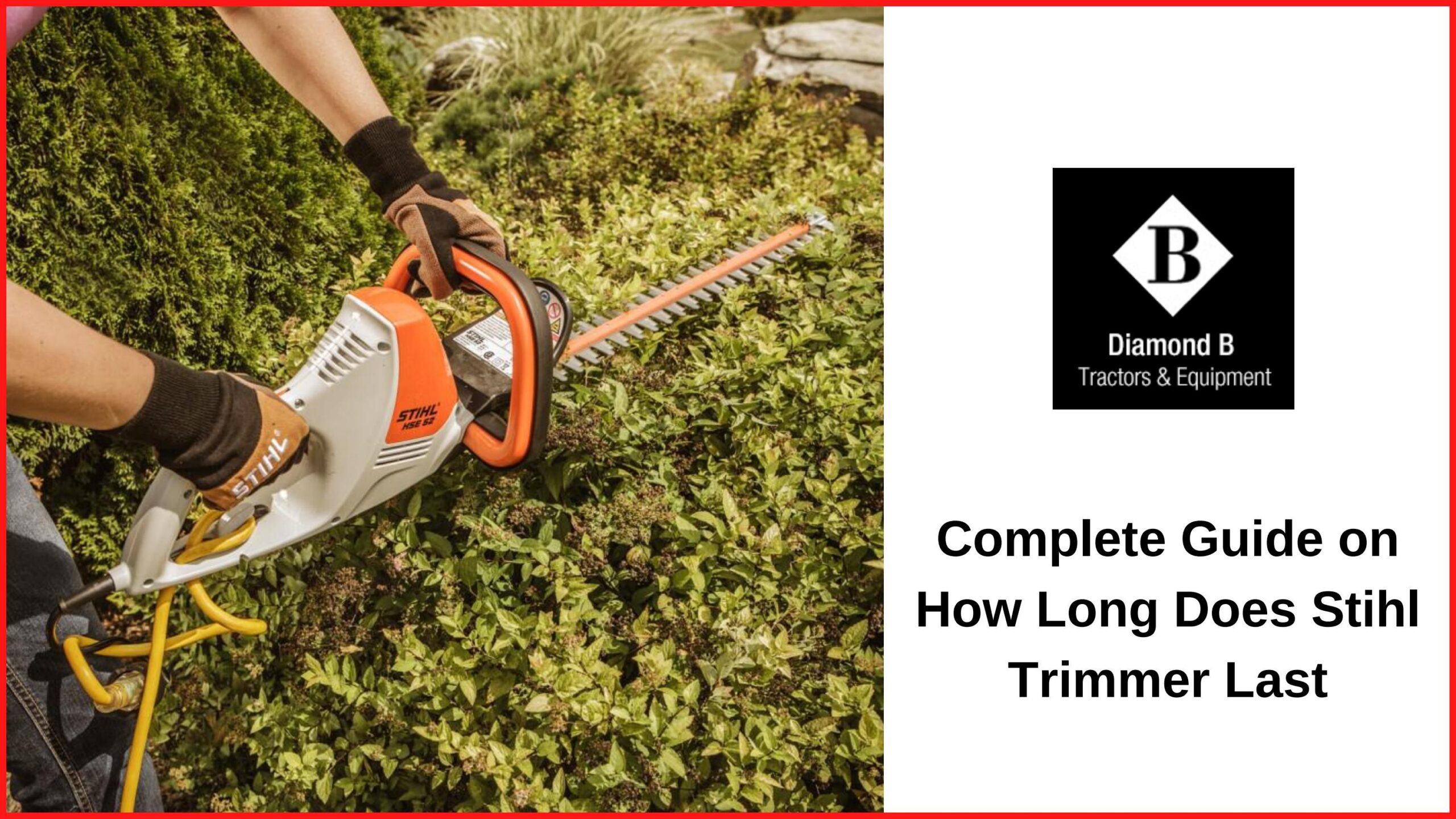
When it comes to grooming tools, trimmers are often expected to be workhorses. In fact, many are surprised to learn that top-quality trimmers can last from three to five years with proper maintenance. This seems impressive until you consider the relentless wear and tear they endure from frequent use.
Historical data and expert insights suggest that advancements in blade technology and battery life have significantly extended the longevity of trimmers. It’s fascinating to note that a well-maintained trimmer can handle thousands of hours of grooming. Industry leaders even offer replacement parts and maintenance guides, ensuring that a single purchase can suffice for years to come.
How Long Does a Trimmer Last?
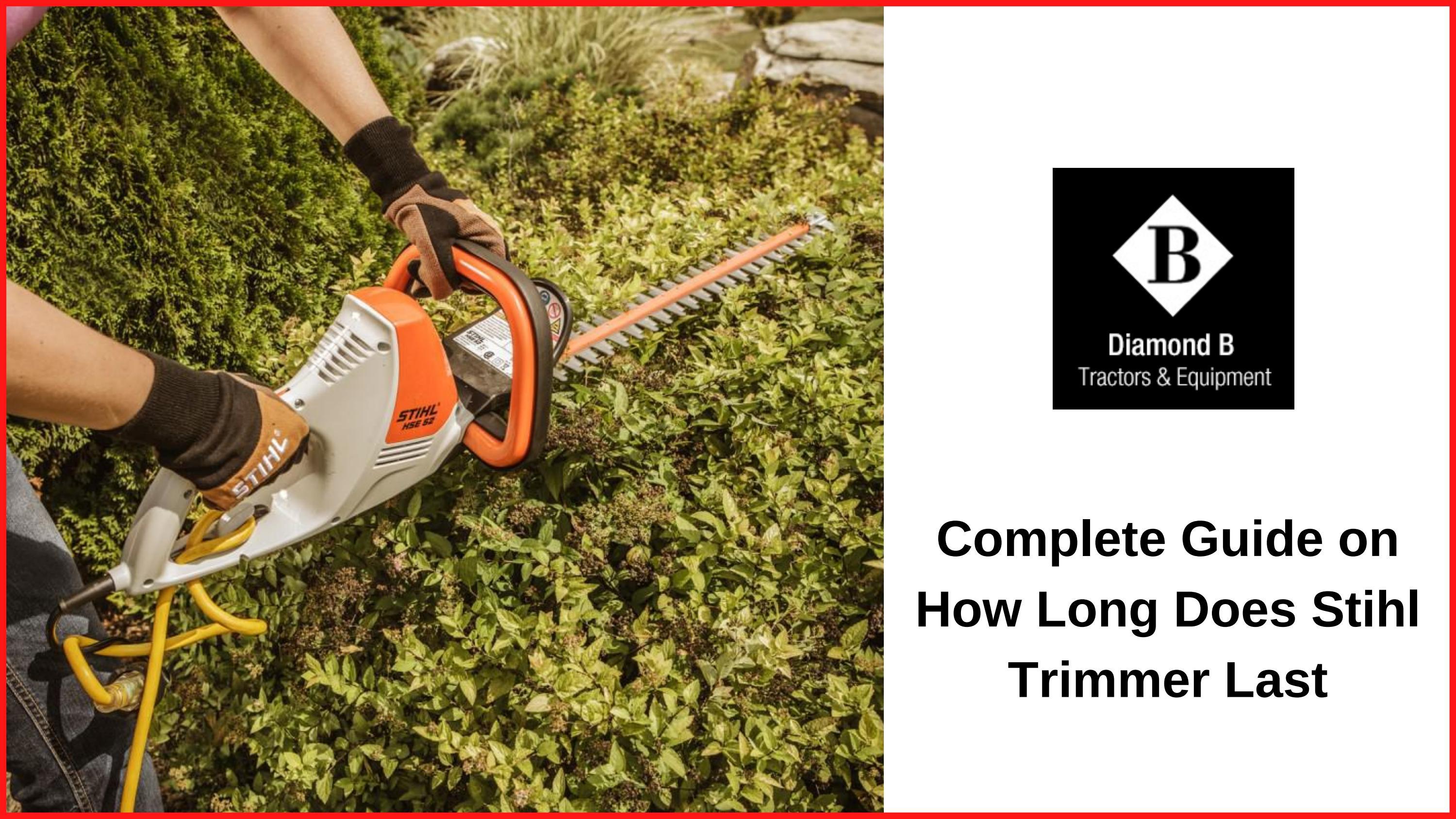
Many people wonder how long a trimmer can last under regular use. The average trimmer can last between three to five years if properly maintained. Factors like the quality of the trimmer and how frequently it’s used play a huge role. High-quality trimmers often outlast their cheaper counterparts. Regular maintenance, such as cleaning and oiling, extends the lifespan significantly.
According to this post, Worx trimmers have been praised for their durability. They’ve been reported to last even longer with proper care. However, user reviews indicate that the lasting capability also depends on the brand and model. In general, trimmers with replaceable parts tend to have a longer lifespan. This feature allows for individual part replacements instead of buying a whole new trimmer.
Factors such as battery life and blade sharpness also impact how long a trimmer lasts. For example, lithium-ion batteries provide longer-lasting power compared to older battery types. Keeping blades sharp ensures a clean cut and reduces the wear they experience. Regularly charging the battery, as outlined in this article, can also help maintain the trimmer’s efficiency. All of these practices contribute to extending the life of your trimmer.
In conclusion, the life expectancy of your trimmer depends on multiple factors. From the type and brand of the trimmer to how well it’s maintained, every aspect counts. Proper care can turn an average trimmer into a tool that lasts for years. Always check user reviews and expert opinions before making a purchase, and follow maintenance guidelines to keep your trimmer in top condition.
Average Lifespan of a Quality Trimmer
The average lifespan of a high-quality trimmer generally ranges from three to five years. This is contingent upon proper maintenance and usage frequency. Some premium models can even last longer, approaching the seven-year mark if taken care of well. Regular cleaning and replacement of worn-out parts play a crucial role in longevity. A reliable trimmer can be a long-term investment if treated properly.
Many users find that switching to a high-quality trimmer significantly improves durability. According to this expert opinion, regular maintenance can extend the trimmer’s life beyond the average. It’s also noted that preventive care like oiling the blades and battery management are critical. Failing to do so can shorten its lifespan considerably. Therefore, following these best practices is vital.
Different brands offer various longevity guarantees, but most reputable ones fall within the three to five-year range. It’s also worth checking whether the trimmer comes with a warranty. Many manufacturers provide extended warranties for added peace of mind. This ensures that any malfunction within the specified period can be addressed. Always read reviews and check product specifications before purchasing.
Technological advancements have also helped prolong the trimmer’s lifespan. Modern trimmers come with self-sharpening blades and more efficient batteries. These features reduce the need for frequent replacements. High-quality materials used in construction contribute to their durability. Investing in such trimmers can save you money in the long run.
Factors Determining the Longevity of Trimmers
Several key factors influence how long a trimmer will last. The quality of materials used in manufacturing is crucial. High-grade steel blades and durable plastic casings tend to last longer. Advanced features such as self-sharpening blades also contribute to a trimmer’s lifespan. Additionally, ergonomic designs can reduce wear and tear over time.
Another significant factor is usage frequency. A trimmer used daily will naturally wear out faster than one used occasionally. For infrequent users, a standard trimmer may last many years. However, professional barbers may need to replace their trimmers more frequently. Consistent, heavy use rapidly diminishes blade sharpness and battery life.
Proper maintenance plays a vital role in extending a trimmer’s life. Regular cleaning removes hair and debris that can clog the blades. Oiling the blades keeps them sharp and reduces friction. Charging the battery correctly ensures optimal performance. Neglecting these practices can lead to early malfunctions.
Environmental factors also impact trimmer longevity. Humidity and moisture can cause rust and corrosion. Storing your trimmer in a dry place mitigates these risks. Temperature fluctuations can affect battery life and overall performance. Investing in a protective case can shield your trimmer from adverse conditions.
Impact of Proper Maintenance on Trimmer Lifespan
Proper maintenance significantly impacts the lifespan of a trimmer. Regular cleaning of the blades prevents the build-up of hair and debris, which otherwise can cause the motor to strain. This strain can lead to the motor burning out prematurely. Frequent cleaning sessions also ensure that the blades remain sharp. Sharp blades provide a better cut and experience less wear over time.
Oiling the blades is another crucial maintenance step. Lubrication reduces friction between the blades, minimizing wear and tear. This practice not only extends the life of the blades but also makes the trimming process smoother. Lack of lubrication can cause the blades to dull quickly. Hence, oiling is essential for long-lasting trimmer performance.
Battery care also greatly affects how long your trimmer lasts. Always follow the manufacturer’s charging guidelines. Overcharging or undercharging can degrade the battery faster. According to this post, charging your trimmer correctly ensures optimal battery health. Replacing the battery when it shows signs of wear can also extend the trimmer’s lifespan.
Storing the trimmer properly is another important factor. Keep it in a dry, cool place to avoid rust and corrosion. Moisture can damage both the blades and electrical components. Using a protective case can prevent dust accumulation and physical damage. All these storage practices help maintain the trimmer’s efficiency.
Regularly replacing worn-out parts is essential for longevity. Some trimmers have replaceable blades and batteries. Swapping these parts out rather than buying a new trimmer can save money. It also ensures optimal performance, as new parts function better. Keeping up with parts replacement prolongs the life of the entire unit.
Proper maintenance routines can be simple yet effective. A few minutes of care after each use can add years to your trimmer’s life. Regularly checking and adhering to maintenance practices recommended by the manufacturer is also helpful. Investing time in these routines ensures that your trimmer remains efficient and reliable over the years.
Technological Advancements Extending Trimmer’s Lifespan
Technological advancements have played a vital role in extending the lifespan of trimmers. One significant improvement is the use of lithium-ion batteries. These batteries last longer and are more efficient. They also provide consistent power, reducing the chances of the trimmer malfunctioning. This results in a longer-lasting device that performs well even after repeated use.
Another major advancement is the development of self-sharpening blades. These blades maintain their sharpness over time, which means they cut more efficiently and require less maintenance. Self-sharpening technology eliminates the need for frequent blade replacements. Consequently, the overall lifespan of the trimmer increases. Users benefit from a tool that remains effective for a longer period.
Smart trimmer technology has also made significant strides. Modern trimmers often come with sensors that detect the thickness of hair. These sensors adjust the blade speed accordingly for a smoother cut. This minimizes wear on the motor and blades. Intelligent features not only improve user experience but also extend the life of the trimmer.
Additionally, many high-end trimmers now feature water-resistant designs. This makes cleaning the trimmer easier and reduces the risk of water damage. Water-resistant models are less prone to rust and corrosion. This design innovation adds years to the trimmer’s life. Users can clean their trimmers without worrying about damaging the internal components.
Advanced materials and construction techniques have also impacted trimmer longevity. High-quality trimmers are often made from durable materials like stainless steel and sturdy plastics. These materials are designed to withstand daily use and resist damage. Improved construction means fewer breakdowns and longer tool life. Users get a premium product that stands the test of time.
Choosing a Long-lasting Trimmer: What to Look For
When choosing a long-lasting trimmer, it’s essential to consider several factors. First, look at the quality of materials used. Stainless steel blades and durable plastics often indicate a longer lifespan. These materials resist wear and tear effectively. Choosing a trimmer with high-quality components will save you money in the long run.
The battery type and capacity also play crucial roles. Lithium-ion batteries are more efficient and last longer than other types. They offer consistent power throughout their charge cycle. Additionally, a trimmer with a quick charging feature can be convenient. This allows you to use it more frequently without worrying about battery life.
Another important factor is the presence of self-sharpening blades. These blades remain sharp and reduce the need for maintenance. They provide a smooth cutting experience even after extensive use. Other advanced features like water resistance and smart sensors are also beneficial. These elements contribute to a trimmer’s longevity by reducing wear and tear.
Consider the ease of maintenance when making your choice. A trimmer that is easy to clean and oil will last longer. Look for models that come with accessible parts and provide user-friendly instructions. Some trimmers even include cleaning kits. A well-maintained trimmer will serve you efficiently for many years.
Brand reputation can also be a good indicator of a trimmer’s durability. Trusted brands often offer warranties and customer support. Reading customer reviews can provide insights into the trimmer’s performance. High-rated trimmers by users generally suggest better durability. Investing in a reputable brand ensures you get a quality product.
Lastly, check if the trimmer has replaceable parts like blades or batteries. Being able to replace individual parts extends the trimmer’s life. This is more cost-effective compared to buying a new unit. Overall, a little research and attention to details can help you choose a trimmer that stands the test of time.
Frequently Asked Questions
Here are some common questions related to trimmers and their maintenance. This section aims to provide clear and concise answers for those seeking more information.
1. How Often Should I Clean My Trimmer?
You should clean your trimmer after every use to maintain optimal performance. This helps remove hair and debris that can clog the blades.
Regular cleaning prevents the motor from straining, which can shorten its lifespan. Always refer to the manufacturer’s guidelines for specific cleaning instructions.
2. What Type of Oil Should I Use on Trimmer Blades?
Using a lightweight, specially formulated trimmer blade oil is recommended. These oils are designed to reduce friction and keep blades sharp.
Avoid using regular household oils as they can gum up the blades over time. Proper lubrication ensures smooth operation and extends blade life.
3. Are Cordless Trimmers As Durable As Corded Ones?
Cordless trimmers can be just as durable if they have high-quality batteries and components. Lithium-ion batteries are often preferred for their efficiency and longevity.
Corded trimmers have fewer battery issues but depend on power stability. The choice depends on individual needs and usage frequency.
4. Can I Sharpen Trimmer Blades Myself?
Yes, you can sharpen trimmer blades yourself using a sharpening stone or file specifically designed for this purpose. Regular sharpening maintains cutting efficiency.
If you’re not comfortable doing it yourself, professional sharpening services are available. Keeping the blades sharp ensures a longer-lasting trimmer.
5. Do All Trimmers Come With Replacement Parts?
No, not all trimmers come with replacement parts like extra blades or batteries included in the package. It’s best to check before buying.
However, many reputable brands offer spare parts that you can purchase separately. This feature adds value by extending the life of your trimmer.
Conclusion
Understanding the factors that impact the longevity of trimmers can save you time and money. High-quality materials, proper maintenance, and technological advancements all play crucial roles. By making informed choices, you can extend the lifespan of your grooming tools.
Whether you need a trimmer for daily use or occasional grooming, selecting a durable model and following care guidelines is key. Investing in a reliable trimmer ensures efficiency and reliability over the years. Keep these tips in mind to get the most out of your trimmer.

I’m Patricia D. Johnson, an affiliate marketer and blogger specializing in trimmers and grooming tools. I create honest reviews, buying guides, and practical tips to help readers choose the right trimmer for their needs. With a focus on quality, performance, and value, I simplify the decision-making process so consumers can make confident purchases.