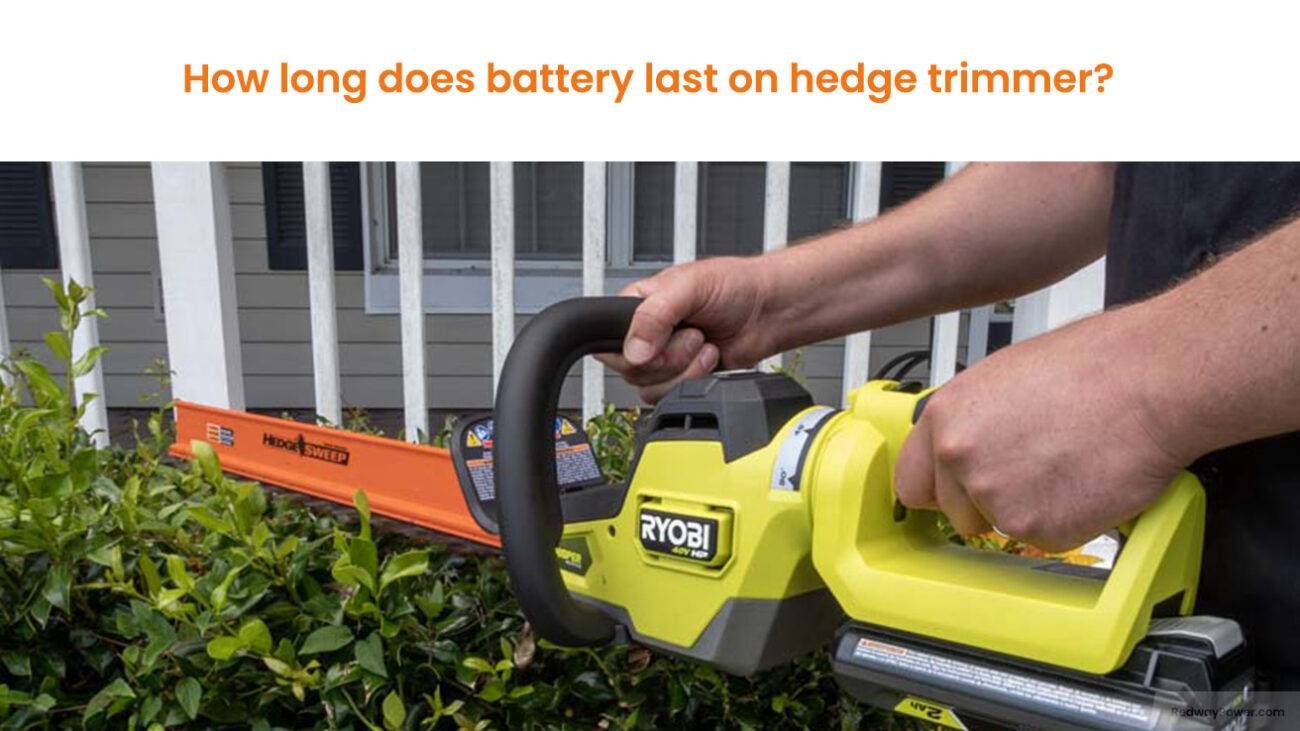
Ever noticed how garden maintenance routines hinge on the battery life of your trimmer? For many, a typical trimmer battery can last anywhere from 30 minutes to an hour on a single charge. The variability often depends on the type of grass and thickness of vegetation you’re tackling.
Historically, trimmer batteries have seen significant advancements. Modern lithium-ion batteries, for instance, can last up to three times longer than older nickel-cadmium counterparts. It’s no wonder that professionals prefer them for their high efficiency and reduced downtime, ensuring seamless landscaping operations.
How Long Does a Trimmer Battery Last?
Trimmer batteries can last quite differently depending on various factors. For instance, a typical lithium-ion battery can run for about 30 minutes up to an hour on a single charge. However, this duration can vary based on the density of the grass and the power of the trimmer. For more details, here is the article that explains how charging time also impacts battery life. So, the specific tasks you use it for can affect how long it lasts.
Several elements influence the battery duration of a trimmer. The type of vegetation you are cutting plays a significant role. Thicker grass or tougher plants can drain the battery more quickly. Also, the trimmer’s power settings and age can make a difference. Older batteries may not hold a charge as long as new ones.
To extend your trimmer’s battery life, follow some best practices. Always make sure to charge the battery fully before use. Keep the trimmer clean and well-maintained. Avoid overcharging the battery as it can reduce its lifespan. According to this post, regular maintenance can also play a critical role.
Different types of trimmer batteries offer varying lifespans. For example, lithium-ion batteries are known for their durability and longer life. However, nickel-cadmium batteries might need more frequent charging. Understanding the type of battery your trimmer uses can help you better manage its life. Always refer to the manufacturer’s guidelines for optimal use.
Factors Determining Battery Life
Several factors can determine the battery life of your trimmer. One crucial aspect is the type of battery itself. Lithium-ion batteries tend to last longer compared to nickel-cadmium ones. The age of the battery also plays a significant role, as older batteries may not hold a charge as well. According to this expert opinion, even the best batteries can degrade over time.
Another significant factor is the intensity of use. Trimmers working on thick, tough grass will drain their batteries faster than those trimming lighter, softer grass. High-power settings can also reduce battery life. If you’re using the trimmer at its maximum power, expect the battery to deplete quicker. So, choosing the right power setting is crucial.
Environmental conditions can also impact battery life. Extremely hot or cold temperatures can affect how long the battery lasts. For instance, batteries might not perform well in freezing conditions. Similarly, operating your trimmer under extreme heat can cause the battery to overheat, leading to quicker discharge.
Proper maintenance and charging habits are equally important. Regularly clean your trimmer to ensure it runs efficiently. Avoid letting the battery die completely before recharging, as this can harm its longevity. Following the manufacturer’s guidelines on charging can help extend the battery’s life significantly.
Types of Trimmer Batteries and Their Durability
Trimmer batteries come in various types, each with its own durability. The most common types are lithium-ion (Li-ion) and nickel-cadmium (NiCd). Lithium-ion batteries are popular due to their light weight and longer life. They tend to hold a charge longer and deliver consistent power. On the other hand, nickel-cadmium batteries are heavier and have shorter lifespans.
Another type of battery used in trimmers is the lead-acid battery. These are less common but are still found in some heavy-duty models. Lead-acid batteries are known for their durability and capacity. However, they are significantly heavier and bulkier. They also require regular maintenance to ensure optimal performance.
Each battery type has its own pros and cons. Lithium-ion batteries are efficient and require less maintenance. However, they are usually more expensive. Nickel-cadmium batteries are cheaper but may require regular charging. Lead-acid batteries offer high durability but lack portability due to their weight.
Understanding the specific needs of your tasks can help you choose the right battery type. For lighter tasks, a lithium-ion battery may be ideal. For more demanding work, a lead-acid or nickel-cadmium battery might be more suitable. Different batteries can also impact the trimmer’s run time and overall durability, emphasizing the importance of choosing wisely.
Maximizing Battery Life: Best Practices
To get the most out of your trimmer battery, it’s essential to follow some best practices. First, always charge the battery fully before using your trimmer. Avoid partial charges, as they can degrade the battery over time. Store the battery in a cool, dry place. Heat and humidity can shorten its lifespan.
Regular maintenance is crucial to ensure your battery lasts long. Keep the trimmer and its battery compartment clean. Dirt and debris can interfere with battery connections. Periodically check for any signs of wear and tear. Addressing small issues promptly can prevent bigger problems.
Another good practice is to avoid overworking the battery. For demanding tasks, take breaks to let the trimmer cool down. Continuous use on high settings can overheat the battery. This can lead to quicker discharges and reduced battery life. Use appropriate power settings for different types of vegetation.
Proper charging habits can also extend your battery’s lifespan. Avoid leaving the battery on the charger for extended periods. Overcharging can degrade the cells. Instead, remove the battery once it’s fully charged. Following the manufacturer’s guidelines for charging can help a lot.
Different tasks require different power settings. Use lower settings for light trimming jobs. Save high power for tougher tasks that need more oomph. Balancing power use helps to spread the load on the battery. This way, you ensure longer runtime and better longevity.
Some trimmers come with features that can help extend battery life. Look for models with eco or power-saving modes. These settings can help you get the most out of each charge. Utilizing these built-in features can be a game-changer in maintaining battery health.
Signs of Battery Deterioration
Recognizing the signs of battery deterioration is crucial for maintaining your trimmer’s efficiency. One of the first indicators is a noticeable decrease in performance. If your trimmer isn’t running as long on a full charge, it’s a sign the battery might be deteriorating. Charging the battery more frequently than usual can also be a red flag. Reduced runtime usually points to aging battery cells.
Another sign is the battery not holding a charge. If your battery discharges quickly even while it’s not in use, it may be time for a replacement. Swollen or deformed batteries are also a telltale sign of wear. Physical changes often indicate internal issues. It’s safer to replace a swollen battery immediately.
Heat can be another indicator. If the battery gets unusually hot during normal use or charging, it’s a clear sign of deterioration. Overheating can reduce battery life significantly. Always pay attention to temperature changes. Consistently warm batteries indicate they are working harder than they should.
Struggling to power through regular tasks is another warning sign. If your trimmer pauses or stops unexpectedly, the battery might be failing. As batteries age, they can’t deliver consistent power. These interruptions can disrupt your work. Addressing this early can save you from bigger headaches later on.
Some trimmers come with battery life indicators. These features can alert you to diminishing battery health. Pay attention to any warning lights or notifications on your trimmer. These indicators can help you stay ahead of potential issues. Replacing the battery at the first signs of trouble ensures smoother operation.
Choosing a Trimmer with Long Battery Life
When selecting a trimmer with long battery life, consider the type of battery it uses. Lithium-ion batteries are a popular choice for their efficiency and longevity. They tend to deliver consistent power and require less maintenance. Look for trimmers that are compatible with these batteries. This will ensure a good balance between performance and battery life.
Another important factor is the trimmer’s power settings. Some models offer eco or power-saving modes, which can help extend battery life. These features allow you to adjust the power output based on the task. For lighter trimming jobs, you can use a lower setting. The variety in power settings can help you manage the battery more effectively.
Also, check the battery’s capacity, usually denoted in ampere-hours (Ah). A higher Ah rating generally means a longer runtime. However, bigger batteries can also be heavier. It’s essential to find a balance that meets your needs. You can refer to product reviews to get an idea of real-world performance.
Consider the trimmer’s overall design and whether it includes a battery life indicator. This feature can be incredibly useful for monitoring battery health. Indicators can alert you when the battery is running low. This helps you avoid unexpected interruptions during your work. A reliable indicator keeps you informed and prepared.
Finally, think about the brand and customer reviews. Go for reputable brands known for quality and durability. Look at reviews to find what others say about the trimmer’s battery life. Real-world feedback can be a valuable guide. This way, you can make an informed decision that suits your requirements.
Frequently Asked Questions
Batteries are crucial for trimmers, however understanding their usage and care can be perplexing. Here are some FAQs to help you optimize your trimmer battery performance.
1. What type of battery is best for a trimmer?
Lithium-ion batteries are generally considered the best for trimmers due to their long-lasting power and quick charging times. They tend to provide consistent energy output, making your trimming job efficient and less strenuous.
Moreover, lithium-ion batteries are lighter in weight compared to nickel-cadmium batteries, reducing user fatigue. Their low self-discharge rate also means they retain charge longer when not in use, enhancing overall convenience.
2. How can I extend the life of my trimmer battery?
Regular maintenance is key to extending your trimmer’s battery life. Always ensure that the battery is fully charged before using the trimmer, and avoid letting it completely discharge between uses.
Avoid exposing the battery to extreme temperatures as these conditions can shorten its lifespan significantly. Following these steps ensures stable performance over an extended period.
3. Can I use any charger for my trimmer battery?
No, it’s essential to use the charger specifically designed for your trimmer’s battery type. Using an incompatible charger can lead to inefficient charging and may even cause damage or safety risks.
Your manufacturer’s guidelines will typically recommend a particular charger model that optimizes charge time while ensuring safety standards are met. Stick with those recommendations for optimal performance.
4. How do environmental factors affect trimmer batteries?
Environmental factors such as temperature and humidity significantly impact your trimmer’s battery efficiency. High heat or freezing conditions can cause the battery to degrade faster than usual.
Avoid storing or using your trimmer in extremely hot or cold areas whenever possible. Ideal storage includes cool, dry places away from direct sunlight or dampness.
5. What signs indicate it’s time to replace my trimmer battery?
If you notice that your trimmer is not holding its charge as well as before, it might be time for a new battery. Frequent recharging needs despite short uses half strongly suggest deteriorating cells within the unit.
Also look out for physical changes like swelling or overheating during charges; these signs typically indicate it’s safer and more cost-effective to invest in a new unit rather than risk further damage or inefficiency.
Final Thoughts
Understanding the factors that influence trimmer battery life can significantly enhance performance and longevity. By choosing the right battery type and adhering to best practices, you can achieve optimal results for your landscaping tasks. Regular maintenance and proper charging habits are vital.
Keeping an eye out for signs of battery deterioration ensures you replace it at the right time, avoiding interruptions. Armed with this knowledge, you can make informed decisions to keep your trimmer running efficiently. This way, you maximize both productivity and battery lifespan.

I’m Patricia D. Johnson, an affiliate marketer and blogger specializing in trimmers and grooming tools. I create honest reviews, buying guides, and practical tips to help readers choose the right trimmer for their needs. With a focus on quality, performance, and value, I simplify the decision-making process so consumers can make confident purchases.