
Can You Use Any Size Trimmer Line?
No, you cannot use any size trimmer line today. The right size depends on your trimmer and the job. A wrong size can damage your trimmer or cut poorly. Lines come in many diameters for different tasks and yards. Always check your trimmer manual for the right line size.
Thin lines suit light grass and small weeds at home. Thick lines cut tough brush and dense growth with ease. The right line cuts faster and lasts longer in use. It also lowers wear on your trimmer and keeps you safe. This guide shows sizes, line types, and measuring steps clearly.
Later sections explain line types and size factors in detail. Common sizes, benefits, and measuring steps follow after those. Choosing tips and short answers close the guide at last. Careful sizing keeps your yard neat and your trimmer strong. Small choices now save time and repairs later on.
Quick answer: No, you cannot use any size trimmer line with your trimmer. Light grass needs 0.065 to 0.080 inches for a clean cut. Thick grass needs 0.095 to 0.105 inches for best results. Tough brush needs 0.110 inches or more for safe cutting. Check your manual first, then match the line to your yard.
- Can You Use Any Size Trimmer Line? The Short Answer
- Types of Trimmer Lines
- Factors That Set the Right Line Size
- Common Trimmer Line Sizes
- Benefits of Using the Correct Size
- How to Measure Trimmer Line
- Tips for Choosing the Right Trimmer Line
- Frequently Asked Questions
- Conclusion: Can You Use Any Size Trimmer Line?
Can You Use Any Size Trimmer Line? The Short Answer
No, you cannot use any size trimmer line with your trimmer. The right size depends on your trimmer model and the job. A wrong size can damage your trimmer or reduce its power. It can also cut unevenly and waste your time and effort. Proper line choice keeps your garden neat and your trimmer strong.
Why Size Matters
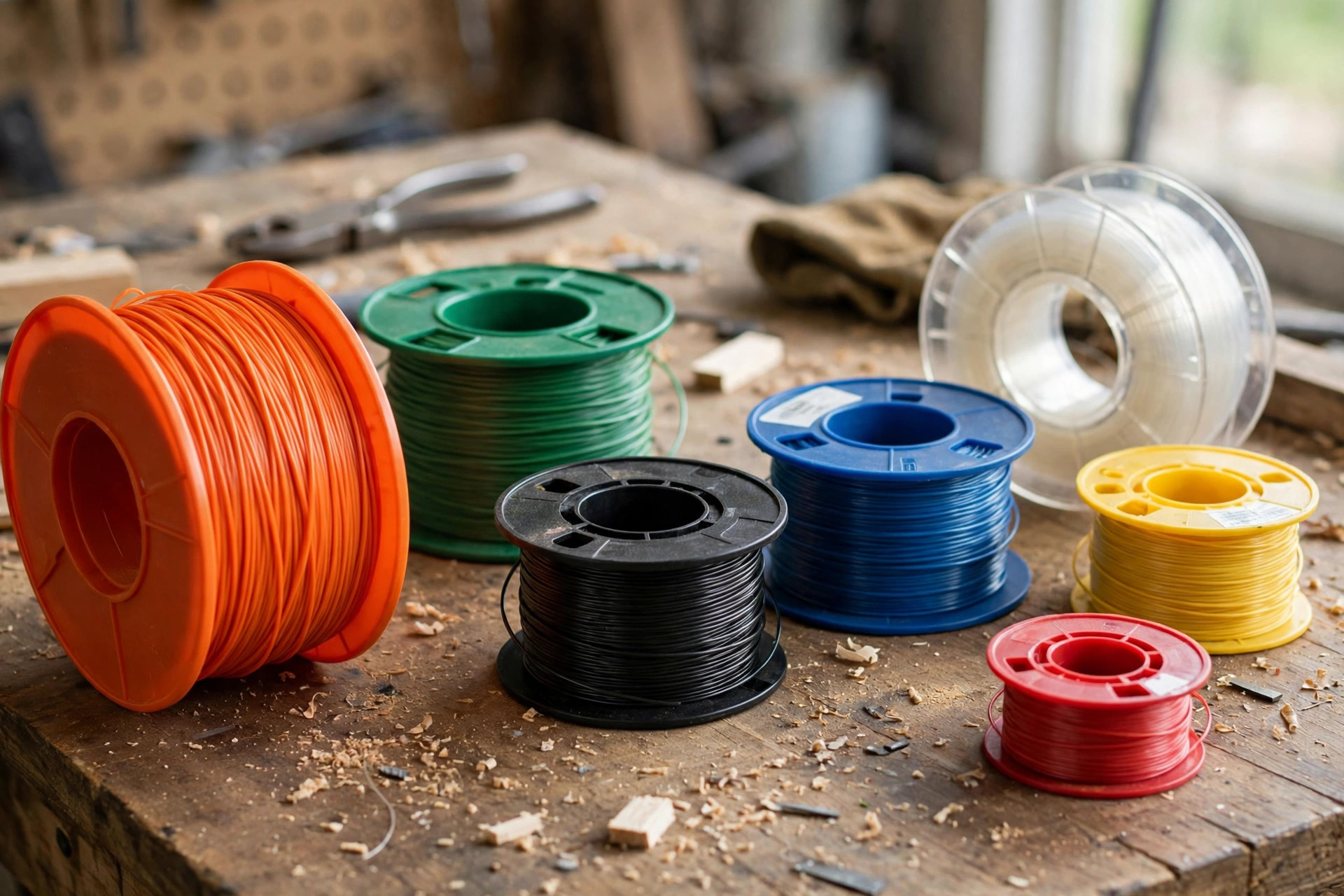
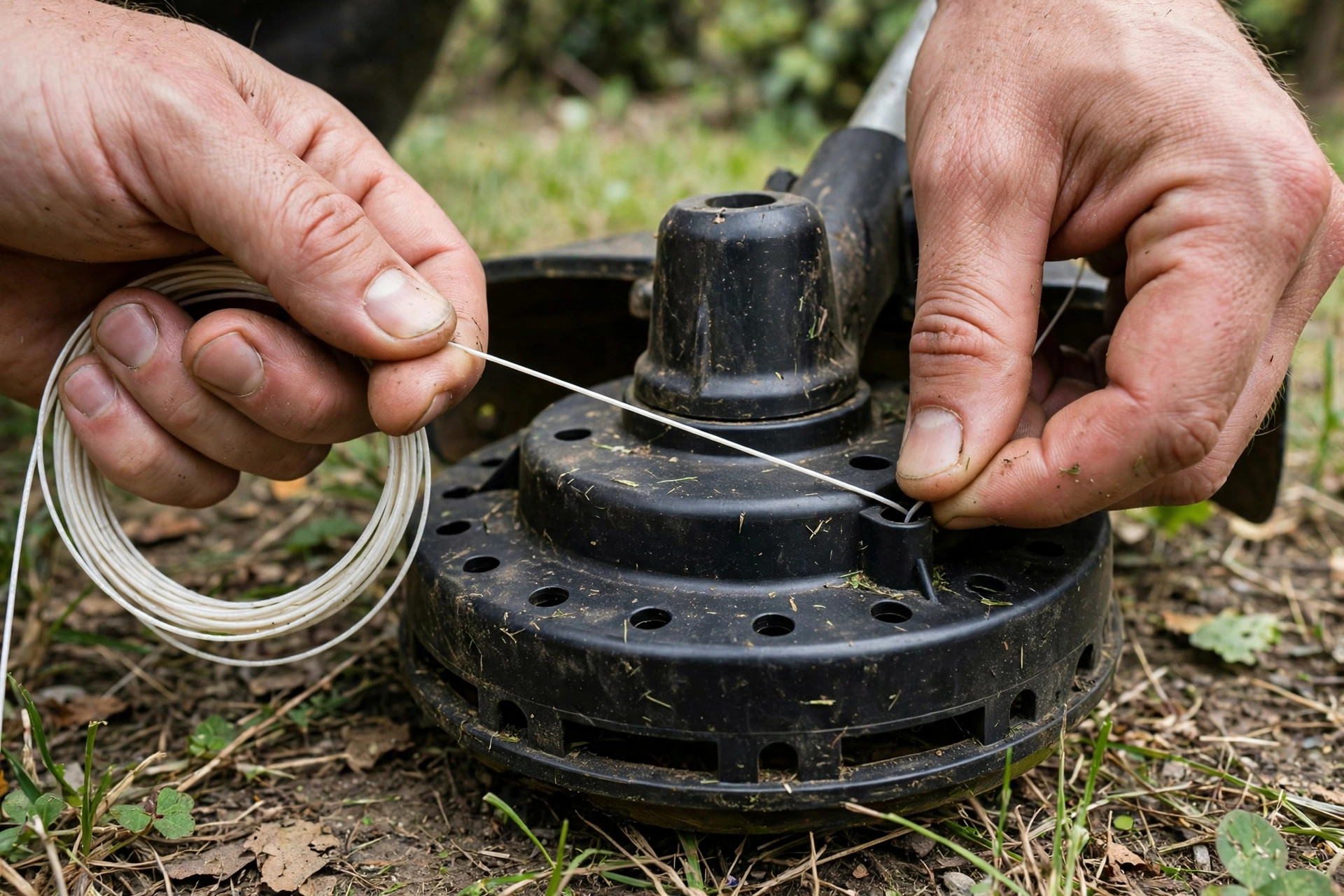
Line size sets how well your trimmer cuts grass and weeds. Thin lines suit light work and load fast in most heads. Thick lines suit tough growth but strain weak motors fast. The wrong size can break often or jam the trimmer head. Our string loading guide explains how to load line safely.
What the Manual Says
Your manual lists the line sizes that fit your trimmer model. It also lists the line shapes your head can hold safely. Follow those limits to protect the motor and the head. Keep the manual near your tools for quick checks each season. Our head change guide explains how to swap a trimmer head.
Types of Trimmer Lines
Trimmer lines come in round, twisted, and square shapes today. Each shape cuts in its own way and suits different jobs. Round lines suit light work while square lines cut tough brush. Twisted lines add strength and cut thick growth with less noise. The sections below explain each type and its best use.
Round Trimmer Line
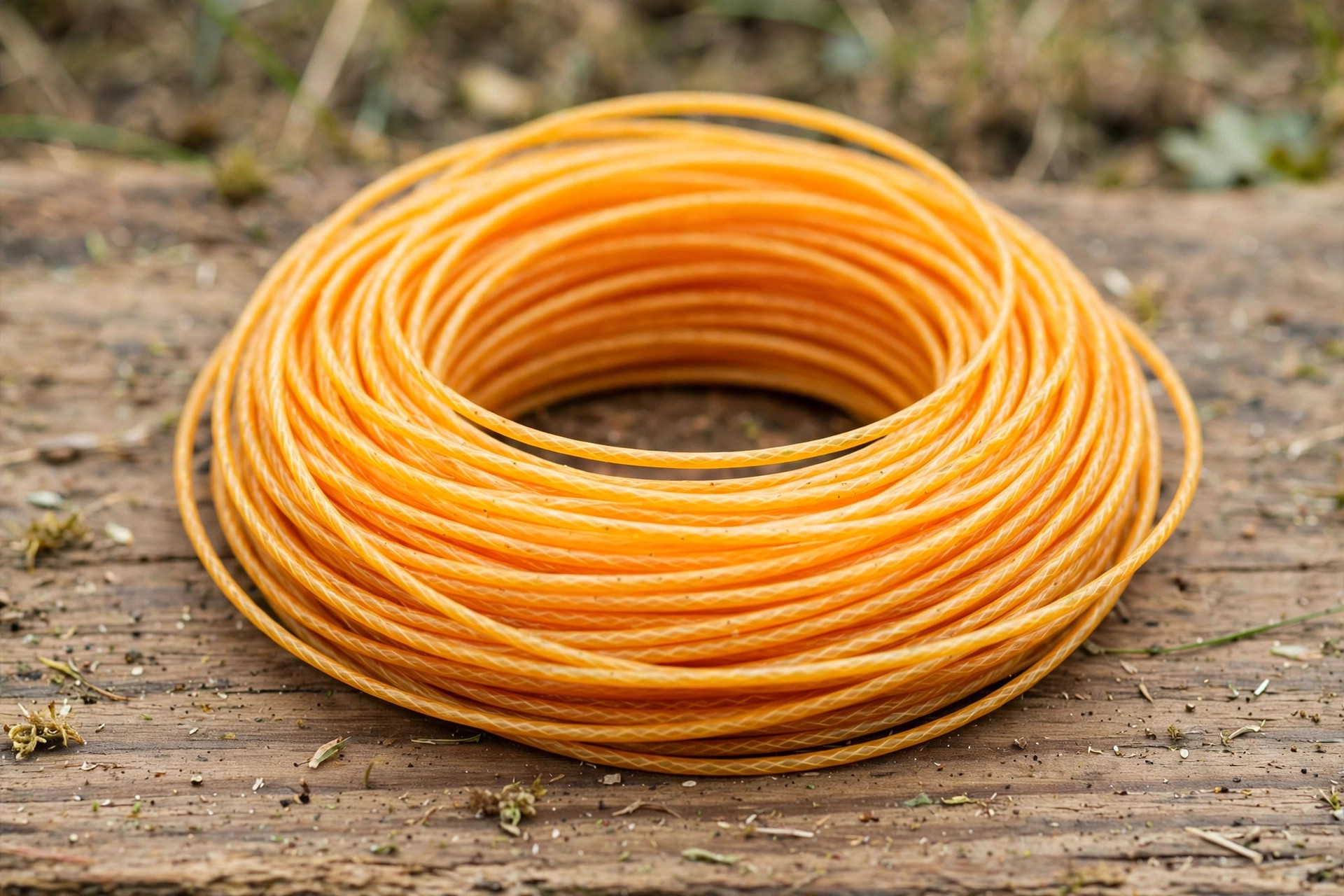
Round trimmer line is the most common type for home use. It suits light-duty trimming of grass and small weeds daily. It is durable, less likely to break, and easy to load. It works well with most trimmers and most standard heads. Our Speed-Feed guide explains fast line loading for these heads.
Twisted Trimmer Line
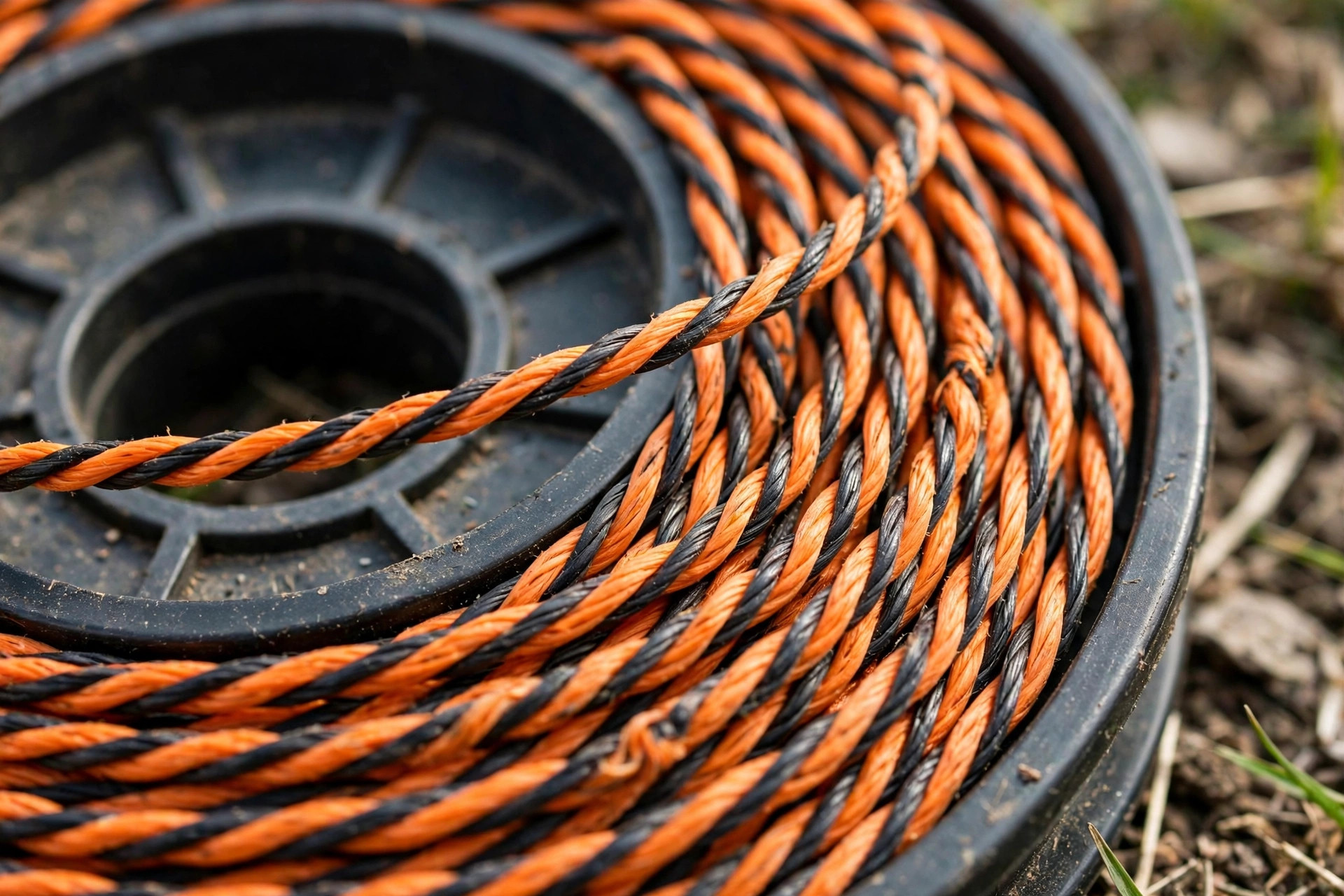
Twisted trimmer line offers extra strength for heavy-duty tasks daily. It reduces noise and gives a cleaner cut on thick growth. It resists wear and tear better than plain round line. It suits high-performance trimmers and thick grass and weeds. Use it when round line snaps too often in your yard.
Square Trimmer Line
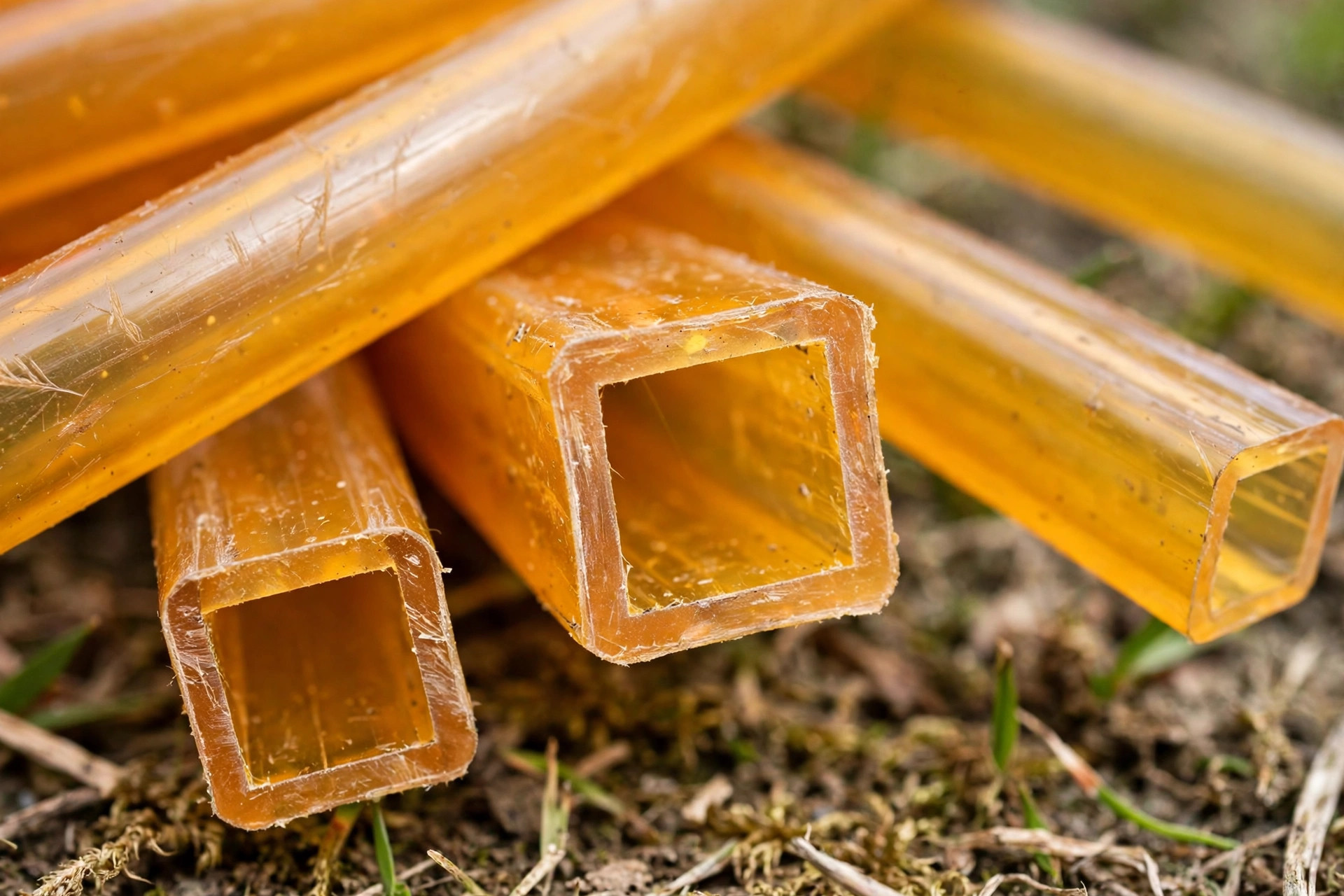
Square trimmer line has sharp edges for tough vegetation daily. It cuts through thick grass and brush with ease each time. It suits professional use and most commercial trimmers at work. It is less likely to fray than round line in use. Check your manual before you use square line at home.
| Line Type | Durability | Best For | Compatibility |
|---|---|---|---|
| Round | High | Grass and weeds | Most trimmers |
| Twisted | Very High | Thick grass and weeds | High-performance trimmers |
| Square | High | Thick grass and brush | Most commercial trimmers |
Factors That Set the Right Line Size
Three factors set the right line size for your trimmer. Vegetation type, trimmer power, and use frequency all matter here. Match the line to all three for the best results daily. A mismatch strains the motor or snaps the line too fast. The sections below explain each factor in clear detail.
Type of Vegetation
Light grass and small weeds need only a thin line. A line of 0.065 to 0.080 inches works well here. Thicker grass and larger weeds need a thicker line daily. Use 0.095 to 0.105 inches for thick grass and weeds. Very tough vegetation may need a line thicker than 0.110 inches.
| Vegetation Type | Recommended Line Diameter |
|---|---|
| Light Grass | 0.065 – 0.080 inches |
| Thick Grass | 0.095 – 0.105 inches |
| Tough Vegetation | 0.110+ inches |
Power of the Trimmer
Low-power trimmers suit thinner lines for smooth cutting daily. A thick line can bog down a low-power trimmer fast. High-power trimmers handle thicker lines with ease each time. Match your trimmer power to the line size for best results. Our blade adjustment guide explains how to tune trimmer parts.
Frequency of Use
Occasional use needs only a thinner line for easy handling. A thin line is easier to handle and replace at home. Frequent use needs a thicker line for longer life daily. A thicker line lasts longer and withstands more wear and tear. Use 0.065 to 0.080 inches for occasional use at home.
Common Trimmer Line Sizes
Three common sizes cover light, medium, and heavy-duty work daily. Each size suits different tasks and different trimmer power levels. Pick the size that matches your yard and your trimmer. The sections below explain light, medium, and heavy lines clearly. The table at the end sums up all three sizes.
Light Duty Lines
Light duty lines suit small, simple tasks around the home. They run 0.065 to 0.080 inches in diameter for light work. They trim grass and small weeds with ease each week. They fit most electric string trimmers and load fast. They are easy to handle and replace at home daily.
Medium Duty Lines
Medium duty lines suit tougher jobs in homes and yards. They run 0.080 to 0.110 inches in diameter for thicker growth. They cut thicker grass and larger weeds with ease daily. They balance durability and flexibility for most yard work. Most gas-powered trimmers use medium duty lines at work.
Heavy Duty Lines
Heavy duty lines suit the most demanding tasks at work. They run 0.110 inches or larger in diameter for tough brush. They cut thick brush and dense vegetation with great strength. They offer maximum durability and strength for large areas daily. They need a powerful trimmer to run well and cut cleanly.
| Duty Level | Diameter | Best For |
|---|---|---|
| Light Duty | 0.065 – 0.080 inches | Grass and small weeds |
| Medium Duty | 0.080 – 0.110 inches | Thicker grass and larger weeds |
| Heavy Duty | 0.110+ inches | Thick brush and dense vegetation |
Benefits of Using the Correct Size
The right size line makes yard work easier, faster, and safer. It cuts grass smoothly and lowers the need for repeat passes. It saves time and energy on every yard job you do. It also protects your trimmer and keeps cutting safe for you. The sections below cover efficiency, wear, and safety in detail.
Improved Efficiency
A well-sized line cuts grass smoothly on the first pass. It lowers the need for multiple passes across the yard. This saves both time and energy on every trimming job. You finish the yard faster and with less effort each time. Our repair guide explains how to fix a trimmer that struggles.
Reduced Wear and Tear
The right size line lowers wear and tear on your trimmer. A line too thick can strain the motor and cause repairs. A line too thin breaks easily and needs constant replacement. Both faults lead to frequent repairs and wasted money over time. Our blade fix guide explains how to fix a damaged trimmer blade.
Enhanced Safety
Safety matters most in lawn care, so size your line well. A line too thick may cause kickback during heavy trimming work. A thin line can snap and fly off toward you or others. Both faults are dangerous, so match the line to your trimmer. Wear eye protection and gloves each time you trim the yard.
| Benefit | Description |
|---|---|
| Improved Efficiency | Faster cutting, less effort needed |
| Reduced Wear and Tear | Longer trimmer life, fewer repairs |
| Enhanced Safety | Less risk of accidents or injuries |
How to Measure Trimmer Line
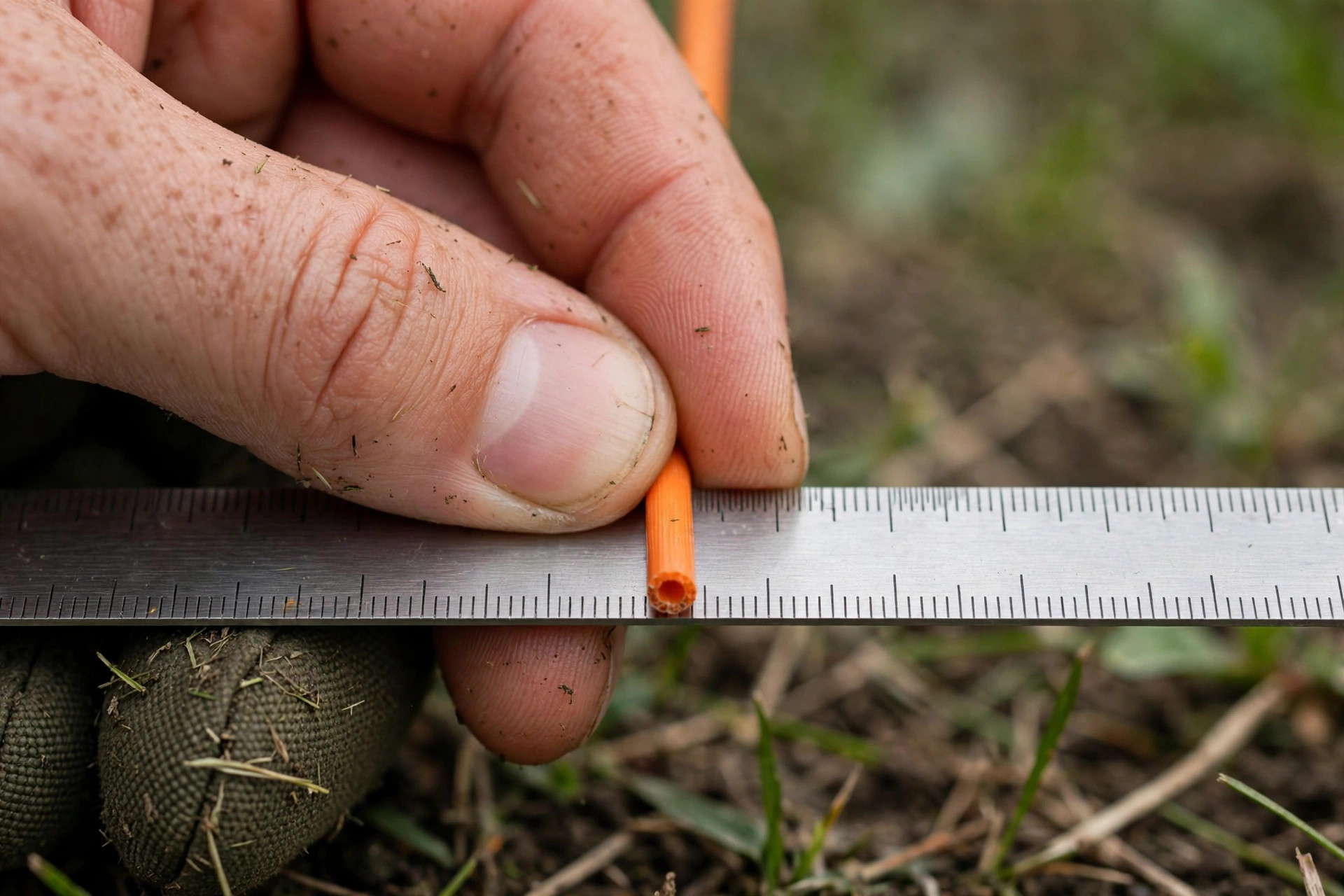
Measuring your line takes a ruler, gloves, paper, and a pen. The steps below take only a few minutes at home. Measure the old line before you buy a new spool. A correct match keeps your trimmer working well and safely. The sections below list tools and steps in clear order.
Tools Needed
Gather a measuring tape or ruler before you start work. Wear safety gloves to protect your hands from sharp edges. Keep paper and a pen nearby to note the size. A clean workbench helps you measure the line with ease. Our assembly guide explains how to set up a new trimmer.
Step-by-Step Guide
Wear safety gloves to protect your hands before you start. Take the old trimmer line and stretch it out flat. Use a measuring tape or ruler to measure the line diameter. Write down the measurement on paper for future reference daily. Ensure the new line matches the old line diameter exactly.
Tips for Choosing the Right Trimmer Line
Choosing the right line can feel tricky at first glance. The right line makes yard work easier and faster each time. Three tips below help you pick the best line fast. Check the manual, think about your yard, and ask experts. The STIHL site lists trimmer guidance for many yard jobs.
Consult the Manual
The first step is to consult the manual for your trimmer. The manual lists the recommended line size for your model. Using the wrong size can damage your trimmer and cut poorly. It may also affect performance and shorten the trimmer life. Always check the manual first before you buy new line.
Consider Your Yard
Different yards need different trimmer lines for best results daily. For small yards, a thin line might work well each week. For larger yards with thick grass, you need a thicker line. Think about the type of grass and weeds in your yard. This helps you choose the right line size with confidence.
Seek Professional Advice
If you are unsure, seek professional advice before you buy. Ask at your local hardware store for a clear recommendation. They can recommend the best trimmer line for your yard. You can also ask a gardener for advice on line sizes. Professionals know what works best for different yards and jobs.
| Yard Size | Recommended Line Size |
|---|---|
| Small | 0.065 – 0.080 inches |
| Medium | 0.080 – 0.095 inches |
| Large | 0.095 – 0.105 inches |
Frequently Asked Questions
These answers repeat this guide’s own points only. They follow the same steps explained above closely. Short answers close the guide at the end. Read them before you buy a new trimmer line.
What happens if you use the wrong size trimmer line?
Using the wrong size trimmer line can damage the trimmer badly. It can reduce efficiency and cause uneven cutting across the yard. A line too thick strains the motor and breaks parts fast. A line too thin snaps often and wastes your time daily.
Can you use a different size trimmer line?
Yes, you can use a different size trimmer line at home. Ensure it matches your trimmer specifications for best performance daily. It must fit the head and suit the motor power well. Check the manual before you switch to a new size.
Can I use .095 trimmer line on a DeWalt trimmer?
Yes, you can use a .095 trimmer line on a DeWalt trimmer. Ensure it fits the model specifications before you load it. Check the head size and the manual for your exact model. A wrong fit can jam the head and damage the trimmer.
Can you use any .095 trimmer line for an EGO trimmer?
Yes, you can use any .095 trimmer line for an EGO trimmer. Ensure it meets the required specifications for best performance daily. Check the head size and the manual for your exact model. A wrong fit can jam the head and damage the trimmer.
What size trimmer line do I need for light grass?
Use a line of 0.065 to 0.080 inches for light grass. It suits small weeds and light trimming around the home. It fits most electric string trimmers and loads with ease. Check your manual to confirm the size for your model.
Conclusion: Can You Use Any Size Trimmer Line?
So, can you use any size trimmer line with your trimmer? No, size depends on your trimmer and the job. Light grass needs 0.065 to 0.080 inches for a clean cut. Thick grass needs 0.095 to 0.105 inches for best results. Tough brush needs 0.110 inches or more for safe cutting.
Check your manual first, then match the line to your yard. Measure the old line before you buy a new spool. Ask a pro when you feel unsure about the right size. The right line saves time and protects your trimmer. Simple sizing delivers clean cuts every single time.
