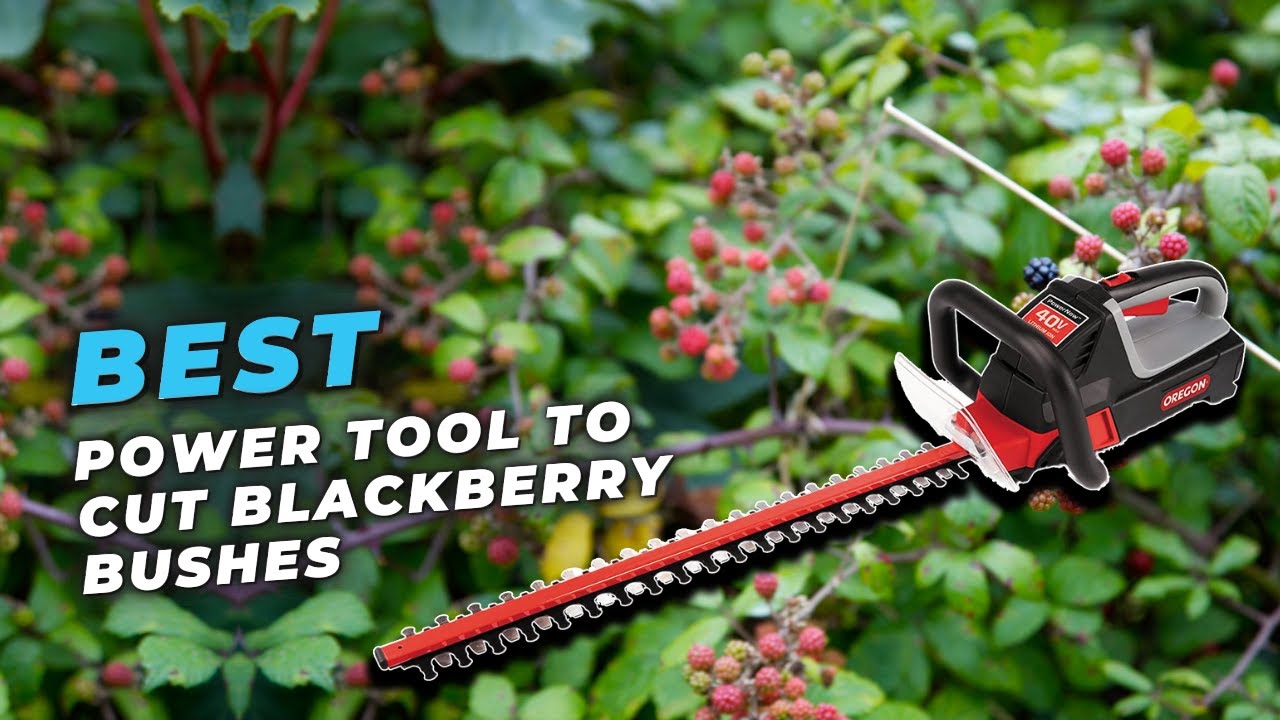
Will a Hedge Trimmer Cut Blackberries? What to Know
Blackberry thickets spread fast and fight back with thorns. You may ask, will a hedge trimmer cut blackberries well? Yes, a hedge trimmer can cut blackberries effectively overall. Cutting alone will not completely eradicate the plants though.
Large patches often suit stronger power equipment better instead. Roots can regenerate and produce new shoots after cutting. Repeated work and soil cover help kill roots fully. This guide compares tools and shares safe working methods.
Small bushes respond well to loppers and garden shears. Big brambles need power, patience, and protective gear daily. You will learn the pros, cons, and best practices. Read on to clear blackberries without wasted effort.
Quick answer: Yes, it cuts blackberry canes effectively. Small bushes also suit loppers, shears, and hand saws. Large patches suit a brush cutter or hedge trimmer. Cutting alone will not completely eradicate the plants. Cover soil after cutting to kill roots and crowns.
Will a Hedge Trimmer Cut Blackberries? Key Points
A hedge trimmer can effectively cut back blackberry foliage. It helps manage bushes and shapes overgrown patches fast. Cutting alone will not eliminate the plants entirely though. Full removal needs repeated work and follow-up control.
The Short Answer
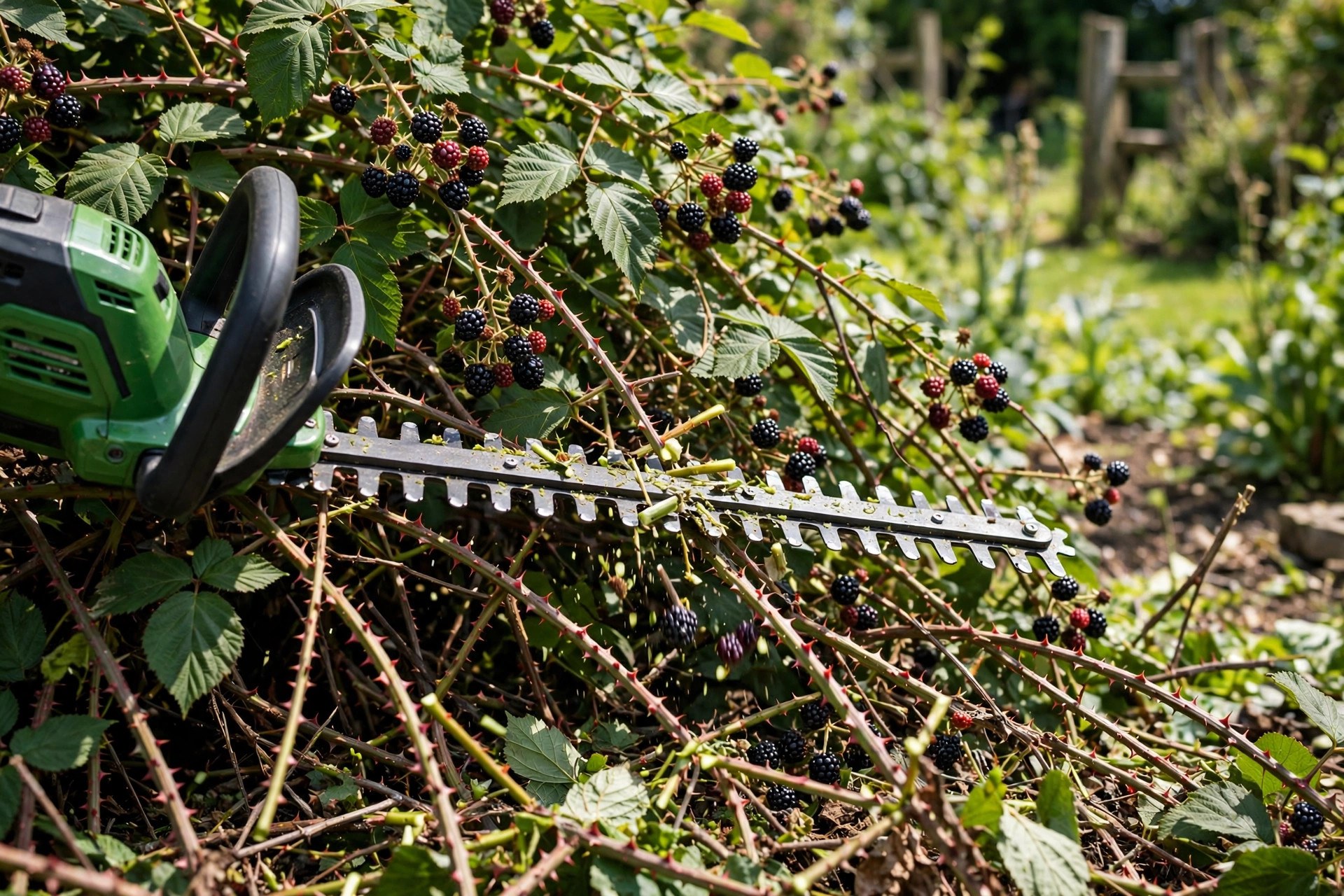
Yes, the trimmer cuts canes, stems, and branches well. Its sharp blades handle thick growth with steady power. Large patches may still need stronger equipment sometimes. Our guide to what a hedge trimmer is covers the tool basics.
Understanding Blackberry Bushes and Brambles
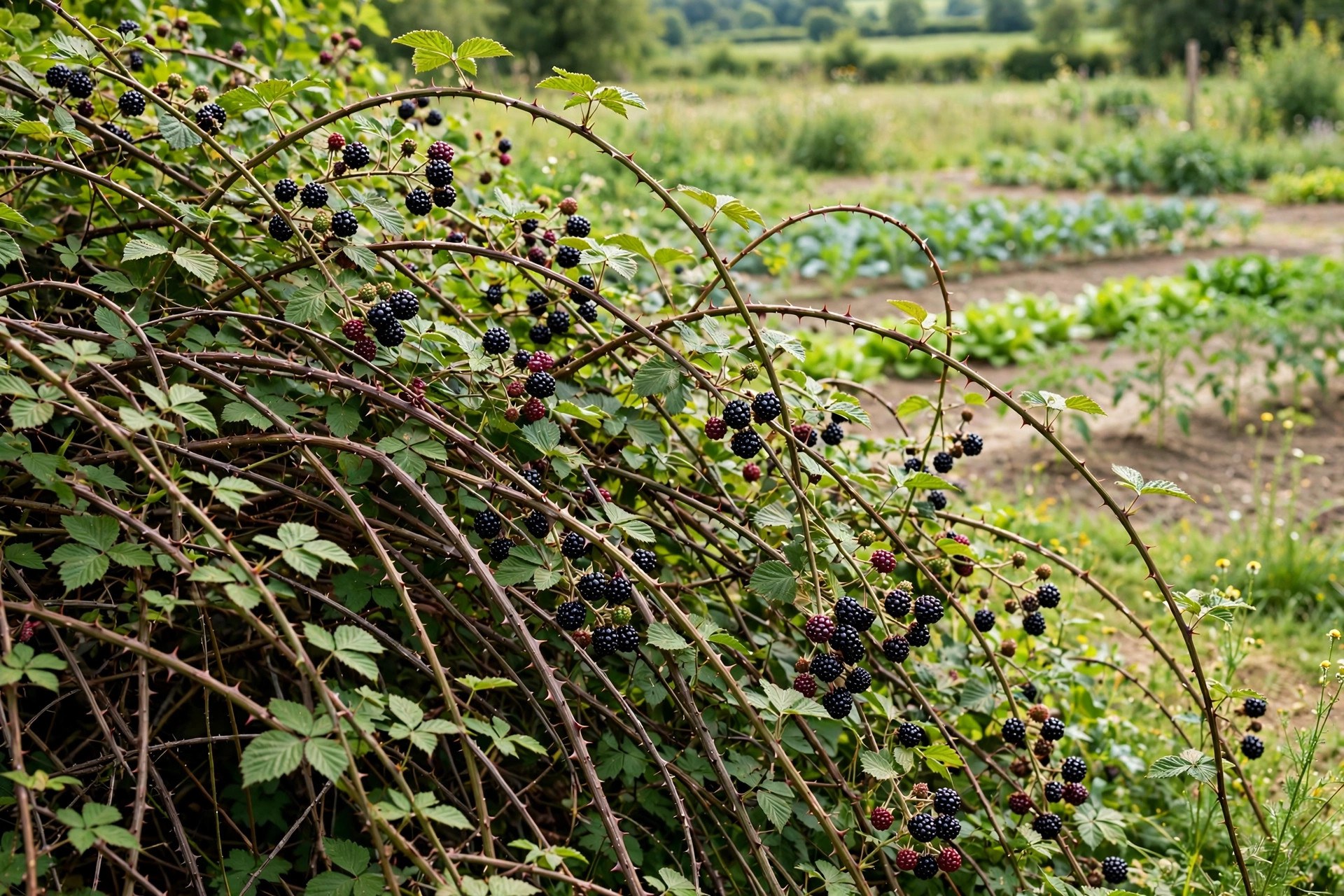
Blackberry bushes grow fast and adapt to many climates. They thrive in varied soil types with little help. Their vigorous growth forms dense thickets or brambles quickly. Managing them takes the right tools and techniques.
Growth Characteristics
Blackberry bushes spread rapidly across gardens and fields. They can become invasive without steady control work. New shoots rise from roots after each cutting session. Steady trimming keeps their spread under firm control.
Challenges in Managing Blackberries
Thorns make dense vegetation hard to move through safely. Branches and stems scratch skin during pruning work. An extensive root system makes full eradication hard. Roots regenerate even after you cut top growth away. Our briars cutting guide covers similar thorny growth problems.
Tools for Cutting Blackberry Bushes
The right tool depends on patch size and thickness. Hand tools suit small bushes and stray vines well. Power equipment handles larger and stubborn patches faster. The table below matches tools to each job.
| Tool | Best For |
|---|---|
| Loppers | Smaller bushes and precise cane cuts |
| Hand saw | Thicker canes on established bushes |
| Garden shears | Smaller branches and careful shaping work |
| Hedge trimmer | Quick cutting across dense foliage areas |
| Brush cutter | Large patches and heavy thorny vegetation |
Traditional Methods
Loppers cut smaller bushes with long handled blades. A hand saw cuts thicker blackberry canes cleanly. Garden shears trim smaller branches with precise control. These tools suit shaping and light clearing work.
Power Equipment
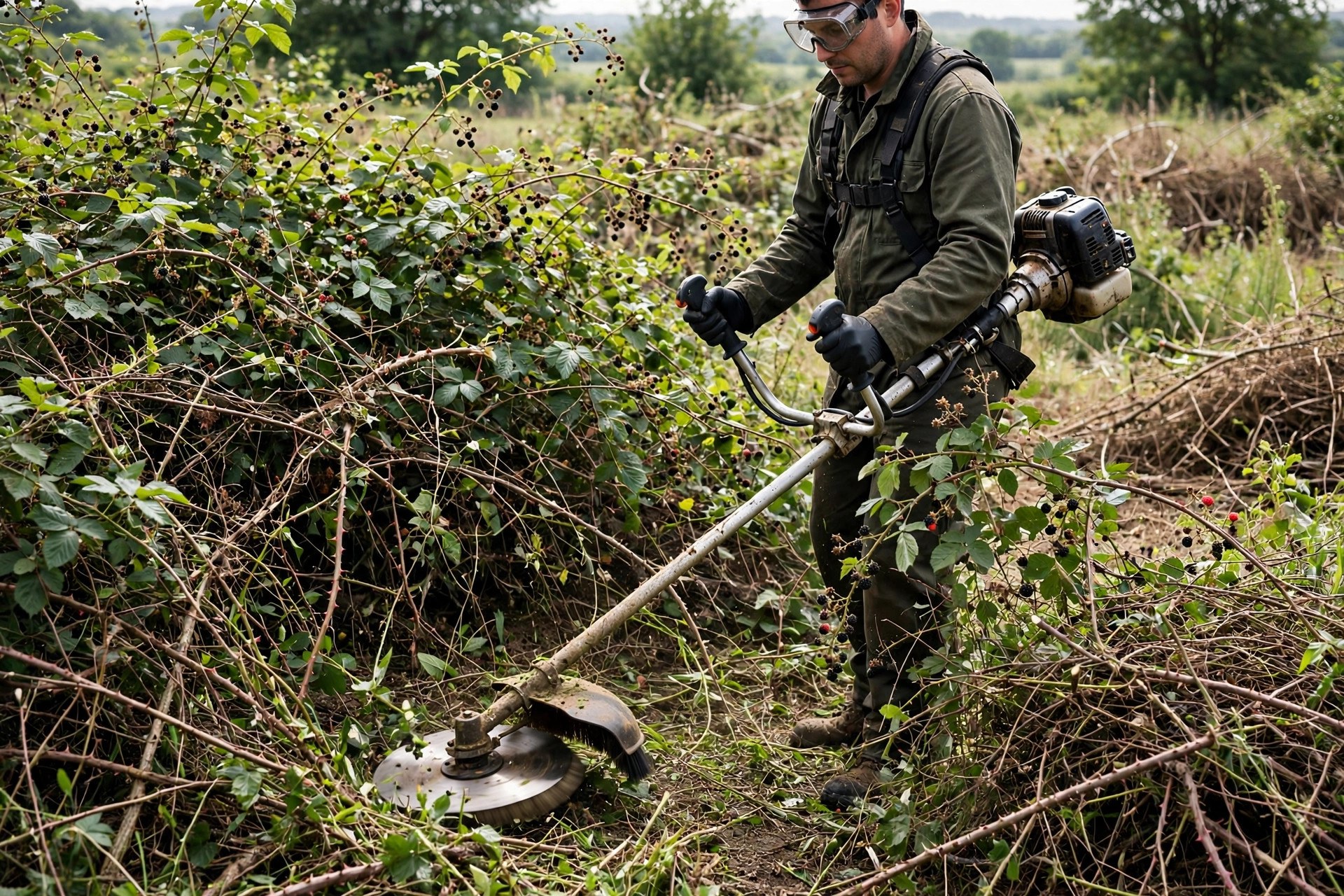
A hedge trimmer works quickly across dense vegetation. Its powerful motor tackles even the toughest brambles. Brush cutters slice thick stems with rotating blades. Follow proper safety precautions with all power tools. Our branch cutting guide shows safe cutting limits clearly.
How Well Hedge Trimmers Work on Blackberries
Hedge trimmers bring real strengths to blackberry work. They also carry limits that every user should know. The table below lists the pros and cons plainly. Weigh both sides before you start a big patch.
| Side | Points |
|---|---|
| Pros | Fast, even cutting; precise control; saves time; versatile tool |
| Cons | Can damage main stems; noise and vibrations; injury risk; upkeep needed |
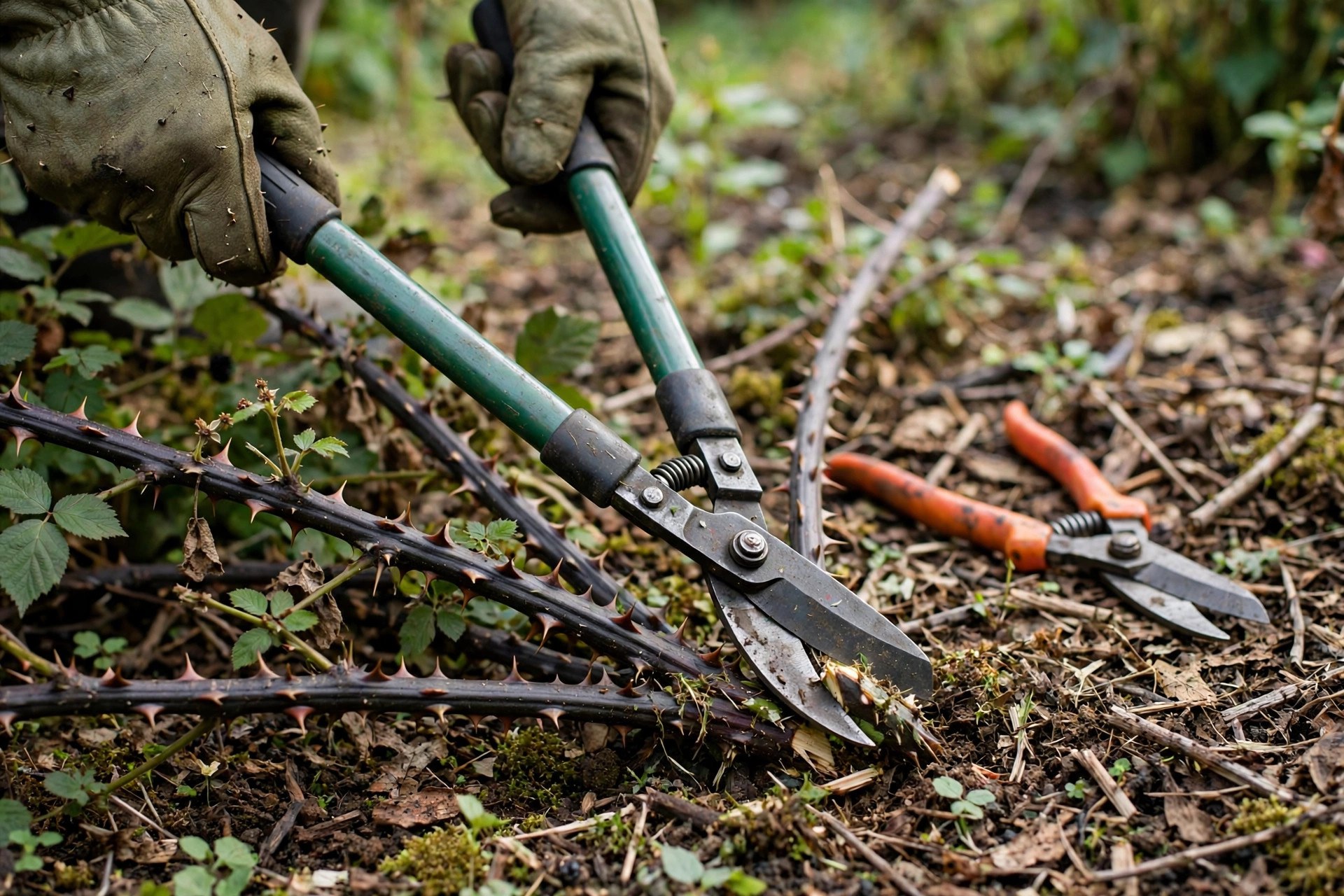
Pros of Using Hedge Trimmers
Hedge trimmers cut dense vegetation quickly and evenly. Sharp blades and maneuverability allow precise cutting control. They save time compared with manual pruning methods. They also serve many other garden pruning tasks. Our grass cutting guide shows another common trimmer use.
Cons of Using Hedge Trimmers
Poor technique can damage the main stems badly. Damage can lead to regrowth and further spread. Noise and vibrations can disrupt or tire users. Blades need regular sharpening and cleaning after use. The Wikipedia page on hedge trimmers explains how these tools work.
Please note: The opening answer calls the hedge trimmer effective here. The closing thoughts call it not the ideal tool. Both views stay in this guide for full honesty. A brush cutter suits the thickest patches best.
Best Practices for Cutting Blackberry Bushes
Best practices make each trimming session safer and better. A hedge trimmer might not be the ideal tool here. Brush cutters suit dense vegetation better in many cases. The habits below protect you and the bushes.
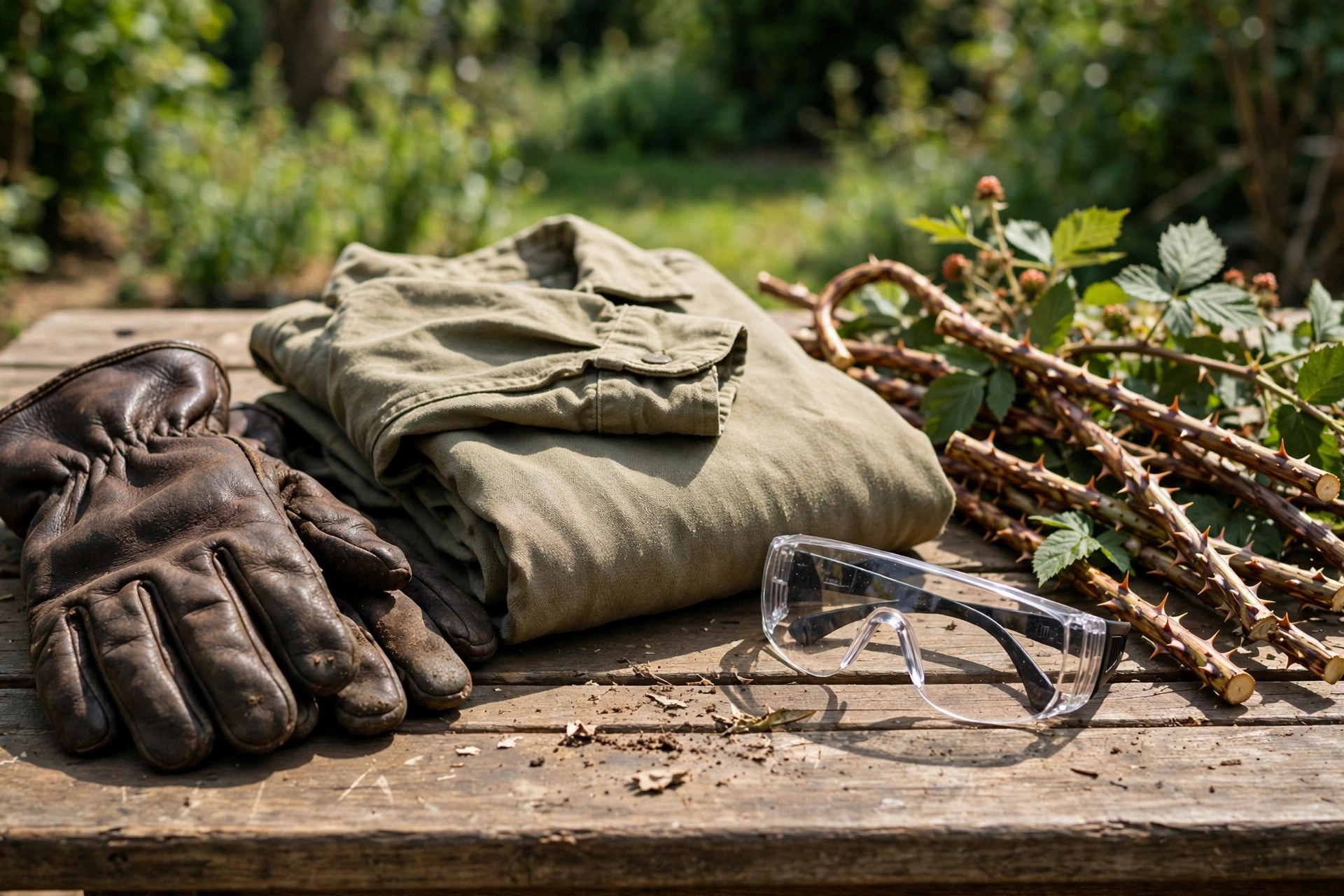
Gear, Timing, and Selective Trimming
Wear gloves, long sleeves, and eye protection always. Thorns scratch skin quickly during close cutting work. Trim during dormancy in late winter or early spring. Selective trimming keeps shape while preventing excess growth. Our blade sharpening guide keeps cutting edges ready always.
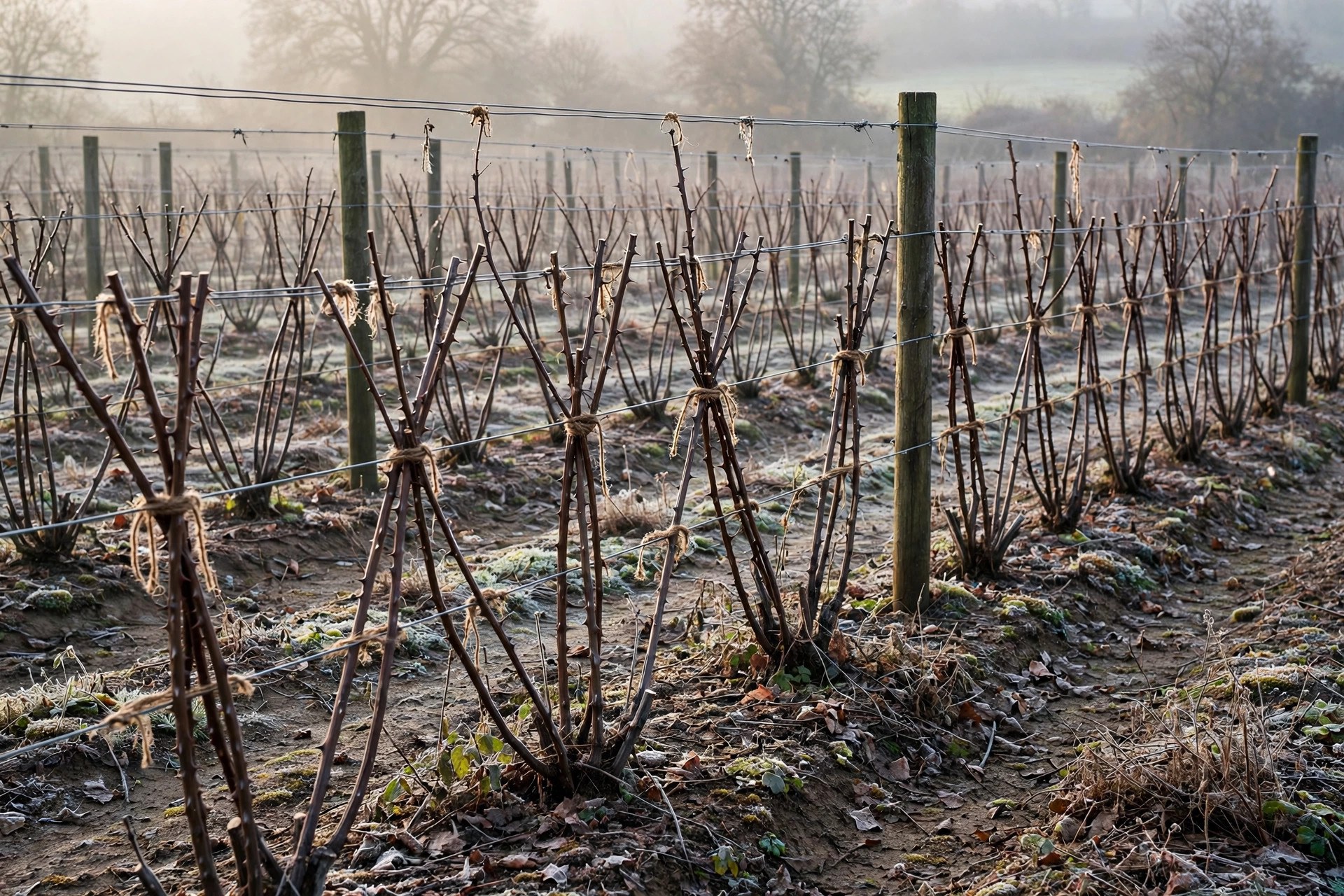
After Cutting: Roots and Crowns
Covering the soil after cutting kills roots and crowns. Repeated mowing also weakens the root system over time. Digging up roots helps on small stubborn patches. Keep checking for new shoots through the season. Our oiling guide and repair guide cover tool care.
Frequently Asked Questions
What is the best thing to cut blackberry bushes with?
Use loppers, a hand saw, or garden shears small-scale. For larger patches, power equipment works more effectively. Cutting alone will not completely eradicate the bushes. Cover the soil to kill roots and crowns.
What is the best tool to remove blackberries?
A hedge trimmer suits small bushes very well. A brush cutter suits larger patches much better. Proper cutting manages bushes but may not eliminate them. Cover the soil after cutting for full removal.
Can you use a hedge trimmer to cut brambles?
Yes, a hedge trimmer can cut brambles effectively. Loppers and shears also suit small brambles well. Power equipment is needed for large patches though. Cutting alone manages brambles rather than removing them.
What is the fastest way to get rid of blackberry bushes?
Use hand tools for small bushes and patches. Use power equipment for larger patches and thickets. Cutting alone will not eliminate them fully ever. Cover the soil to kill roots and crowns.
When should you trim blackberry bushes?
Trim during dormancy in late winter or early spring. Dormant trimming gives better visibility of the canes. It also reduces interference with new plant growth. Wear protective gear during every trimming session always.
Conclusion: Will a Hedge Trimmer Cut Blackberries?
So, will a hedge trimmer cut blackberries in your garden? Yes, it can effectively cut blackberry bushes well. It works especially well on large patches and brambles. Cutting alone may not completely eradicate them though.
Use proper equipment and multiple methods for control. Wear protective gear and trim at the right time. Cover soil after cutting to stop root regrowth. Your garden will stay clear with steady follow-up. Steady care keeps the patch from spreading next season.