How Long Should String Trimmer Line Be? The Full Guide
Line length shapes every cut your trimmer makes daily. You may ask, how long should string trimmer line be exactly? The spool length generally varies between 10 and 25 feet. Your trimmer manual gives the exact recommendation to follow.
The line diameter should be approximately 0.080 inches too. Correct length optimizes performance and cuts replacement trips. Wrong length strains the motor and wastes your line. The tables below match lengths to common yard tasks.
Task, lawn size, and trimmer power all matter here. You will learn the sizes, the effects, and care tips. Simple checks keep the line cutting clean all season. Read on to load the right length every time.
Quick answer: Follow your trimmer head and manual first. Spool line generally runs 10 to 25 feet long. Most home trimmers use line near 0.080 inches wide. Match the length and size to your yard task. Correct line cuts cleanly and protects the motor well.
- How Long Should String Trimmer Line Be? Key Points
- Choosing the Right Line for Your Trimmer Head
- Common Line Sizes for Each Trimming Task
- How Line Length Changes Cutting Performance
- Care Tips That Keep Line Working Longer
- Frequently Asked Questions
- Conclusion: How Long Should String Trimmer Line Be?
How Long Should String Trimmer Line Be? Key Points
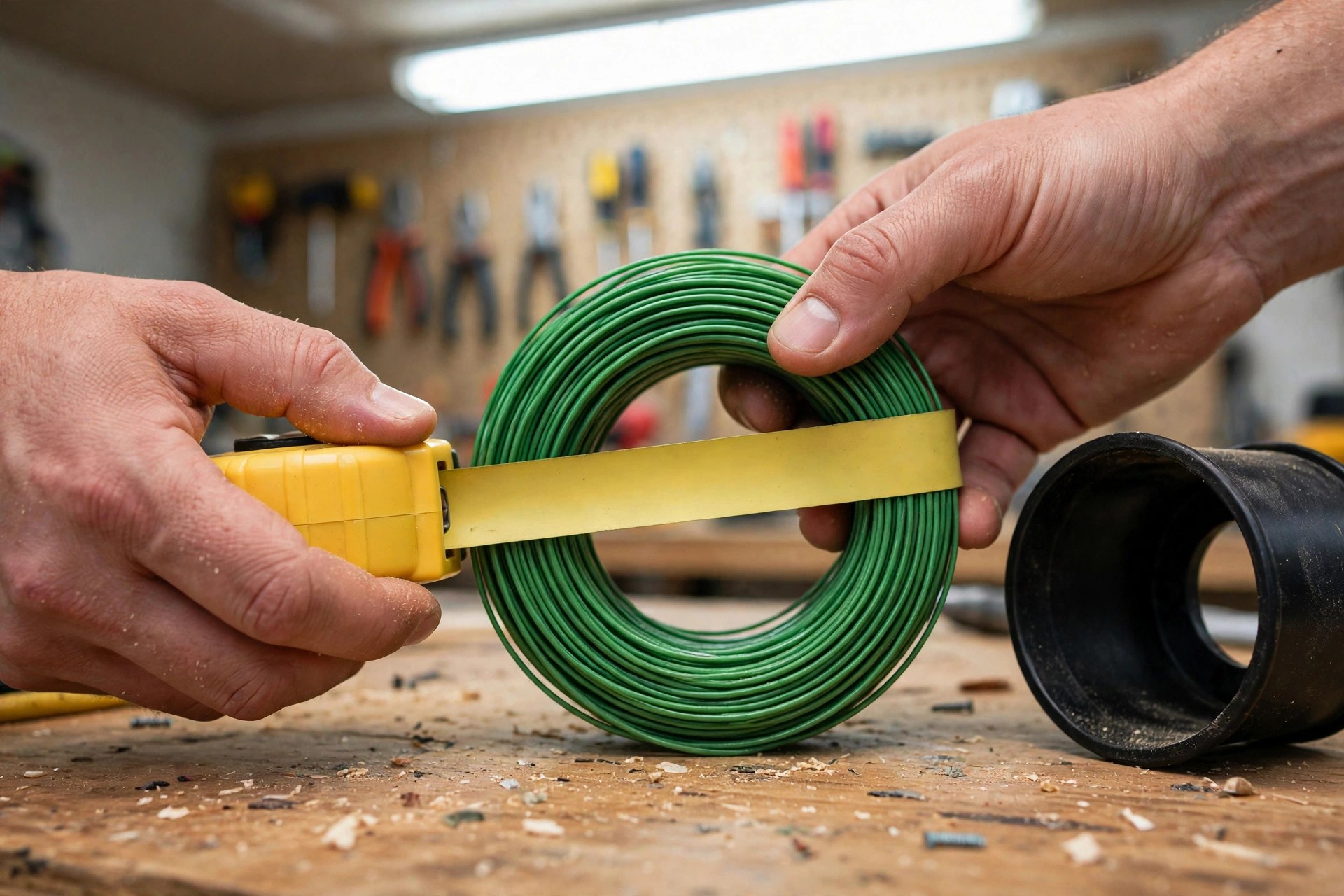
Line length directly impacts cutting efficiency and performance. The right length helps the trimmer reach debris cleanly. It also prevents strain on the trimmer motor itself. Your manual and head size set the safe range.
Why Length Matters
A correct length gives a clean and maintained lawn. It helps the trimmer cut grass and weeds fully. Following manufacturer guidelines keeps results steady all season. Our trimmer line choosing guide covers shapes and materials too.
Choosing the Right Line for Your Trimmer Head
Several factors shape the ideal length for your trimmer. Consider vegetation type, lawn size, and trimmer power first. The cutting diameter of the head matters as well. The table below sums up the main factors.
| Factor | What to Check |
|---|---|
| Vegetation type | Light grass needs less than dense weeds |
| Lawn size | Large lawns need longer spool supply |
| Trimmer power | Stronger motors handle thicker line better |
| Head size | The head sets the safe line range |
Match the Task at Hand
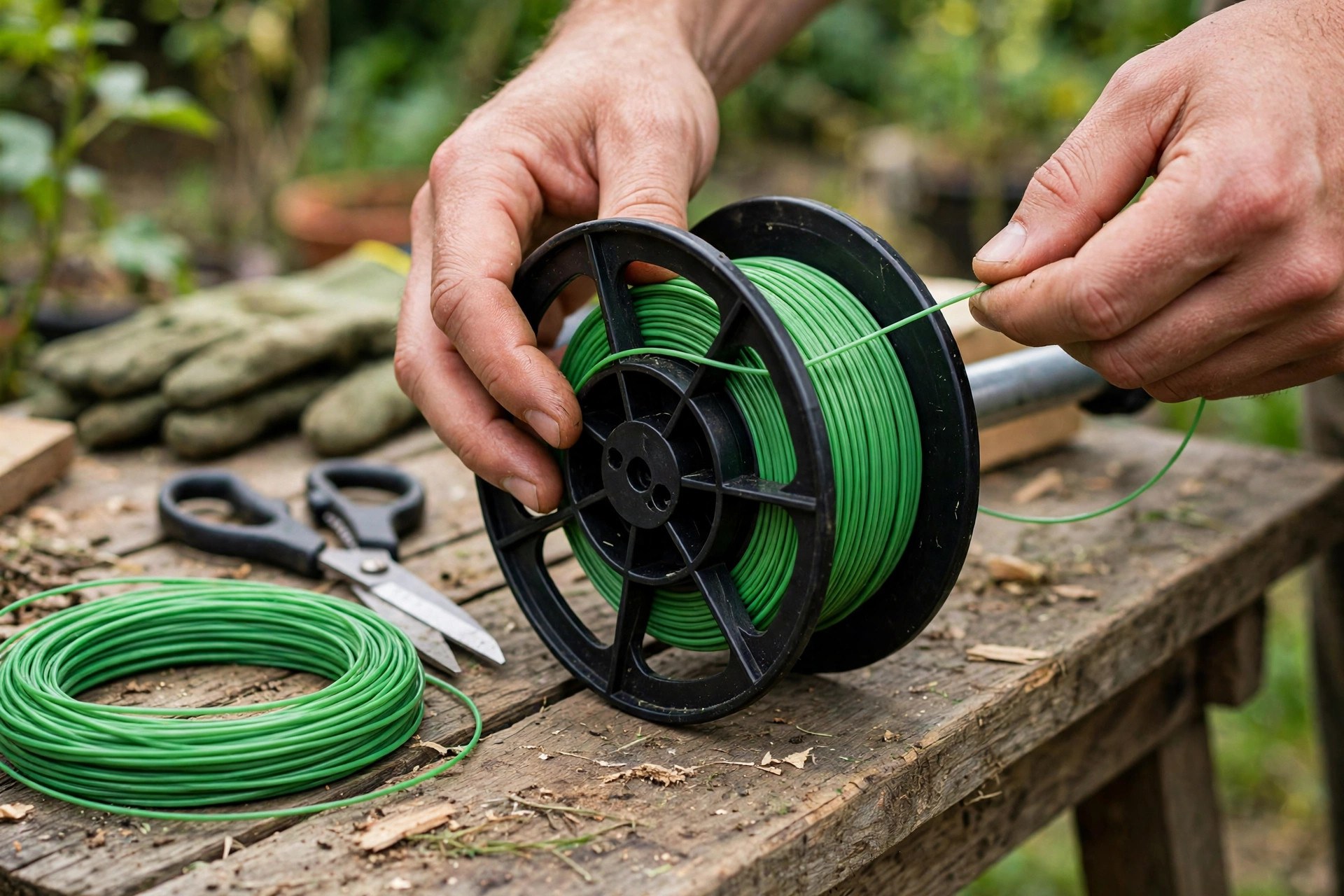
Adjust the line length for each trimming task carefully. Light grass work needs less line than dense weeds. Matching the length ensures optimal cutting performance always. Our line size guide explains size limits for heads.
Diameter Still Counts
Line diameter works alongside length on every job. Most general work suits line near 0.080 inches wide. Thicker line handles tougher growth with more force. Our universal line guide explains fit across different brands.
Common Line Sizes for Each Trimming Task
The live guide groups common sizes by task below. It calls the diameter figures line lengths throughout. Those figures stay verbatim in the table here. Check the note below before you buy line.
| Task | Line Size in Live Guide | Best For |
|---|---|---|
| Light-duty trimming | 0.065 to 0.080 inches | Grass, edges, flower beds, sidewalks |
| General trimming | 0.080 to 0.095 inches | Grasses, light brush, small weeds |
| Heavy-duty trimming | 0.095 inches or greater | Dense weeds, tall grass, small saplings |
Please note: The opening guide gives spool lengths in feet. Its own FAQ gives cutting lengths in inches. Some sections also call diameter figures a line length. Check your manual and treat each figure with care.
Light and General Work
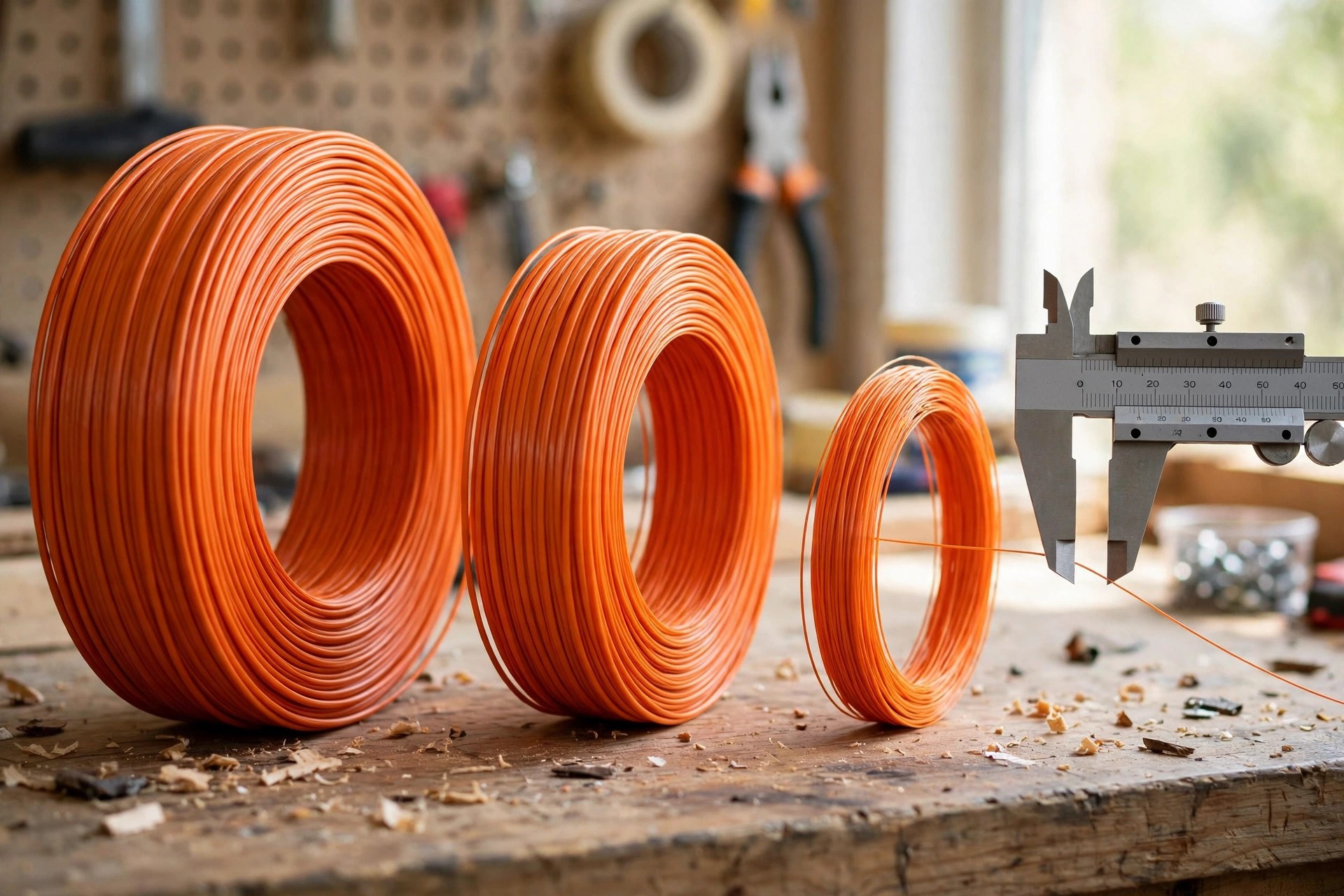
Shorter lengths offer precise cutting for delicate tasks. They create clean edges around lawns and flower beds. Medium sizes balance cutting power and durability well. They handle routine work in medium yards easily.
Heavy-Duty Work
Longer lines suit overgrown lawns and thick vegetation. Their increased thickness handles tougher vegetation with ease. They fit larger properties and challenging terrain best. Our line lifespan guide shows how long line survives.
How Line Length Changes Cutting Performance
Length affects durability and efficiency on every pass. A longer line can deliver more powerful cuts overall. Shorter lines provide more precision for lighter needs. The table below compares too short and too long.
| Line State | What Happens |
|---|---|
| Too short | Missed spots, incomplete cuts, faster wear from friction |
| Too long | Trimmer bogs down, motor strain, possible overheating |
| Correct length | Clean cuts with steady and efficient performance |
Too Short or Too Long
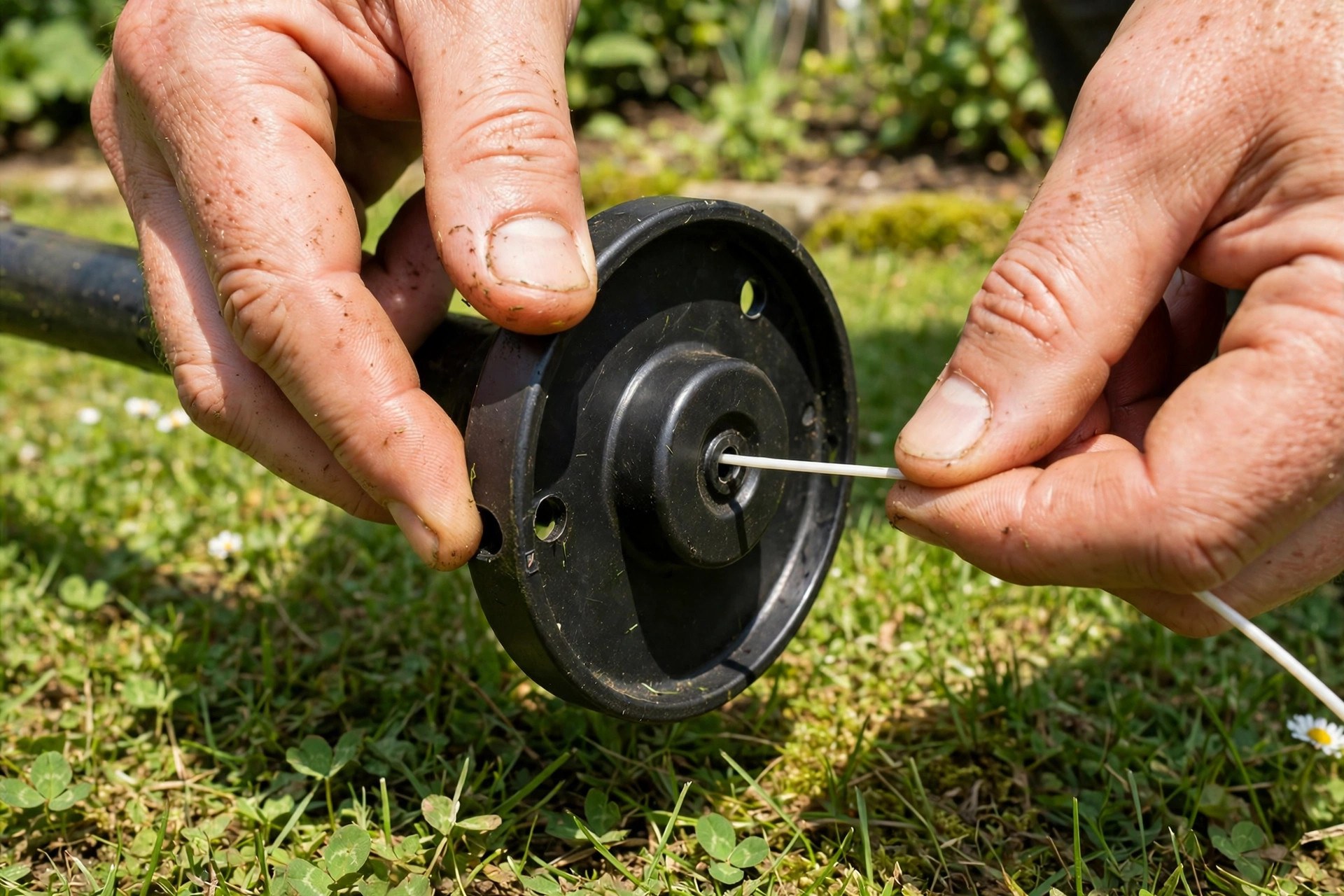
A short line may miss the areas you target. It leaves patches of untrimmed grass or weeds behind. A long line can bog the trimmer down fast. It also reduces cutting efficiency during heavy work. Our sticking line guide fixes common feed problems fast.
Technique and Angle
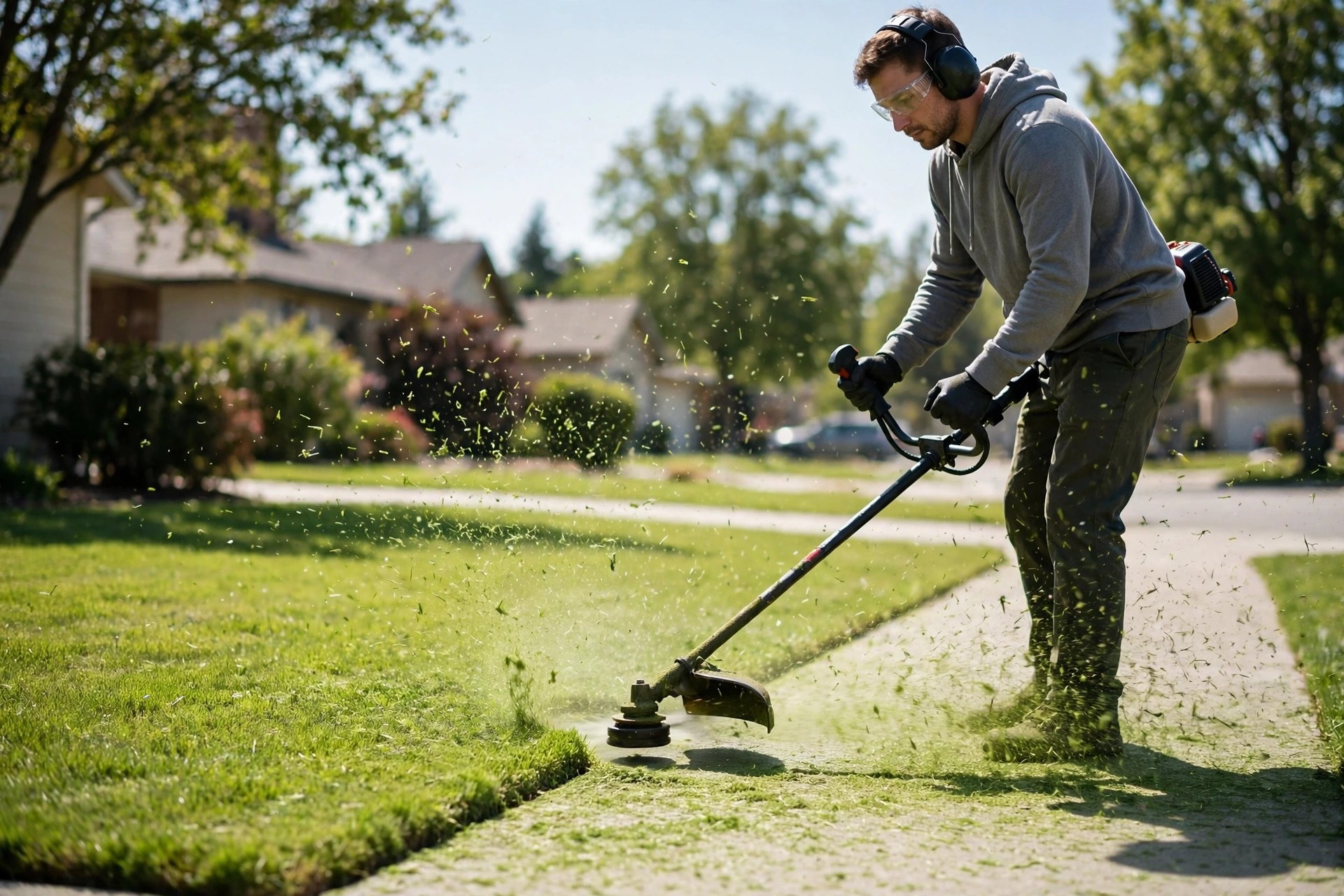
Hold the trimmer at a slight angle always. Keep the cutting tip just above the ground surface. Move in a sweeping motion through grass steadily. Good technique protects your arms and back too. The Wikipedia page on string trimmers explains how these tools work.
Care Tips That Keep Line Working Longer
Simple care prolongs line life and cutting performance. Clean and store the line correctly after each use. Careful handling prevents breakage during tough jobs. The habits below keep every spool ready to work.
Cleaning and Storage
Wipe the line with a soft cloth after use. Remove grass clippings and debris from the line surface. Avoid harsh chemicals or solvents on the line material. Store line in a cool and dry place away.
Handling to Prevent Breakage
Do not overload the line with excessive force ever. Trim at the right height for the vegetation thickness. Avoid hitting rocks, curbs, or fences while trimming. Follow the recommended technique for your trimmer model. Our weed trimmer string guide covers correct string choice.
Inspect and Replace on Time
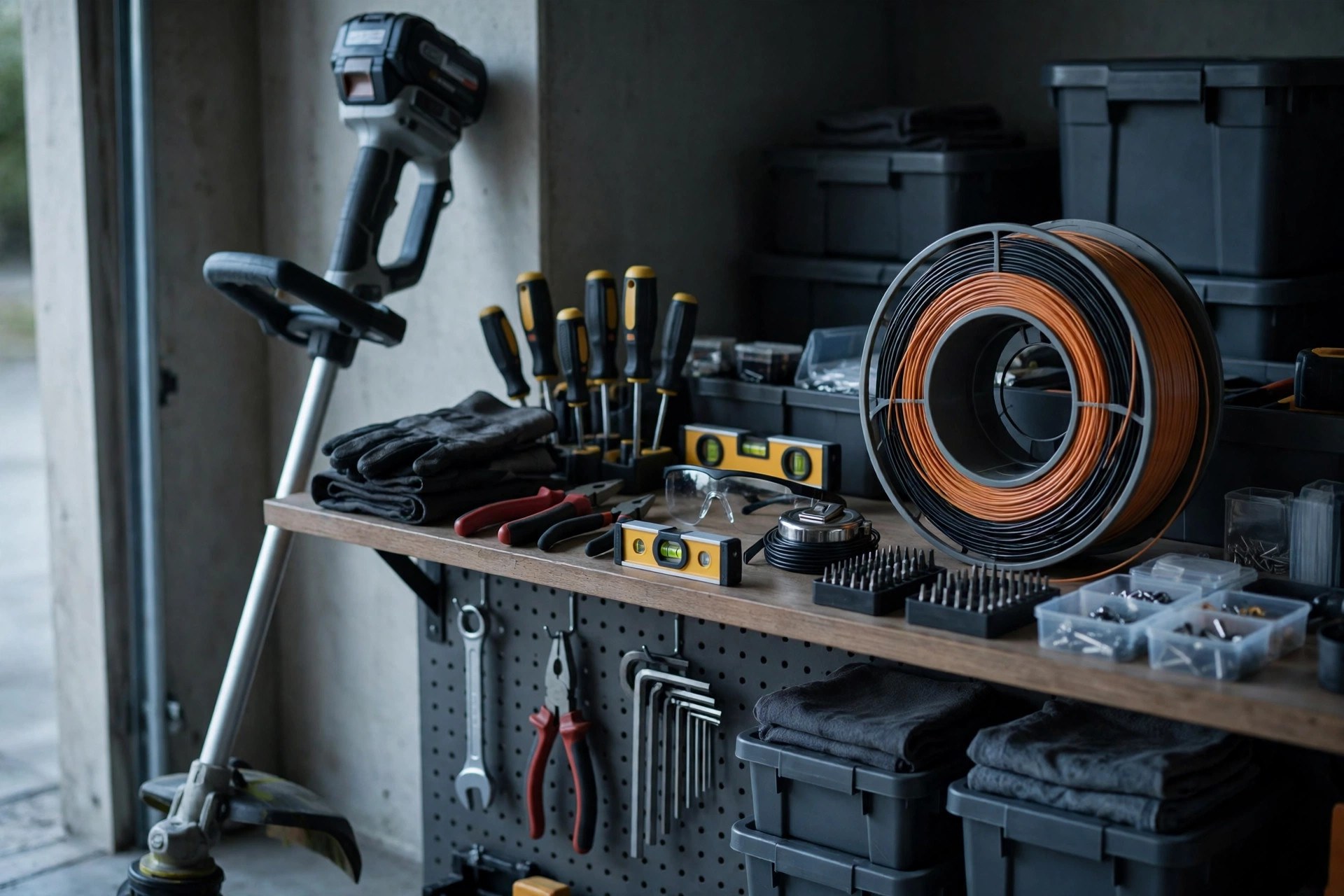
Inspect the line regularly for wear and damage signs. Frayed or split line needs prompt replacement work. Fresh line keeps cuts sharp on tough weeds. Our smaller line guide explains downsizing risks for heads.
Frequently Asked Questions
How long should string trimmer line be?
For light trimming and edging, 9 to 12 inches suffices. For heavier tasks, 15 to 20 inches works better. Dense vegetation needs the longer line for cutting efficiency. Your trimmer type also shapes the right choice.
What happens if the string trimmer line is too short?
A short line gives inefficiency and incomplete cutting results. It may not reach the desired area effectively enough. Patches of untrimmed grass or weeds stay behind. It also wears quicker from increased friction too.
Can I use a longer string trimmer line than recommended?
Using a longer line than recommended is not advised. Excess line can strain the trimmer engine badly. The engine may overheat or fail prematurely then. It also cuts efficiency and raises accident risk.
How do I stop my trimmer line from breaking?
Avoid excessive pressure or force on the line. Trim at the right height for vegetation thickness. Avoid hard surfaces like rocks and curbs carefully. Follow the technique for your specific trimmer model.
How should I store trimmer line between uses?
Store the line in a cool and dry place. Keep it away from direct sunlight between uses. Extreme temperatures can make line brittle or warped. Clean the line before you store it away.
Conclusion: How Long Should String Trimmer Line Be?
So, how long should string trimmer line be for you? Match the spool length to your head and manual. Spool lengths generally run from 10 to 25 feet. The right balance gives optimal performance and efficiency.
Inspect the line often and replace worn line promptly. Clean cuts reduce the risk of line breakage greatly. Experiment carefully to find your perfect length today. A well-groomed lawn follows from these simple habits. Keep a spare spool ready for long trimming days.