What Oil to Use for Hair Trimmer
Clipper oil is the recommended choice here. It is designed specifically for hair trimmers. Mineral oil can substitute when needed sometimes. Baby oil also works as an alternative. Vegetable and olive oils can work too.
The right oil keeps blades running smoothly. Regular oiling prevents rust formation on blades. It also maintains optimal cutting performance daily. Dry blades pull hair and cut unevenly. Good oil prolongs the trimmer’s lifespan greatly.
This guide explains why oiling matters first. It then compares the main oil types. Application steps and common mistakes follow after. Simple habits keep your trimmer performing well. Choosing well protects your investment long term.
Quick answer: Clipper oil is the best choice overall. It is formulated specifically for hair trimmer blades. Mineral oil and baby oil substitute quite well. Vegetable and olive oils also lubricate blades decently. Regular oiling prevents rust and keeps every cut smooth.
- What Oil to Use for Hair Trimmer: The Short Answer
- Why Oiling Your Trimmer Blades Matters
- Types of Oil Suitable for Hair Trimmers
- Choosing the Best Oil for Your Needs
- How to Apply Oil the Right Way
- Common Oiling Mistakes to Avoid
- Frequently Asked Questions
- Conclusion: What Oil to Use for Hair Trimmer
What Oil to Use for Hair Trimmer: The Short Answer
The quick table below mirrors the post itself. It sums up the answer and its conditions. Later sections explain each point in full detail.
| Point | What the Post Says |
|---|---|
| Best choice | Clipper oil made for hair trimmers |
| Substitutes | Mineral oil or baby oil work |
| Natural options | Vegetable oil or olive oil work |
| Amount | Two or three drops per session |

The Wikipedia lubrication page explains how oils reduce friction well. Our trimmer oiling guide shows oiling steps for one brand. The Wikipedia hair clipper page explains how clipper blades cut hair.
Why Oiling Your Trimmer Blades Matters
Blades move back and forth very rapidly. That continuous movement creates friction during cutting. Friction leads to heat build-up over time. Heat and friction wear blades down gradually. Oil lubricates blades and reduces that friction.
Oil creates a protective layer on blades. That layer prevents rust and corrosion forming. Damp bathrooms make protection especially important here. Well-lubricated blades glide smoothly without any resistance. Our cutting problems guide explains poor cutting performance causes.
Types of Oil Suitable for Hair Trimmers
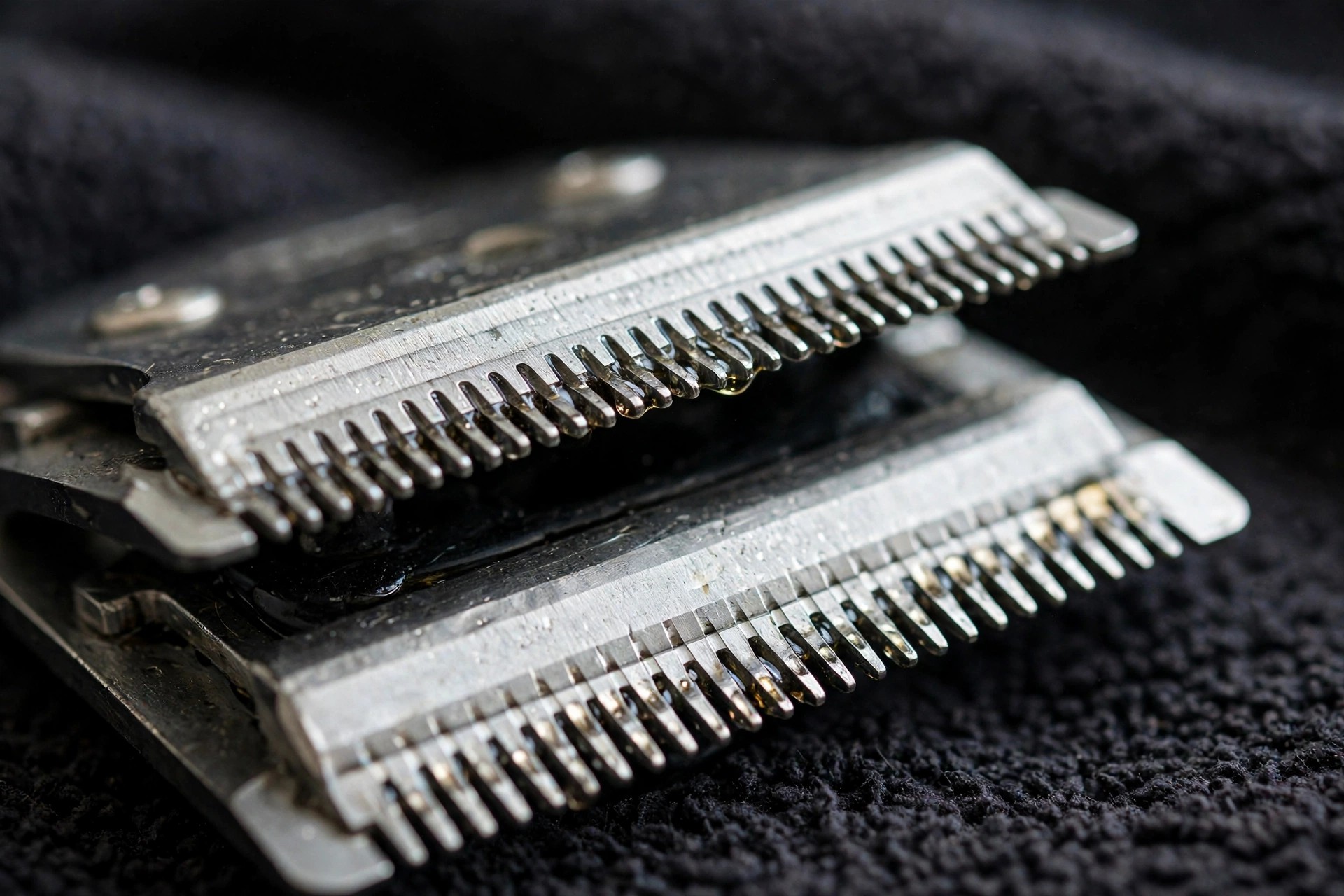
Clipper oil features a lightweight low-viscosity formula. Additives reduce friction and improve blade performance. It also prevents rust excellently during storage. Mineral oil provides similar lubricating properties overall.

| Oil Type | Advantages | Disadvantages |
|---|---|---|
| Clipper oil | Formulated for trimmers; lightweight; prevents rust | May cost slightly more than substitutes |
| Mineral oil | Easily accessible; similar lubrication properties | Can feel heavy; may smell unpleasant |
| Baby oil | Widely available; adequate lubrication overall | Added fragrance may irritate skin sometimes |
| Vegetable or olive oil | Natural and safe to use | Thicker; needs more frequent application |
Baby oil is mineral oil plus fragrance. Fragrance may irritate or trigger allergic reactions. Natural oils are thicker than clipper oil. Our pulling hair guide explains what dry blades cause.
Choosing the Best Oil for Your Needs
Clipper oil remains the recommended choice overall. Its specialized formulation prevents rust very efficiently. Consider ease of access when choosing oil. Price and skin reactions also matter here.
Mineral oil substitutes decently without clipper oil. Baby oil also substitutes in a pinch. Our blade lifespan guide explains how care extends blade life. Our blade sharpening guide covers restoring dull blade edges.
How to Apply Oil the Right Way
First, clean the trimmer of excess hair. Locate the small oiling port next carefully. It usually sits on side or back. Squeeze a few drops into the port. Run the trimmer for a few seconds.

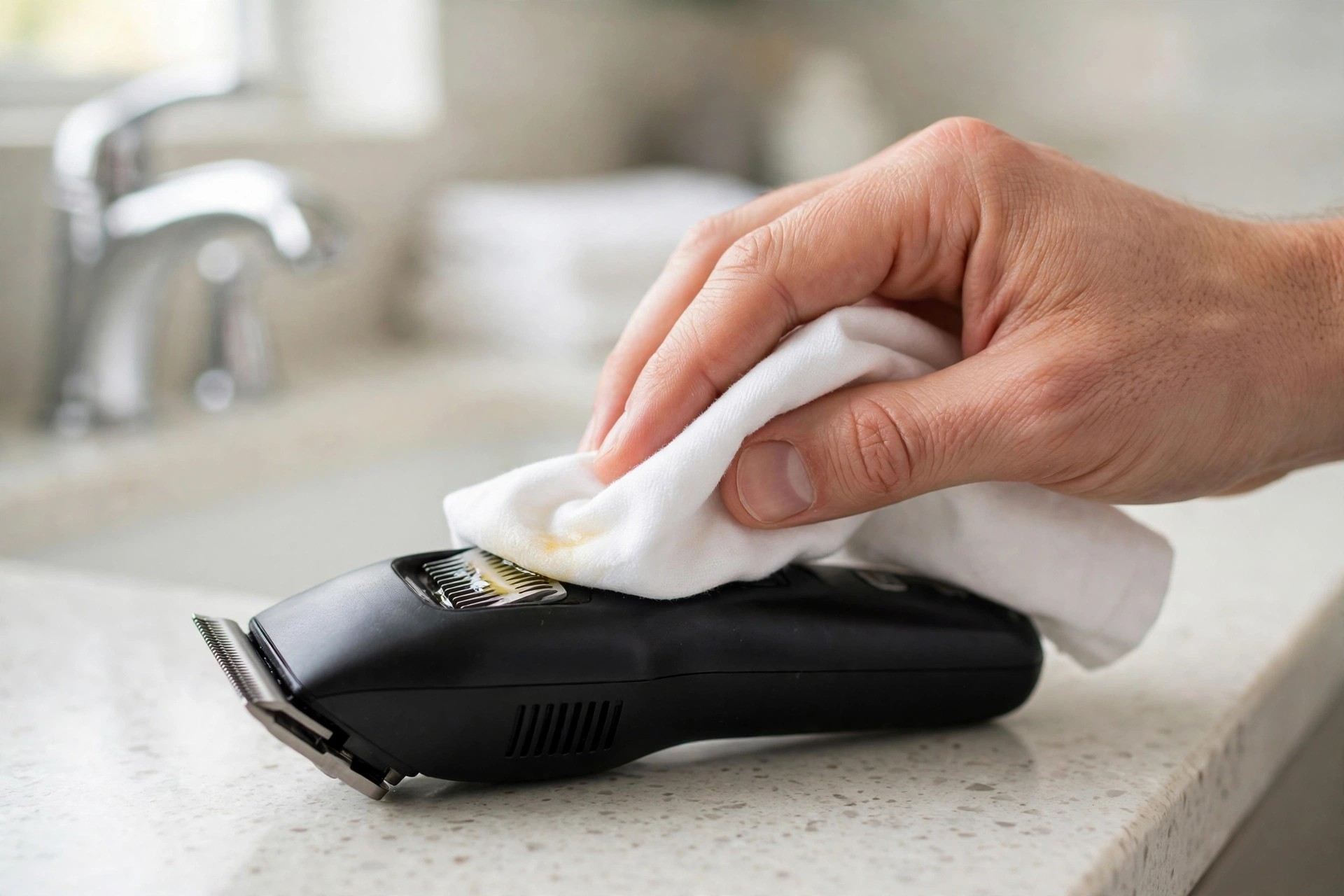
Two or three drops usually suffice here. Check manufacturer instructions for specific oiling recommendations. Wipe off excess oil with clean cloth. That prevents dripping onto skin or clothing. Our trimmer cleaning guide covers cleaning before every oiling session.
Common Oiling Mistakes to Avoid
Over-oiling can clog blades with oily residue. Excess oil decreases cutting performance over time. Always clean the trimmer before oiling it. Ignoring manufacturer instructions can cause avoidable damage. Skipping regular oiling shortens trimmer life greatly.
Please note: This post gives two views on household oils. Its guide presents them as workable substitutes. One answer says normal oil is not recommended. Both original points stay in place below here.
Wrong oil increases friction between the blades. That friction ruins precise, efficient cutting performance. Some oils cannot prevent rust and corrosion. Inadequate lubrication increases wear and tear greatly. Our trimmer repair guide covers fixing worn grooming tools.
Frequently Asked Questions
Which Oil Is Best For Hair Trimmer?
Clipper oil is the best choice overall. Named examples include Wahl and Andis oils. Alternatives include mineral, baby and vegetable oils. Olive oil also provides similar lubricating properties.
What Can I Use Instead Of Trimmer Oil?
Mineral oil substitutes for trimmer oil well. Baby oil also works as a substitute. Vegetable oil and olive oil work too. These provide similar lubricating properties overall daily.
Can You Use Olive Oil To Lubricate Hair Clippers?
Yes, olive oil can lubricate hair clippers. It works as an alternative oil choice. It provides similar lubricating properties to clipper oil. Other options include mineral and baby oil.
Can We Use Normal Oil In Trimmer?
No, normal oil is not recommended here. Use specific trimmer oil whenever possible instead. Alternatives include mineral, baby and vegetable oils. These provide the necessary lubrication for blades.
How Much Oil Should I Apply To My Trimmer?
Applying two or three drops usually suffices. Add the drops into the oiling port. Refer to manufacturer instructions for specific recommendations. Avoid overfilling the port during each session.
These answers all come from this post itself. The sections above explain each answer in detail. Careful habits keep every trimming session smooth daily.
Conclusion: What Oil to Use for Hair Trimmer
So, what oil should you choose here? Clipper oil remains the recommended choice overall here. It is formulated specifically for trimmer blades. Alternatives can offer similar lubricating properties though. Mineral, baby and vegetable oils all work.
Oil the blades regularly to prevent rust forming. Regular oiling ensures smooth and even haircuts always. The right oil keeps your trimmer working optimally. A well-maintained trimmer stays efficient for many years ahead. Enjoy the benefits of careful maintenance daily.