
Why Is My Trimmer Pulling Hair
A trimmer that pulls hair most often has dull blades. Bent or worn blades catch hair and fail to cut it. Dry blades drag on skin and hurt as they pass. Each cause has a quick check and a plain fix. Steady care stops most pulling before it starts.
Blade oil cures most pulling fast. Blade line and tightness count just as much. Hair and dirt packed in the blades block clean cuts too. Bad form can pull hair even with sharp blades.
This guide walks through each cause in turn. It covers oil, blade line, edge care, and wash steps in full. Plain form tips round out the care plan. Most fixes take just a few short minutes each.
Quick answer: Dull or misaligned blades cause most hair pulling. Dry blades catch hair instead of cutting it. Oil the blades before every single use ideally. Check alignment and tension when pulling continues afterward. Clean, sharp blades restore smooth comfortable trimming fast.
Why Is My Trimmer Pulling Hair: The Short Answer
The quick table below sums up this post. It lists the main cause and the fix for it. Later parts spell out each point in full.
| Cause | What the Post Says |
|---|---|
| Dull blades | Worn edges catch and pull hair |
| Misalignment | Blades meet unevenly and snag hair |
| Poor lubrication | Dry blades create friction and dragging |
| Build-up | Hair and dirt clog the blades |

The Wikipedia hair clipper page shows how clipper blades cut hair. Our not cutting guide covers trimmers that stop cutting at all. The Wikipedia lubrication page shows how oil cuts rub and drag.
Blade Oil Stops Most Pulling
Blade oil cuts the rub between blade faces as they move. Its thin coat sinks deep into the steel. Oiled blades glide past each other with ease. That smooth glide stops hair from catch or snag.
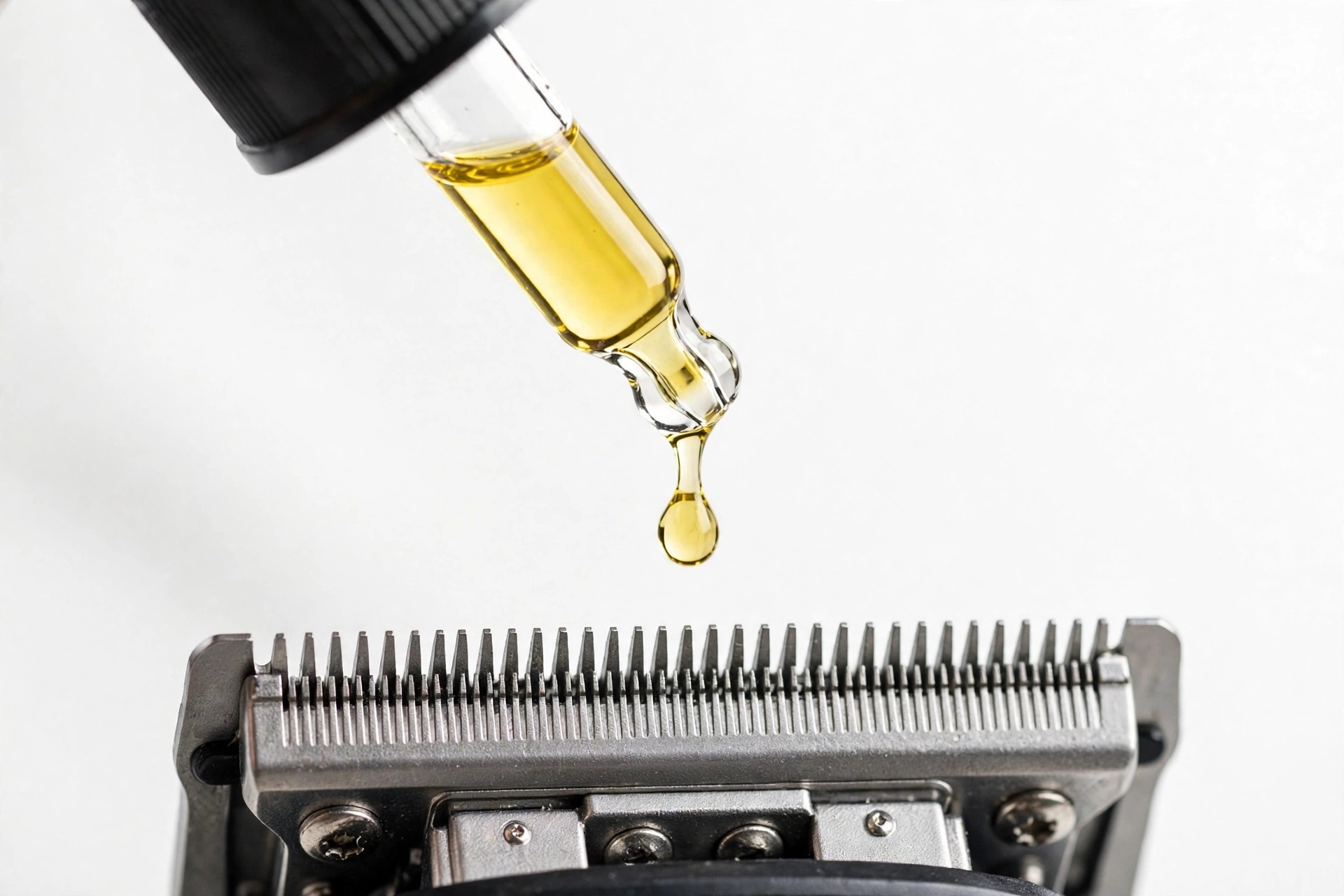
Put two or three drops of oil on the blades before each use. Run the trimmer for a few ticks to spread the oil. Wipe off the extra oil with a soft cloth. Oil on a set plan makes the trimmer last far longer.
| Brand | Product the Post Names |
|---|---|
| Andis | Andis Clipper Oil |
| Wahl | Wahl Clipper Oil |
| Oster | Oster Blade Lube |
Pick a good oil for the best results. Our trimmer oiling guide shows the oil steps for one brand. Oil before the first use counts most of all.
Blade Alignment and Tension
Blades out of line fail to meet and cut hair clean. They snag hair and cause pain while you trim. Rough, jagged cuts warn of line faults early. Sore skin while you trim is one more sign.
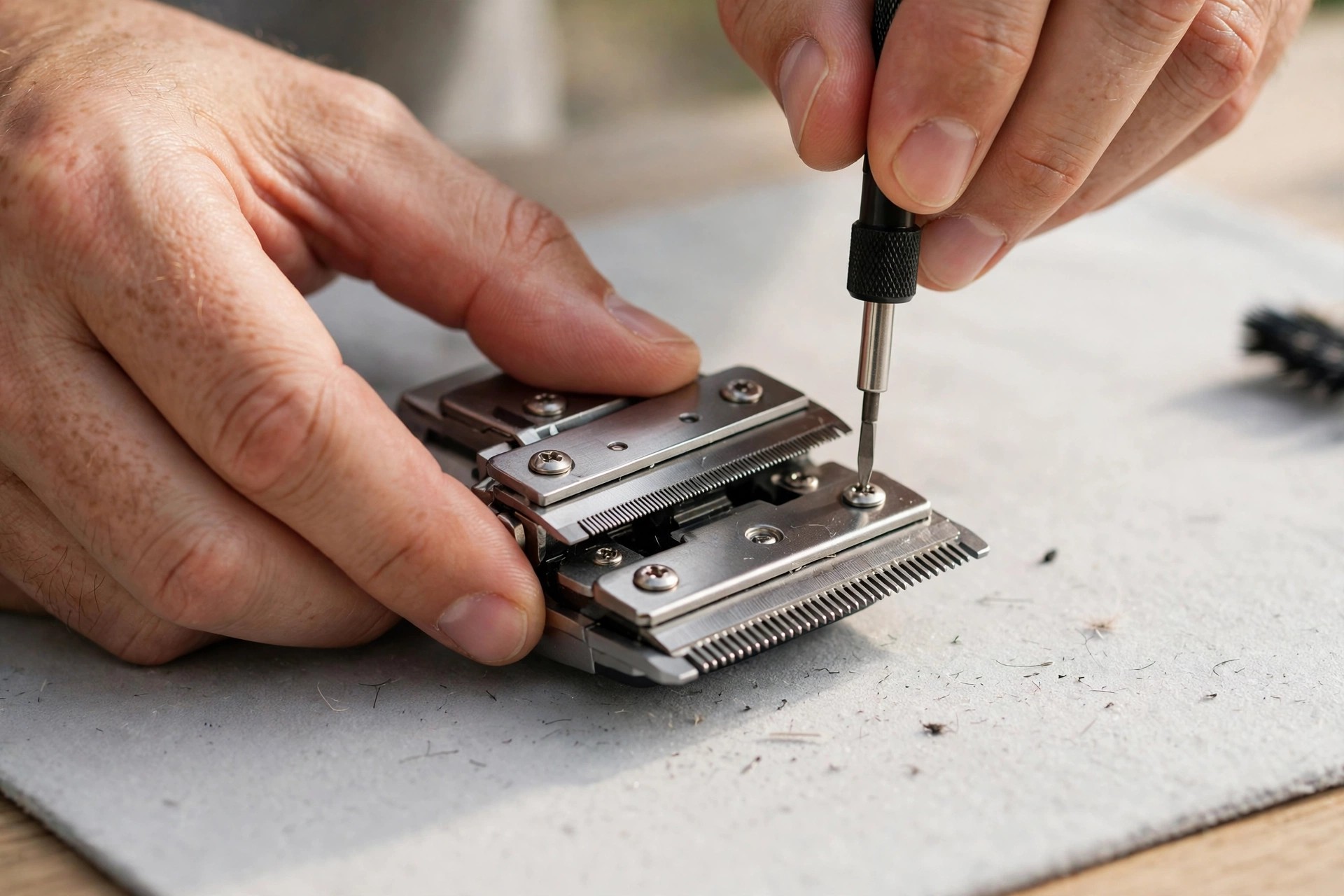
Take the blade off and look at it with care. Brush off dirt, grit, and packed hair in full. Fit the blade back on the trimmer body with care. Turn the tightness screws a bit at a time with a screwdriver.
Test the cut on a small patch of hair next. Spring tightness shapes how well the tool cuts too. A spring too weak or too tight causes faults. Our trimmer repair guide covers deep faults past home fixes.
Sharp Blades Cut Instead of Pulling
Sharp blades slice hair clean with each pass. Dull blades pull, snag, and tear hair in its place. More than one pass on one spot flags a dull edge. Pain that grows as you groom flags it too.
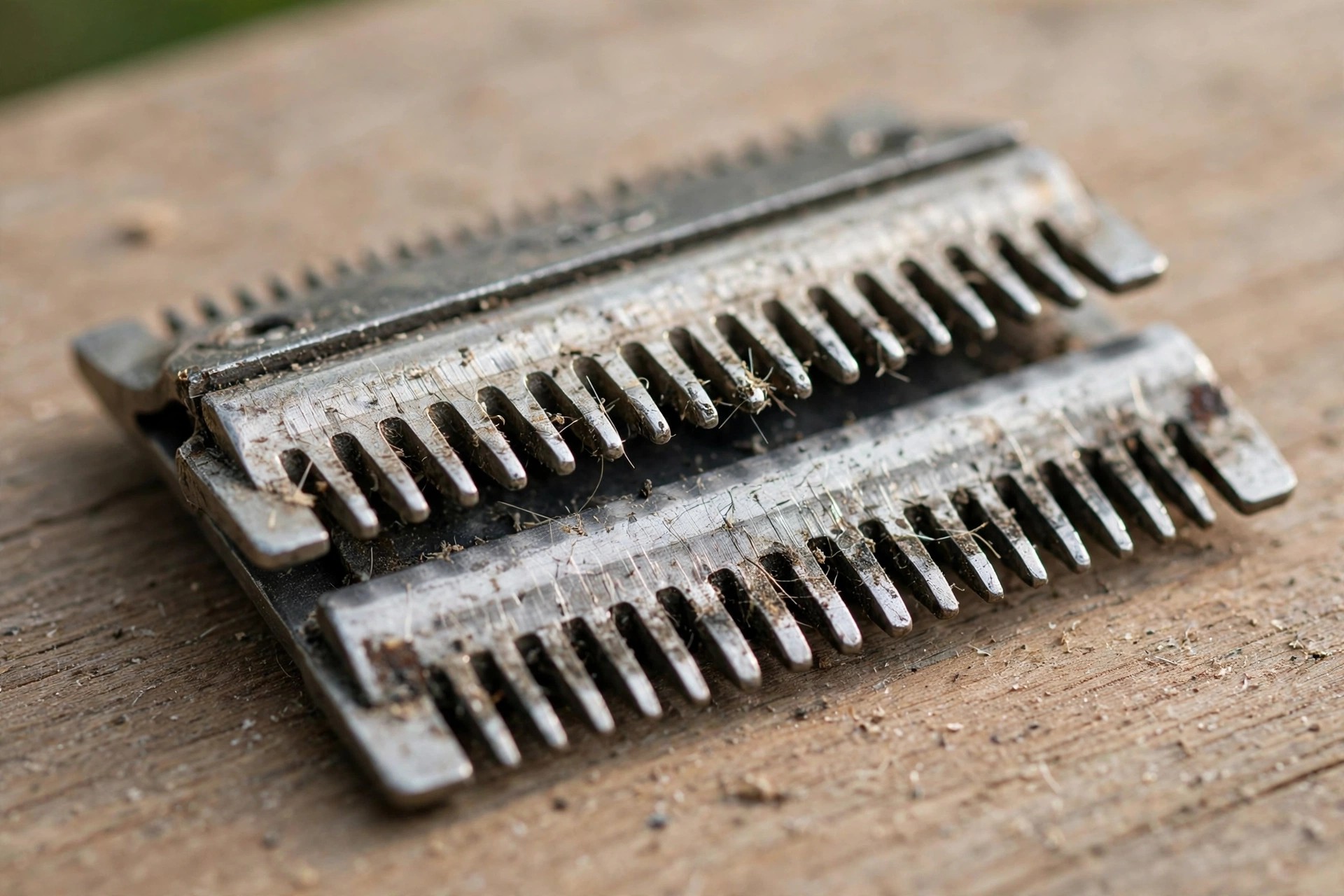
A whetstone can bring back a dull edge with care. Tools made for the job ease the work too. Pro shops can hone blades for you as well. Our blade sharpening guide walks through one brand in full.
| Tool | What the Post Says |
|---|---|
| Blade sharpening tool | Sharpens trimmer blades safely and efficiently |
| Sharpening stone | Traditional tool that restores blade sharpness |
| Clipper oil | Reduces friction for smooth operation |
| Cleaning brush | Removes hair and debris from blades |
Oil blades on a set plan to guard the sharp edge. Store the trimmer in a dry, clean spot at all times. Our blade lifespan guide shows how long blades should last.
Cleaning and Disinfecting Your Trimmer
Packed dirt makes blades dull, clogged, and slow in time. A set wash plan keeps cuts strong and clean. Unplug the trimmer and take off the parts that come free. Brush loose hair and grit off the blades.
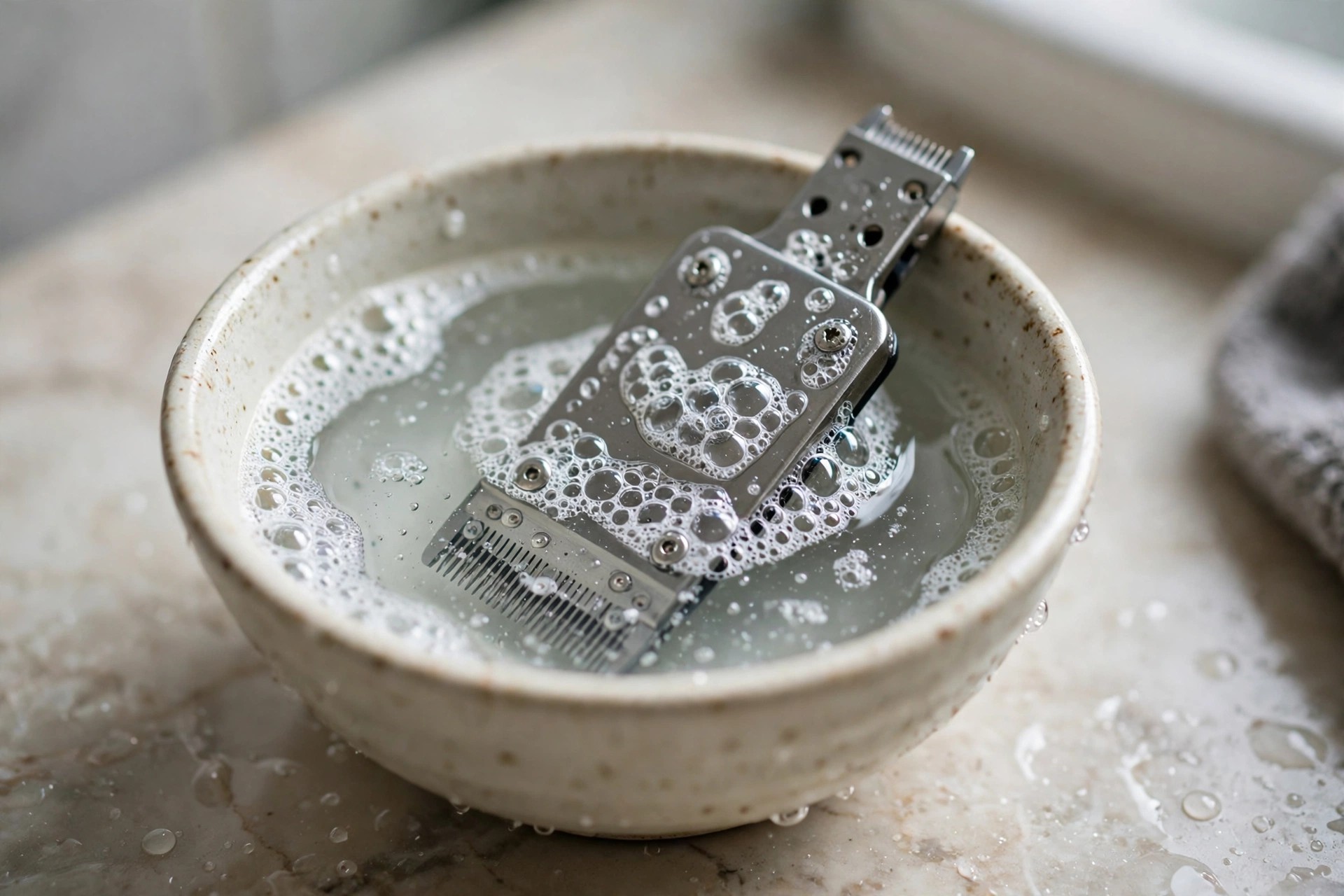
Soak loose parts in warm, soapy water for a short time. Scrub the blade set soft with a brush. Rinse and dry all parts in full before you fit them back. Disinfect the parts to stop germs that spread between uses.
Swap dull blades and worn parts fast, each time. Our BaByliss pulling guide covers pull faults on one brand. Read the maker manual for care steps for your own model.
Technique and Angle for a Smooth Trim
Thick hair suits long guard lengths first. Drop the guard length a step at a time toward the mark. Fine hair suits short guard lengths more. Curly hair trims best while dry and styled.
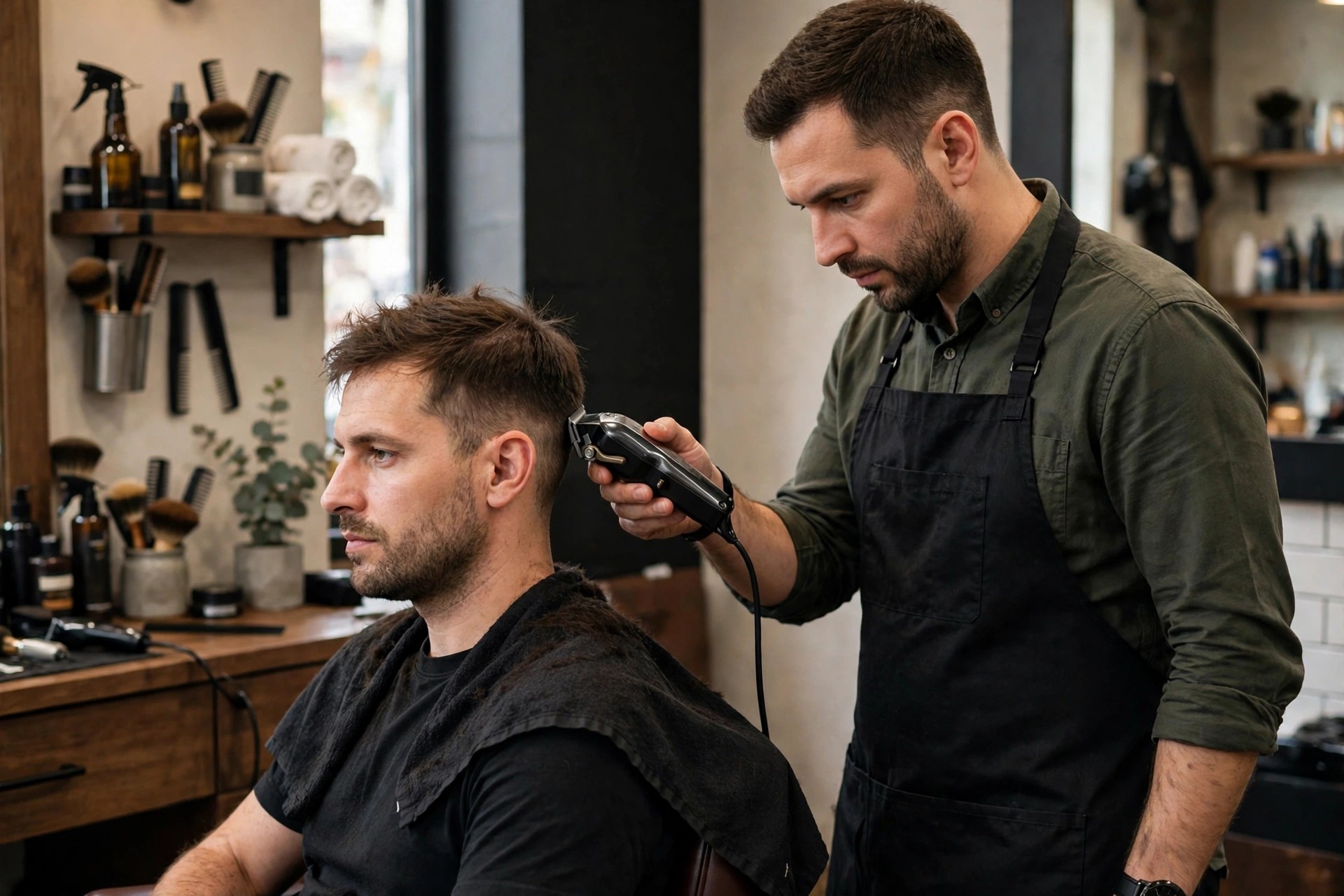
Hold the trimmer at forty-five degrees on the sides. Keep it flat to the skin at the neck line. Trim against the way the hair grows. Do not press hard or rush the job at all.
Please note: This post gives two views on oiling timing. Most sections advise oiling blades before each use. Its alignment tips advise oiling before and after. Both original points stay in place below here.
Clean and oil blades in long trims too. Our skin safety guide shows how nicks can occur. Check the trim from more than one side with care.
Frequently Asked Questions
Why Are My Hair Clippers Snagging My Hair?
New clippers can snag hair right out of the box. Put blade oil on before the first use each time. Oil cuts rub and keeps the blades slick. Good prep gives smooth cuts with no sore skin each time.
How Do I Stop My Hair Clippers From Biting?
Prep the clippers with blade oil before use. Dull or worn blades catch and pull hair. Check blade tightness and line with care as well. Oil helps blades run at the right speed too.
Why Are My Trimmers Biting?
Blades with no prep bite since rub stays too high. Dull or worn blades pull and fail to cut. Set the right tightness and line on the blades. Put clipper oil on and test the trimmer once more.
Why Is My Trimmer Not Cutting My Hair?
Dull or worn blades may be the cause. They catch and pull hair and fail to cut it. Put two drops of clipper oil on the blades. Test the trimmer once more after the oil step.
How Often Should You Apply Blade Oil?
Put a few drops on before each use. That habit keeps blades slick for each trim. Two or three drops most times coat the blades well. Oil on a set plan stops pulls and makes blades last.
Each answer here comes from this post. The parts above spell out each answer in full. Care habits keep each trim smooth day to day.
Conclusion: Why Is My Trimmer Pulling Hair
So, why does your trimmer keep pulling hair out? Dull, worn, or out-of-line blades cause most pulls. Dry blades and packed hair make the fault worse. Oil the blades well before the first use each time.
Check blade tightness and line with care when pulls go on. Oil and wash on a set plan keep cuts strong each day. Soft form guards skin and blades all through the trim. A trimmer prepped well gives clean, easy, smooth trims each time.
