How to Use a Dog Trimmer
A simple device turns grooming into routine. This guide shows how to use a dog trimmer well. The right tool reduces the burden greatly. Correct use keeps dogs comfortable and safe. Calm sessions suit owners and pets alike.
Modern trimmers keep canine coats healthy daily. Choosing correctly improves efficiency and overall safety. Preparation makes every session smoother for everyone. Technique matters as much as equipment here. Maintenance keeps the tool ready for years.
Simple steps cover choosing, preparing and trimming. Safety, benefits and professional advice follow after. Short answers close the guide at the end. Your dog’s comfort guides every choice throughout.
Quick answer: Choose the right trimmer for the coat first. Bathe and brush your dog well before trimming starts. Trim slowly in the direction of hair growth. Check the blade temperature often to prevent burns. Clean and oil the trimmer after every use.
- How to Use a Dog Trimmer: Quick Steps
- Choose the Right Dog Trimmer
- Prepare Your Dog for Trimming
- The Actual Trimming Process
- Post-Trim Cleaning and Maintenance
- Safety Measures While Trimming
- Benefits of Regular Trimming
- Professional Advice for Efficient Trimming
- Frequently Asked Questions
- Conclusion: How to Use a Dog Trimmer
How to Use a Dog Trimmer: Quick Steps
Six quick tips cover the whole routine. Work through them in the order shown. Later sections explain each stage more fully. Gentle, patient work gives the best results.
| Tip | What to Do |
|---|---|
| Choose the trimmer | Match the tool to your dog’s coat type |
| Bathe and brush | Remove tangles before trimming begins |
| Trim with the growth | Start at the neck, blade flat on skin |
| Check blade heat | Frequent checks prevent burns and discomfort |
| Use treats often | Rewards keep your dog calm and cooperative |
| Clean and oil | Maintain the trimmer after every use |
Choose the Right Dog Trimmer
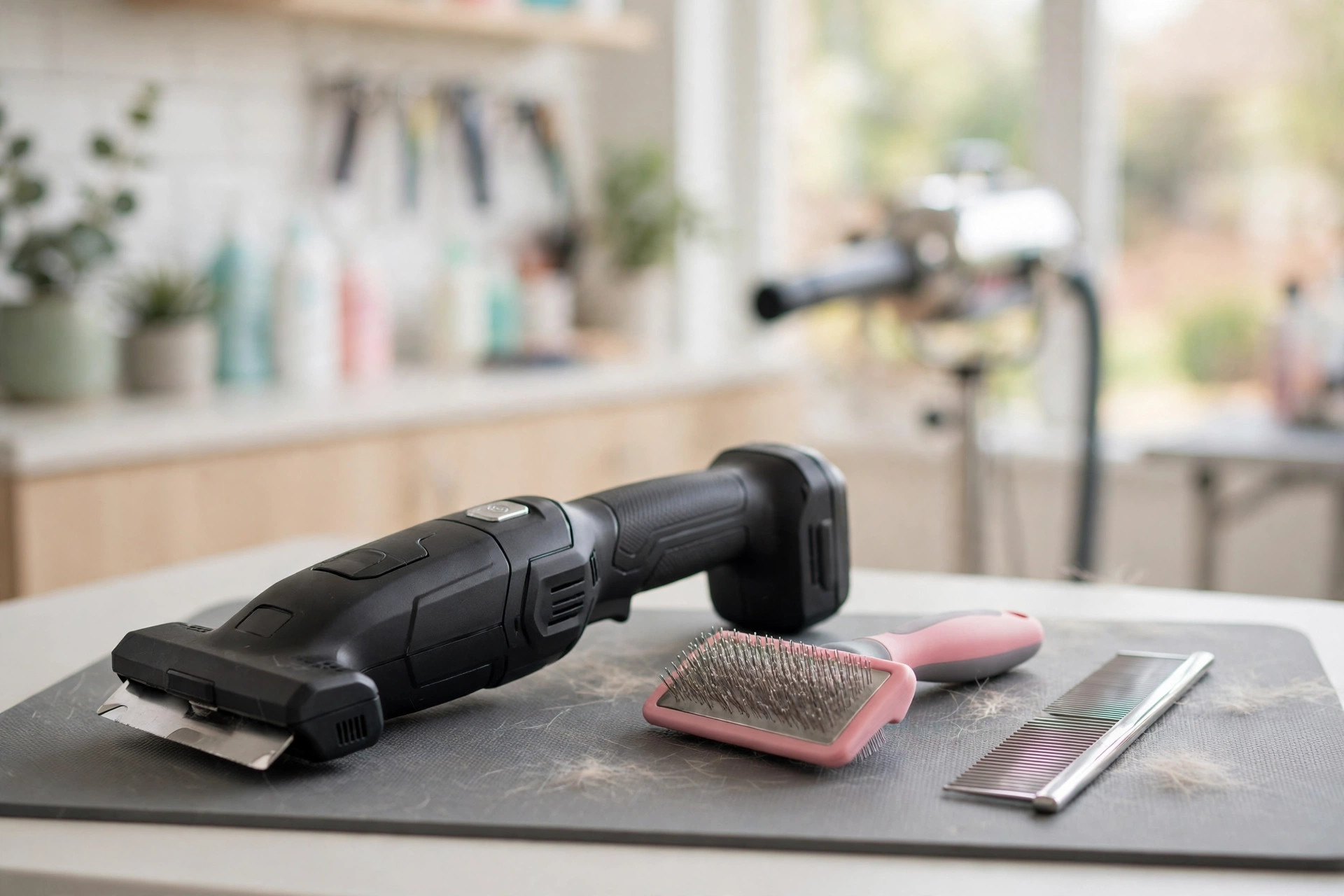
Choosing the right trimmer shapes every session. Start with your dog’s own coat type. Fine, medium and thick fur differ greatly. Read product details before purchasing any trimmer.
| Factor | Guide’s Point |
|---|---|
| Coat type | Fine, medium or thick fur needs matching tools |
| Noise level | Low-noise models keep nervous dogs calmer |
| Battery life | Longer runtime suits bigger, slower grooms |
| Blade lengths | Adjustable lengths suit different body areas |
Noise levels matter for nervous dogs greatly. Low-noise or whisper-quiet models calm pets greatly. Your dog’s comfort always comes first here. A relaxed dog makes grooming smoother overall.
Battery life and power matter too here. Larger dogs need longer-lasting battery power daily. Cordless trimmers provide greater flexibility during grooming. Check real-life reviews for battery performance honestly. Lightweight, easy handling reduces your own fatigue.
Prepare Your Dog for Trimming
Preparation matters as much as trimming itself. Start by giving your dog a bath. Clean fur trims easier and feels gentler. Use dog-friendly shampoo to avoid skin irritation. Dry your dog properly before you begin.
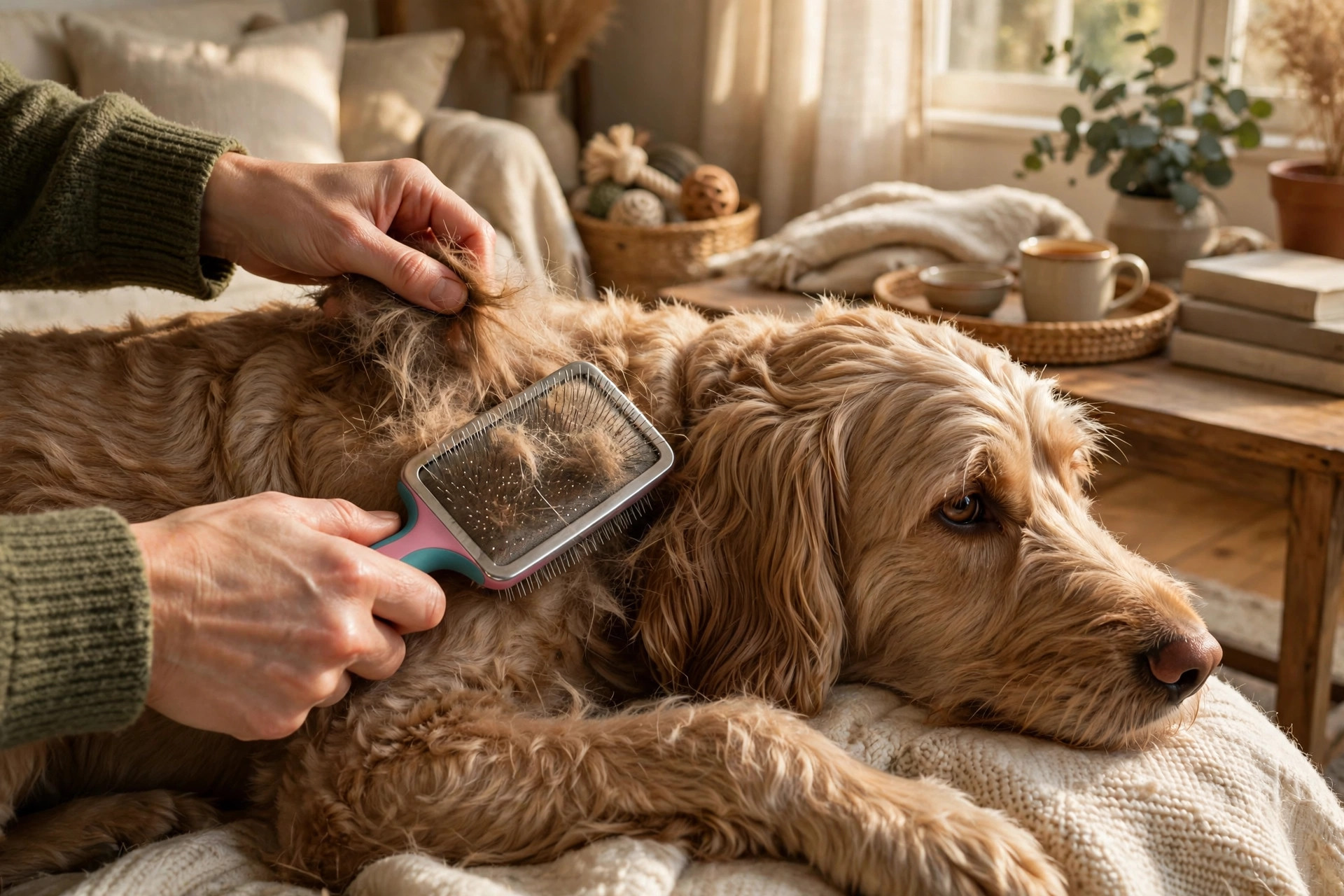
Brush the coat after the bath ends. Brushing removes tangles and mats completely first. Tangled fur makes trimming difficult and uncomfortable. Match the brush to the fur type. Brushing also relaxes your dog before trimming.
Choose a quiet, comfortable trimming space afterwards. Quiet spaces reduce your dog’s anxiety levels. A non-slip mat helps dogs feel secure. Gather trimmer, comb, brush and treats first. A soothing voice helps dogs stay calm.
The Actual Trimming Process
Start with your dog comfortable and relaxed. Hold the body steady with one hand. Start trimming from the neck downwards first. This method helps achieve an even cut.
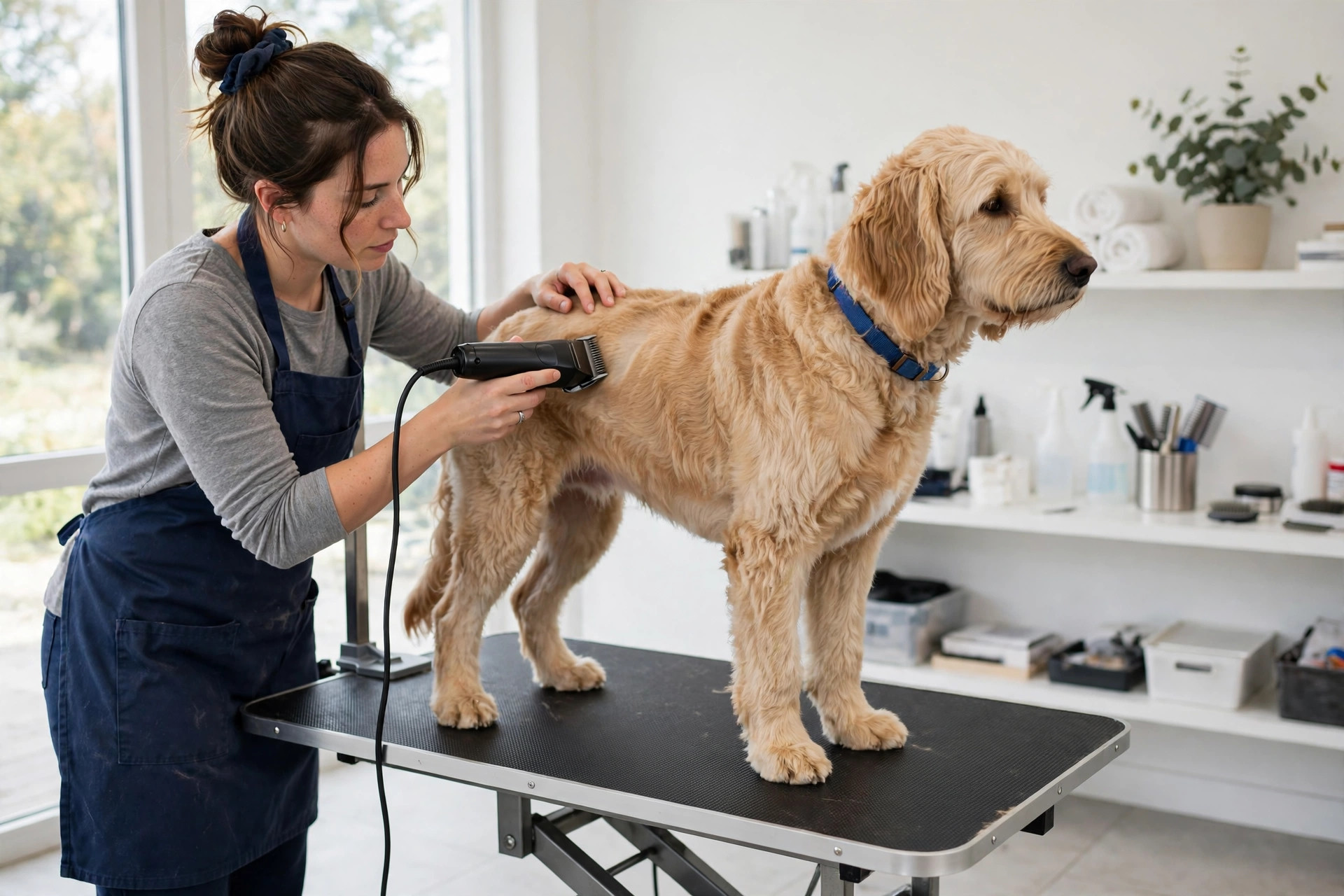
Keep the blade flat against the skin. Move in the direction of hair growth. Guards control the length of the cut. Shorter guards suit more detailed areas best. Adjusting guards helps avoid accidental cuts overall.
Please note: This guide gives two blade angle directions. Its trimming steps keep the blade flat. Its professional advice tilts the trimmer slightly. Glide flat along flat body areas first. Angle slightly only around curved, sensitive spots.
Sensitive areas need extra attention and care. Belly, ears, paws and tail qualify here. Use a slower speed around them carefully. Check the blade temperature very frequently here. A hot blade can burn your dog.
Regular breaks help your dog relax fully. Breaks also let you check overall progress. Offer treats and praise during the breaks. Comb through afterwards for any missed spots. Our body trimmer guide shows similar careful routines.
Post-Trim Cleaning and Maintenance
Clean and maintain the trimmer after trimming. Remove hair stuck in the blades first. Use a small brush for debris removal. Wipe the blades with a cloth afterwards. Our cleaning guide covers full cleaning routines.
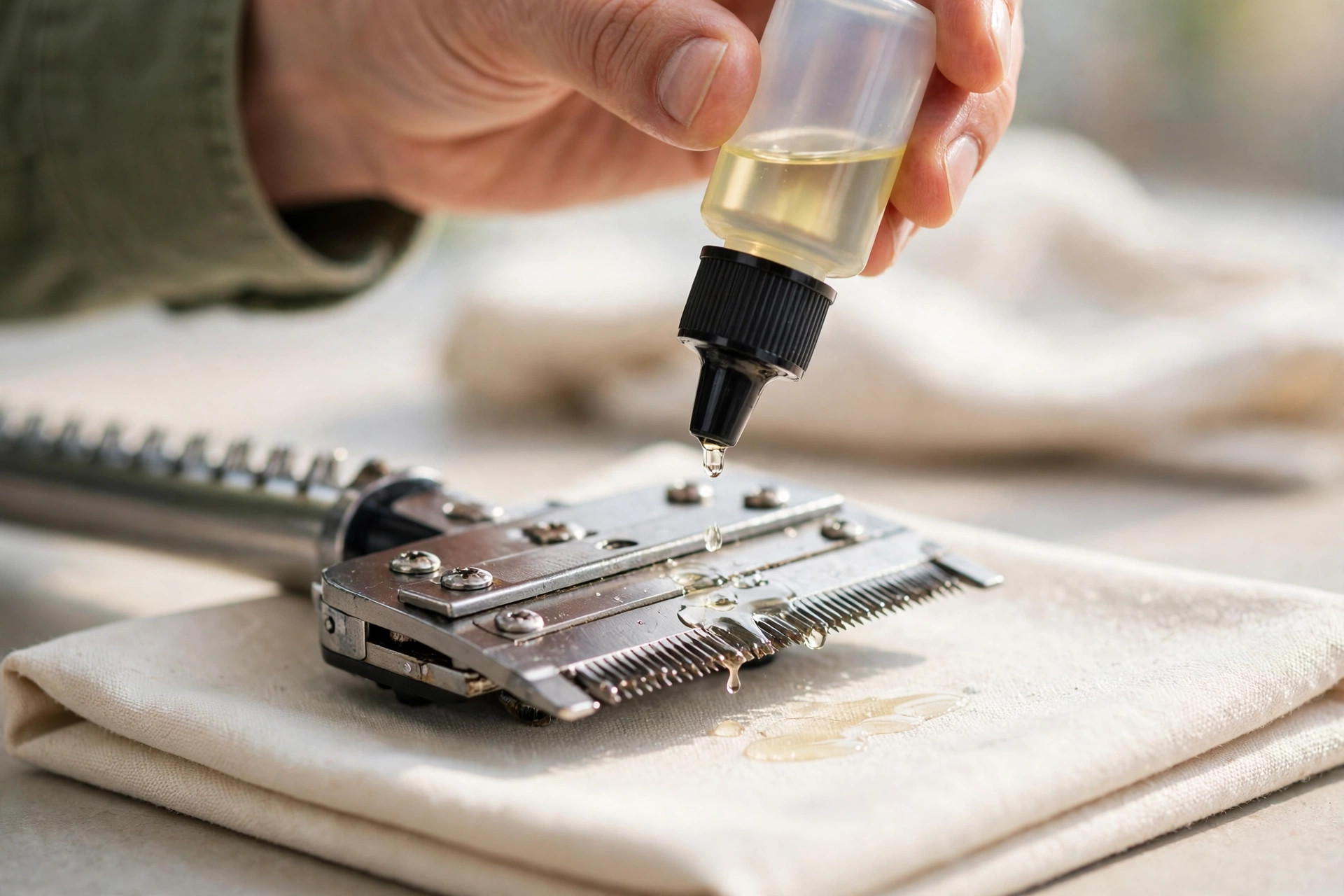
Oil the blades to keep them sharp. Apply few drops along the blade edge. Run it briefly to distribute oil evenly. Follow the manufacturer’s guidelines for specific tips. Our lubricating oil guide covers oiling basics fully.
Battery care extends the trimmer’s working life. Fully charge rechargeable batteries after each use. Never leave it sitting drained for long. Check corded cords for wear and tear. Our water cleaning guide explains rinse-safe tools.
Store the trimmer somewhere dry and cool. A protective cover shields blades from dust. Moisture causes rust and other deterioration quickly. A quick checklist keeps maintenance routine simple. Clean, oil, charge and store every time.
Safety Measures While Trimming
Safety comes first during every grooming session. Examine the trimmer for visible damage first. Check blades for nicks or dull spots. A sharp blade reduces fur pulling greatly. Our sharpening guide explains blade edge care basics.
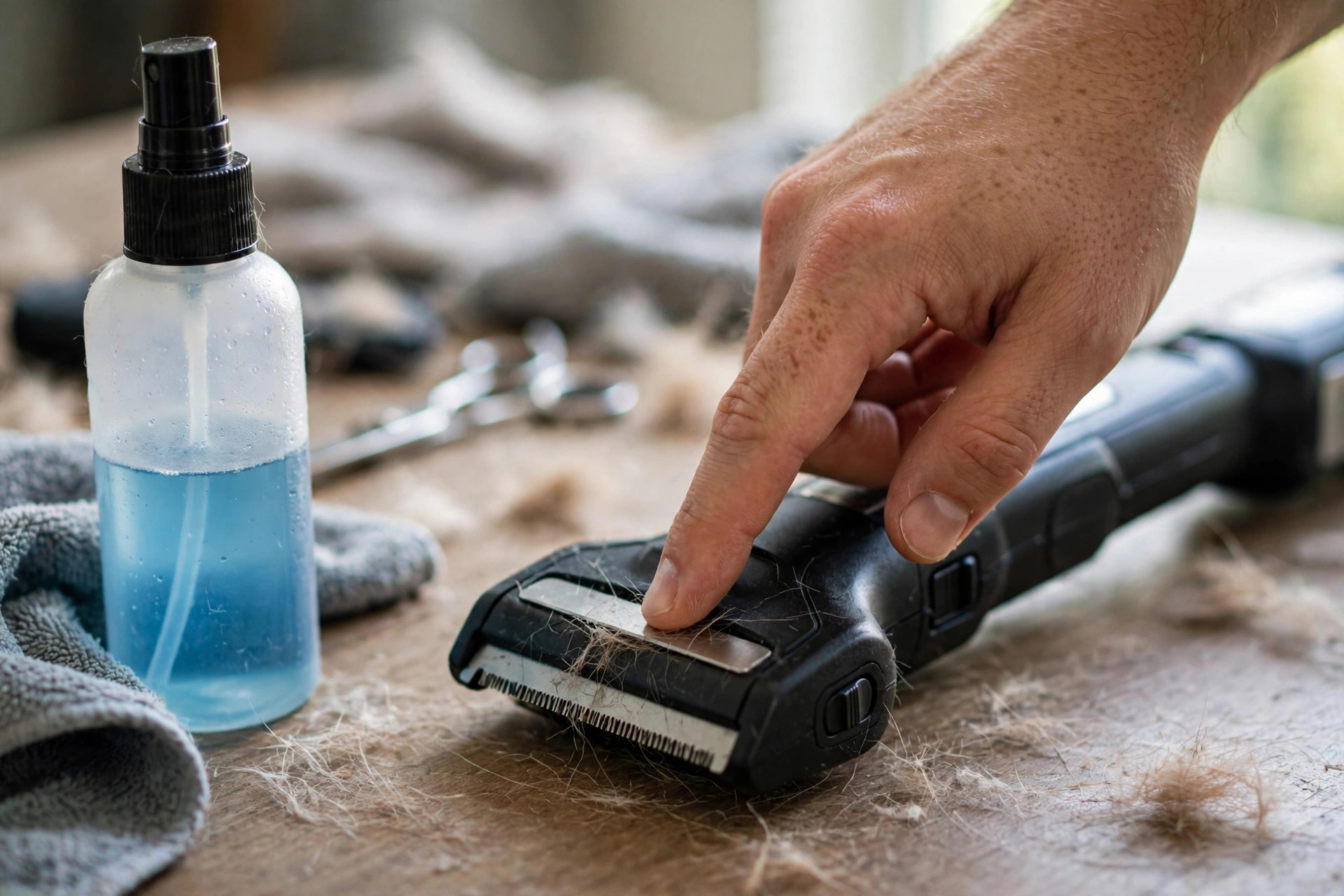
Blade temperature is a hidden danger here. Trimmer blades often get hot over time. Keep a coolant spray handy during sessions. Apply it periodically while you trim dogs. Frequent breaks let the blade cool down.
Hold your dog steady during trimming always. One hand controls the trimmer throughout sessions. The other keeps your dog calm nearby. Start in less sensitive areas first always. Stop immediately if your dog shows distress.
Benefits of Regular Trimming
Regular trimming benefits pets and owners alike. Coats stay free from mats and tangles. Daily brushing becomes easier and more comfortable. Better air circulation reaches the skin underneath. Healthy skin faces fewer infection risks overall.
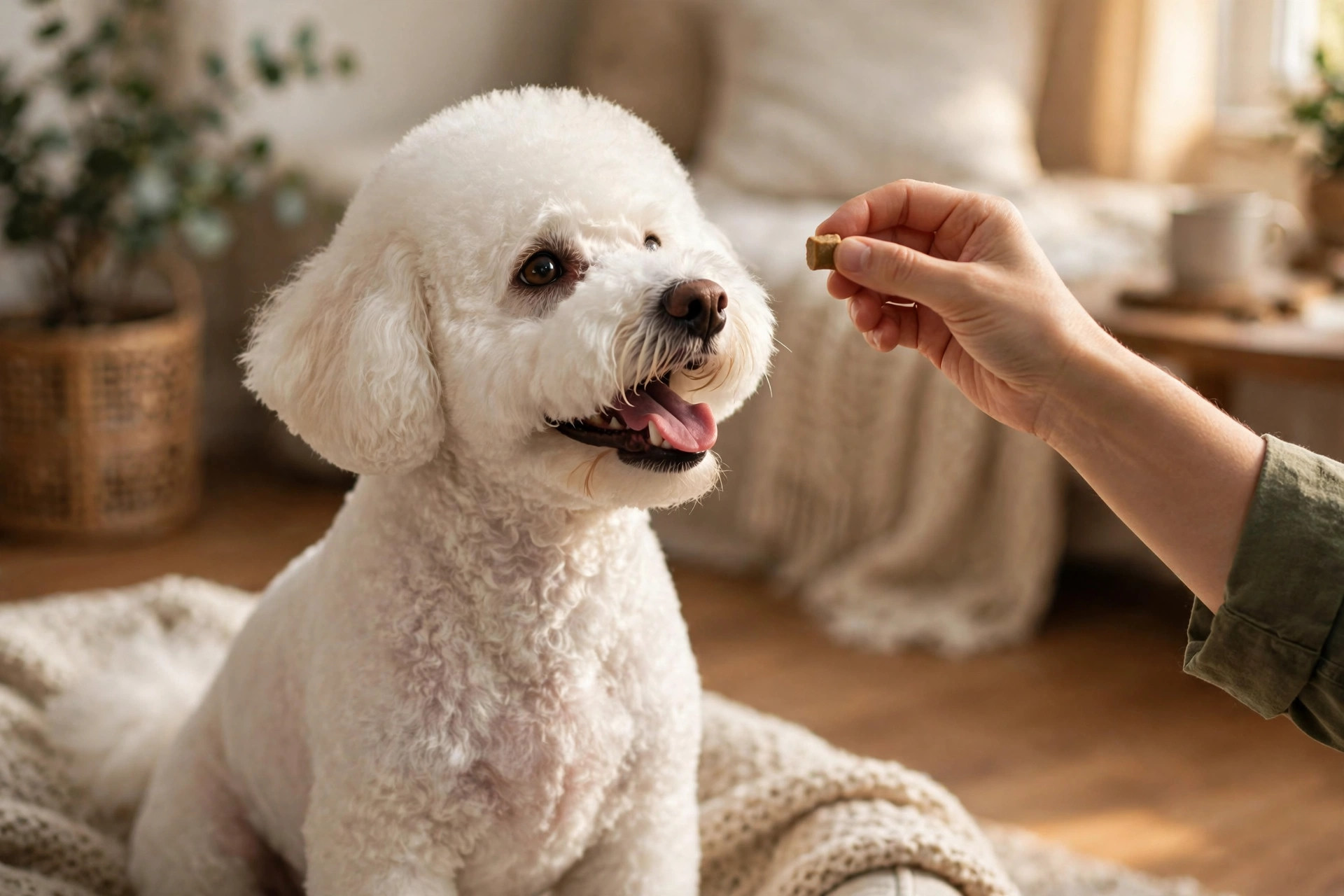
Regular trimming reveals hidden health issues early. Skin irregularities, lumps and parasites appear sooner. Early attention protects your dog’s overall health. Sessions also strengthen your mutual bond greatly. Treats and praise build positive grooming associations.
| Costs | Guide’s Figures |
|---|---|
| Professional groomer costs | $50-$70 per session |
| DIY grooming costs | $0 after the initial investment |
Home grooming also saves money over time. Professional visits add up very quickly indeed. Your own equipment minimizes those repeated costs. The table above shows the monthly difference. Expert pages like AKC publish grooming guidance.
Professional Advice for Efficient Trimming
Experts match the trimmer to fur type. Blade lengths and power settings vary widely. The right choice ensures smooth, efficient sessions. High-quality trimmers reduce dullness and unevenness greatly. Preparation still matters before every single session.
Hold the trimmer at a slight angle. Move slowly, in a controlled manner always. Follow the direction of hair growth exactly. This technique prevents pulling and tugging completely. Calm dogs and relaxed rooms work best.
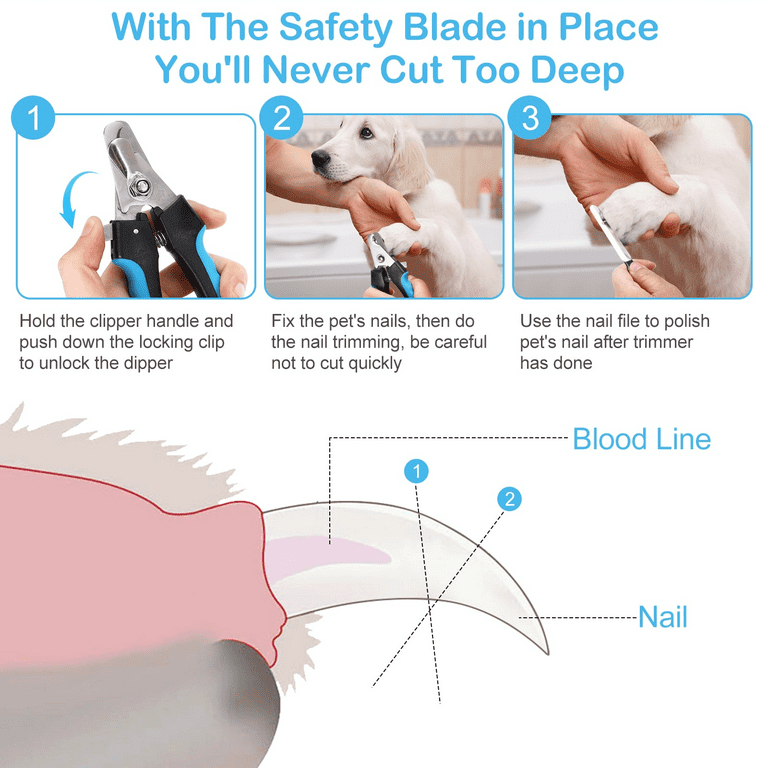
Aim for trimming every 4 to 6 weeks. Consistency makes each session quicker and calmer. A grooming calendar helps track the schedule. Keep multiple blade options for different areas. Our nail trimmer guide covers pet nail care.
Frequently Asked Questions
These answers repeat this guide’s own points only. They follow the same steps explained above. Short answers close the guide at the end.
What type of dog trimmer should I use?
Your dog’s coat decides the right trimmer. Thick coats need high-power, durable blades instead. Thinner coats suit standard power trimmers fine. Adjustable lengths and low noise help greatly. Quality trimmers perform better and last longer.
How often should I trim my dog’s fur?
Most dogs benefit from 4 to 6 weeks. Regular trimming keeps coats healthy and tidy. It also reduces shedding around the home. Fast-growing coats may need more frequent trims. Your vet or groomer advises personal schedules.
Can I use human clippers on my dog?
Human clippers are not recommended for dogs. Design and motor strength differ greatly here. Dog trimmers tackle thicker fur without overheating. They also avoid jamming during tough coats. Human clippers may pull and cause discomfort.
Is it safe to trim around sensitive areas like ears and paws?
Sensitive areas need extra caution, not avoidance. Use sharp, clean blades at proper length. Light pressure avoids nicking the skin accidentally. Go slowly and calmly around these areas. Gentleness keeps both of you relaxed throughout.
Conclusion: How to Use a Dog Trimmer
So, how to use a dog trimmer well? The right tools and techniques make grooming easy. Calm comfort matters at every single stage. Regular maintenance keeps performance strong for years. Our lifespan guide explains long term tool care.
Expert advice and practice simplify the routine. Your dog looks great after every session. Grooming strengthens your bond over time spent together. Safety and comfort always come first here. Happy dogs make grooming genuinely enjoyable daily work.

I’m Patricia D. Johnson, an affiliate marketer and blogger specializing in trimmers and grooming tools. I create honest reviews, buying guides, and practical tips to help readers choose the right trimmer for their needs. With a focus on quality, performance, and value, I simplify the decision-making process so consumers can make confident purchases.