
How to Use a Body Trimmer
Poor grooming methods often leave skin irritated. This guide shows how to use a body trimmer well. Beginners and experienced groomers both benefit here greatly. Comfort and appearance improve with correct technique. One simple tool covers most body areas.
Modern body trimmers offer precision and comfort together. Adjustable settings suit different hair lengths easily. Guards protect sensitive areas during every session. Used correctly, they calm skin instead of stressing.
First learn the tool and its attachments. Then prepare skin and trim with care. Post-trimming care keeps skin smooth and healthy. Short answers at the end cover common questions. Your manual gives model specific details throughout.
Quick answer: Start every session with clean and dry skin. Select the right guard length for each area. Trim slowly in the direction of hair growth. Use slow, steady strokes for even results overall. Clean the trimmer properly after every single use.
- How to Use a Body Trimmer: Quick Steps
- Know Your Trimmer and Choose Well
- Prepare Your Skin and Space
- Trimming Technique That Protects Skin
- Post-Trimming Care for Calm Skin
- Benefits of a Body Trimmer
- Body Trimmer Versus Traditional Razor
- Frequently Asked Questions
- Conclusion: How to Use a Body Trimmer
How to Use a Body Trimmer: Quick Steps
Five quick steps cover the whole body routine. Work through them in the order shown here. Later sections explain each stage more fully below. Read your manual before the first session.
| Step | What to Do |
|---|---|
| 1. Start clean and dry | Clean, dry skin reduces irritation risk greatly |
| 2. Select the guard | Choose guard length for the target area |
| 3. Follow the growth | Trim with growth to avoid tugging discomfort |
| 4. Use steady strokes | Slow, steady strokes keep trimming even overall |
| 5. Clean the trimmer | Regular cleaning maintains hygiene and effectiveness |

Trimming supports hygiene and personal confidence together. Managed hair traps less sweat and bacteria. That lowers odor and infection chances too. Athletes value reduced sweat build-up during training. A weekly or monthly routine keeps results.
Know Your Trimmer and Choose Well
Learn the parts and attachments before starting. Guards come in various lengths for areas. Knowing each attachment makes trimming easier overall. The manual explains model specific details clearly.
| Feature | Guide’s Point |
|---|---|
| Guard sizes | Various lengths suit different body areas |
| Speed settings | Adjustable speeds control the trimming process |
| Battery | Indicators and full charges prevent interruptions |
| Design | Ergonomic, waterproof and rechargeable builds help |
| Reviews | Customer feedback reveals performance and durability |
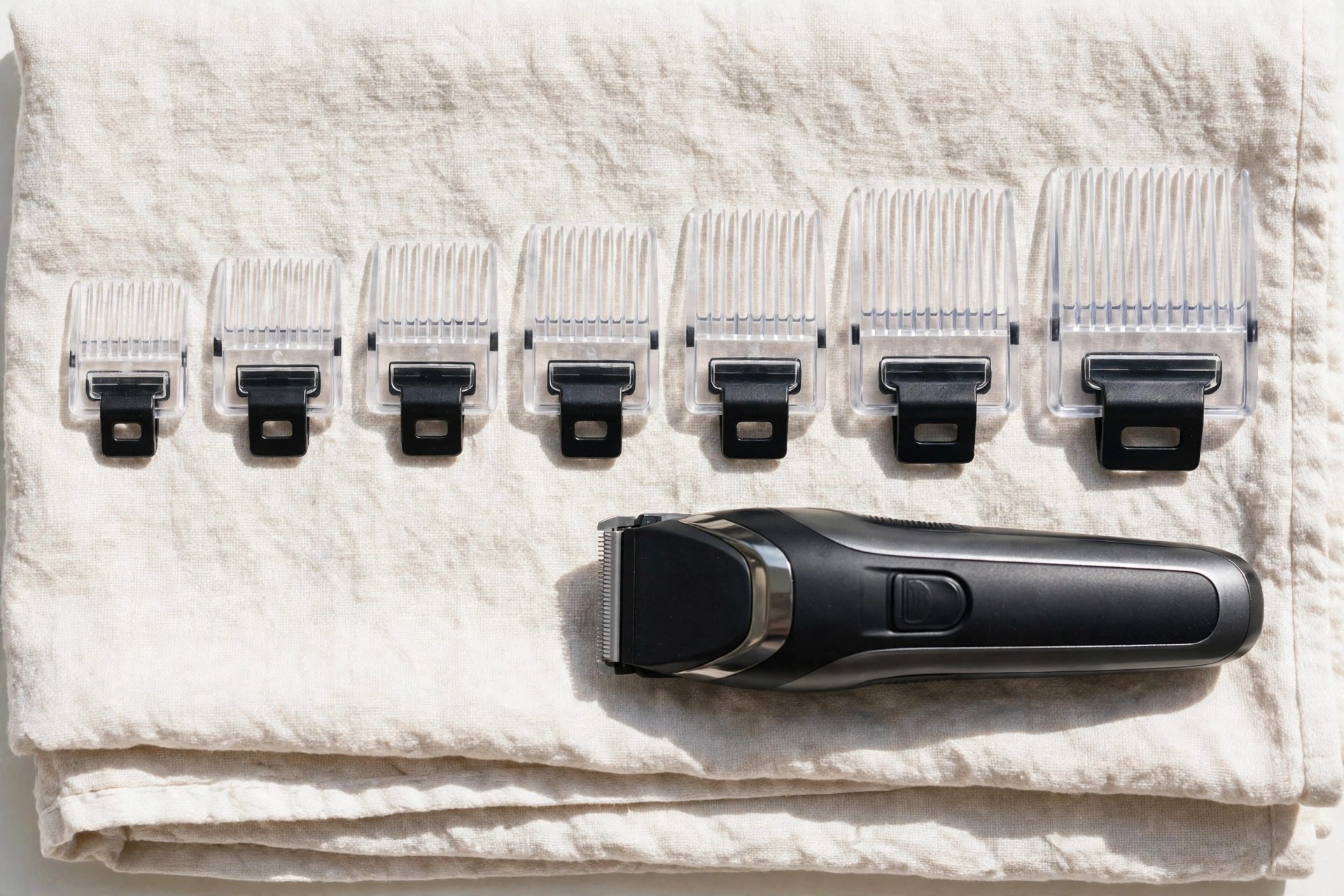
Choose a trimmer matching your specific needs. Sensitive skin and specific areas need care. Ergonomic grips feel comfortable during long sessions.
Lighter models maneuver more easily around contours. Waterproof models can work in the shower. Maker pages like Philips show body groomer ranges available.
Price and warranty deserve attention before buying. Cheaper models tempt, but quality pays off. Reputable brands offer warranties for peace mind. Compare several products against your needs first. A durable trimmer delivers better results longer.
Prepare Your Skin and Space
A warm shower starts preparation very well. Warm water softens hair and opens pores. Trimming feels smoother and more comfortable afterwards. Dry off completely before you begin though. Wet hair can clog the trimmer quickly.

Please note: This guide gives two different water directions. Its preparation steps say dry off completely. Its questions praise wet trimming for waterproof models. Follow the rating on your own model. Trim dry unless the maker allows wet use.
Decide the length for each area first. Chest hair often suits a shorter setting. Leg hair usually suits a longer guard. Test a small patch before committing fully. Patch tests prevent unwanted surprises later on.
Choose an easy-to-clean trimming space for yourself. Bathrooms and tile floors work well here. Lay a towel down to catch hair.
Gather guards, mirror and comb within reach. A mirror reveals the hard-to-reach spots clearly. Sensitive skin benefits from pre-shave oil too.
Trimming Technique That Protects Skin
Hold the trimmer at a slight angle. Move in the direction of hair growth. That direction avoids tugging and razor bumps.
Slow, steady strokes keep the trim even. Rushing creates uneven patches very easily indeed. Keep the trimmer flat against your skin.

Trim thicker hair in layers for control. Start with a longer guard setting first. Switch gradually toward shorter guards after that.
Stretch the skin taut with free hand. Taut skin helps the trimmer glide smoothly. Our precision trimmer guide covers fine detail work further.
Use a mirror for the hard-to-reach areas. Back sections need a hand mirror especially. Adjust settings based on your comfort level.
Tugging signals dull blades or wrong angle. Keep a light touch on sensitive zones. Our ladies’ trimmer guide shares gentle body routines too.
Gentle exfoliation beforehand removes dead skin cells. That prevents clogged pores during the session. Sensitive areas suit longer guards and slower speeds. Less direct contact means less irritation overall. Our one blade guide shows similar careful trimming routines.
Post-Trimming Care for Calm Skin
Rinse loose hairs off with lukewarm water. Pat skin dry gently with a towel. Rubbing causes redness and discomfort quite quickly. Gentle drying prepares skin for soothing products.

Apply soothing balm or lotion after trimming. Aloe vera and chamomile calm skin naturally. Avoid alcohol products that dry and sting. Fragrance-free moisturizers lock in moisture very well. Regular moisturizing keeps skin soft and healthy.
Wear loose, breathable clothing after each session. Cotton fabrics let fresh skin breathe freely. Tight clothes rub and irritate trimmed skin. Avoid vigorous activities for a few hours. A cool compress relieves redness if needed.
Drink plenty of water every day too. Hydrated skin resists irritation much better overall. Watch skin over the next days carefully. Persistent redness may need anti-inflammatory cream instead. Proper care keeps results smooth and comfortable.
Benefits of a Body Trimmer
Length settings give precise control over results. You trim to the desired length exactly. Uniform looks come without cutting too much. Varying lengths across body areas stay manageable.
Body trimmers reduce skin irritation noticeably too. They minimize direct contact with the skin. Hypoallergenic blades protect sensitive skin even further. Nicks, cuts and razor burn happen less. Our lifespan guide explains long term trimmer care expectations.
They save time and money long term. No shaving cream is needed each session. Replacement blades are needed far less often. Attachments cover face, sideburns, eyebrows and back. Regular trimming also improves everyday hygiene standards.
Body Trimmer Versus Traditional Razor
Both tools groom well in different ways. Your needs and preferences decide between them. The table summarizes the guide’s own comparison.
| Point | Body Trimmer | Traditional Razor |
|---|---|---|
| Result | Chosen length, hair remains | Close shave, super smooth skin |
| Irritation | Glides without direct skin contact | Bumps and ingrowns more likely |
| Routine | Quick, no cream or rinsing | Cream, water and frequent rinsing |
| Cost | Higher upfront, economical long term | Cheaper start, continuous supply costs |
Trimmers suit quick touch-ups and busy routines. Razors suit those wanting completely smooth skin. Sensitive skin usually prefers the trimmer approach. Both tools earn a place in grooming.
Frequently Asked Questions
These answers repeat this guide’s own points only. They follow the same steps explained above closely. Short answers close the guide at the end.
What areas of the body can I trim with a body trimmer?
Chest, back, legs and arms suit well. Sensitive areas like underarms work with guards. Use different guard lengths for different areas. Start longer for comfort and safety first. Shorter guards fine-tune the trim afterwards carefully.
How often should I clean my body trimmer?
Clean the trimmer after every single use. Clippings harbor bacteria inside the blades quickly. Detachable heads rinse under running water easily.
Some models include specialized cleaning brushes too. Our cleaning guide covers full routines step by step. Regular cleaning extends the trimmer’s working life.

Can I use my body trimmer on wet skin?
That depends on your trimmer’s design itself. Many newer models are fully waterproof nowadays. They work safely on wet skin too.
Wet trimming softens hair before cutting it. Non-waterproof models need completely dry skin always. Our water cleaning guide explains safe rinsing in detail.
Are there any pre-trimming preparations needed?
Yes, preparation improves results and prevents irritation. Wash skin with warm water before starting. Warm water softens follicles and opens pores.
Gentle exfoliation removes dead skin cells too. Dry thoroughly afterwards for the best experience. Our blade cleaning guide covers keeping blades clog free.
How do I prevent ingrown hairs while using a body trimmer?
Always trim in the direction of growth. Cutting against growth raises irritation risk greatly. Cleanse and exfoliate skin before each session. Moisturize afterwards to keep skin calm daily. Proper technique prevents most ingrown hairs effectively.
Conclusion: How to Use a Body Trimmer
So, how to use a body trimmer well? Learn the tool, prepare and trim gently. Follow the growth with slow steady strokes. Clean the trimmer and soothe skin afterwards. Consistency turns sessions into easy routine habits.
Correct technique reduces irritation and saves money. Proper care keeps the experience comfortable always. Better skin health and confidence follow naturally. Embrace these practices for smoother grooming daily.

I’m Patricia D. Johnson, an affiliate marketer and blogger specializing in trimmers and grooming tools. I create honest reviews, buying guides, and practical tips to help readers choose the right trimmer for their needs. With a focus on quality, performance, and value, I simplify the decision-making process so consumers can make confident purchases.