How to Edge a Lawn with String Trimmer
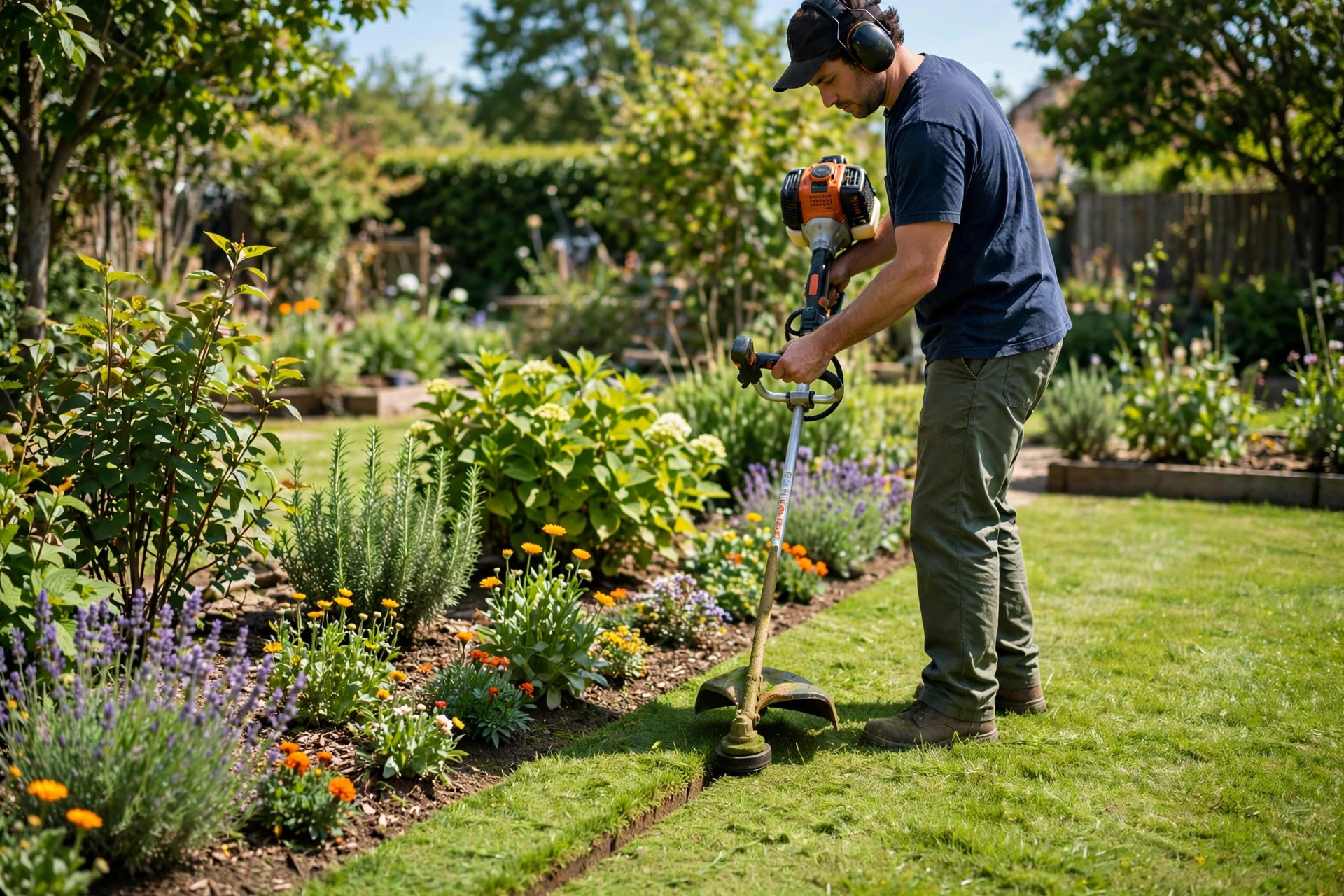
I often find the string trimmer handy for my lawn. It gives my lawn a pristine look fast. With the right technique, you can edge very neatly. You can match a professional edger closely.
All you need is a string trimmer and some concentration. This guide shows how to edge a lawn with string trimmer well. Each step below keeps the line straight. Your yard will look clean and professional.
Lawn edging dates back to the 19th century. Back then, workers edged lawns manually with shears. Today, the string trimmer feels like a blessing. It blends past traditions with modern solutions.
- First, clean the area where you wish to edge. Remove any large rocks or debris.
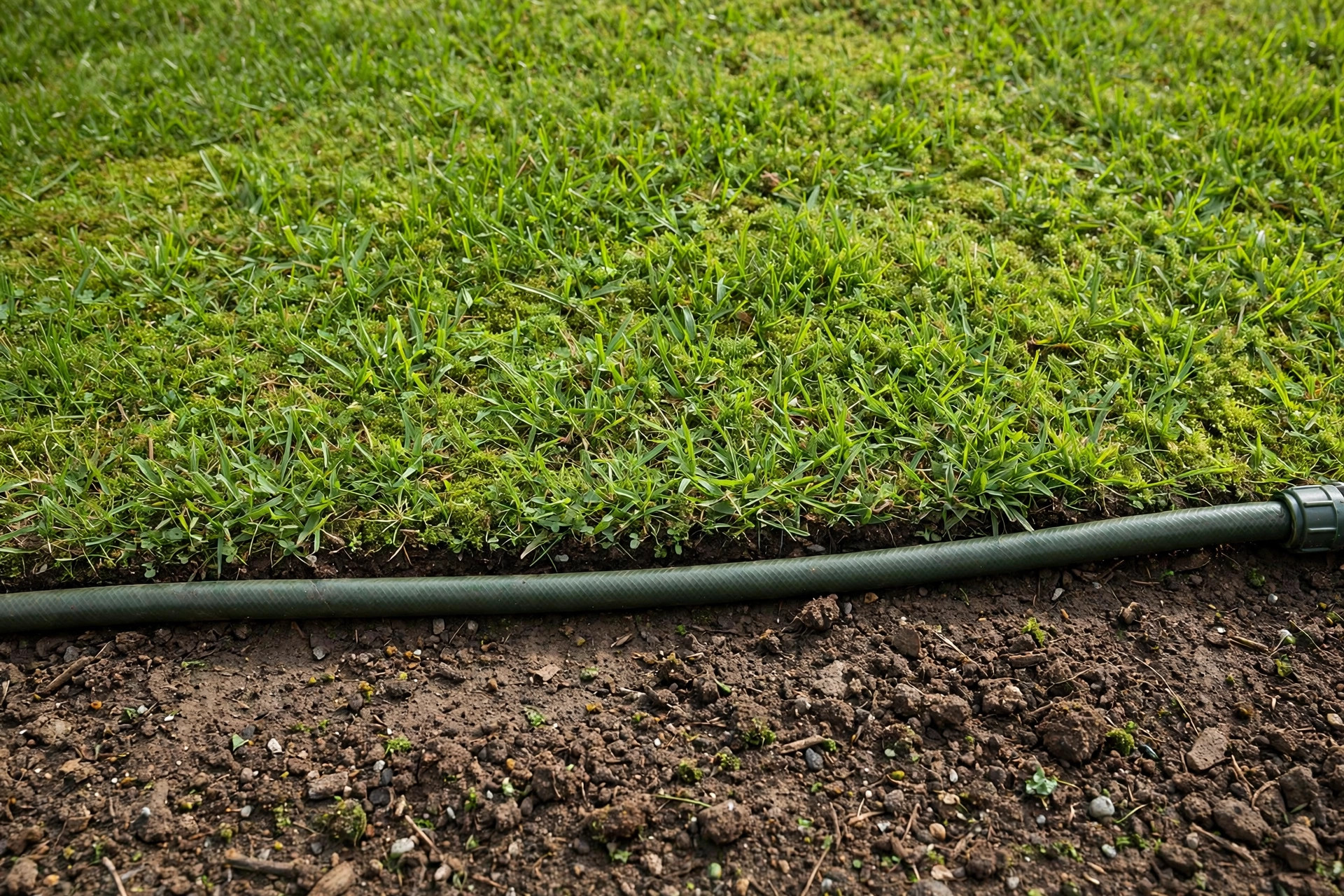
- Next, mark out the edge of your lawn using a garden hose or spray paint.
- Grasp your string trimmer firmly and tilt it to a vertical position. The cutting string should be parallel to the marked edge.
- Finally, sweep the trimmer along the marked line with a steady, slow motion, creating a clean, sharp edge.
Quick answer: First, clean the area where you wish to edge. Tilt the trimmer so the string stands vertical. Sweep slowly along the marked line with care. Keep the string right at the marked edge. Sweep up the debris when you finish.
How to Edge a Lawn with String Trimmer
Maintaining a perfectly manicured lawn is not just about mowing. It requires other tasks, such as edging. Edging creates a defined boundary between your grass. It separates grass from the adjacent landscapes neatly.
One efficient way to edge is using a string trimmer. Here’s how to edge a lawn with a string trimmer. Start with our how to use a trimmer guide for the basics.
| Step | What you do | Key tip |
|---|---|---|
| 1 | Gather your equipment and gear | Glasses, gloves, sturdy shoes |
| 2 | Define the edge of your lawn | Hose or board marks the line |
| 3 | Position the trimmer correctly | String vertical to the ground |
| 4 | Start edging along the guide | Slow pace, light pressure |
| 5 | Clean up and maintain the tool | Repeat about every two weeks |
Gather the Necessary Equipment
Step 1: Gather the Necessary Equipment
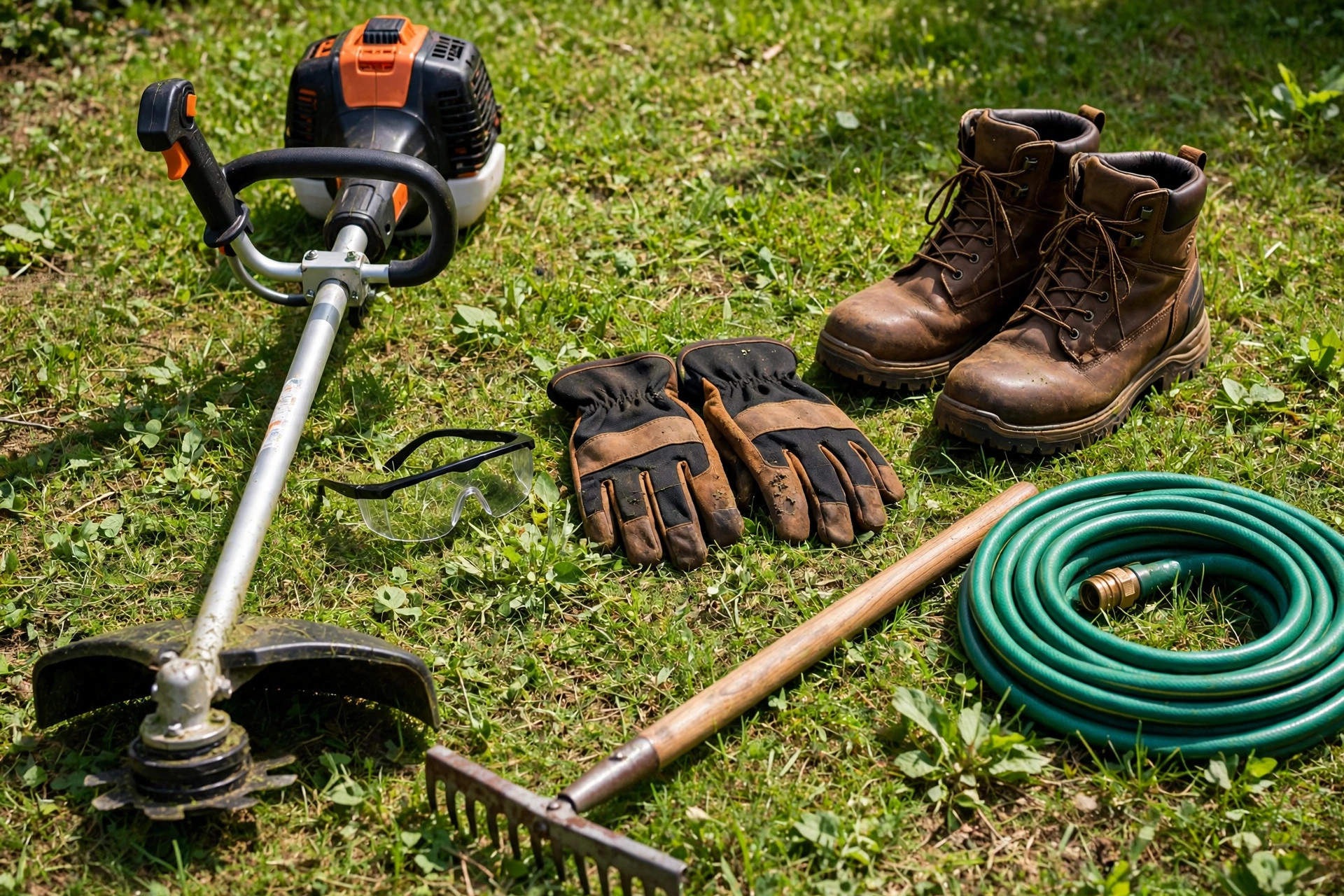
The first step is to gather all the necessary equipment. Of course, the most important tool is the string trimmer. Gas models offer power and mobility for big yards. Electric units offer ease of use instead.
Electric units are also kinder to the environment. Make sure your trimmer works in good condition. Check that the trimmer line is properly installed. Additionally, you will need safety gear ready. Our how to buy a string trimmer guide helps you choose well.
Wear safety glasses to protect your eyes from debris. Gloves protect your hands, and sturdy shoes your feet. Long pants protect your legs while you work. Don’t forget sunscreen if you’re working in the sun.
For a perfectly straight edge, you’ll need to create a guide. Use a piece of string or a board. Another straight edge works for the guide too. Keep a rake or broom handy for cleanup.
Lots of grass makes cleanup slower without them. Equipped with these items, you are set to proceed. The next step is the actual trimming process.
Define Your Lawn’s Edge
Step 2: Define Your Lawn’s Edge
Before starting the actual edging, it’s crucial to define your lawn’s edge. Lay your guide along the periphery of your lawn. Place it exactly where you want the edge. This step is vital for achieving a straight, even edge.
Along concrete, the edge is already defined for you. Know where the grass ends and concrete starts. That care protects the trimmer and the path. Take your time in this step and adjust the guide as needed.
The time you invest here pays off later. You will enjoy a professionally trimmed lawn. Defining your edge gives you a distinct guide. You follow it for neatness and precision.
It’s especially helpful for beginners learning how to edge a lawn with a string trimmer. Once you feel satisfied with the guide, start. It is time to power up your trimmer. Learn how to edge a sidewalk with a string trimmer for paths.
Position the String Trimmer Correctly
Step 3: Position The String Trimmer Correctly
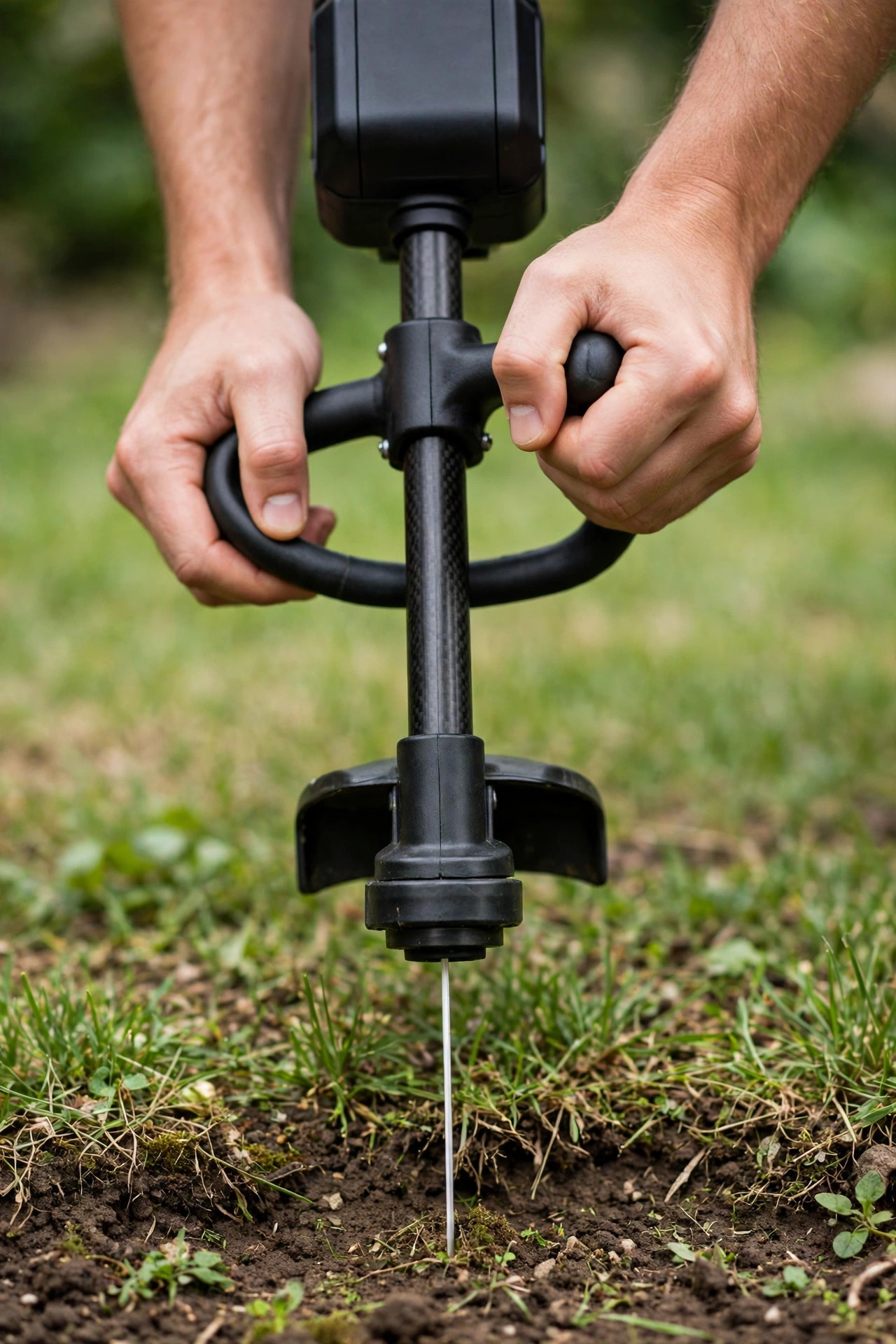
Hold the trimmer at an angle for edging. That angle differs from normal grass trimming. Hold the head so the string stands vertical. Keep it perpendicular to the ground below.
Remember, the goal is to create a sharp edge, not cut grass near the surface. Holding the trimmer this way might feel awkward. That is normal if you usually trim flat. Practice holding and maneuvering the trimmer near the edge but not cutting into the grass.
This way, you’ll get a feel for the tool before you start trimming. Maintain a firm grip on the trimmer at all times. Every trimmer model grips a little differently. Make sure to read the manual for yours.
After getting acquainted with the positioning, the next step involves starting the edging. Practice the grip before you start the engine. See how to use a string trimmer as an edger for stance tips.
Start Edging
Step 4: Start Edging
Now that you have mastered the correct positioning, it’s time to start edging. Begin at one end of your defined edge and move to the other end. Keep the trimmer head vertical and follow your guide. Pace yourself; going slowly ensures a straighter edge and reduces mistakes.
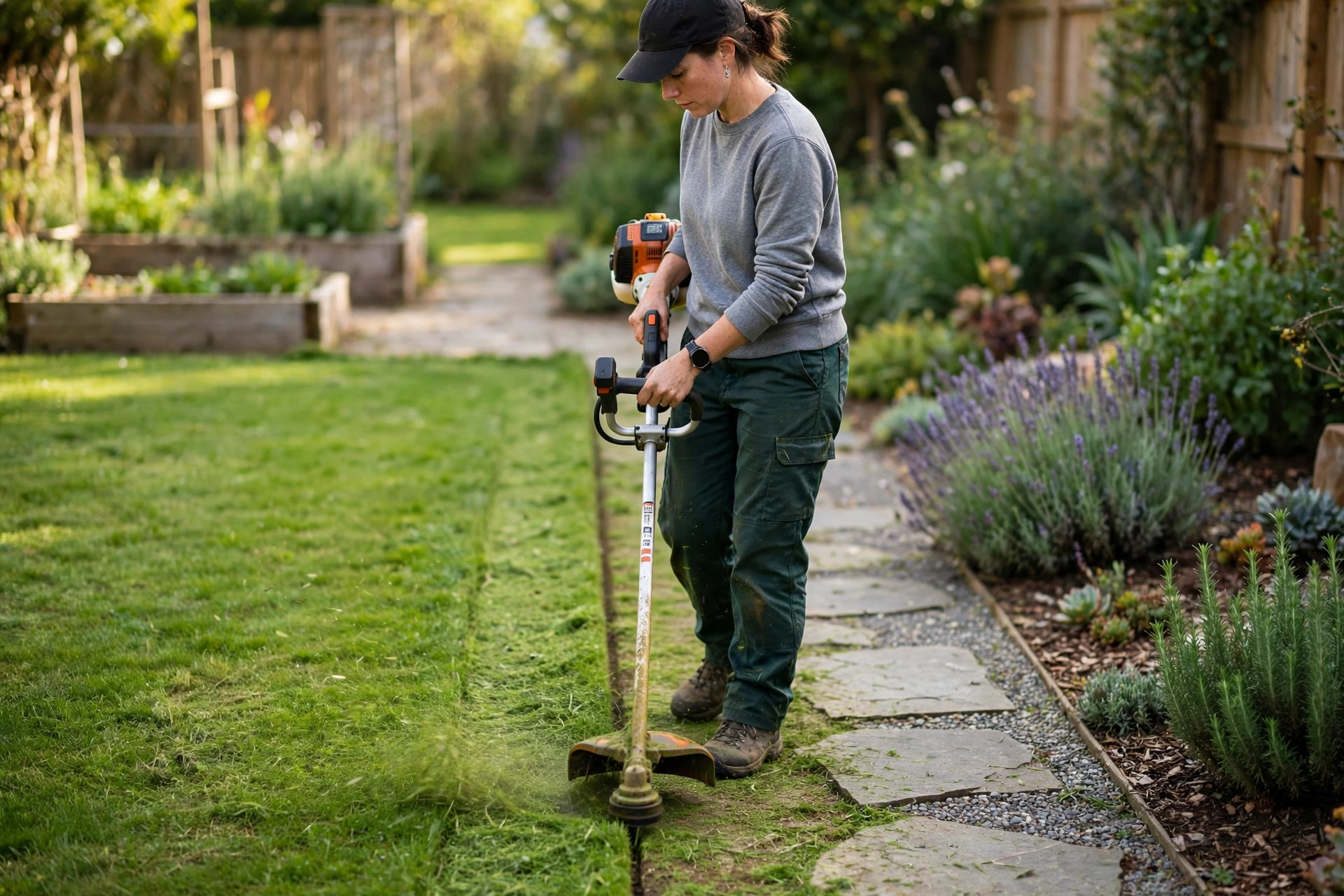
Keep the spinning string at your defined edge. Walk the trimmer along that edge steadily. Keep consistent, slight pressure against the edge. You will create a clean edge along the section.
Remember, you’re cutting into the soil slightly—not only cutting the grass. This creates a definition between your lawn and where it ends. Avoid pressing the trimmer too hard into the edge.
Hard pressure can damage the grass blade. Damaged grass looks ragged instead of crisply cut. This way, the grass is already short.
You can see where you are cutting. Short grass makes every cut easier to judge. Learn how to cut grass with a string trimmer for open lawn areas.
| Check | Do this | Why |
|---|---|---|
| Guide | Lay it before you start | Straight lines follow |
| Pressure | Light and steady pressure | Grass stays crisp, not torn |
| Timing | Edge right after mowing | Short grass shows the line |
Clean Up and Maintenance
Step 5: Clean Up and Maintenance
After successfully going over the perimeter of your lawn, your edge should be well defined. To keep it looking sharp, regular upkeep is necessary. Repeat this process every two weeks or so. Grass growth speed sets the right pace.
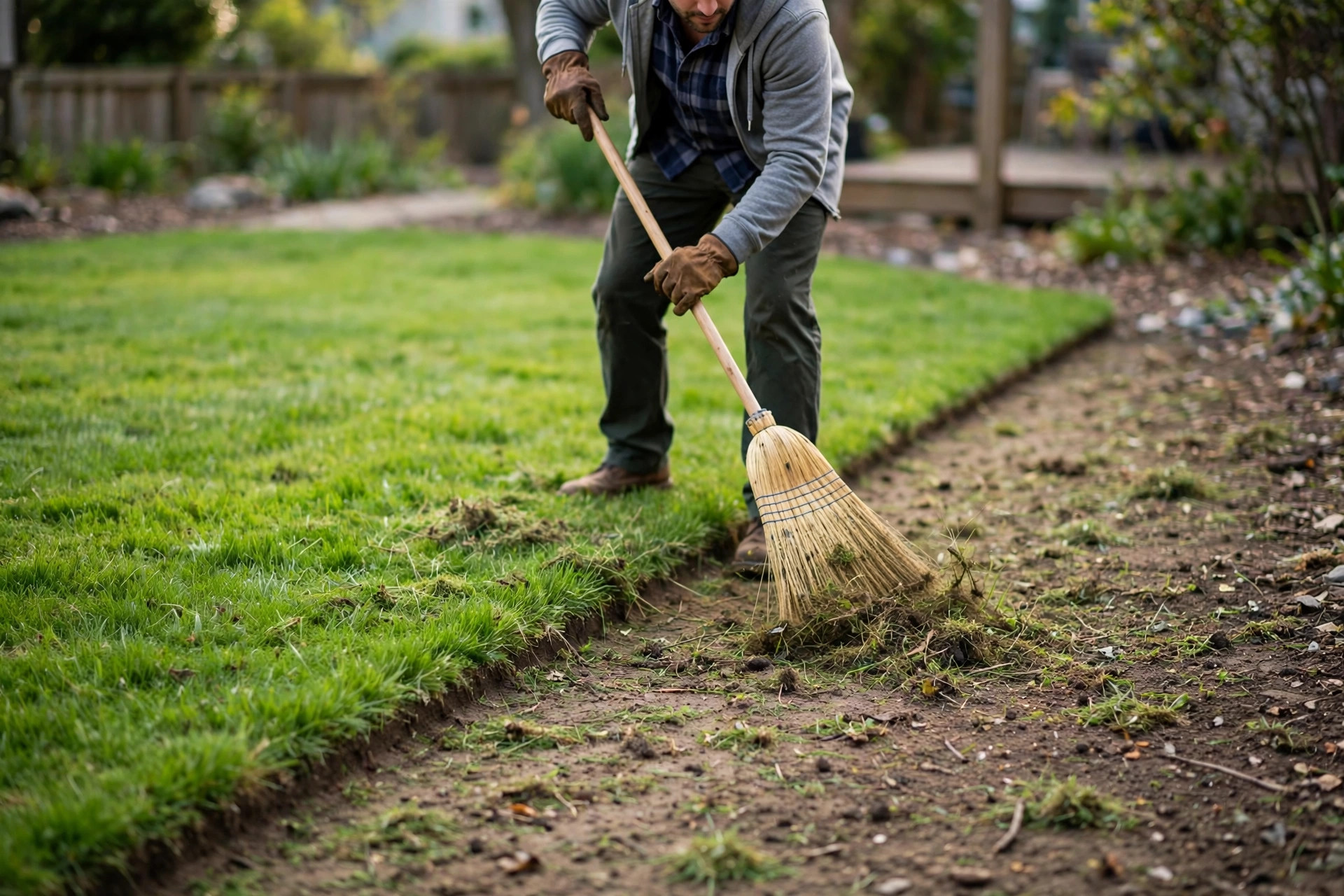
Peak season needs more, dormant periods less. Clean up is also an essential part of the process. Always make sure to clear away the debris produced during trimming. Using a broom or rake can help you in this process.
The upkeep of your string trimmer is also important. Clean the trimmer regularly and wash it properly. Replace the spool when the string runs out. A well-maintained trimmer will ensure smoother work in the future.
A neat lawn needs quality work and good tools. The tool must also function properly for you. See how to store a string trimmer for storage tips.
Edging requires attention to detail and patience. The result is a clean, professional outdoor space. Adapting to the process becomes easier with practice. Learning the method takes a little time.
It is like mastering a new art form. The more you do it, the better you get. Put on your garden gloves and power up. Revamp your lawn into a beauty to behold.
Frequently Asked Questions
Nurturing your lawn requires knowledge and the right tools. One of those tools is the string trimmer. It can help you edge your lawn effectively. Here we answer a few common questions about how to utilize this important tool.
What safety measures should I observe when using a string trimmer for edging my lawn?
Safety should always be your first priority when handling power tools like a string trimmer. Always wear personal protective equipment for this work. Goggles, close-toed shoes, and long pants protect you. It is also crucial to inspect the device for any damage before using it.
Maintain a safe distance from people and pets. Keep that distance while operating the tool. Switch off the trimmer whenever you adjust parts. Also switch it off when not in use.
Keeping your work area clear of obstacles can also prevent accidents. These habits keep every edging job safe. Our how to use a weed trimmer guide covers safe habits in full.
How can I achieve straight edges with my string trimmer?
Attaining straight edges when edging your lawn requires some caution and practice. To start with, ensure your string trimmer is at the right height. The tool should be at waist level so you can comfortably control it. One trick is edging along a hard surface, like a sidewalk or driveway, for guidance.
Constant speed and motion are also key in achieving straight edges. Gradual, steady movement allows for consistency, while rushing might lead to irregular lines. Remember, steady practice always makes perfect edges. The more you edge, the more comfortable you get. Your control improves with every single session.
Before or After Mowing
Should I edge my lawn before or after mowing?
This often comes down to personal preference. Edging before mowing lets you clean the edges first. You remove long grass blades in your way. It is usually easier to see your work.
Taller grass makes precise cuts easier to judge. If you mow first, the trimmer cleans missed places. It reaches places the mower could not reach. This decision depends on what works best for you.
It also depends on your lawn’s specific needs. Try both orders and compare the results. Your lawn will show you the winner.
How often should I edge my lawn?
Edging frequency varies by grass type and growth. Each lawn grows at its own rate. For most lawns, a good rule of thumb is to edge once every two weeks. This frequency maintains a neat appearance at edges.
It prevents grass from overgrowing the edges. During peak season, edge your lawn weekly instead. Fast growth can demand that extra pass. This will depend on the health and growth rate of your grass.
Pay attention to your lawn during the season. Adjust your routine to keep it looking best. The Bob Vila edging guide shares more edging tips.
Trimmer Maintenance
How do I maintain my string trimmer for effective lawn edging?
Maintenance is crucial to keep your string trimmer performing optimally. Regularly clean the trimmer after use to remove any grass clippings and dirt. Check the string frequently and replace it when worn out. Lubricate moving parts as the manufacturer instructs you.
That care extends your trimmer’s lifespan greatly. For gas trimmers, use the correct fuel mixture. Keep up with regular engine maintenance too. If you have an electric model, check the cord for any damages before use.
Store the tool away from extreme temperatures. Dry storage also aids the tool’s effectiveness. The Popular Mechanics edging guide shares more edging advice.
Conclusion: How to Edge a Lawn with String Trimmer
Edging your lawn with a string trimmer is straightforward. You can easily do this task yourself. You now know how to edge a lawn with string trimmer well. Start by tilting the trimmer so the string angles. Walk the trimmer carefully around the edges.
The string should create a neat, clean cut. It forms a clear boundary by walkways and borders. Wear protective clothing and eyewear while you work. Your first attempts need not be perfect. Regular practice builds a professionally edged lawn.

I’m Patricia D. Johnson, an affiliate marketer and blogger specializing in trimmers and grooming tools. I create honest reviews, buying guides, and practical tips to help readers choose the right trimmer for their needs. With a focus on quality, performance, and value, I simplify the decision-making process so consumers can make confident purchases.