
How to Buy a String Trimmer
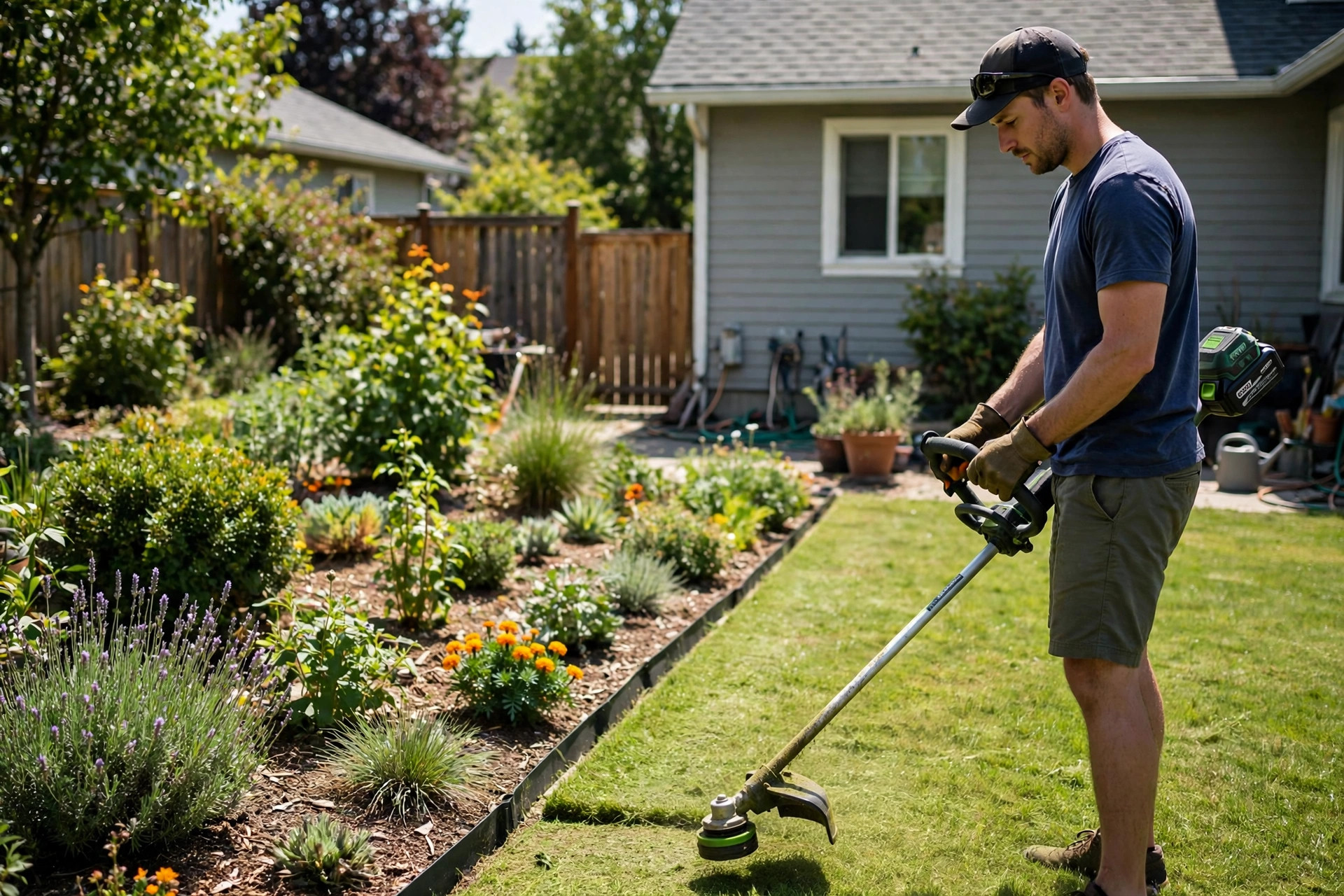
Truth be told, buying a string trimmer takes more thought than most shoppers expect. You need to know your yard, your needs, and how much you can spend. Without that knowledge, you may pick a weak trimmer that quits within days. String trimmers have helped homeowners shape neat lawns since the early 1970s. These small tools now play a big role in yards across the world.
Do your research first, and pick one that fits your needs and budget. A string trimmer stands as a key tool for a neat, manicured lawn. The trick lies in picking the best trimmer for each task you face. This guide shows you how to buy a string trimmer that suits your needs.
Quick answer: Start with your yard size, then pick a power type that fits it. Gas suits large yards, corded suits small ones, and battery suits medium yards. Match the width to your space, check comfort features, and compare costs. Read reviews first, then choose the trimmer that fits your needs best.
- How to Buy a String Trimmer: Complete Guide to Choosing the Right One
- How to Buy a String Trimmer: Gas, Electric, or Battery Power
- Cutting Width: Pick the Right Swath for Your Yard
- Features Worth Checking Before You Buy
- Cost, Warranty, and Customer Reviews
- Frequently Asked Questions
- More Questions About Buying a String Trimmer
- Conclusion: How to Buy a String Trimmer
- Firstly, decide on the type: electric or gas-powered. Consider the size of your yard and your mobility preferences.
- Next, prioritize the trimmer’s cutting width, as larger widths cover more ground faster.
- Then, look at trimmer line features like the shape and diameter to confirm durability.
- Lastly, assess the trimmer’s weight and handle design for comfort during use.
How to Buy a String Trimmer: Complete Guide to Choosing the Right One
Step 1: Consider the size and complexity of your yard

First, weigh the size and shape of your yard before you shop. Large lawns need strong, heavy-duty trimmers that cut wide paths fast. Small yards do fine with a light or medium-duty string trimmer instead. Yards with tight edges or odd shapes need a shaft that adjusts well. An adjustable shaft reaches odd corners and suits many trimming tasks.
This will maximize the trimmer’s efficiency and your comfort. Note also the type and thickness of the vegetation in your yard. Grass, weeds and small brush can be easily handled by most string trimmers. Thick, woody stems or overgrown brush may need a stronger model instead.
A brush cutter attachment can also help with that tougher growth. Finally, think about the shape of your land before you choose. Hilly or uneven ground calls for a light trimmer you can steer with ease. Know your yard well, since it guides your string trimmer purchase.
How to Buy a String Trimmer: Gas, Electric, or Battery Power
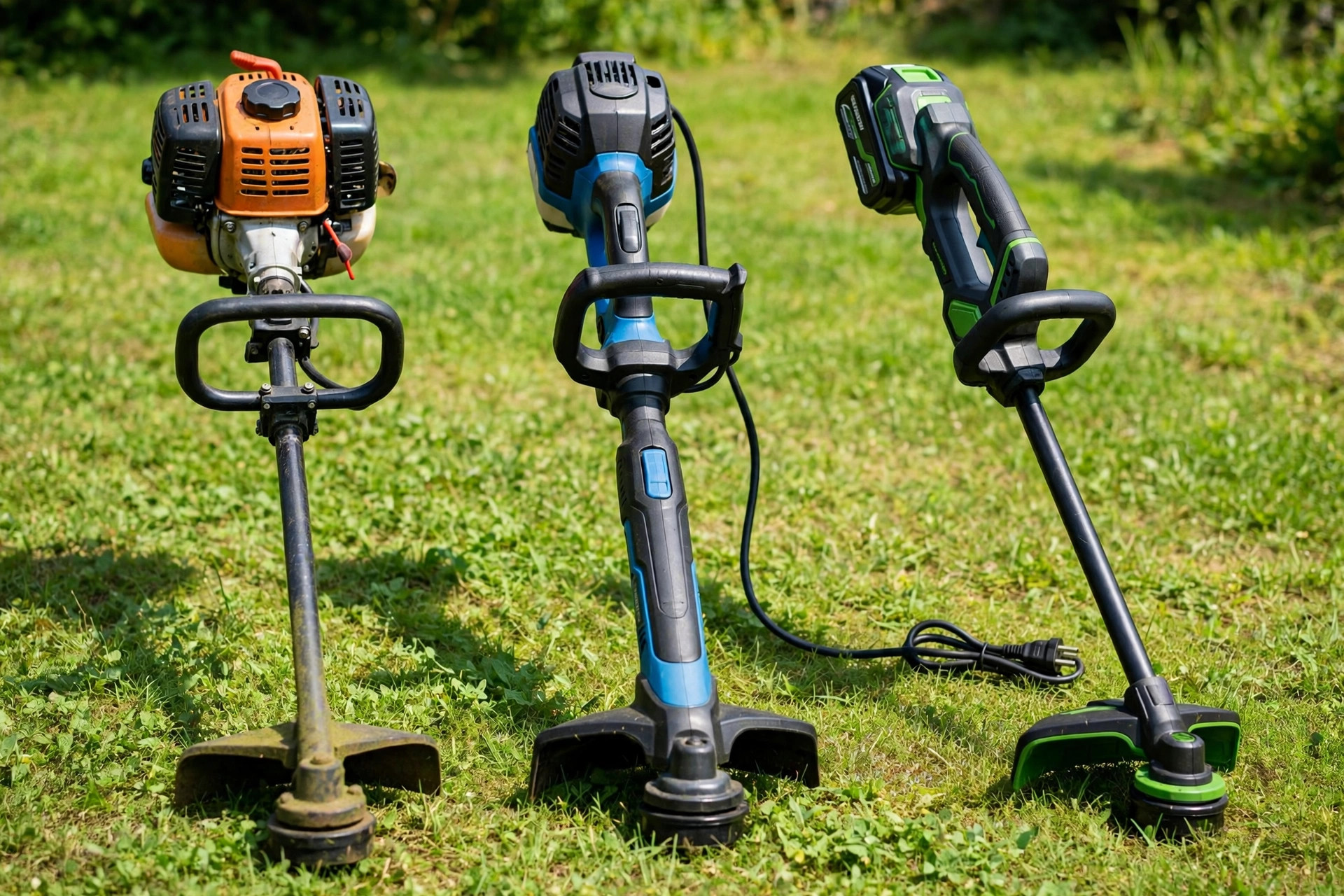
Step 2: Choose between gas, electric or battery-powered trimmers
When you learn how to buy a string trimmer, weigh each power source first. Gas-powered trimmers give the most power for large yards and commercial work. They move freely, but they weigh more, run louder, and need engine care. Best electric grass trimmers are lighter, quieter, and need less upkeep than gas models. They’re suitable for moderate-sized gardens, provided there’s a nearby power outlet.
The cord limits how far you can move while you trim. It can also tangle in the trimmer or wrap around garden objects. The EPA safe lawn and garden care tips help you trim plants with less harm.
Battery trimmers give you gas-like freedom with quiet, low-upkeep electric power. They suit small or medium yards, so see the best cordless lawn trimmer guide. Just be sure to consider battery life and recharge time when choosing a battery-powered model. Recycle old lithium-ion batteries through the EPA battery recycling guide when they wear out.
| Power type | Best for | Watch out for |
|---|---|---|
| Gas | Large yards and tough growth | Heavier, louder, needs engine care |
| Corded electric | Small to medium gardens near power | Cord limits reach and can tangle |
| Battery | Small to medium yards, quiet work | Battery life and recharge time matter |
Cutting Width: Pick the Right Swath for Your Yard
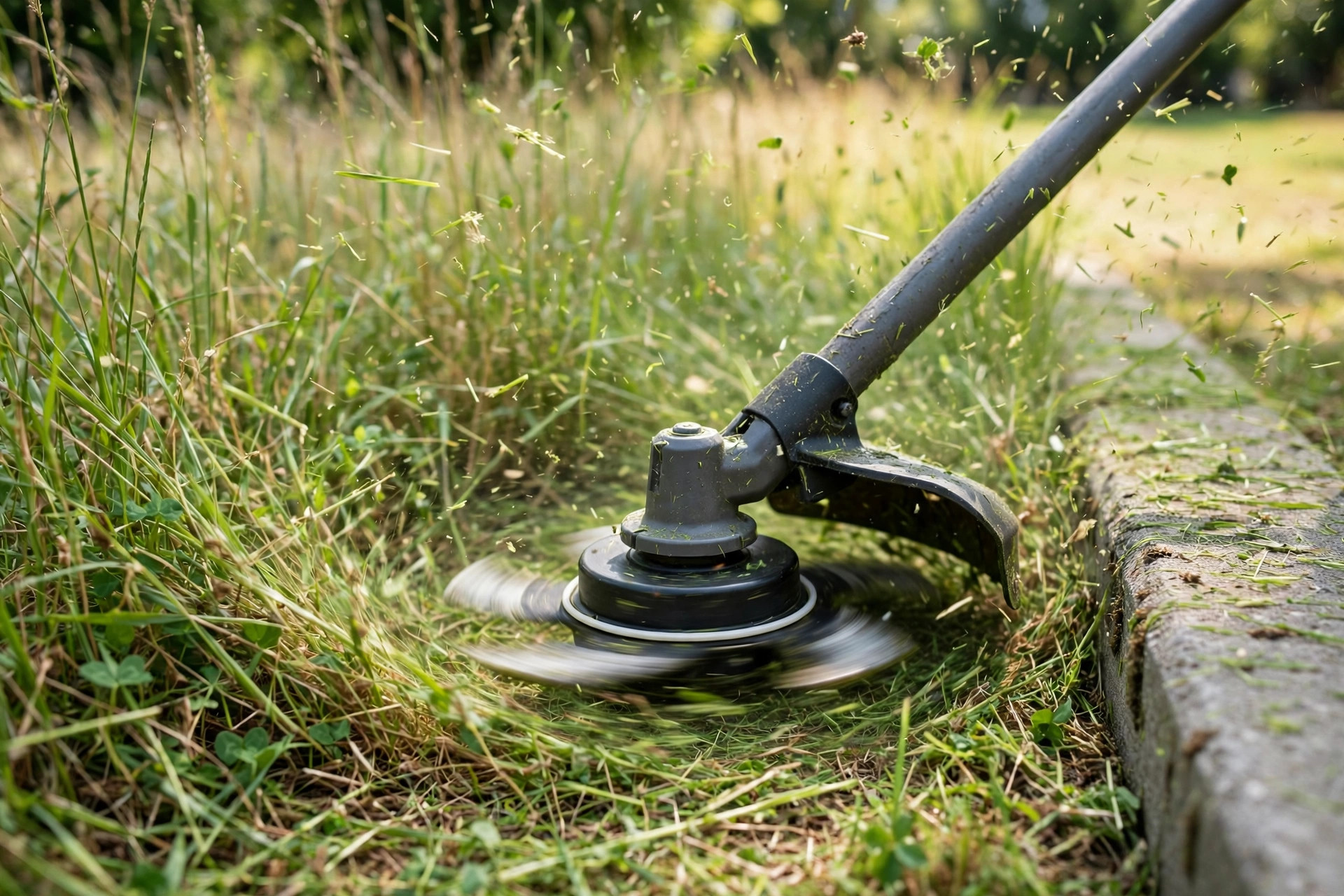
Step 3: Opt for appropriate cutting width
Cutting width, often called the cut swath, means the area cut per sweep. Wider swaths cut more grass at once and save time in large yards. However, they are oftentimes heavier and bulkier. So they may suit small or medium yards with tight planting less well. A small width of 12 inches or less suits small yards and tight spots.
Medium widths of 13 to 15 inches suit yards up to half an acre. Large widths above 15 inches suit bigger yards and open fields best. Balance your yard size and workload when you choose a cutting width. Always check the specifications for the cut swath before the purchase. See our how to edge with a string trimmer guide for neat edge work.
| Cutting width | Yard size | Best use |
|---|---|---|
| 12 inches or less | Small yards | Tight spots and obstacles |
| 13 to 15 inches | Up to half an acre | Medium yards |
| Above 15 inches | Large yards and open fields | Fast coverage |
Features Worth Checking Before You Buy
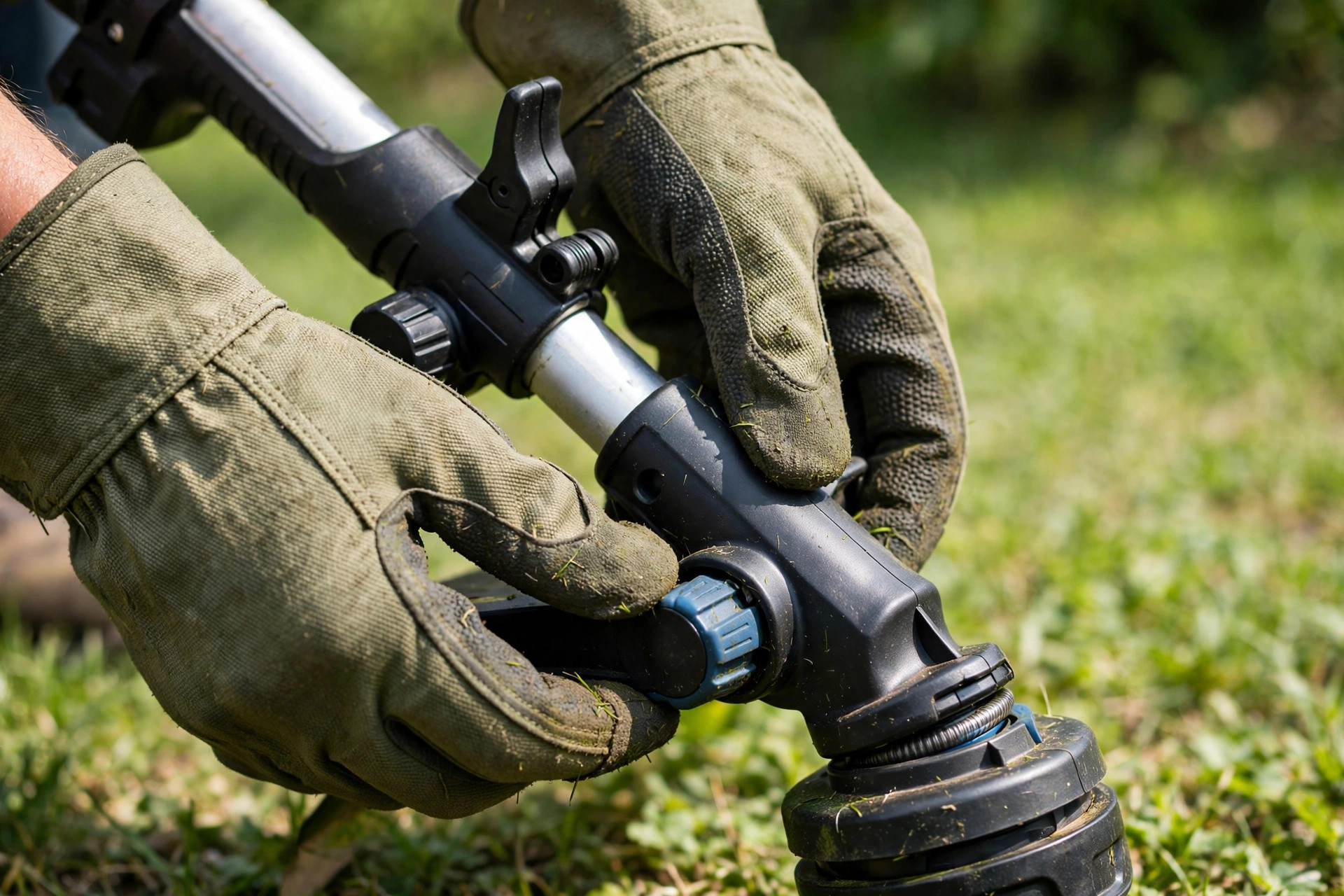
Step 4: Check for important features
String trimmers come with a multitude of features designed for utility and convenience. An adjustable handle ensures comfortable grip and reduces fatigue during extended use. Some models offer anti-vibration features which make them easier on your arms and hands. Adjustable speed lets you save power or push harder for tough trimming. Instant start buttons beat pull-start cords on most gas-powered models.
Some brands also sell spare batteries and extra tools for these models. Learn how to restring a lawn trimmer before your line runs out. One crucial feature to consider, particularly for string trimmers, is the line feed option.
Automatic feed gives you more line as you trim, with no extra effort. Bump feed needs a tap of the head on the ground to free more line. Fixed line means you fit new lines by hand once old ones wear out.
Cost, Warranty, and Customer Reviews
Step 5: Analyse cost, warranty, and customer reviews
Pricing plays a crucial role in how to buy a string trimmer. Before investing in a trimmer, evaluate its cost vis-a-vis its features, reliability, and expected lifespan. Count the cost of spools, batteries, and gas as well as the trimmer itself. Gas fans can also read what is the best gas lawn edger for yard work. Check the warranty period before you buy, since it shows maker confidence.
A longer warranty is often a sign of the manufacturer’s confidence in their product. A typical warranty period for a string trimmer ranges from 2 to 5 years. Some manufacturers offer extended warranties on specific parts or components. Also read customer reviews before you spend your money. Past buyers can share useful notes on power, build, and ease of use.
Look for patterns across reviews, not just one loud complaint. A smart purchase fits your budget and needs, and it helps your lawn thrive. It also frees up more of your free time each week. Follow the maker’s care notes for smooth use and a longer tool life.
Frequently Asked Questions
A string trimmer is a handy tool for keeping a landscape neat. Here, we address the most common questions regarding the buying of a string trimmer. Use these answers to shop with more confidence today.
1. What type of string trimmer should I purchase – gas or electric?
The type of string trimmer you pick will heavily depend on your specific needs. Gas-powered trimmers are more powerful and can tackle larger properties and tougher vegetation. They allow for mobility since they don’t need an electrical outlet. However, they require more maintenance and are noisier compared to their counterparts.
On the other hand, electric trimmers are quieter, lighter, and easier to maintain. Corded models need a power outlet, which can limit how far you move. A cordless battery model frees you from the cord and the outlet. Weigh these factors, and see the best lawn edge trimmer guide too.
2. How important is the weight of the string trimmer?
Weight matters most when you trim for a long stretch at once. Heavy tools tire your arms and slow your pace over time. Weight affects ease of use and manoeuvrability.
The less the tool weighs, the longer you can use it without getting overtired. That said, remember that weight often comes with more power. Gas trimmers are typically heavier than electric versions but also more robust. For frequent heavy work, a stronger, heavier model may suit you best.
More Questions About Buying a String Trimmer
3. How vital is the cutting width of a string trimmer?
Cutting width sets how much ground you cover with each sweep. A wider width means fewer passes to trim your whole lawn. This means you save time and energy.
However, a wider cutting path can also lead to less precision. Narrow spaces and fine planting call for a smaller width instead. That smaller swath gives you more precise trimming near beds.
4. Should I choose a straight or curved shaft for my string trimmer?
The straight or curved choice is mostly a matter of taste. Straight shafts reach under shrubs and take extra attachments with ease. That reach makes them a more flexible choice for big yards.
They are also preferred by taller users because of the extended reach. Curved shafts weigh less, cost less, and feel steadier in your hands. Thus, it would help if you decided based on your preference, yard type, and budget. Try both shaft shapes in the store if you can.
5. What features should I look for in a string trimmer?
When you shop for a string trimmer, seek features that ease use and boost output. Look for an adjustable handle and a shaft that extends for reach. A bump-feed line lets you feed more line with a quick tap.
A guard keeps cut grass and bits from flying back at you. Noise also matters, most of all in dense streets or quiet homes. Pick a quiet model if your neighbours sit close by.
Conclusion: How to Buy a String Trimmer
We’ve talked about the key factors to keep in mind when buying a string trimmer. Weight, power source, and cutting width all matter. Each one shapes how well the trimmer fits your yard. Choose between straight and curved shafts for your own work. The bottom line: make a choice that meets your specific needs.
Mind your budget, but put quality before low prices. A good warranty can be a real game-changer for you. This helps ensure that you’re covered in case of any malfunctions or breakdowns. Happy shopping, and learn how to use a trimmer once it arrives.

I’m Patricia D. Johnson, an affiliate marketer and blogger specializing in trimmers and grooming tools. I create honest reviews, buying guides, and practical tips to help readers choose the right trimmer for their needs. With a focus on quality, performance, and value, I simplify the decision-making process so consumers can make confident purchases.