
How Long Should Trimmer Line Be?
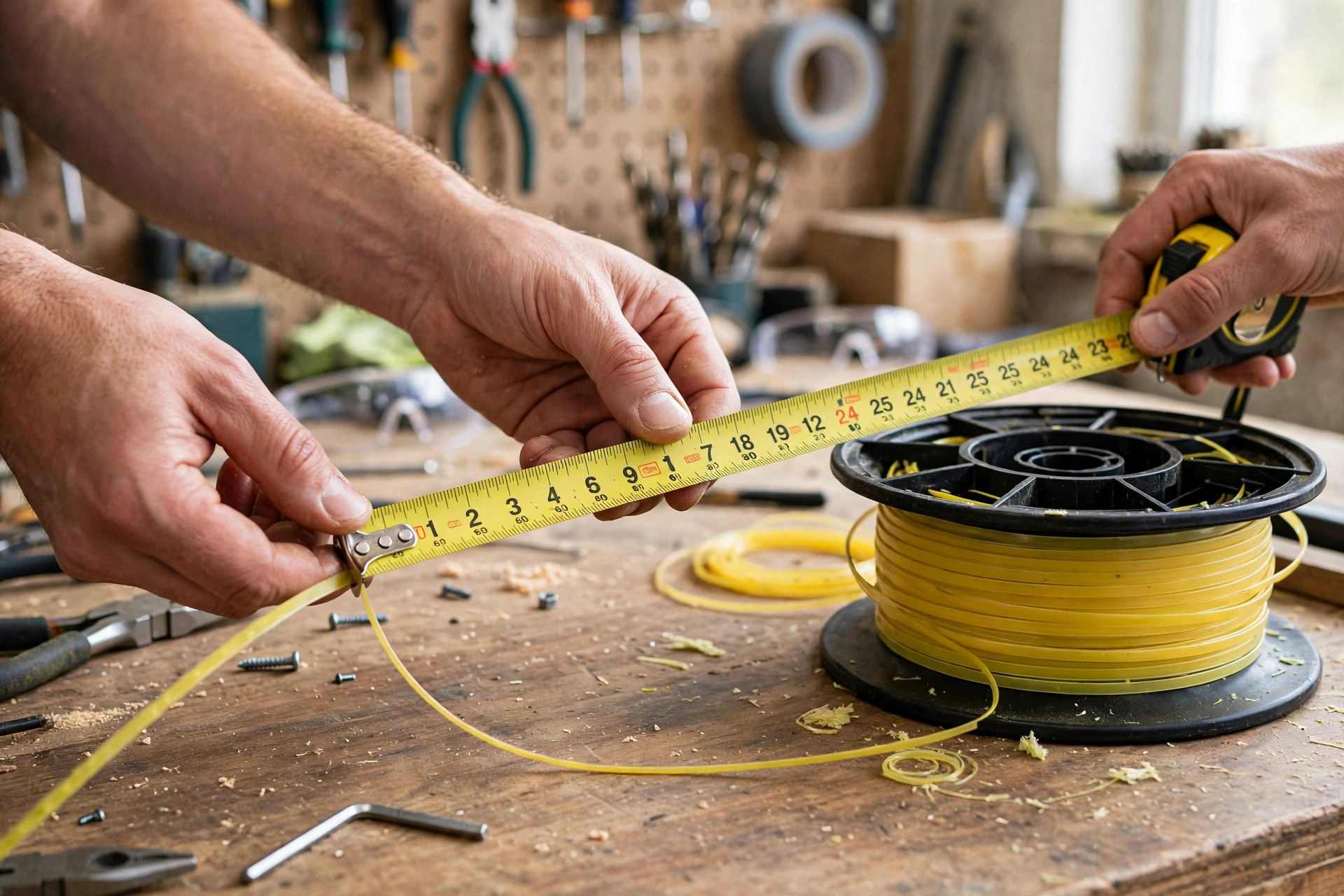
Line length quietly decides how well trimmers cut. Worn or wrong lengths waste time quickly. Many owners underestimate this small detail entirely. The right length protects performance and motor. Professionals check length before every session begins.
Most spools take about 12 to 15 feet. That range suits most home trimmers well. Vegetation and model change the exact need. Your manual always gives the final word. Balanced length keeps cutting smooth and safe.
This guide explains how long should trimmer line be. You will learn the factors that matter. Efficiency effects and adjusting tips follow after. Simple maintenance habits close out the guide.
Quick answer: Most trimmers take about 12 to 15 feet of line. That length trims effectively without straining the motor. Adjust slightly for your vegetation and model. Check the manual for your exact spool. Keep both sides even for balanced, smooth cutting.
- How Long Should Trimmer Line Be: The Ideal Length
- Factors Determining Trimmer Line Length
- The Impact of Trimmer Line Length on Efficiency
- Adjusting Trimmer Line Length: Tips and Tricks
- Maintaining the Correct Line Length
- Frequently Asked Questions
- Fuel and Problem Questions
- Conclusion: How Long Should Trimmer Line Be
How Long Should Trimmer Line Be: The Ideal Length
Finding the right length is genuinely critical. Most professionals start between 12 and 15 feet. This length allows adequate reach and trimming. Too short causes frequent breaks and reloads. Too long strains the motor and safety.
| Length | Effect |
|---|---|
| Too short | Frequent breaks and constant reload stops |
| 12 to 15 feet | Balanced reach, power and control |
| Too long | Motor strain and risky whipping |
Adjusting length is about safety as well. A shorter line gives much more control. It may need more frequent changes though. An excessively long line whips around dangerously. The recommended range balances safety and utility.
Maintaining the ideal length stays straightforward daily. Check the line before every use begins. Automatic feed trimmers simplify this routine greatly. Following these tips prolongs your trimmer’s life. See how to load a trimmer for spool steps.
Factors Determining Trimmer Line Length
Several factors influence your ideal line length. Vegetation type is one major factor here. Thicker weeds need a more robust line. They may need a lengthier initial cut. Lighter grasses do well with shorter lengths.
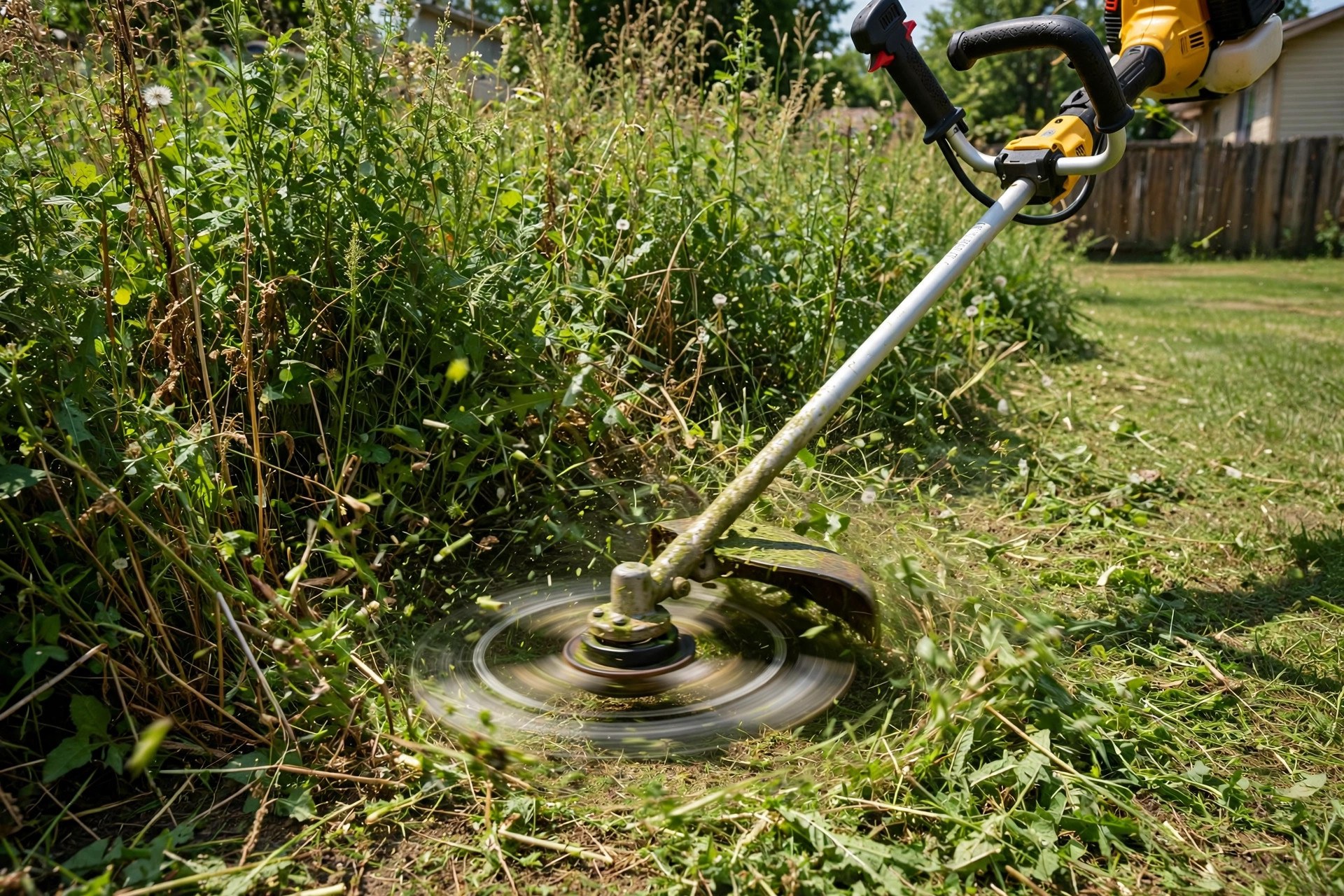
Your trimmer’s power also plays a role. High-powered trimmers handle longer line without strain. Lower-powered models struggle with excessive line length. Balance power and length for best efficiency. See how to choose trimmer line for matching help.
Head design is another significant consideration here. Different models support varying line lengths inside. Automatic feeds work best within specified lengths. Manual heads allow more personal adjustment freedom. Compatibility prevents jams and breaks during use.
Environmental conditions also affect ideal line length. Wet or muddy areas need shorter line. Shorter line maintains better control in mud. High wind makes longer line tricky too. Tailor length to conditions for safer work.
| Factor | Effect on Length |
|---|---|
| Vegetation | Thicker growth needs longer, robust line |
| Trimmer power | Stronger motors handle longer line easily |
| Head design | Auto feeds need specified lengths inside |
| Conditions | Wet or windy weather favors shorter |
The Impact of Trimmer Line Length on Efficiency
Line length strongly affects operating efficiency overall. A properly adjusted line enhances cutting performance. It also reduces time needed for yardwork. Short line forces frequent reload stops constantly. Those stops waste time and break uniformity.
An extended line covers a larger area. It also strains the trimmer’s motor more. Extra load quickens wear on many parts. Control becomes harder with excessive length too. Damage to plants or structures can follow.
Length also impacts fuel use on gas models. A shorter line means less motor work. Constant refill stops can erase those savings. Optimal length conserves fuel over time instead. See does string trimmer line go bad for line care.
Adjust length to fit each task directly. Shorter line suits detailed work around flowerbeds. Longer line suits open areas much better. This flexibility tackles various jobs more efficiently. Maker pages like STIHL list model guidance.
Adjusting Trimmer Line Length: Tips and Tricks
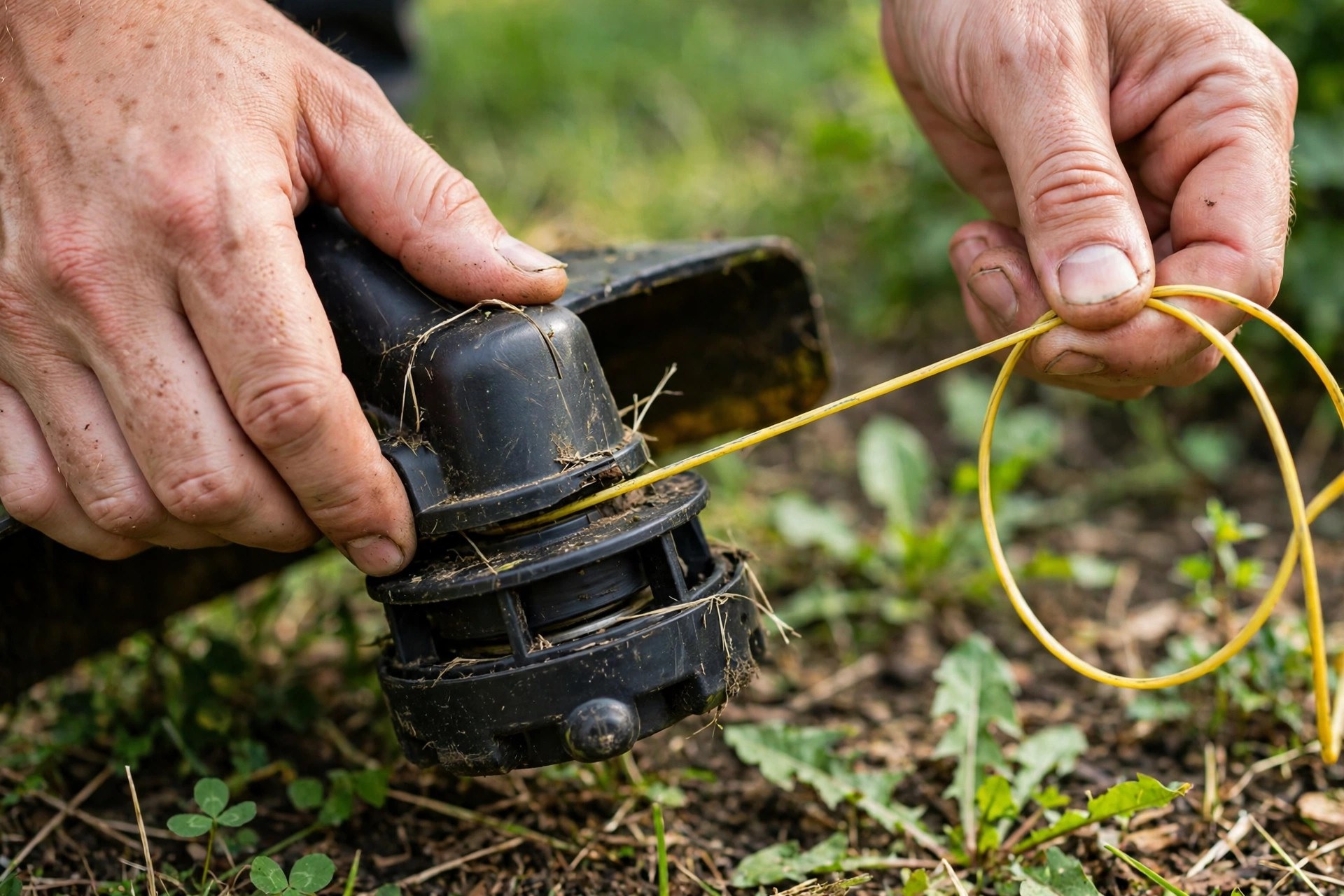
Adjusting line length requires attention to detail. Start by turning off the trimmer first. Most trimmers have a line release button. A knob can also release more line. Pull line out to your desired length.
Trim any excess with sharp scissors carefully. Ensure the line stays even both sides. Even sides give balanced performance while cutting. Check the manual for your model’s range. Exceeding it can damage the motor badly.
Tough vegetation may need a thicker line. Thicker lines last longer through dense growth. They also demand higher motor power though. Make adjustments gradually to avoid sudden strain. See how much line for ryobi trimmer for examples.
Maintaining the Correct Line Length
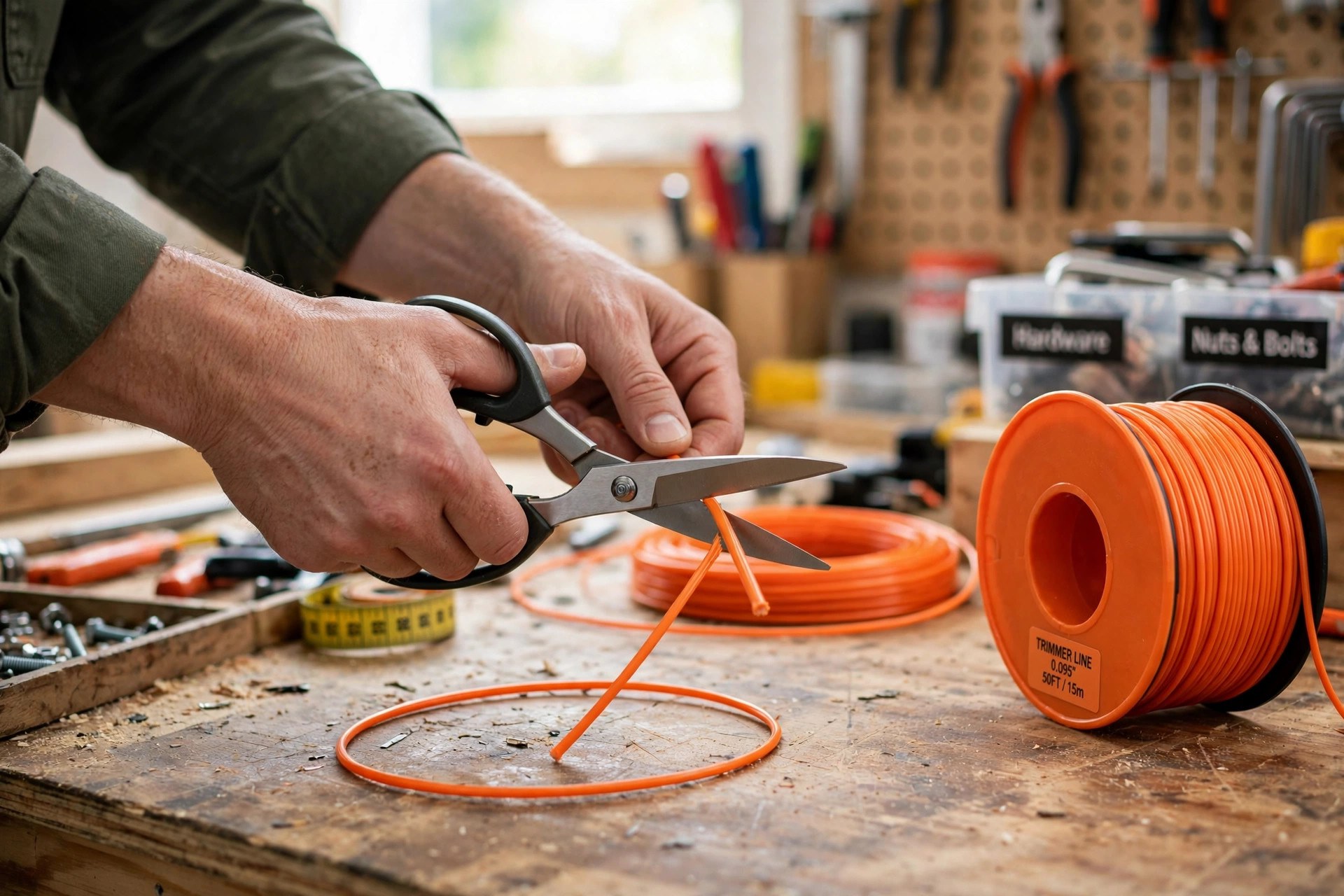
Correct length prolongs your equipment’s working life. Optimal length ensures balanced performance every session. It prevents unnecessary strain on the motor. Just extra inches cause more wear quickly. Regular checks make a big difference long-term.
Use high-quality line for better longevity always. Lower quality lines break far more easily. Frequent replacements cost more over time instead. Durable line reduces burden on the trimmer. Quality line performs better in tough growth.
Periodic maintenance extends line and trimmer life. Clean the trimmer head regularly against debris. Lubricate moving parts as the manual recommends. Ensure line is wound properly, never tangled. Follow how long to soak trimmer line for storage care.
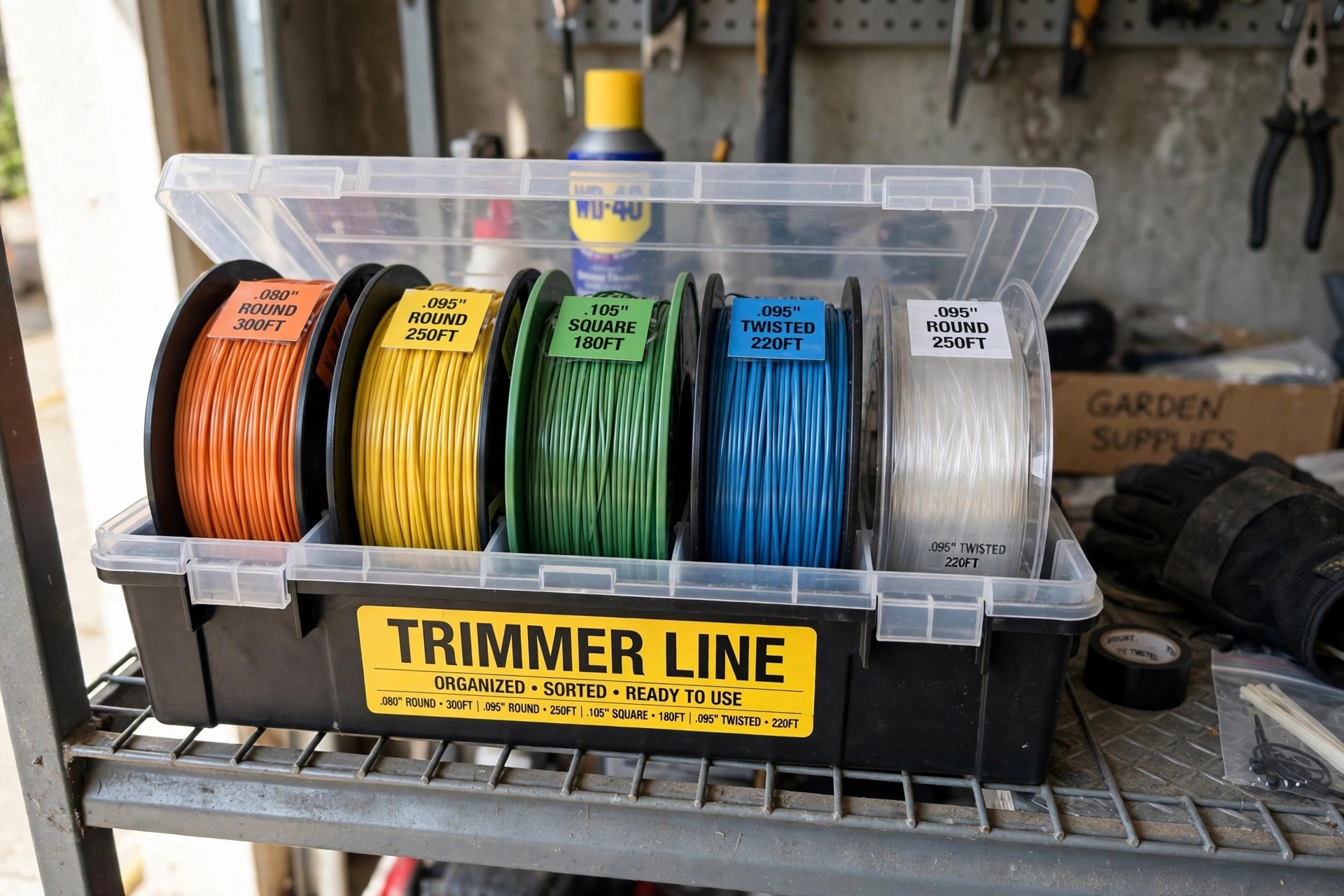
Proper storage also protects line and trimmer. Store everything in a cool, dry place. Avoid extreme temperatures and moisture during storage. Wind the line neatly before storing it. The Environmental Protection Agency shares lawn care guidance.
Frequently Asked Questions
These answers cover line types and replacement. They also explain brands and fuel use. Short answers settle the common questions fast.
What type of trimmer line should I use?
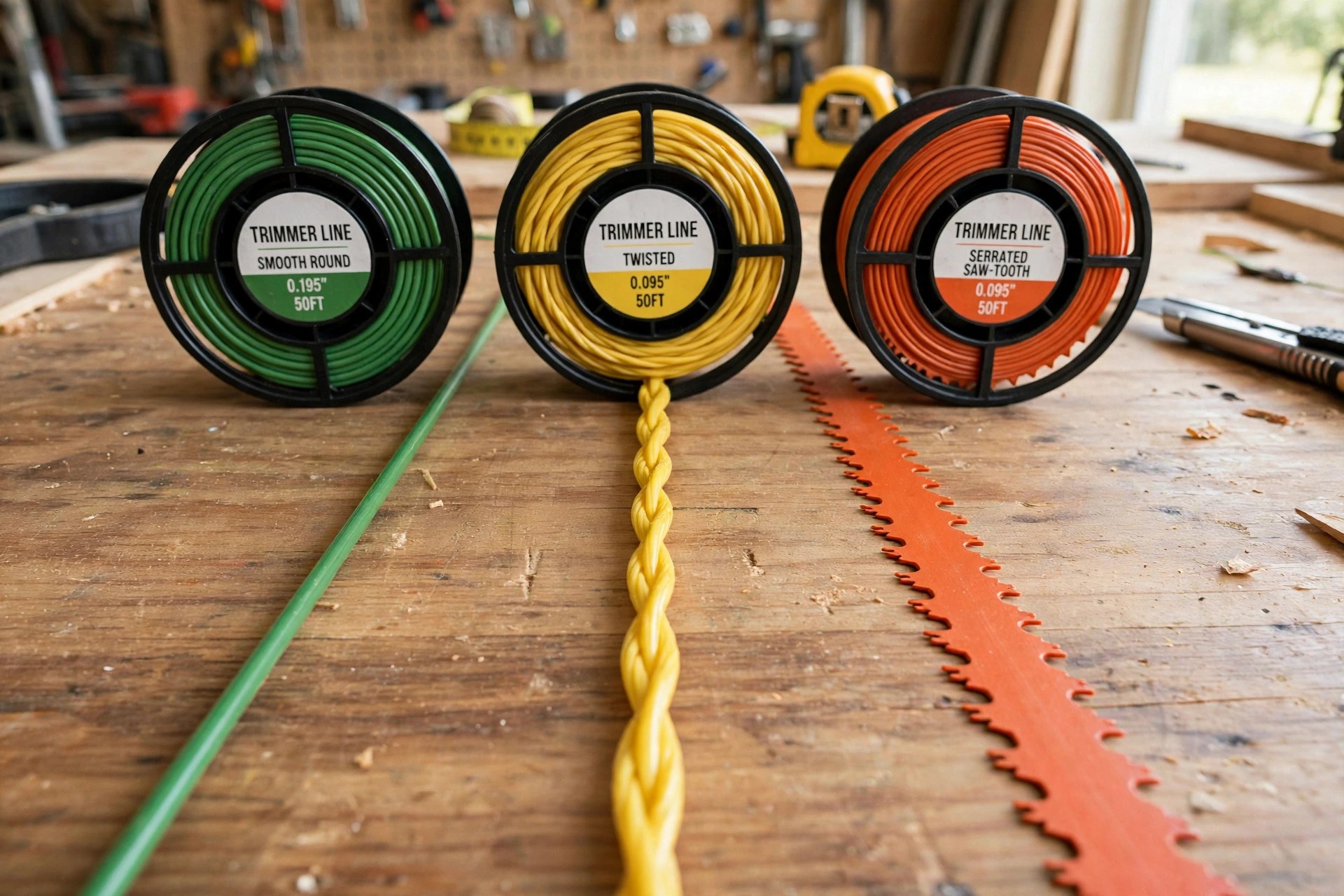
The right type depends on your task. Round line suits general lawn maintenance well. It cuts grass effectively and manages easily. Thicker weeds need stronger line types instead. Twisted or serrated line offers more power.
Twisted lines reduce noise and vibration levels. They cut cleanly through tougher materials too. Serrated lines resemble tiny saw blades closely. They make short work of thick vegetation. Always consult your manual for recommended types.
How often should I replace my trimmer line?
Replacement frequency varies with usage and quality. Check condition before each use without fail. Replace frayed or worn line immediately always. Heavy users replace line more often overall. High-quality lines prolong replacement intervals quite noticeably.
Can I use any brand’s trimmer line with my model?
Many brands claim universal compatibility for lines. You must still verify your model first. Incompatible lines cause inefficiency or equipment damage. Check diameter and shape in your manual. See is string trimmer line universal for fit questions.
Fuel and Problem Questions
Two more answers cover fuel and problems. They explain longer-line costs and common faults. Both answers stay short and practical here.
Does using longer lines increase fuel consumption?
Yes, longer line increases resistance against vegetation. The motor works harder to maintain speed. Gas models burn more fuel as result. Electric models drain batteries quicker instead though. Optimal length keeps performance and economy balanced.
What are common problems caused by improper line lengths?
Wrong lengths decrease efficiency during every session. They increase mechanical stress on the trimmer. Harsh vibrations and inconsistent cuts often follow. Overstrained motors can suffer lasting damage too. See how to fix trimmer line for repair steps.
Conclusion: How Long Should Trimmer Line Be
Maintaining how long should trimmer line be matters very greatly. Correct length ensures efficiency at every session. It also prolongs your equipment’s working life daily. Small checks make a noticeable difference overall. Balanced length protects the motor from strain.
Factors like vegetation and power shape choices. Customize your approach for various trimming tasks confidently. Professional results follow with minimal extra effort. Make these practices part of your routine. Consistent habits keep trimming quality high always.

I’m Patricia D. Johnson, an affiliate marketer and blogger specializing in trimmers and grooming tools. I create honest reviews, buying guides, and practical tips to help readers choose the right trimmer for their needs. With a focus on quality, performance, and value, I simplify the decision-making process so consumers can make confident purchases.