
How to Load a Trimmer
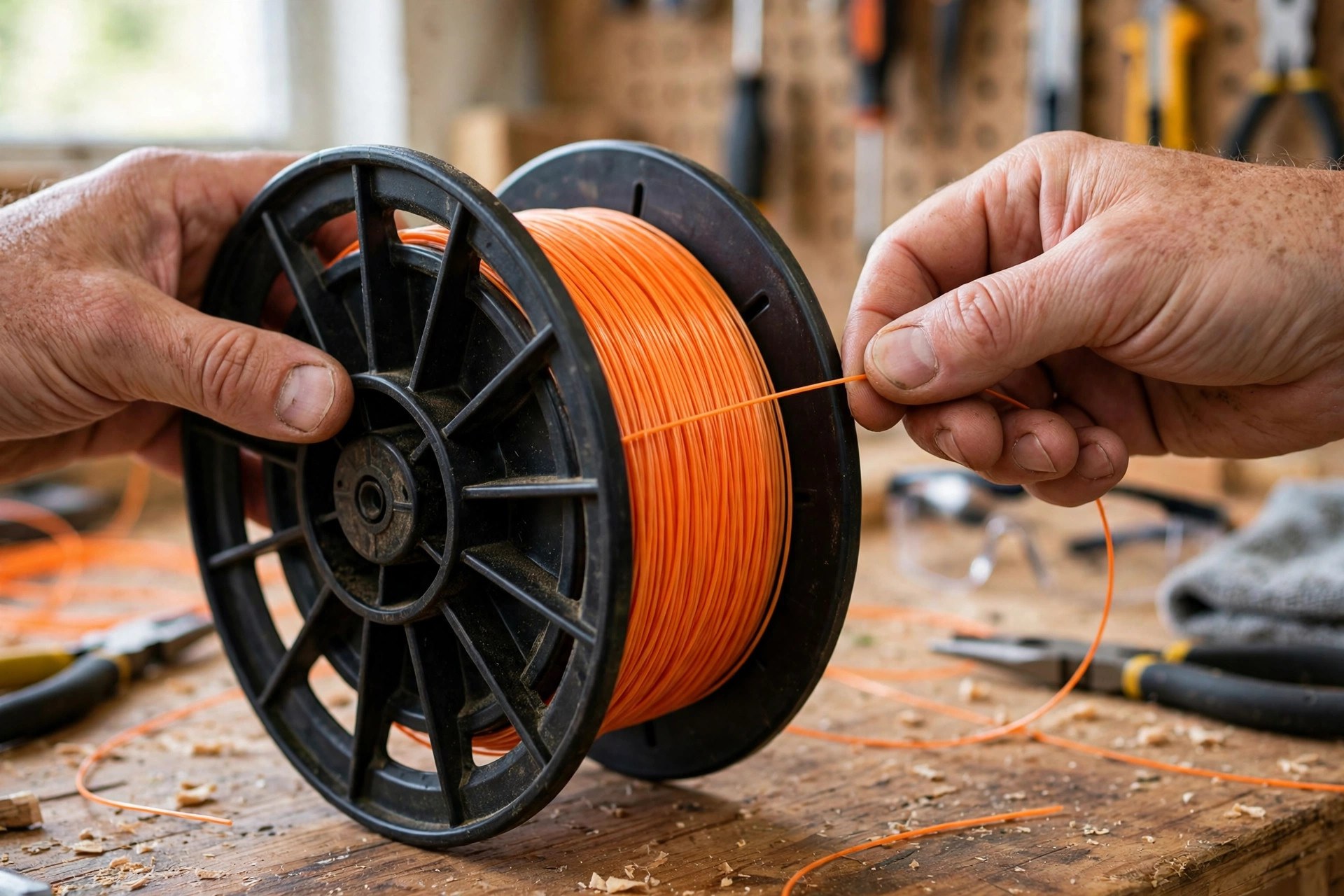
A trimmer with fresh line keeps yard work smooth. The load looks easy, yet it sets how well the tool cuts. Small slips cause jams, breaks, and lost time. This guide shows each load step in plain words. Even pros miss these small key steps at times.
You will pick, size, wind, and fit the line right. Safe use and care tips come next. Shared slips and top questions close the guide. A good load guards both line and tool.
Loads once meant slow hand reels and hard work. New spool designs make the job far more easy. With the right steps, a load cuts lost time. It lifts work speed too. Prep takes just a few calm minutes.
Quick answer: Identify the correct line type from your manual. Turn off and disconnect the trimmer completely first. Remove the head cover to expose the spool. Measure and cut about 10-15 feet of line. Wind tightly, secure both ends and reassemble carefully.
- How to Load a Trimmer: The Basic Steps
- Step 1: Identify Trimmer Line Type
- Step 2: Preparing the Trimmer for Loading
- Step 3: Measuring and Cutting the Trimmer Line
- Step 4: Winding the Trimmer Line
- Step 5: Reassembling the Trimmer Head
- The Right Way to Maintain Your Trimmer
- Common Mistakes When Loading a Trimmer
- Safety Tips When Loading and Using a Trimmer
- Frequently Asked Questions
- Spool and Storage Questions
- Conclusion: How to Load a Trimmer
How to Load a Trimmer: The Basic Steps
First, pick the line type you need. Check the book or the marks on the head with care. Wrong line harms tools and cuts work speed. Each trimmer may need its own line size. See what is a line trimmer for tool basics.
Turn the trimmer off and let it cool first. Take the head cover off with the tabs or screws. This shows the spool for fresh line. Watch for spring parts that may pop out. Keep the work spot clean as you load.
| Step | Action |
|---|---|
| Identify line type | Follow the manual’s recommended line |
| Power down safely | Turn off, disconnect, lay it flat |
| Expose the spool | Remove the trimmer head cover |
| Measure and cut | Cut about 10-15 feet of line |
| Wind the spool | Wind tightly in the indicated direction |
| Secure and reassemble | Lock ends in slots, refit cover |
Step 1: Identify Trimmer Line Type
Pick the right line type first of all. Lines come in many widths and shapes. For light trim work, 0.065 inches is most times enough. Thick lines suit hard jobs far more. Check the head tag for its specs too.
Think about the shape of the line too. Round lines are the norm and last long. Square or star shapes cut thick growth fast. Not all trimmers take all shapes, though. Check the fit before you buy new line.
A wrong match causes breaks or weak work. Check the book or the manufacturer’s website. Maker sites like STIHL list model specs. See how to choose trimmer line for pick help.
| Task | Recommended Line |
|---|---|
| Light trimming | Thinner line, about 0.065 inches |
| Heavy-duty tasks | Thicker line, about 0.095 inches |
| General use | Round line for durability |
| Thicker growth | Square or star-shaped line cuts efficiently |
Step 2: Preparing the Trimmer for Loading
Turn the tool off and unplug it before you load. This stops starts that can cause harm. Lay the trimmer on a flat spot. Wear gloves to guard your hands too. Keep tools and parts close at hand.
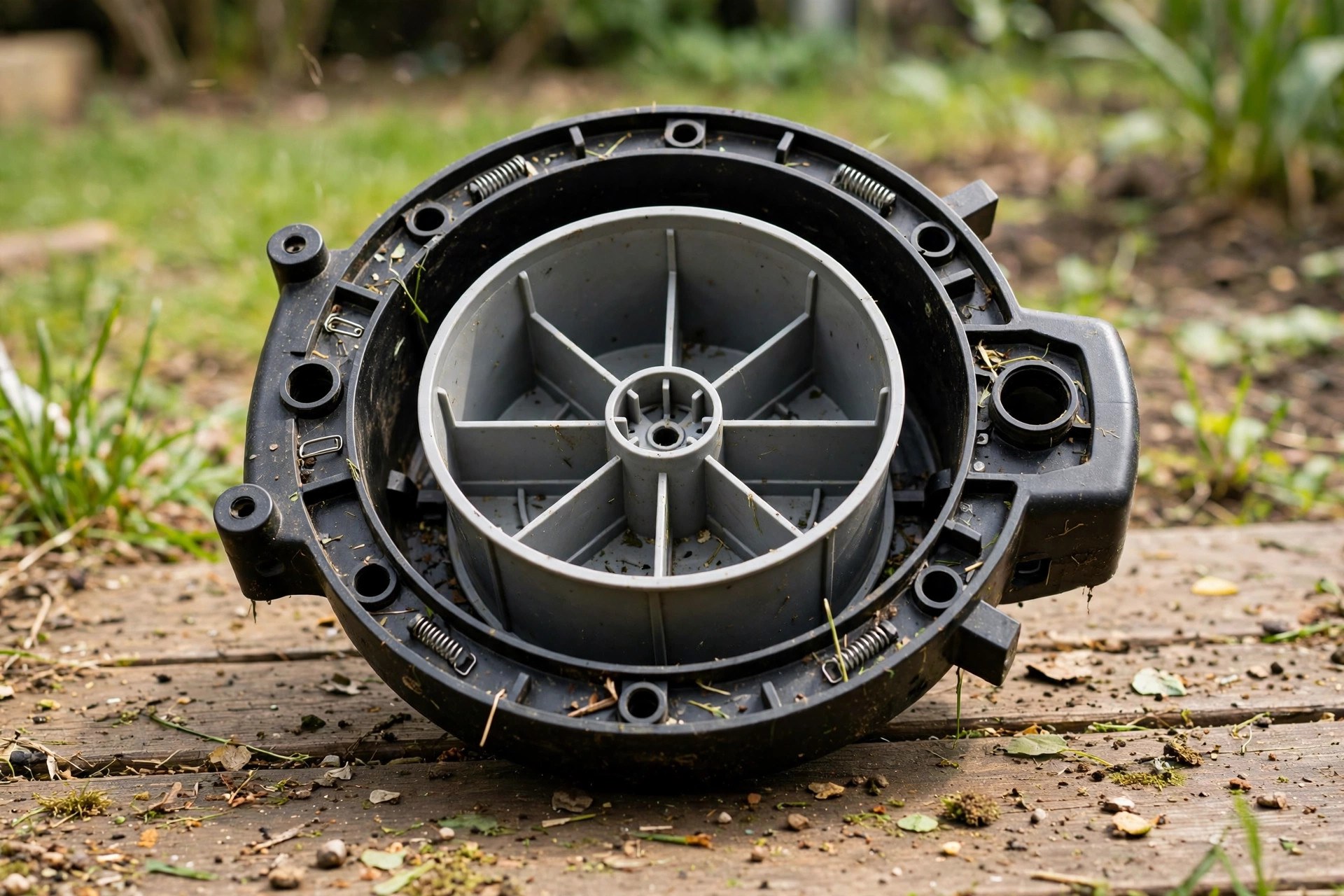
Find the head and how it opens. Most heads open with tabs or screws. Take the cap off to show the spool. Watch for springs and small parts tucked in. Set the parts aside safe for the fit back.
Take all the old line out first. Old line can stick and cause faults. Clean dirt and grass bits from the head. Check the spool and head for harm. Swap cracked parts at once, each time.
Step 3: Measuring and Cutting the Trimmer Line
Next, size and cut the line with care. Length rests on your own trimmer model. Most trimmers need about 10 to 15 feet of line. A tape helps you get the length right.
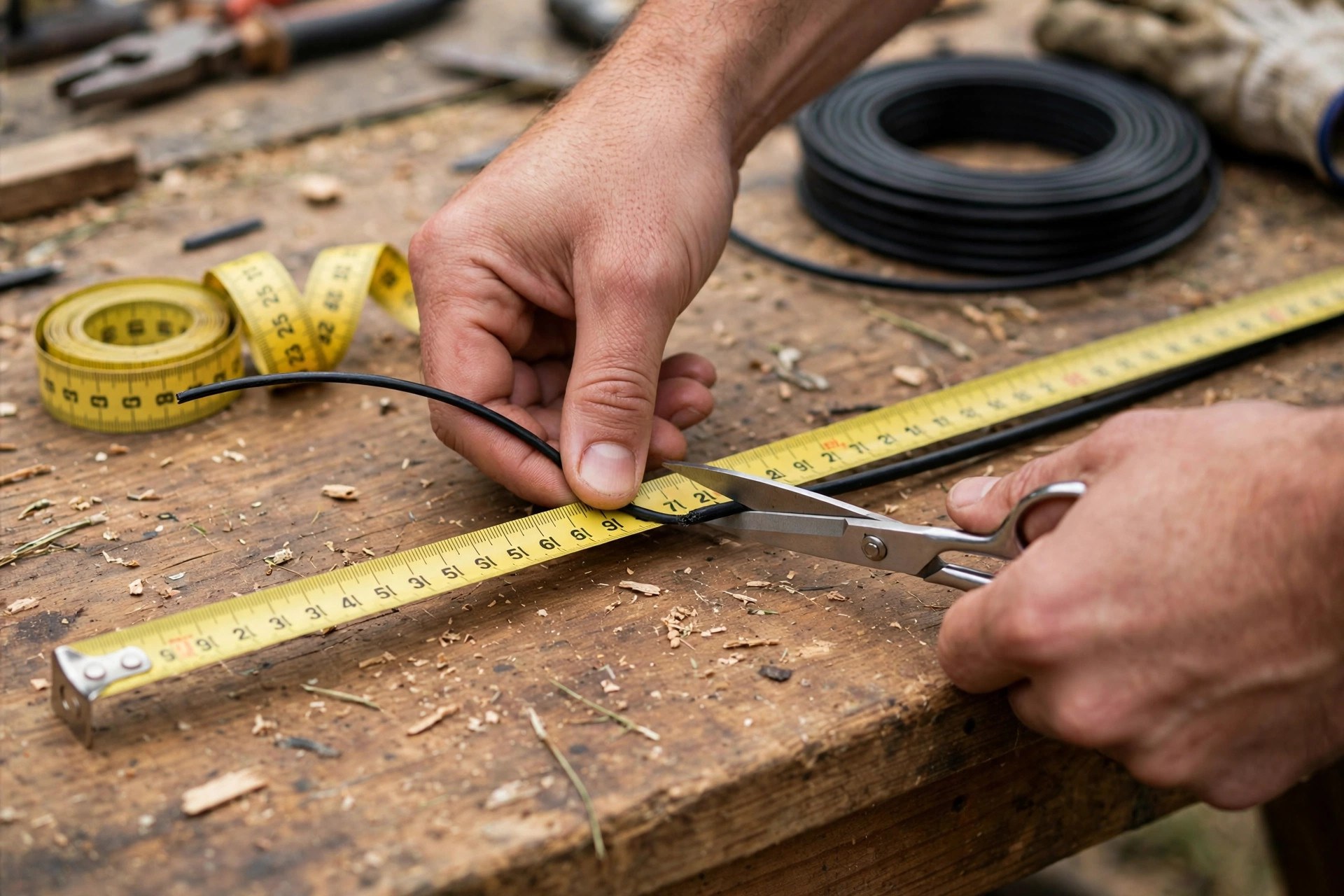
Cut with sharp shears or a craft knife. A cut at a slant helps the line feed smooth. Line cutters made for the job work well too. Keep both ends even once cut. Ends that do not match cause shake and weak work.
Two-line trimmers need two cuts of the same length. Find the small holes on the spool. Push the line ends into these holes. They hold the line in place as you work. Follow the wind marks with care. A wrong wind can jam or snap the line.
Step 4: Winding the Trimmer Line
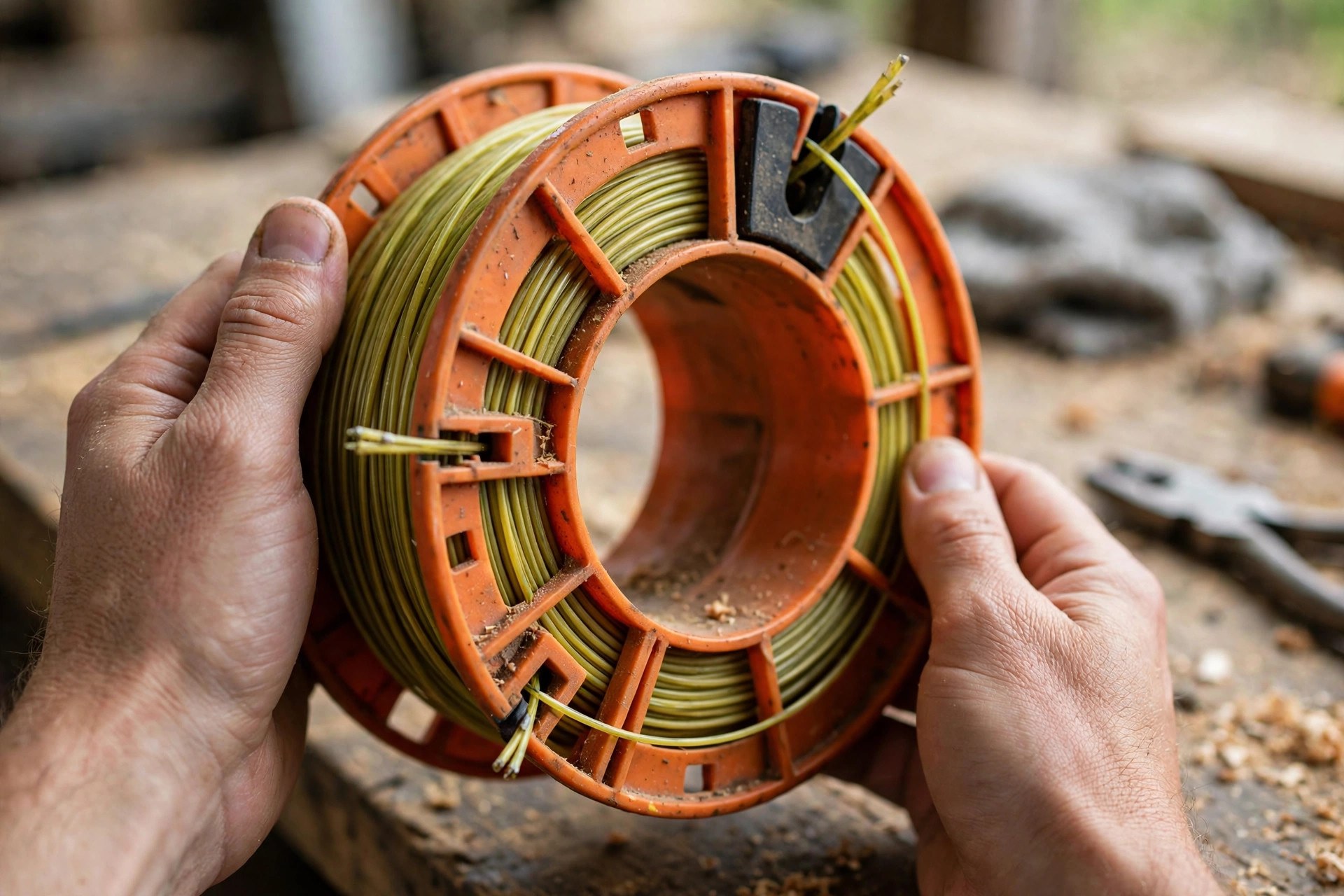
A right wind is key for good trim work. Start with a clean spool face, free of dirt. Push one end into the hole. These holes hold the line firm as you wind.
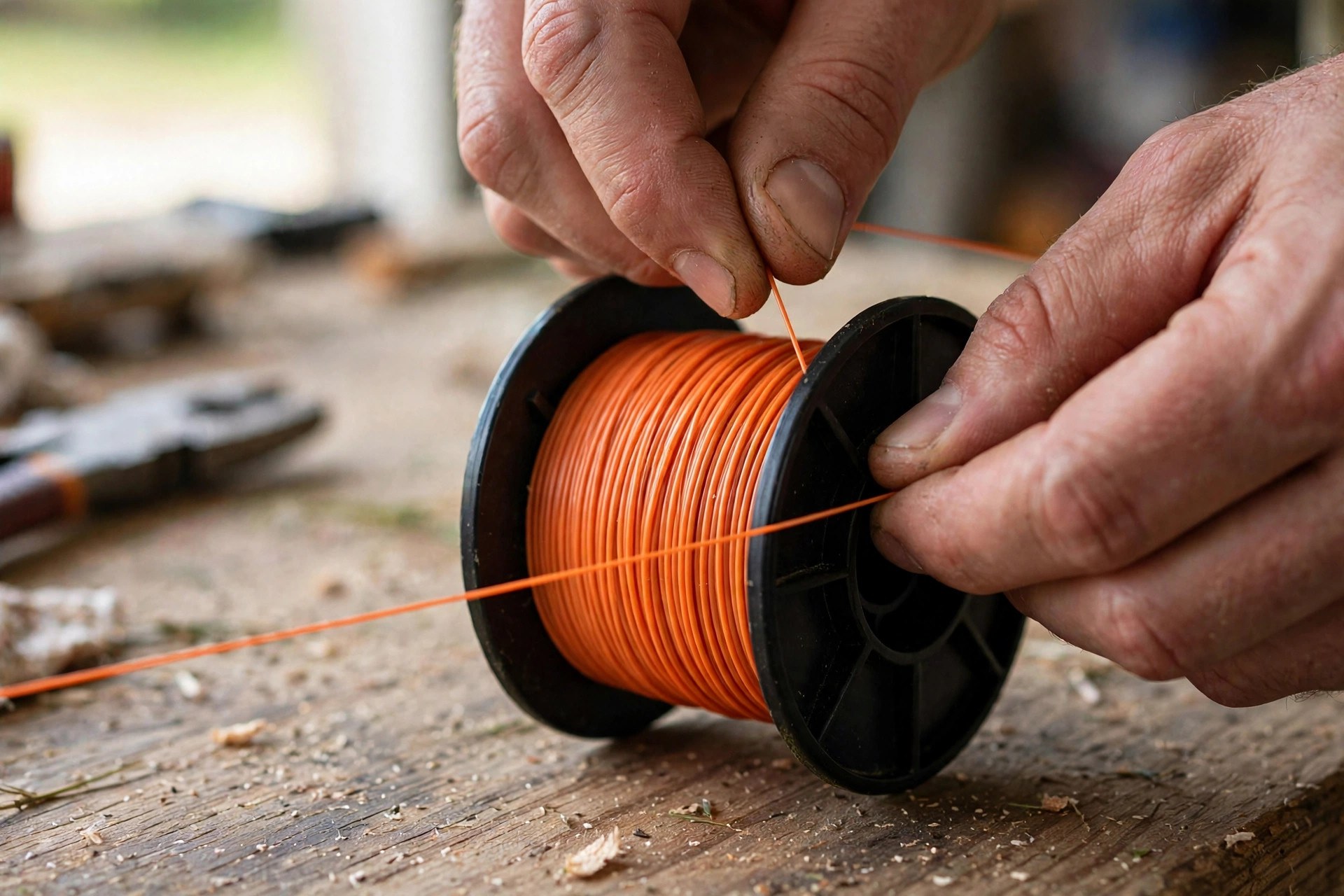
Wind as the marks or arrows show. Wind the line even and tight to stop knots. Loose line feeds poorly in use. Cover the spool in an even layer as you wind. See how to put trimmer line on weedeater for weedeater spools.
Two-line spools wind in two split parts. Leave a few inches of each line out. Lock the ends in the slots with a firm push. Check twice that the line runs the right path.
Step 5: Reassembling the Trimmer Head
Put the spool back in the head. Line ends should poke through the holes. Check twice that the spool sits straight and true. Fit springs or small parts back with care. Line the cover tabs up with their slots.

Press down till the cover clicks in place. Screw types need tight screws in place of clicks. Shake the head a bit to check all is firm. Test that the line feeds well next. See how to install trimmer head for head fitting.
The Right Way to Maintain Your Trimmer
Clean the trimmer each time you use it. Take off grass, dirt, and bits with care. A brush or a blast of air works well. Check the line often for wear and tear. Swap frayed line or line that snaps fast.
Oil the moving parts as the maker says. Shakes can loosen screws and bolts in time. Gas types need oil and filter care at set times. The Environmental Protection Agency shares lawn care guidance.
Common Mistakes When Loading a Trimmer
Wrong line type is one shared slip. Too thick or thin harms the work a lot. Check the book for the type it names each time. A wrong wind path causes jams or breaks.
If you skip the head clean, faults follow. Dirt and old bits block the new line. Too much line on the spool makes feeds fail. Ends left loose tangle or waste line.
Safety Tips When Loading and Using a Trimmer
Safety comes first when you load and use a trimmer. Wear gloves and eye guards before you start. Gear guards hands and eyes from bits that fly. Check twice that the tool is fully off. See how to operate a trimmer for safe use.
Hold the spool and parts with great care. Keep hands off sharp edges and moving parts. Clear rocks, sticks, and toys from your path. Keep people and pets at a safe space.
Frequently Asked Questions
These answers cover line picks and swaps. They also cover breaks, spools, and storage. Short answers settle shared questions fast.
What Is the Best Type of Line for Heavy-Duty Trimming?
For hard trim work, a thick line near 0.095 inches is best. It deals with tough grass and weeds well. Square or multi-sided shapes cut more efficiently. Always check your trimmer’s compatibility before purchasing.
How Often Should I Replace My Trimmer Line?
How oft you swap line rests on use and the work site. Hard use may need a swap in weeks or months. Thick lines last long, more than thin ones do. Check the line before each use if you trim now and then.
Why Does My Trimmer Line Keep Breaking?
Wrong type or size causes breaks all the time. Thin line snaps under thick grass. Poor-grade stock can be at fault too. Keep the line off rocks and hard spots. See how to fix trimmer line for repair steps.
Spool and Storage Questions
Two more answers cover spools and storage. They cover fit and off-season care steps. Both answers stay short and of use here.
Can I Use Any Brand of Replacement Spool in My Trimmer?
Not all spare spools fit each model. Makers build set spools for their own models. A spool that does not fit can jam or harm the head. Check your book first before you buy.
How Do I Store My Trimmer During Off-Season?
Drain the fuel left in gas types first. Unplug cord types the right way before you store them. Clean all dirt out of the head. Store the tool upright in a dry place, out of harsh sun. A cover guards it from damp and dust.
Conclusion: How to Load a Trimmer
Good care and a right load keep your trimmer strong for years. Follow the steps from line pick to storage. Checks done oft and good parts count a lot. These habits lift your trimmer’s overall performance. Safe storage completes the full routine properly.
They also keep you safe while you work. Keep these tips in mind each season. A trimmer with good care cuts clean and true. Skill at loads saves stress and time. Small habits make each new load more easy.

I’m Patricia D. Johnson, an affiliate marketer and blogger specializing in trimmers and grooming tools. I create honest reviews, buying guides, and practical tips to help readers choose the right trimmer for their needs. With a focus on quality, performance, and value, I simplify the decision-making process so consumers can make confident purchases.