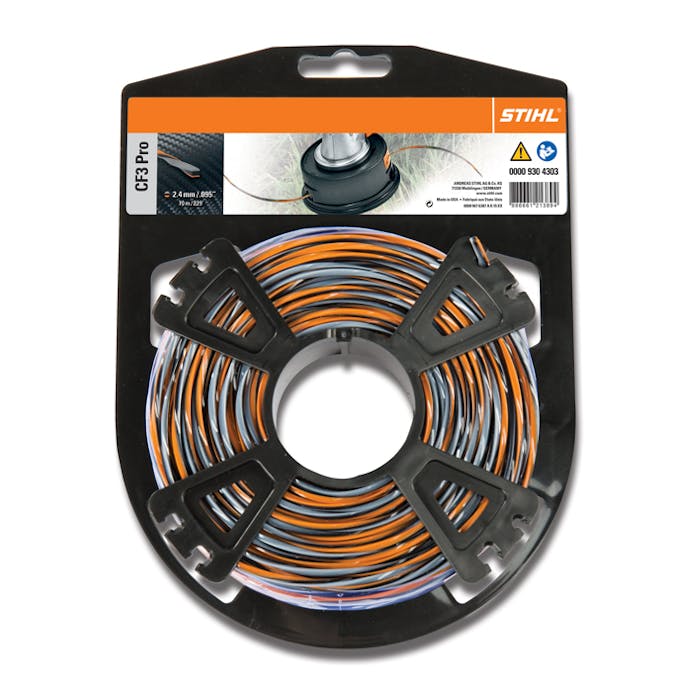
When it comes to achieving precise results in lawn care, choosing the right size trimmer line is crucial. For STIHL trimmers, there’s a surprising range in options, designed to suit different needs and environments. Selecting the right size can mean the difference between a clean, efficient cut and a jagged, uneven finish.
Initially, STIHL trimmers were optimized for uniform 0.080-inch lines, perfect for light trimming and edging. However, advancements have made 0.095-inch and even 0.105-inch lines more popular for handling thicker, more resilient grass and weeds. Studies have shown that these thicker lines are not only more durable but also more cost-effective in the long run, making them a favorite among professionals.
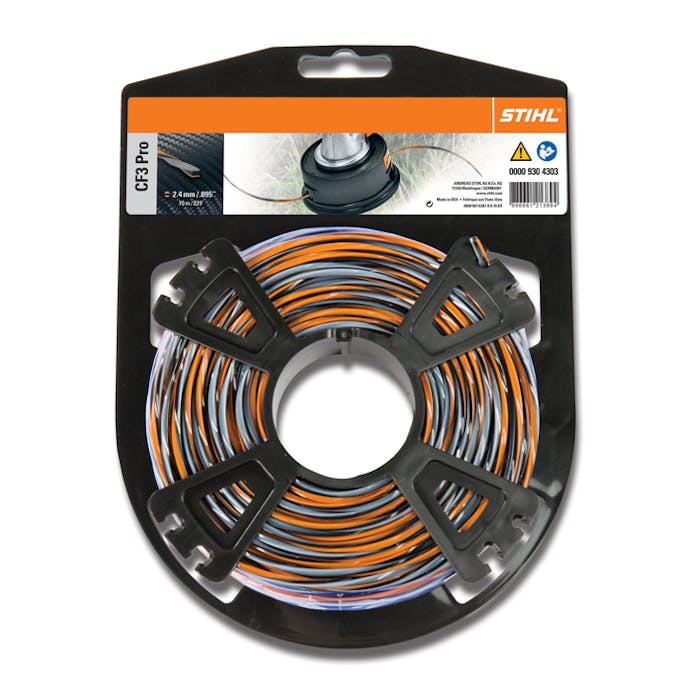
Choosing the Right Size Trimmer Line for STIHL
When selecting a trimmer line size for your STIHL equipment, it’s essential to match the line to your specific needs. A 0.080-inch line is ideal for light tasks like trimming grass and small weeds. Meanwhile, 0.095-inch lines are more durable and suited for thicker vegetation. For even tougher jobs, a 0.105-inch line provides the necessary strength. According to this post, using the correct size translates to better efficiency and longevity.
The type of trimmer head you have also influences the size of the line you should use. Some trimmer heads can accommodate multiple sizes, providing flexibility for various jobs. Always refer to your trimmer’s manual to determine the maximum line diameter it supports. This ensures optimal performance and prevents damage to your equipment. Choosing the right line size enhances the tool’s functionality.
Additionally, understanding the material of the trimmer line can improve cutting performance. Lines made of nylon are common, but there are also lines reinforced with other materials like aluminum for added durability. Here is the article that discusses different materials in detail. Selecting the appropriate material along with the right size makes a noticeable difference.
Here’s a quick summary of standard sizes and their uses:
- 0.080-inch: Light trimming, grass
- 0.095-inch: Medium-duty, thicker weeds
- 0.105-inch: Heavy-duty, dense vegetation
Each size serves a specific purpose, making your lawn care tasks more manageable. Choosing wisely saves time and effort.
Factors to Consider When Selecting Trimmer Line Size
First, consider the type of vegetation you’ll be cutting. Light grass and small weeds don’t require a thick trimmer line. For such tasks, a 0.080-inch line is sufficient. However, if you have thicker weeds or dense brush, you’ll need a 0.095-inch or 0.105-inch line. This ensures effective cutting and minimizes line breakage.
The power of your trimmer also plays a crucial role in selecting the right line size. High-powered trimmers can handle thicker lines without bogging down. Conversely, less powerful models benefit from thinner lines that allow for better maneuverability. Always check your trimmer’s manual for recommended line sizes. This helps to optimize both performance and longevity of the equipment.
Environmental factors are another important consideration. If you often trim near fences, rocks, or other hard surfaces, a thicker and more durable line may be necessary. Lines reinforced with materials like aluminum offer greater resistance against wear and tear. This thickening ensures you won’t have to replace the line frequently, saving both time and money. According to this expert opinion, choosing the correct line helps maintain efficiency.
Finally, think about the terrain and size of the area you’re working on. Larger properties with varied terrains will benefit from a versatile trimmer line that can handle multiple scenarios. This versatility ensures consistent performance across different sections of your yard. Enhancing the usability of your STIHL trimmer improves your overall lawn care experience. Below is a quick reference table for different trimmer line sizes and their optimal uses:
| Line Size | Optimal Use |
|---|---|
| 0.080-inch | Light grass, small weeds |
| 0.095-inch | Medium to thick weeds |
| 0.105-inch | Dense brush, hard surfaces |
The Impact of Trimmer Line Size on Performance
The size of the trimmer line significantly influences its cutting performance. For instance, a thinner line, like 0.080-inch, is perfect for lighter tasks. It cuts through grass easily and offers more maneuverability. However, for tougher vegetation, a thicker line becomes essential. Larger lines provide the necessary weight and strength to tackle dense weeds effectively.
Using an incorrect line size can drastically affect efficiency and results. A line that’s too thin might snap frequently when cutting thick brush, wasting both time and resources. On the other hand, a line that’s too thick for light tasks can slow the trimmer down. Additionally, it can cause unnecessary wear on the motor. Choosing the right size ensures optimal performance.
The longevity of the trimmer line is another aspect impacted by its size. Thicker lines, such as 0.095-inch, are generally more durable, resisting breakage better when hitting hard surfaces. This durability translates into fewer replacements. Conversely, thin lines wear out faster but are cheaper to replace. Balancing durability and replacement costs is key.
Here’s how different trimmer line sizes can affect performance and usage:
- 0.080-inch: High RPM, less durable, ideal for small yards
- 0.095-inch: Good balance between power and durability, effective for mixed terrains
- 0.105-inch: Lower RPM, highly durable, excellent for heavy-duty tasks
Selecting the appropriate line size according to your specific needs can optimize your trimmer’s efficiency and effectiveness.
Benefits of Using the Correct Size Trimmer Line for STIHL
Using the correct size trimmer line for your STIHL equipment offers numerous benefits, enhancing both performance and efficiency. One major benefit is improved cutting precision. When you use the right size, the line cuts through grass and weeds more effectively. This results in a cleaner, more professional-looking finish. Additionally, it reduces the time and effort needed to complete your lawn care tasks.
Another advantage is increased durability. Using a trimmer line that matches the job’s requirements means fewer line replacements. Thicker lines like the 0.095-inch or 0.105-inch sizes tend to last longer when cutting dense vegetation. This durability translates into cost savings over time. As a result, you will spend less money on frequent replacements.
Moreover, the correct line size can prevent damage to your trimmer. Lines that are too thick or too thin place unnecessary strain on the trimmer’s motor. This can lead to increased wear and tear. Maintaining the right line size ensures your equipment runs smoothly. It also extends the life of your trimmer.
Here’s a quick reference table summarizing the benefits:
| Line Size | Benefit |
|---|---|
| 0.080-inch | Excellent for light trimming, improved precision |
| 0.095-inch | Balanced performance, increased durability |
| 0.105-inch | Best for heavy-duty tasks, prevents motor strain |
Choosing the correct line size makes lawn care more efficient and cost-effective.
Additionally, according to expert gardeners, the right trimmer line size can enhance safety. Using the proper line size ensures fewer breaks and snaps, which can be hazardous. It allows you to work more confidently and securely. This adds another layer of benefit to selecting the right size for your STIHL trimmer.
Frequently Asked Questions
Here are some common questions about choosing the right trimmer line for STIHL equipment and optimizing performance. These answers aim to help you make informed decisions for your lawn care needs.
1. How do I determine which trimmer line size is best for my needs?
The best trimmer line size depends on the type of vegetation you’re dealing with. For light tasks like trimming grass, a 0.080-inch line is ideal because it is thin and maneuverable. If you have medium-duty tasks involving thicker weeds, a 0.095-inch line would be more suitable due to its increased durability.
For heavy-duty cutting through dense brush or tough weeds, a 0.105-inch line is most effective as it provides greater strength and longevity. Always refer to your STIHL model’s manual to ensure compatibility and optimum performance before making any changes.
2. What are the advantages of using a thicker trimmer line?
A thicker trimmer line, such as a 0.095-inch or 0.105-inch, offers enhanced durability and greater cutting power compared to thinner lines. This results in fewer breaks and replacements, thereby saving time and reducing overall maintenance costs.
Thicker lines also excel at tackling denser vegetation and can handle rougher terrain without significant wear and tear on the trimmer or the line itself. This makes them ideal for heavy-duty lawn care tasks where efficiency is key.
3. Can I use any brand of trimmer line with my STIHL trimmer?
You can generally use different brands of trimmer lines with your STIHL trimmer, but it’s crucial to match the specifications outlined in your tool’s manual for optimal performance. Different brands may offer various materials that affect durability and cutting efficiency.
However, sticking to reputable brands that focus on quality will ensure consistent results while minimizing wear on your machine. Sometimes mixing brands might lead to suboptimal performance or even damage if they don’t meet required standards.
4. Are there different materials used for making trimmer lines?
Yes, numerous materials are used to create trimmer lines, each offering unique benefits suited for specific tasks. The most common material is nylon due to its price-effectiveness and suitable flexibility for general yard work.
Some lines are reinforced with aluminum or other durable composites to enhance their strength against harder surfaces like rocks or fences; this prolongs their usage by minimizing breakage during intensive tasks.
5. How often should I replace my trimmer line?
The frequency of replacing your trimmer line depends largely on how often you use it and under what conditions you’re working in—typically heavier usage requires frequent replacements than lighter conditions.
If you notice fraying or reduced cutting effectiveness sooner than expected from previous experiences then consider changing it out as needed ensuring continued operational success; according to this resource, prolonged exposure might mean an aging issue too!
Conclusion
Selecting the correct size trimmer line for your STIHL equipment is essential for achieving optimal performance and efficiency. By matching the line size to the task, you can ensure better cutting precision and reduced wear on your trimmer. This allows for a smoother and more effective lawn care experience.
Understanding the impact of different line sizes, alongside the benefits they provide, can save you time and money in the long run. Whether you’re dealing with light grass or dense brush, the right trimmer line size makes all the difference. Implement these insights for a more productive and enjoyable yard maintenance routine.

I’m Patricia D. Johnson, an affiliate marketer and blogger specializing in trimmers and grooming tools. I create honest reviews, buying guides, and practical tips to help readers choose the right trimmer for their needs. With a focus on quality, performance, and value, I simplify the decision-making process so consumers can make confident purchases.