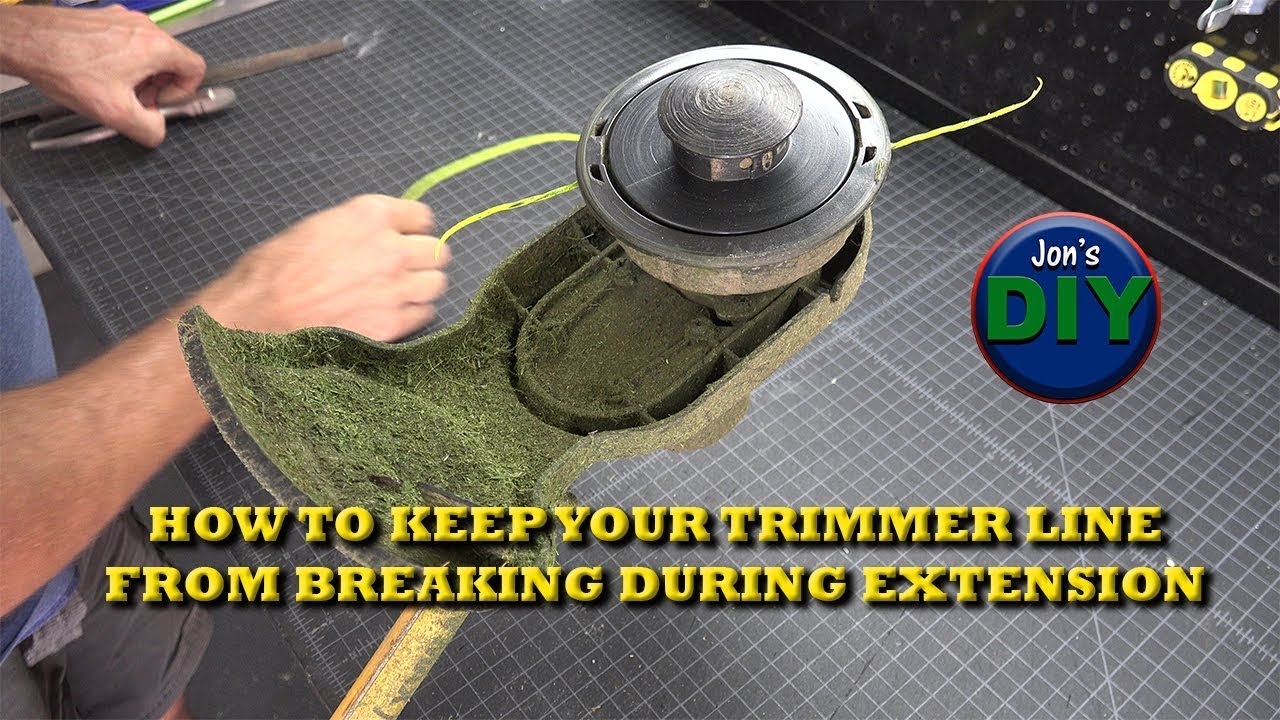
Have you ever noticed that your string trimmer line snaps more frequently during the heat of summer? This frustrating occurrence is surprisingly common and can stem from various factors. Excessive heat can cause the line material to become brittle, breaking with minimal contact.
Understanding why string trimmer lines break often can significantly improve maintenance practices. Historically, manufacturers have tweaked line formulations to endure tougher conditions, but even modern lines are not impervious to wear and tear. For instance, switching to a thicker, high-quality line can reduce breakage by up to 50%, leading to fewer interruptions during yard work.
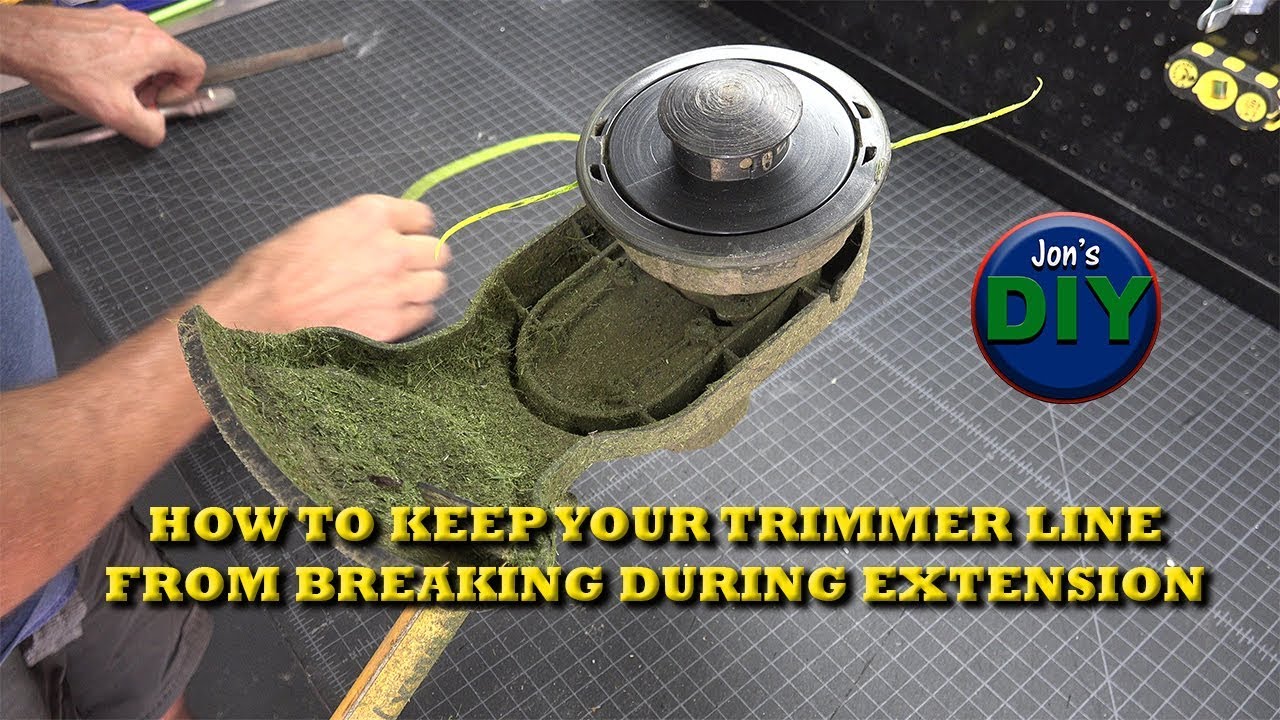
Why Does My String Trimmer Line Keep Breaking?
Have you ever wondered why your string trimmer line keeps snapping? One common reason is that the line gets too heated during use. According to this post, excessive heat can make the line brittle and more prone to breaking. This usually happens when the trimmer is used continuously without breaks. Allowing the motor to cool down can help prolong the line’s life.
Another factor that causes breakage is the string trimmer line’s quality. Lower-quality lines tend to break more easily, especially when they hit hard surfaces. Investing in a high-quality, durable line can make a significant difference. This simple switch can lessen the frustration of frequent replacements. Thicker lines also tend to be more robust.
Incorrect winding of the trimmer line can also result in breakage. If the line is wound too tightly or loosely, it may wear out faster. Properly winding the line is crucial, and you can learn more about it in this article. Maintaining the correct tension can reduce line breakage significantly.
Lastly, using the wrong type of line for your specific trimmer model can cause problems. Different trimmers require different line sizes and materials. Always check the manufacturer’s recommendation for the appropriate line type. This ensures that your trimmer operates efficiently, reducing the likelihood of the line breaking.
The Impact of Excessive Heat on String Trimmer Line
Excessive heat can cause significant damage to your string trimmer line. When the trimmer is used for extended periods, friction increases, raising the temperature of the line. As the line heats up, it becomes more brittle, making it susceptible to snapping with minor contact. According to this expert opinion, allowing the trimmer to cool down can minimize this issue. Frequent breaks during use help maintain a lower temperature.
High ambient temperatures can also contribute to line breakage. For instance, using the trimmer in hot weather conditions can amplify the heat’s effects on the line. This is particularly true in summer when temperatures regularly soar. Users should be mindful of their trimmer’s exposure to direct sunlight. Keeping the trimmer in the shade when not in use can help.
Another contributing factor is the type of line material. Some materials are more resilient to heat than others. Older, cheaper lines might not withstand high temperatures as well as new, high-quality ones. Upgrading to heat-resistant lines can reduce the frequency of breaks. Always consider the material type when purchasing new lines.
Finally, frequent contact with hard surfaces generates more heat. This scenario happens when trimming along sidewalks or driveways. Users should maintain a proper distance from these surfaces to prevent unnecessary wear. Slight adjustments in technique can significantly preserve the line’s integrity.
Quality of String Trimmer Line: Does It Matter?
When it comes to string trimmer lines, quality is a significant factor. High-quality trimmer lines typically last longer and perform better. They are made from durable materials that can withstand more wear and tear. In contrast, cheaper lines may break more frequently. This constant breakage can be frustrating and costly over time.
High-quality lines tend to be more resistant to environmental factors. For instance, they handle heat, humidity, and abrasive surfaces much better. Not needing to replace the line as often saves both time and money. Additionally, these lines deliver a cleaner cut. This can significantly enhance the appearance of your lawn or garden.
Another advantage of high-quality trimmer lines is their compatibility with various trimmer models. Many high-end options are designed to work efficiently with most brands. This flexibility means you don’t have to search for a specific line type for your equipment. It also ensures consistent performance across different tasks.
Choosing a high-quality trimmer line also means fewer interruptions. You can focus more on the job rather than dealing with constant line replacements. Users have found that upgrading to a premium line improves overall efficiency. Quality lines often feature advanced technology, like reinforced cores, for extra strength. This allows you to get more done in less time.
Tips to Prevent String Trimmer Line Breakage
To keep your string trimmer line from breaking, start by using the right type of line for your trimmer. Check the manufacturer’s specifications to ensure compatibility. Using a high-quality, appropriate line can significantly reduce breakage. This simple step saves you time and money. It also ensures your trimmer works efficiently.
Proper winding of the line is essential. If not correctly wound, the line can become tangled or too tight. This can lead to faster wear and breakage. Follow the instructions carefully when loading new line. Doing so ensures smooth operation and longevity.
Take breaks to let your trimmer cool down. Continuous use generates heat, making the line brittle and more likely to snap. Allow the tool to rest periodically. This not only extends the life of the line but also protects the motor. Your trimmer will thank you for it.
Be mindful of the surfaces you’re trimming. Avoid hitting hard objects like concrete and rocks. These can quickly wear down the line. Instead, use a gentle touch near edges and hard surfaces. This reduces the chance of breakage and keeps your line intact longer.
Store your trimmer and extra lines in a cool, dry place. Exposure to extreme temperatures and moisture can weaken the line. Proper storage conditions maintain the line’s durability. This ensures it’s ready for action whenever you need it. A bit of care goes a long way.
Frequently Asked Questions
String trimmers are useful tools for yard maintenance, but they can sometimes be tricky to manage. Here, we answer some common questions to help you get the best performance from your string trimmer.
1. What type of string trimmer line should I use?
The type of string trimmer line you should use depends on your specific model and trimming needs. Generally, a thicker line is better for heavy-duty tasks like cutting through thick grass or weeds. Thin lines are ideal for lighter trimming around flower beds or walkways.
Check your trimmer’s manual for specific recommendations on line thickness and material. Using the right type ensures efficient operation and minimizes breakage, saving you time and hassle in the long run.
2. How often should I replace the string trimmer line?
The frequency with which you need to replace your string trimmer line depends on how often you use it and the conditions under which it operates. For regular residential use in average conditions, replacing the line once per season may suffice.
If you frequently trim rough terrains or thick vegetation, more frequent replacements might be necessary. Keeping an eye on the wear and tear can help you determine when a new line is needed.
3. Can changing my trimming technique reduce line breakage?
Yes, modifying your trimming technique can significantly reduce line breakage. Holding the trimmer at a slight angle rather than flat against the ground helps minimize contact with hard surfaces like concrete.
This angle allows for smoother operation and reduces stress on the line. Being mindful of obstacles such as rocks or metal objects can also extend the life of your trimming line.
4. Is there a difference between round and twisted trimmer lines?
Yes, there are differences between round and twisted trimmer lines that affect performance. Round lines are great for general-purpose trimming and tend to be more durable in typical yard work scenarios.
Twisted lines offer better aerodynamics and cutting efficiency, making them suitable for heavy-duty jobs involving thicker grass or weeds. Choosing between them depends on your specific needs and preferences.
5. How do environmental factors affect my string trimmer line?
A variety of environmental factors can impact your string trimmer line’s longevity including temperature, humidity, and exposure to UV rays. High temperatures can make the line brittle over time, leading to more frequent breaks.
Storing your trimmer in a cool, dry place prolongs its lifespan by protecting it from harsh weather conditions. Using quality lines designed to withstand environmental extremes also helps mitigate these effects.
Conclusion
Understanding the reasons behind string trimmer line breakage can save both time and frustration. By using the right type of line, adjusting your technique, and being mindful of environmental factors, you can significantly extend its lifespan. Simple changes can lead to more efficient and enjoyable yard maintenance.
Investing in high-quality trimmer lines and following best practices not only ensures smoother operation but also enhances the durability of your equipment. Whether you’re a novice or an expert, implementing these tips can make a noticeable difference in your trimming experience. Enjoy a well-maintained lawn with less hassle and downtime.

I’m Patricia D. Johnson, an affiliate marketer and blogger specializing in trimmers and grooming tools. I create honest reviews, buying guides, and practical tips to help readers choose the right trimmer for their needs. With a focus on quality, performance, and value, I simplify the decision-making process so consumers can make confident purchases.