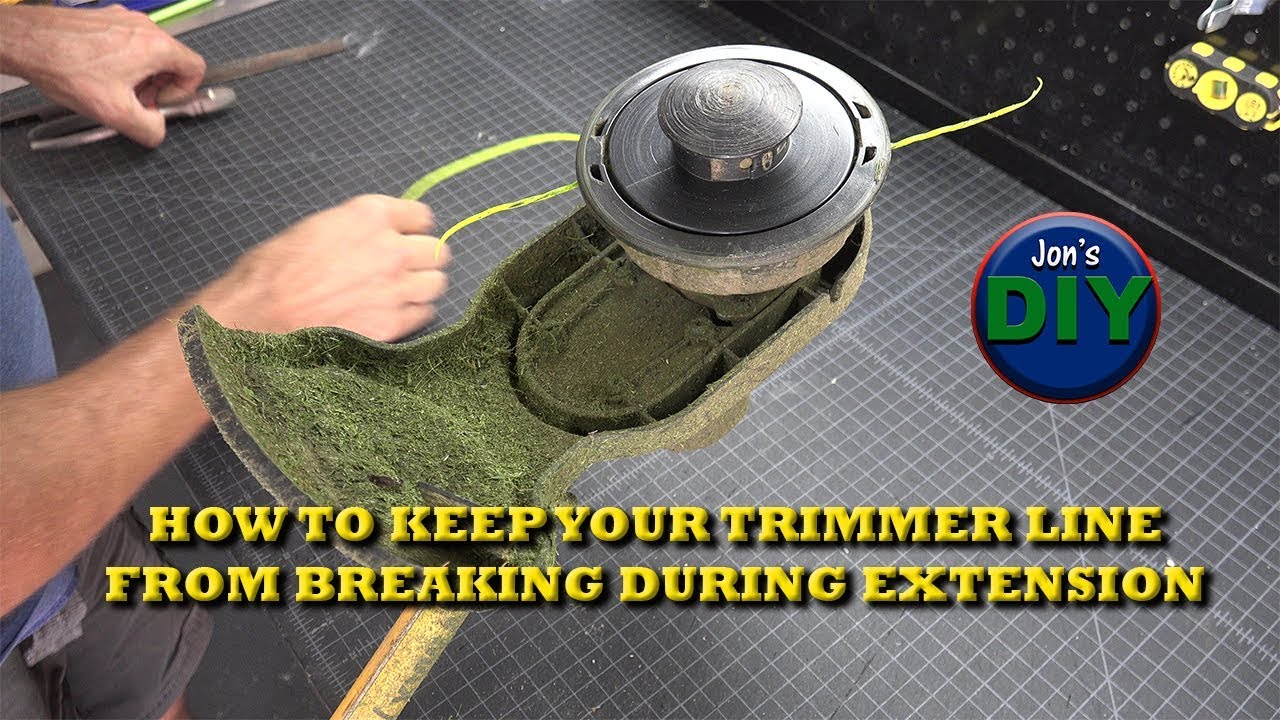
Ever wondered why despite the advancements in trimmer technology, the line just keeps snapping? You might be surprised to learn that even experienced landscapers face this persistent issue, hinting at a deeper mechanical or procedural flaw. This recurrent problem is not only frustrating but can also impede the quality of your trimming work.
A common culprit is using the incorrect type of line for the task at hand, influenced by varying line diameters and material compositions. For instance, a lighter line might be suitable for grass but will break immediately when tackling tough weeds. Moreover, incorrect spool winding and excessive contact with hard surfaces further exacerbate the likelihood of frequent line breakage. A sobering statistic reveals that improper line usage can reduce efficiency by up to 30%, highlighting the importance of proper handling and maintenance.
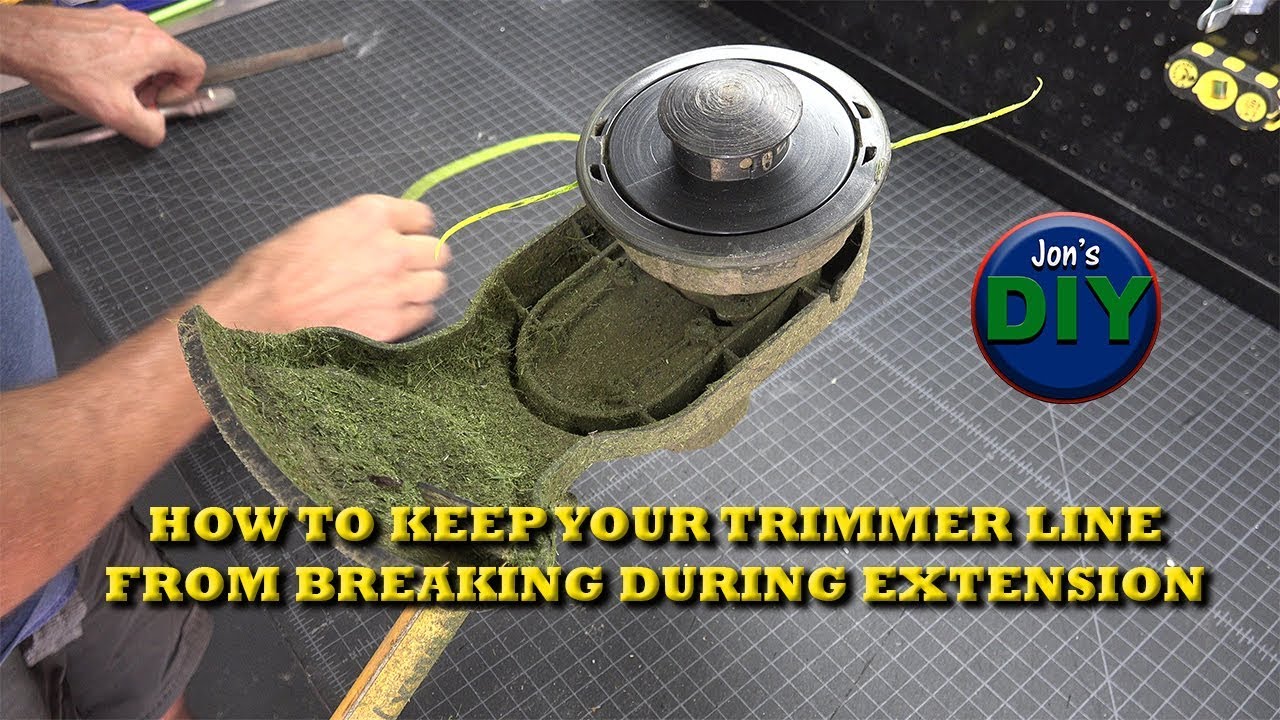
Why Does My Trimmer Line Keep Breaking?
A major reason trimmer lines often break is because of improper handling and usage. Many users don’t consider if the line they are using is suitable for their specific trimmer or task. For example, a thin line might work well on grass but will snap quickly on thicker vegetation. This can be frustrating, especially when you have to replace the line frequently. According to this post, understanding the right line type is crucial.
Another common issue is the trimmer coming into contact with hard surfaces like rocks or sidewalks. When the line hits a hard object, it can easily break. This not only decreases efficiency but also increases the cost of maintenance. To avoid this, it’s best to trim carefully around such obstacles. This simple step can save time and money in the long run.
Improper cutting techniques are also a significant factor. If you hold the trimmer at an incorrect angle or too close to the ground, the line might snap more frequently. It’s essential to follow the correct guidelines for using your trimmer effectively. You can find useful tips on how to reload the string and maintain your trimmer in this article.
Finally, it’s important to ensure that your trimmer is well-maintained. A clogged or dirty head can cause the line to jam, leading it to break more often. Regular cleaning and inspection can help minimize this issue. Keep an eye on your trimmer’s condition to ensure it operates smoothly. Simple maintenance practices can significantly extend the lifespan of your trimmer line.
Factors Contributing to Trimmer Line Breakage
One major factor in trimmer line breakage is using the wrong type of line for your specific trimmer or task. Different tasks and trimmer models require specific line thickness and material. If you use a thin line on tough weeds, it will snap easily. Meanwhile, a thicker line can handle tougher tasks but may not work well on delicate jobs. Using the right line can significantly reduce breakage.
According to this post, another factor is incorrect spool winding. If the line is not wound properly on the spool, it can cause jamming and breakage. Ensure the line is wound tightly and evenly to prevent this issue. Proper winding can extend the life of your trimmer line significantly.
Contact with hard surfaces like rocks and concrete also contributes to frequent breakage. When the line hits these hard surfaces, it weakens and eventually snaps. It’s crucial to be mindful of your surroundings and avoid trimming too close to these obstacles. This can help maintain the integrity of your trimmer line.
The speed and power of the trimmer can also have an impact. Running the trimmer at too high a speed can wear the line out faster, especially if it’s not designed for such high speeds. Adjusting the speed according to the type of vegetation you are trimming can make a big difference. Balancing trimmer speed with line durability is key to minimizing breakage.
Understanding the Impact of Incorrect Trimmer Line Usage
Using the wrong trimmer line can lead to frequent breakage and reduced efficiency. Each type of trimmer line has a specific purpose and is designed to handle different tasks. For instance, a lighter line is perfect for trimming grass but fails against thicker weeds or brush. On the other hand, a heavy-duty line might be overkill for simple lawn maintenance. Choosing the right line for the job can prevent unnecessary wear and tear.
Incorrect trimmer line usage can also damage your trimmer. When the line constantly breaks, it puts additional stress on the machine. This can result in costly repairs and decrease the lifespan of your trimmer. Keeping the correct line in mind can save you money and hassle. Stay informed about what your trimmer can handle to maintain its performance.
Improperly installed trimmer line impacts cutting performance as well. If the line is not threaded correctly, it can lead to uneven trimming and increased breakage. Always make sure to follow the manufacturer’s instructions when installing a new line. Better installation leads to smoother operation and a cleaner cut.
Using a trimmer line that’s too old or brittle also contributes to breakage. Exposure to sunlight and the elements can degrade the line’s material over time. Store your trimmer line in a cool, dry place to maintain its quality. Regularly replace the line to keep your trimmer functioning at its best.
Tips to Prevent Trimmer Line from Breaking
Choosing the right trimmer line is one of the most effective ways to prevent breakage. Different sizes and compositions are designed for specific tasks, so it’s essential to match the line with the job. For example, use a thicker, more durable line for tough weeds. On the other hand, a thinner line works best for grassy tasks. This ensures that the line lasts longer and breaks less frequently.
Proper spool winding is also critical for reducing line breakage. Make sure to wind the line evenly and tightly on the spool. If the line is loosely wound, it can easily tangle and break during operation. Following the manufacturer’s guidelines on winding can make a significant difference. Regularly check and re-spool your line to ensure optimal performance.
Maintaining a clean trimmer head can significantly extend the life of your trimmer line. Dirt and debris can cause the line to snag and break more easily. Always clean the trimmer head after use to avoid buildup. A simple wipe down goes a long way in keeping your equipment in top shape. A clean trimmer is a happy trimmer.
Avoiding contact with hard surfaces like rocks or sidewalks is another crucial tip. When the line hits these surfaces, it wears down quickly and breaks. Being mindful of your trimming path can help mitigate this issue. Try to trim around obstacles carefully and maintain a steady hand. This will not only save your line but also improve the quality of your trimming.
Finally, monitor the speed settings of your trimmer to match the task at hand. Running the trimmer at too high a speed can lead to quicker line wear, especially if the line isn’t designed for it. Adjust the speed according to the type of vegetation you’re working with. Balanced speeds ensure better efficiency and reduced line breakage.
Frequently Asked Questions
Here are some common questions related to trimmer line issues and solutions. Find out how to keep your trimmer working efficiently and prevent frequent breakages.
1. What type of trimmer line should I use for tough weeds?
For tough weeds, it’s best to use a thicker, more durable trimmer line. Lines made of copolymer or titanium-reinforced materials offer greater strength and resilience. These lines can handle the heavy-duty tasks that regular lines cannot manage without breaking frequently.
Always check your trimmer’s specifications to ensure compatibility with thicker lines. Using a line that’s too strong for your machine might cause other issues. But generally, a thicker line will better withstand the wear and tear of trimming dense vegetation.
2. How can I prevent my trimmer line from tangling on the spool?
Tangling usually happens when the line isn’t wound correctly on the spool. Make sure you wind it evenly and tightly according to the manufacturer’s instructions. Uneven winding leads to sticking and jamming, which in turn results in frequent breaks during operation.
If you’re unsure about how to do this properly, many tutorials are available online to guide you through each step. Regularly check your spool for unevenness or overlapping lines. Correct winding is key to preventing these problems from recurring.
3. Is it necessary to adjust the speed settings on my trimmer?
Yes, adjusting speed settings based on your task is crucial for optimal performance. High-speed settings may be needed for thick brush but can cause quick wear if used on light grass consistently.
A lower setting is sufficient for maintaining lawns and helps prolong the life of both your line and trimmer motor. Experimenting with different speeds allows you to find a balance between efficiency and durability.
4. How often should I replace my trimmer line?
The frequency of replacement depends largely on usage patterns and the type of tasks performed. Typically, if you use it regularly for heavy-duty tasks, consider replacing it every few weeks.
For lighter or infrequent use, changing once every couple of months may suffice. Regular inspection helps identify wear signs early, ensuring timely replacements enhance performance.
5. Does storing my trimmer affect its longevity?
Lack of proper storage can lead to premature wear and possible damage over time.
Keeping it in a cool, dry place ensures protection against harmful environmental elements like direct sunlight and moisture.
This practice maintains elasticity and strength making your equipment more reliable overall!
Routine checks along with correct usage help extend lifespan considerably.

I’m Patricia D. Johnson, an affiliate marketer and blogger specializing in trimmers and grooming tools. I create honest reviews, buying guides, and practical tips to help readers choose the right trimmer for their needs. With a focus on quality, performance, and value, I simplify the decision-making process so consumers can make confident purchases.