
Ever wondered why the quality of your lawn trimming keeps varying? The length and type of line you use in your Ryobi trimmer could be the deciding factor. Knowing the exact line requirements ensures spotless results and enhances the longevity of your equipment.
Ryobi trimmers, whether gas or electric, typically require around 15 to 20 feet of line per spool. The line diameter also plays a crucial role, with most models recommending a 0.065-inch thick line. Ensuring these standards effectively tackles dense grass and weeds, making your trimming tasks more efficient and hassle-free.
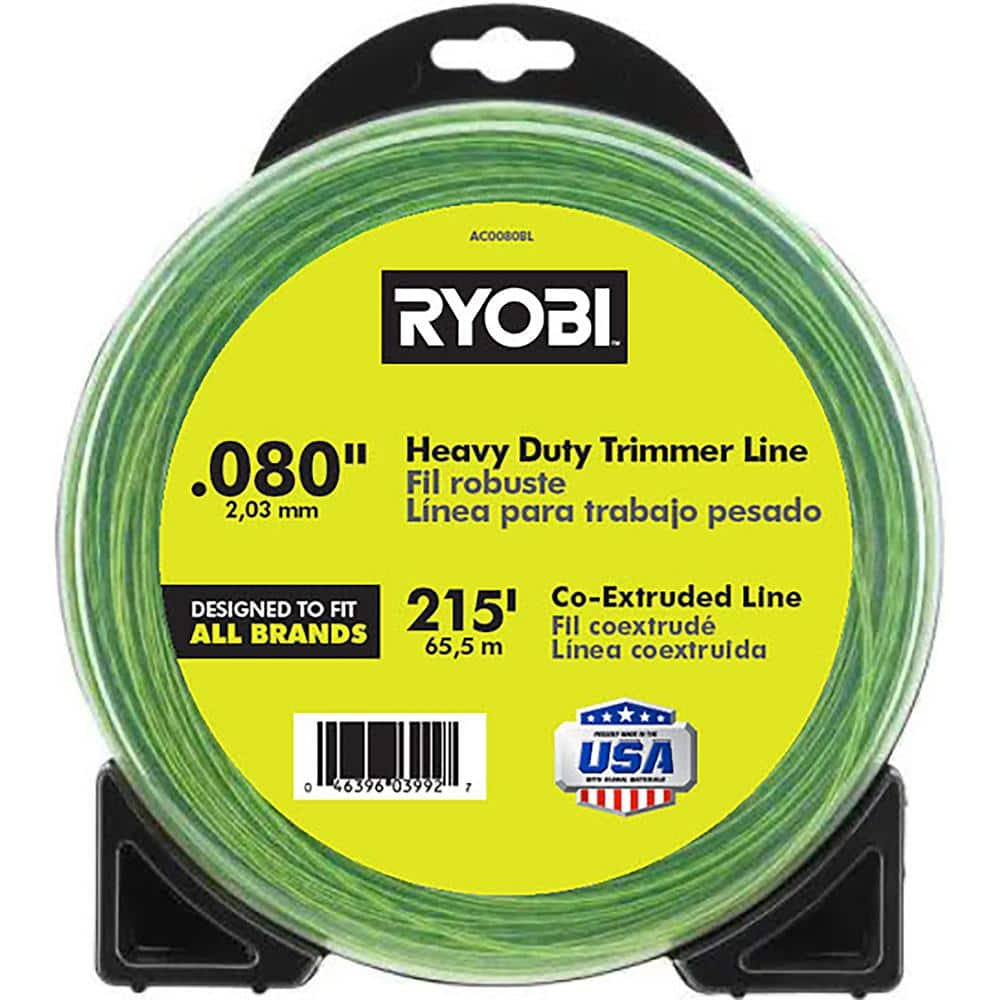
Understanding Ryobi Trimmer Line Requirements
To get the best performance from your Ryobi trimmer, using the correct line is essential. Most Ryobi trimmers use a standard 0.065-inch diameter line, but some models might use thicker lines. The length of the line on each spool can range between 15 and 20 feet. If you use the wrong size or insufficient length, the trimmer may not work efficiently. Proper line usage will ensure your yard looks neat and tidy.
There are two main types of lines for Ryobi trimmers: round and twisted. Round lines are common and easier to replace, while twisted lines are more durable and provide a cleaner cut. You can choose the type based on your yard’s needs. Some users find twisted lines quieter and more efficient. Think about what would work best for your trimming tasks.
Another important aspect is winding the line correctly on the spool. If not done properly, the line can easily get tangled or break. According to this article, following the manufacturer’s instructions is crucial for effective trimming. Incorrectly winding the spool can lead to a lot of frustration and wasted time.
Investing in the right line for your Ryobi trimmer can save you time and effort. You can find the line in various materials, from basic nylon to more advanced copolymer blends. Each material has its benefits, like increased durability or quieter operation. According to here is the post, using the right materials can significantly improve your lawn care experience.
Line Length: How Much Do You Really Need?
The length of the line you need for your Ryobi trimmer varies depending on the model and the specific trimming task. Typically, most Ryobi trimmers use between 15 to 20 feet of line per spool. This range allows for efficient trimming without frequent line replacements. Using the recommended line length means your trimming sessions are less interrupted. Ensuring proper length optimizes the performance of your trimmer.
Different tasks may require different amounts of line. For example, tackling thick weeds or overgrown areas might consume more line. Light trimming around the edges, however, uses less line. Consider having extra spools on hand for larger projects. This way, you’re always ready to tackle varying tasks with ease.
Keeping track of your line usage is essential. Always check the spool before starting a new job. If the line is too short, replace or rewind it to the recommended length. According to this expert opinion, using the right line length can prevent frequent reloading and improve trimming efficiency. Regular maintenance ensures a smoother, hassle-free operation.
When rewinding the spool, follow the manufacturer’s guidelines. Properly winding the line helps avoid tangles and breaks. In this resource, it is advised to keep the line tight while winding to prevent issues during trimming. Consistent care and attention to detail in maintaining the spool will save you time and effort. Simple habits like this enhance the longevity and effectiveness of your Ryobi trimmer.
The Influence of Line Diameter on Trimming Efficiency
Line diameter plays a significant role in the efficiency of your Ryobi trimmer. Using a thicker line, such as 0.080-inch or 0.095-inch, can handle heavier and thicker grass. Conversely, a thinner line like 0.065-inch is better for light-duty trimming. The thicker the line, the more power it can deliver. Different diameters serve different purposes and understanding this can enhance your trimming experience.
You might wonder when to use each type. For average backyard maintenance, the standard 0.065-inch line is usually sufficient. However, tackling overgrown or stubborn patches may require a thicker line. The right choice depends on your specific needs. Consult your Ryobi trimmer’s manual for the optimal line diameter for your tasks.
Using the wrong diameter can affect not only performance but also fuel or battery efficiency. A line that is too thin may break often, requiring frequent replacement. Conversely, a line that is too thick can overload the trimmer’s motor. Balancing diameter with the appropriate tasks creates a smoother operation and extends the trimmer’s lifespan. Follow these guidelines to avoid unnecessary wear and tear.
To summarize the benefits:
- Thicker lines are ideal for heavy-duty tasks.
- Thinner lines suit light trimming and edging.
- Using the right diameter improves efficiency and longevity of the trimmer.
Always match the line diameter to your job’s requirements. Experimenting with different diameters will help you find the most effective setup for your yard work.
Choosing the Right Line for Your Ryobi Trimmer
Selecting the right line for your Ryobi trimmer can make a big difference in your yard work efficiency. The first factor to consider is the diameter of the line. Most Ryobi trimmers use a 0.065-inch line, which is good for general use. For tougher jobs, you might want to use a thicker line, like 0.080-inch or even 0.095-inch. Thicker lines are more durable and can cut through denser vegetation.
Another important factor is the material of the line. Standard nylon lines are common and affordable. However, for more demanding tasks, you might consider reinforced nylon or copolymer lines. These materials are built to last longer and withstand tougher conditions. This will reduce the frequency of replacing the line and improve your trimming experience.
Consider the shape of the line as well. Round trimmer lines are easy to find and are sufficient for most tasks. On the other hand, twisted or serrated lines offer better cutting performance and reduced noise. Some users find that twisted lines also tend to break less frequently. Here are some popular line shapes you might encounter:
- Round
- Twisted
- Serrated
- Square
Each shape has its advantages, so choose based on your needs.
Your trimming environment also plays a role in your choice. For urban areas with delicate gardens, a lighter, thinner line is best. In rural areas with thicker grass and weeds, a stronger thicker line could be more suitable. Always consider the specifics of your landscape. Matching the line to your environment will result in better efficiency and effectiveness.
Lastly, check the compatibility with your specific Ryobi trimmer model. Not all lines are suitable for all models. Verify the recommendations in your trimmer’s user manual. Using the right type of line ensures optimal performance and extends the life of your trimmer.
Frequently Asked Questions
Below are some commonly asked questions about Ryobi trimmers and their usage. Each answer aims to provide clear and helpful information for both new and experienced users.
1. What kind of line should I use for my Ryobi trimmer?
The type of line you should use depends on the task at hand. For general yard work, a 0.065-inch diameter round nylon line is usually sufficient. For heavier tasks, like cutting thicker grass or weeds, consider using a thicker line such as 0.080-inch or 0.095-inch in diameter. Thicker lines are more durable and provide better performance in demanding conditions.
Additionally, the material of the line can vary from basic nylon to reinforced copolymer lines for tougher jobs. Twisted or serrated lines also offer better cutting efficiency and less noise compared to round lines. Choosing the right type of line will improve your trimming experience significantly.
2. How do I rewind the string trimmer spool properly?
To rewind your string trimmer spool correctly, first remove any remaining line from the spool. Cut a new piece of trimmer line according to your model’s specifications, usually between 15 to 20 feet long. Insert one end of the new line into the anchor hole in the center of the spool, then wind it tightly in the direction marked on the spool.
Keep tension on the line as you wrap it to prevent tangling later. Once fully wound, secure both ends in built-in slots if available before reassembling your Ryobi trimmer’s head. Following these steps ensures smooth operation and minimizes downtime due to tangled or broken lines.
3. Can I use different brands of trimmer lines with my Ryobi trimmer?
Yes, you can generally use different brands of trimmer lines with your Ryobi trimmer as long as they meet size specifications outlined by Ryobi for your specific model—usually 0.065 inches in diameter for standard tasks but check if thicker diameters are recommended too depending on job complexity.
It’s crucial that whatever brand chosen meets those requirements; opting out non-standardized options could compromise performance levels —leading towards inefficiency over time regarding quality cuts achieved across varying terrain encountered during maintenance procedures generally executed around outdoor living spaces maintained routinely throughout seasonal changes annually experienced universally worldwide today!
4 How often should I replace my Ryobi trimmer line?
The frequency at which you should replace your Ryobi trimmer line depends heavily on how frequently and intensively you use it! For occasional light-duty home-use once every season may suffice whereas professional landscapers trimming several lawns daily might need swapping out weekly even daily intervals noticed deterioration affecting efficacy reliability expected overall expected efforts exerted ensuring pristine appearance landscapes served clients maintaining longstanding reputable business ventures continuously thrilled loyal patronage over years dedicated service provided consistently rendering satisfaction guaranteed!
Conclusion
Choosing the right trimmer line for your Ryobi trimmer is crucial for maintaining a pristine yard. By understanding the differences in line diameter, material, and length, you can optimize your trimming efficiency. Always follow the manufacturer’s recommendations for best results.
Regular maintenance, including proper winding and replacing worn lines, can greatly extend the life of your trimmer. With the right knowledge and tools, your Ryobi trimmer will help you achieve a well-groomed lawn. Invest in quality lines to ensure a smooth and efficient trimming experience.

I’m Patricia D. Johnson, an affiliate marketer and blogger specializing in trimmers and grooming tools. I create honest reviews, buying guides, and practical tips to help readers choose the right trimmer for their needs. With a focus on quality, performance, and value, I simplify the decision-making process so consumers can make confident purchases.