
Every well-manicured garden owes its trim edges to a humble hero—the trimmer line. This simple yet vital component revolutionized modern landscaping, transforming weedy jungles into pristine lawns with precision. Who would have thought a thin, flexible string could wield such power?
Trimmer lines are the unsung workhorses behind every efficient string trimmer. Designed specifically to cut through grass, weeds, and light brush, they replaced cumbersome blades with a safer, more manageable alternative. This innovation brought about a significant reduction in trimming-related injuries, positioning the trimmer line as an indispensable tool in lawn maintenance.
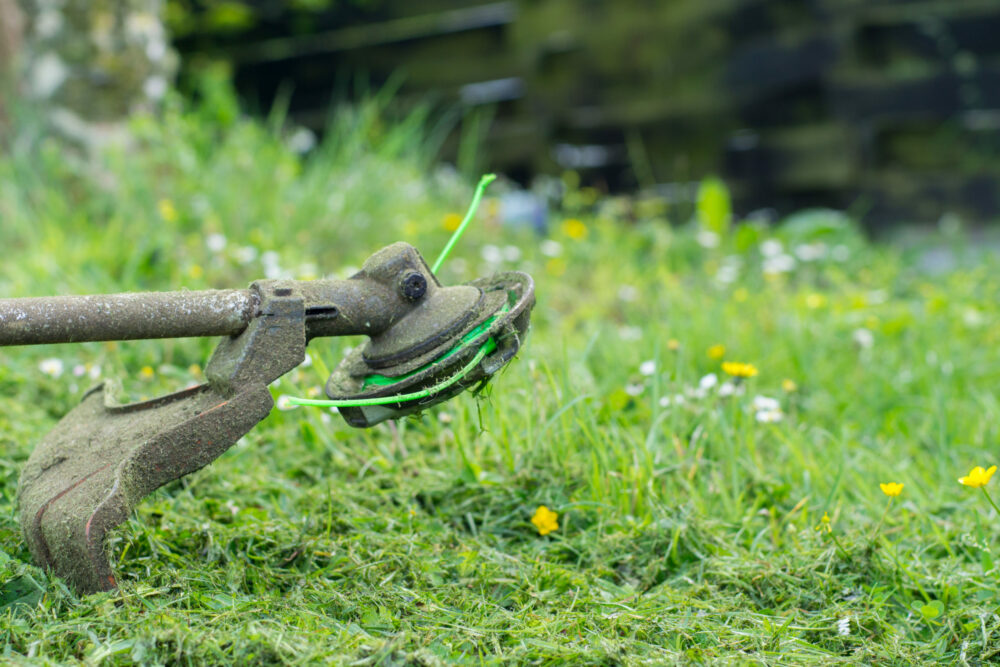
The Purpose and Function of Trimmer Line
Trimmer line is the secret behind tidy lawns and clean garden edges. It’s a crucial part of string trimmers, which are tools used to cut grass and weeds with precision. Unlike traditional lawnmowers, string trimmers can reach tight spots and navigate around obstacles like trees and flower beds. According to the article, this feature makes them invaluable for detailed landscaping tasks. The idea is to keep yards looking groomed and neat with minimal effort.
Another important aspect of trimmer line is its versatility. It comes in various sizes and shapes to suit different tasks. For instance, thicker lines are used to handle tougher vegetation, like dense weeds and light brush. Conversely, thinner lines are perfect for delicate trimming around flower beds. This adaptability makes it easy to maintain different areas of a garden effectively.
Efficiency is a key benefit of using trimmer lines over other tools. They make quick work of what could otherwise be time-consuming chores. Traditional tools often strain the user and require more time to achieve the same results. With a trimmer line, users can maintain their lawns with less physical exertion and in a shorter amount of time. This increased efficiency helps to keep yards looking their best.
Safety is also a significant factor when choosing a trimmer line. Unlike metal blades, trimmer lines are less likely to cause injuries or damage. The flexible material reduces the risk of accidents, making them a safer option for both professionals and hobbyists. According to this post, using safer tools reduces overall maintenance time, freeing up time for other gardening activities.
The Primary Use of Trimmer Line: Cutting Grass and Weeds
The main purpose of trimmer line in a string trimmer is to cut grass and weeds efficiently. The line spins at high speeds, creating a powerful cutting force that easily slices through vegetation. This makes it ideal for keeping lawns and garden edges neat and tidy. According to this expert opinion, professional lawn care specialists prefer specific types of trimmer lines for their durability and cutting power. They use various types of lines to achieve the best results for different garden conditions.
One of the key benefits of using trimmer line is its ability to handle different types of grass and weeds. Whether it’s soft, lush grass or tough, stubborn weeds, trimmer line can manage it all. This versatility means homeowners and gardeners only need one tool for multiple tasks. It simplifies the process of maintaining outdoor spaces. Moreover, changing the line when needed is a quick and easy task.
Using a trimmer line also significantly reduces the time and effort needed to maintain a garden. Traditional methods like hand-pulling weeds or using a scythe are labor-intensive and time-consuming. A string trimmer with a proper trimmer line makes these tasks more efficient. Users can accomplish a lot more in less time. This efficiency is particularly beneficial for people with large yards or professional landscapers.
Safety is another reason trimmer lines are preferred for cutting grass and weeds. Unlike metal blades, they pose less risk of injury and are more forgiving if they come into contact with hard objects. This makes them safer for use around children and pets. Additionally, trimmer lines are less likely to cause damage to plants and garden ornaments. This added safety makes them a popular choice for both amateur gardeners and professionals.
The Technological Advancement of Trimmer Line
The evolution of trimmer line technology has significantly improved the efficiency and effectiveness of garden maintenance. Modern trimmer lines are made from advanced materials such as nylon, reinforced composite, and even titanium. These materials provide increased durability, reducing the frequency of replacements. Some high-end trimmer lines also feature aerodynamic designs that reduce drag and improve cutting performance. This makes them more efficient and easier to use.
Today’s trimmer lines often come with special coatings or additives to enhance their performance. For example, some lines are treated with anti-weld coatings to prevent them from melting together during extended use. This innovation minimizes downtime and improves productivity. Additionally, certain lines are engineered to be more flexible, which reduces the likelihood of them breaking upon impact. This flexibility is particularly useful for navigating around hard surfaces and obstacles like fences and walls.
- Square or star-shaped lines for precise cuts
- Twisted lines for reduced noise and vibration
- Multi-sided lines for heavy-duty tasks
Besides material and design, the technological advancements in trimmer lines also extend to compatibility and ease of use. Many modern trimmer heads now feature auto-feed or bump-feed systems, which make extending the line effortless during operation. These systems automatically adjust the length of the line, ensuring consistent cutting performance. The development of universal trimmer lines that fit a variety of trimmer models has also simplified the shopping experience for users.
Trimmer Line’s Impact on Lawn Maintenance Efficiency
Trimmer lines have drastically improved lawn maintenance efficiency, making yard work less labor-intensive and time-consuming. They are especially beneficial in areas where traditional lawnmowers struggle, such as along fence lines, around trees, and near flower beds. Their ability to reach tight spaces ensures that no part of the yard is left unchecked. This detailed trimming contributes to an overall well-groomed appearance. Homeowners and professionals alike appreciate the precision afforded by trimmer lines.
One key advantage of trimmer lines is the speed at which they can accomplish tasks. Yard maintenance that used to take hours can now be completed in significantly less time. This is particularly crucial for professional landscapers who manage multiple properties. High-efficiency trimmer lines allow them to maximize productivity throughout the day. Homeowners also benefit from more free time on weekends, thanks to quicker yard chores.
The durability of modern trimmer lines means fewer interruptions for changing or fixing the line. High-grade materials ensure that the line lasts longer even when tackling tough grass and weeds. This reliability enhances user confidence, knowing they won’t have to stop frequently to replace the line. Investments in quality trimmer lines ultimately save time and money by reducing the need for frequent replacements.
- Less physical strain compared to manual tools
- Consistent performance for a uniform lawn look
- Compatibility with various trimmer models
Trimmer lines also contribute to safer lawn maintenance practices. Their flexibility and design reduce the likelihood of accidents and injuries often associated with metal blades. This safety feature is a significant advantage for both residential users and professional landscapers. Knowing that they can work quickly and safely allows users to focus on the quality of their work.
Eco-friendly options are becoming popular in the market. Biodegradable trimmer lines lessen environmental impact, addressing concerns about waste. These eco-friendly lines offer the same efficiency and durability while being more sustainable. Homeowners who are conscious of their environmental footprint find this development particularly beneficial.
Frequently Asked Questions
Trimmer lines are essential tools for effective lawn care. Here are some common questions and answers to help you understand their uses and benefits.
1. What types of trimmer line shapes are available?
Trimmer lines come in various shapes, each designed for specific tasks. The most common types include round, square, star-shaped, and twisted lines. Round lines are great for general use and cutting grass but can wear out quickly against hard surfaces. Square and star-shaped lines offer better cutting power for thicker brush and weeds.
Twisted trimmer lines generate less noise and vibration during operation, providing a smoother trimming experience. Each shape has its advantages, catering to different yard maintenance needs. Selecting the right shape can enhance the efficiency and effectiveness of your string trimmer.
2. How often should I replace the trimmer line?
The frequency of replacing your trimmer line depends on various factors such as usage intensity, material quality, and the type of vegetation being cut. On average, homeowners may need to replace the line every 5-8 hours of use to ensure optimal performance. Heavier use or more challenging conditions may require more frequent changes.
If you notice that your trimmer isn’t cutting efficiently or the line keeps breaking, it’s time for a replacement. Consistently using fresh, high-quality trimmer line maintains better cutting performance while protecting your equipment from undue stress.
3. Are there eco-friendly options for trimmer lines?
Yes, eco-friendly trimmer lines are becoming increasingly popular as they minimize environmental impact without sacrificing performance. These biodegradable lines break down naturally over time, reducing plastic waste in landfills. They offer a responsible alternative to traditional nylon or plastic lines.
Homeowners who prioritize sustainability will find eco-friendly options beneficial for their lawn care routines. Using these products demonstrates a commitment to preserving the environment while maintaining an aesthetically pleasing yard.
4. Can all string trimmers use any type of trimmer line?
No, not all string trimmers are compatible with every type of trimmer line; it largely depends on the model and brand of your tool. Always refer to the manufacturer’s guidelines regarding appropriate line diameter and shape for your specific equipment.You can generally find this information in the user manual or on the brand’s website.
5. How do I properly install new trimmer line?
- Select Line:: Ensure it matches diameter specifications.
- Cord Length:: Measure desired amount before cutting.
- <.Feed Properly:: String per manual directions.
You keep check manufacturer guideline via .
PO Dem point first.debugging so you follow carefully–>
rachtor prevent issue
Conclusion
The use of trimmer line has significantly revolutionized the way we maintain our lawns and gardens. From cutting grass and weeds to providing an eco-friendly solution, trimmer lines cater to various needs efficiently. They save time, increase productivity, and enhance the safety of lawn care practices.
Choosing the right trimmer line can make all the difference in achieving a well-manicured yard. Technological advancements in trimmer line materials and designs offer users a range of options. This ensures that everyone, from homeowners to professional landscapers, can find a product that meets their specific requirements.

I’m Patricia D. Johnson, an affiliate marketer and blogger specializing in trimmers and grooming tools. I create honest reviews, buying guides, and practical tips to help readers choose the right trimmer for their needs. With a focus on quality, performance, and value, I simplify the decision-making process so consumers can make confident purchases.