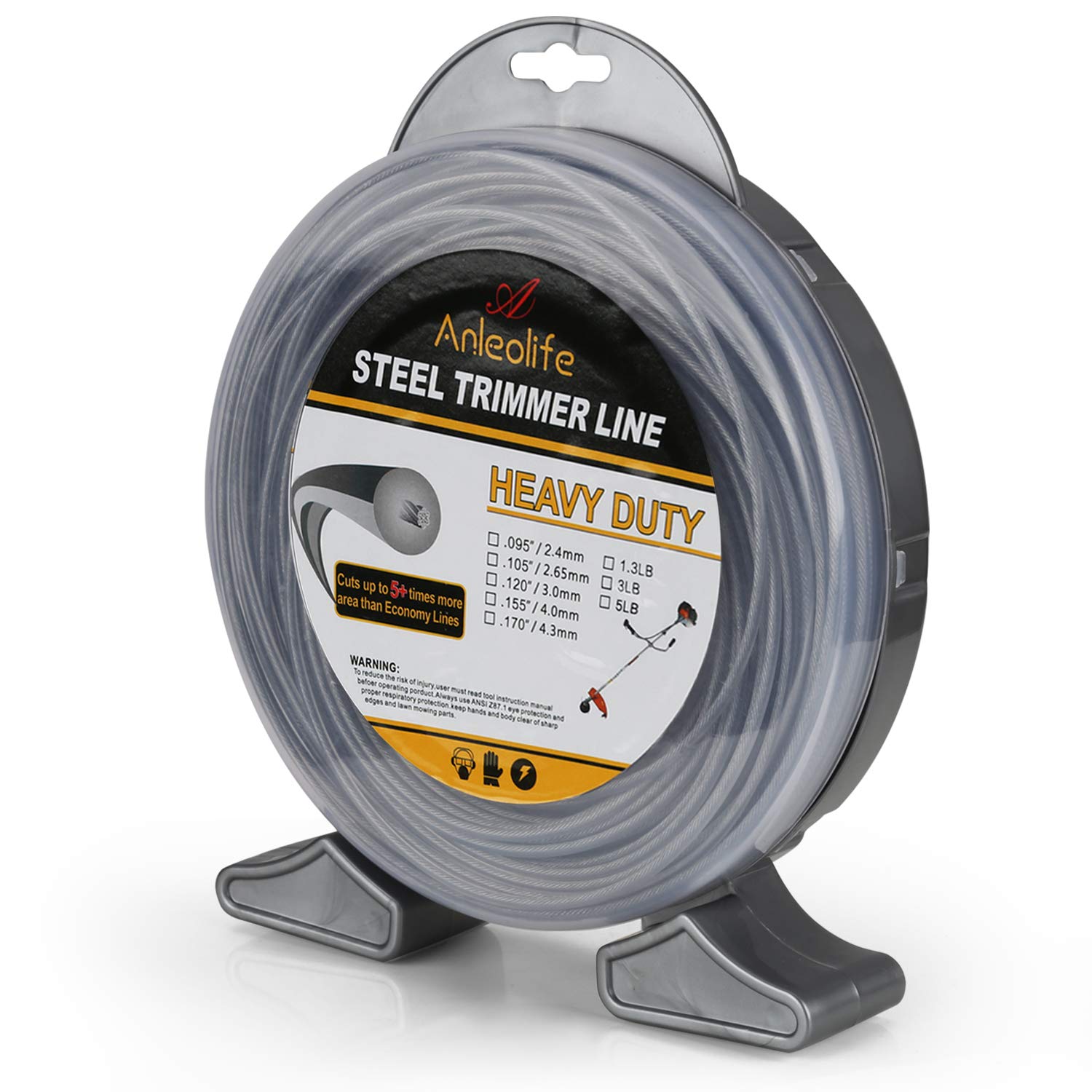
Ever noticed how quickly your trimmer line wears out on those tougher, more resilient weeds? You may have wondered if a thicker trimmer line could be the solution. Surprisingly, many professional landscapers have turned to this method to enhance efficiency and durability.
In the context of power, trimmer history shows that thicker lines weren’t always the norm. Over the past decade, a notable shift toward endurance-focused solutions has emerged. Recent studies have even shown that thicker lines can last up to twice as long as thinner ones, reducing the hassle of frequent replacements.

Can I Use Thicker Trimmer Line?
Using a thicker trimmer line can indeed be beneficial in several ways. One major advantage is that it tends to be more durable, lasting longer before needing replacement. This can save you both time and money. On the flip side, thicker lines may require a more powerful trimmer. It’s crucial to check your trimmer’s specifications to ensure compatibility.
Thicker trimmer lines are often used by professionals who need to cut through tough, overgrown areas. They handle heavy-duty jobs more efficiently. Public parks and large landscapes are often maintained with thicker lines due to their efficiency. For everyday gardening tasks, you might not need such heavy-duty equipment. However, it’s convenient if you frequently deal with thick weeds.
A common question is whether using a thicker line affects the trimmer’s performance. The answer is yes; it can make your trimmer work harder. According to this post, certain trimmers are specifically designed to handle thicker lines without breaking a sweat. Always consult your trimmer’s manual before making the switch.
Switching to thicker trimmer lines may also require adjustments to your trimming technique. You’ll need to maintain a steady hand and align the trimmer correctly. If you’re unsure, there’s plenty of advice online. For example, you can find tips and tools discussed in-depth in this article. Proper technique can maximize your trimmer’s efficiency and prolong its life.
Exploring the Advantages and Disadvantages
One key advantage of using a thicker trimmer line is its durability. Thicker lines can handle more wear and tear. They are less likely to break or get tangled. This means you spend less time replacing the line and more time trimming. This is particularly useful for professionals and those with large yards.
However, there are also disadvantages to consider. Thicker trimmer lines require more power. This can put extra strain on your trimmer. Over time, this may lead to increased wear and tear on your equipment. For some users, this might lead to higher maintenance costs.
Moreover, not all trimmers are designed to use thicker lines. Compatibility is essential for optimal performance. In some cases, using a line that’s too thick can void your warranty. According to this expert opinion, many users prefer thinner lines for light yard work due to ease of handling. Always check your trimmer’s manual for guidelines.
Ultimately, the choice between thick and thin lines depends on your specific needs. For heavy-duty tasks, a thicker line is likely beneficial. For routine garden maintenance, a thinner line might suffice. Keeping your equipment’s limitations in mind will help you make an informed decision. It’s all about finding the right balance for your yard’s demands.
Factors to Consider when Using Thicker Trimmer Line
When deciding to use a thicker trimmer line, the first factor to consider is compatibility. Not all trimmers are designed to handle thicker lines. Checking your trimmer’s manual can help you determine if it’s suitable. An incompatible line can cause malfunctions. It’s crucial to ensure your equipment is up to the task.
Another significant factor is the type of vegetation you’re dealing with. Thicker lines are perfect for cutting through dense and tough weeds. They offer more power and durability in challenging conditions. However, for lighter, everyday tasks, a thinner line might be more efficient. This distinction will inform your choice.
The power and age of your trimmer also play a role. Older trimmers may struggle with thicker lines. They may lack the power needed to cut efficiently. On the other hand, newer models often come with more robust engines. This can make them better suited for thicker lines.
You should also consider the cost of thicker trimmer lines. While thicker lines are generally more durable, they can also be more expensive. Balancing cost with benefits is essential. Purchasing in bulk may reduce expenses. This approach can help maintain a manageable budget.
The Impact of Thicker Trimmer Line on Trimmer Performance
Using a thicker trimmer line can significantly influence the performance of your trimmer. One of the main impacts is increased cutting power. Thicker lines are more effective at slicing through dense and tough vegetation. This makes them ideal for heavy-duty tasks. However, this increased power can come with trade-offs.
A notable disadvantage is the added strain on the trimmer’s motor. Thicker lines require more power to function properly. Over time, this can lead to faster wear and tear on the trimmer’s internal components. Frequent use with thicker lines may necessitate more regular maintenance. This aspect is crucial to consider for long-term use.
Another impact is on the trimmer’s handling and maneuverability. Thicker lines can make the trimmer heavier and harder to control. This might result in uneven trimming or a rougher finish. Users may need to adjust their technique to maintain control. Practicing with the new line can help in achieving better results.
The speed at which the trimmer operates can also be affected. Thicker lines tend to slow down the cutting speed. This may mean that tasks take longer to complete. However, the increased durability of the line can make up for this by reducing the frequency of line replacements. Balancing speed with efficiency is important.
Thicker lines can also influence the fuel efficiency of gas-powered trimmers. More power consumption often leads to higher fuel usage. This can increase operational costs over time. Electric trimmers may see a decrease in battery life. Both factors require careful consideration when switching to a thicker line.
Ultimately, the choice to use a thicker line should align with your specific gardening needs. Understanding the impact on performance will help you make an informed decision. Weighing the benefits against the potential drawbacks is key. This approach ensures you get the most out of your trimmer. Always remember to consult the trimmer’s manual for the best advice.
Frequently Asked Questions
Here are some commonly asked questions about trimmer lines, focusing on usage, types, and maintenance. These answers aim to provide clear and practical advice for optimal performance.
1. What types of trimmer lines are available?
There are several types of trimmer lines, including round, square, and twisted lines. Round lines are the most common, easy to reload, and suitable for simple yard work. Square lines have sharp edges that provide a cleaner cut, making them ideal for denser foliage. Twisted lines combine the benefits of both and reduce noise levels during operation.
The material also varies; nylon is often used due to its flexibility and strength. Some specialized lines contain added compounds like aluminum for extra durability. The choice depends on the specific needs of your trimming tasks. Always consult your trimmer’s manual before switching types.
2. How often should I replace my trimmer line?
The frequency of replacing your trimmer line depends on usage and the type of vegetation you tackle. For general home use in a small yard, you might need to replace it a few times per season. In contrast, professional landscapers who deal with thick shrubs may need more frequent changes.
Signs that it’s time to replace include frequent breaks in the line or reduced cutting efficiency. Always keep an eye on wear patterns for timely replacements to maintain optimal performance. Regular checks can save both time and effort in the long run.
3. Can using thicker lines damage my trimmer?
Using thicker trimmer lines can potentially strain your motor if it’s not designed for heavy-duty use. Thicker lines require more power which could lead to faster wear-and-tear on less robust motors.
Before upgrading to a thicker line, always review your trimmer’s specifications to ensure compatibility. Damage caused by improper use may void warranties or necessitate costly repairs.
4. Is it better to use pre-wound spools or wind my own trimmer line?
Pre-wound spools offer convenience as they are ready-to-use and reduce prep time significantly. They’re perfect for those who prefer quick replacements without hassle.
However, winding your own line is more economical in the long term since bulk trimmer line rolls cost less compared to pre-wound options. Additionally, self-winding allows better customization of length based on specific needs.
5. How do I properly store unused trimmer line?
The best way to store unused trimmer line is by keeping it in a cool, dry place away from sunlight exposure which can deteriorate the material over time.’
You can soak nylon-based lines in water occasionally to retain their flexibility during storage periods according this expert opinion. Proper storage ensures that you’ll have reliable materials ready when needed next season without any degradation issues affecting performance negatively.
Conclusion
Using thicker trimmer lines offers clear benefits such as enhanced durability and improved cutting power. However, it’s essential to ensure your trimmer is compatible to avoid undue stress on the motor. Balancing these advantages with potential drawbacks is crucial for making an informed decision.
By understanding both the technical and practical aspects of thicker trimmer lines, you can achieve optimal results in your yard work. Always consult your trimmer’s manual and consider your specific needs for the best experience. The right choice can save time, effort, and extend the life of your equipment.

I’m Patricia D. Johnson, an affiliate marketer and blogger specializing in trimmers and grooming tools. I create honest reviews, buying guides, and practical tips to help readers choose the right trimmer for their needs. With a focus on quality, performance, and value, I simplify the decision-making process so consumers can make confident purchases.