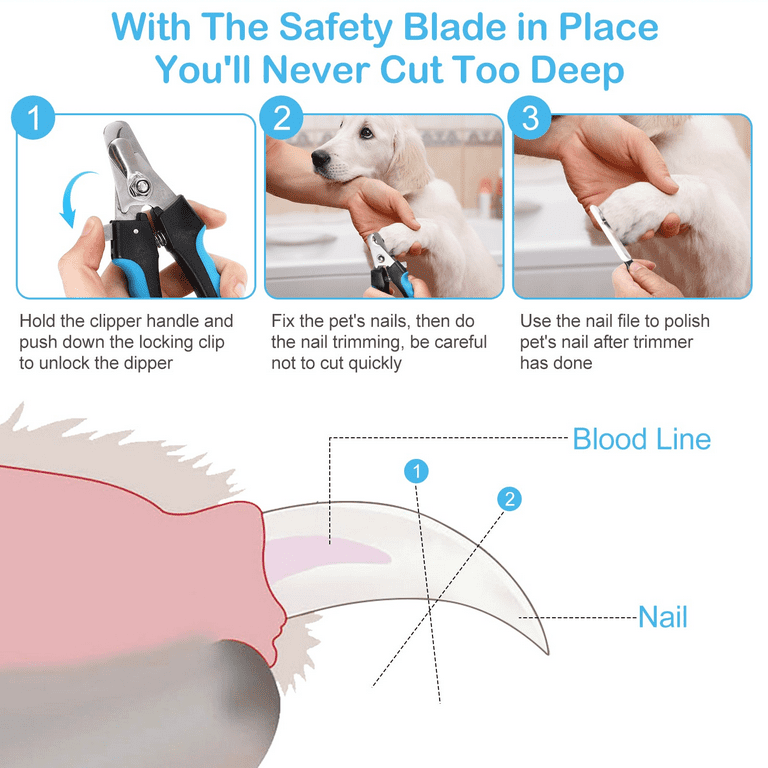
It’s intriguing how a simple device like a dog trimmer can transform grooming from a daunting task into an effortless routine. Each year, millions of pet owners face the challenge of maintaining their dog’s coat, but many are unaware that using a dog trimmer effectively can significantly reduce this burden. Understanding the nuances of this tool can lead to a more comfortable experience for both owners and their beloved pets.
Since the advent of modern pet grooming tools, dog trimmers have become indispensable for maintaining canine hygiene. Furthermore, a survey revealed that regular grooming can decrease parasitic infections by up to 60%. As experts, we know that selecting the right trimmer and using it correctly not only enhances efficiency but also ensures the pet’s well-being, making the grooming process smoother and safer.
- Choose the right trimmer for your dog’s coat type.
- Bathe and brush your dog to remove tangles.
- Trim in the direction of hair growth, starting from the neck.
- Check blade temperature to prevent burns.
- Use treats to keep your dog calm and cooperative.
- Clean and oil the trimmer after each use for maintenance.
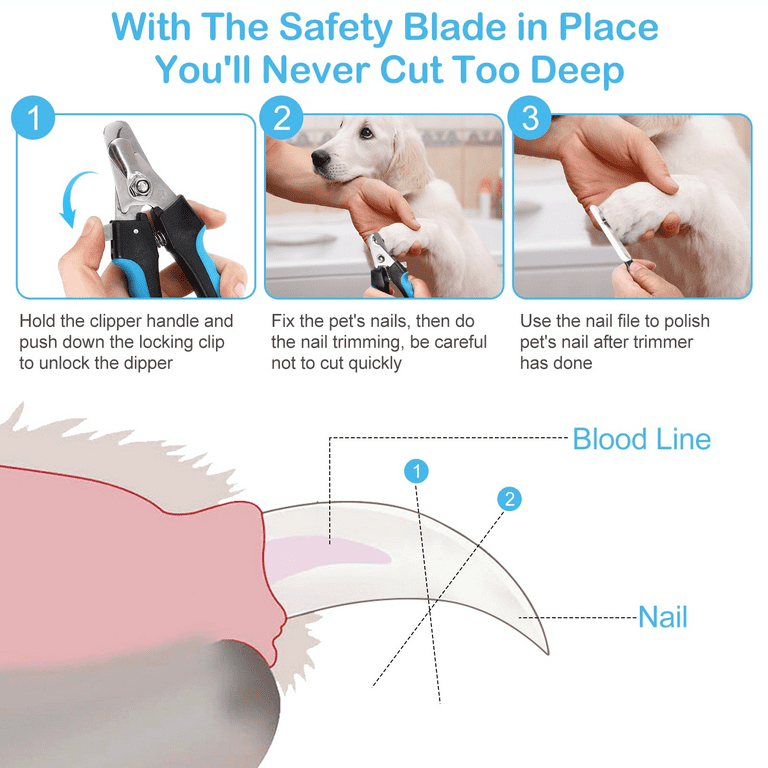
How to Use a Dog Trimmer?
To start, make sure you have the right dog trimmer for your pet’s coat type and size. Once you have the trimmer, give your dog a bath and brush its fur to remove any tangles or dirt. This pre-grooming step ensures a smoother trimming process. Make sure to use a quiet trimmer to keep your pet calm. Dry your dog thoroughly before you begin trimming.
Begin trimming by working slowly and keeping the trimmer’s blade flat against the dog’s skin. Move in the direction of hair growth to avoid any discomfort or irritation. Pay special attention to sensitive areas like the belly and behind the ears. Always check the blade for heat, as it can get warm. This helps prevent burns to your pet.
Regular breaks are essential during trimming sessions. This gives your dog time to relax. Reward your dog with treats to keep the experience positive. According to this post, keeping treats handy can make grooming less stressful. Always be patient and gentle with your pet.
After trimming, clean and oil the trimmer blades as per the manufacturer’s instructions. This prolongs the life of the trimmer. Here is the post about using oils like coconut oil for trimmers: this article suggests it’s a great choice. Proper maintenance ensures your trimmer remains efficient and safe for future grooming sessions.
Step 1: Selecting the Right Dog Trimmer
Choosing the right dog trimmer is crucial for an efficient grooming session. The first thing to consider is your dog’s coat type. Different trimmers are designed for fine, medium, or thick fur. Make sure to read the product details before purchasing. This ensures you’ll have a tool tailored to your dog’s needs.
Noise levels are another important factor. A quieter trimmer can help keep your dog calm during grooming. Look for models specifically labeled as low-noise or whisper-quiet. Your dog’s comfort should always be a priority. According to this expert opinion, a relaxed dog makes the grooming process smoother and safer.
Battery life and power are also key components. If you have a larger dog or one that takes longer to groom, you need a trimmer with a long-lasting battery. Cordless trimmers provide greater flexibility, but make sure they come with a good runtime. Check user reviews for real-life battery performance. This helps you avoid mid-session power failures.
Lastly, consider the trimmer’s ease of use and ergonomics. A lightweight, easy-to-handle trimmer can make the grooming process less tiring for you. Look for trimmers with adjustable blade lengths. These features allow customization for different parts of your dog’s body, enhancing both efficiency and safety.
Step 2: Preparing Your Dog for Trimming
Preparing your dog for trimming is as important as the trimming itself. Start by giving your dog a thorough bath. Clean fur makes trimming easier and gentler on the trimmer. Use a dog-friendly shampoo to avoid skin irritations. Dry your dog properly before you begin.
The next step is brushing your dog’s coat. This helps to remove any tangles or mats. Tangled fur can make trimming more difficult and uncomfortable for your pet. Use a suitable brush based on your dog’s fur type. Brushing also helps to relax your dog before the grooming session.
Choose a quiet and comfortable space for trimming. This reduces your dog’s anxiety levels. Avoid areas with a lot of noise or distractions. You might also want to put a non-slip mat on the floor. This ensures your dog feels secure while you trim.
Gather all necessary tools before you start. This includes the dog trimmer, comb, brush, and treats. Having everything in one place saves time. It also keeps you focused on the task. Finally, talk to your dog in a soothing voice to help them stay calm.
Step 3: Actual Trimming Process
The actual trimming process starts with making sure your dog is comfortable. Ensure your pet is in a relaxed position to minimize movement. Hold the dog’s body steady with one hand. Start trimming from the neck, moving down to the back. This method helps achieve an even cut.
Always move the trimmer in the direction of hair growth. This prevents pulling or irritating the skin. Use the trimmer’s guards to control the length of the cut. Switch to shorter guards for more detailed areas. Adjusting the guard helps avoid accidental cuts.
Pay extra attention to sensitive areas like the ears, paws, and tail. Use a slower speed to navigate these regions carefully. Double-check the blade temperature frequently. A hot blade can cause burns. Always keep a bottle of coolant spray handy.
An essential part of the trimming process is taking regular breaks. This not only helps your dog relax but also allows you to check your progress. Make any necessary adjustments during these intermissions. Offer treats and praise to keep your dog cooperative. This helps establish a positive association with grooming.
After the main trimming is done, go over the coat with a comb to find any missed spots. Trim these areas gently. Clean up any loose hairs with a final pass of the trimmer. A well-groomed dog should look even and feel comfortable. This ensures the grooming process has been effective.
Kicking off with a small section and gradually increasing the area can help manage any initial resistance. Here is a brief checklist to keep handy during the trimming:
- Re-check blade temperature
- Use plenty of treats
- Keep sessions short for restless dogs
- Ensure good lighting
These tips will help you achieve a smooth, hassle-free grooming experience.
Step 4: Post-trim Cleaning and Maintenance of Trimmer
After trimming your dog, it’s important to clean and maintain the trimmer. First, remove any hair stuck in the blades. Use a small brush to sweep away hair and debris. Follow up by wiping the blades with a cloth. Proper cleaning helps maintain the trimmer’s efficiency.
Next, oil the trimmer blades to keep them sharp and functional. Use a special trimmer lubricant, applying a few drops along the blade. Turn the trimmer on for a few seconds to evenly distribute the oil. This keeps the blades from rusting and extends their lifespan. Always refer to the manufacturer’s guidelines for specific maintenance tips.
An essential part of maintenance is battery care. For rechargeable trimmers, make sure to fully charge the battery after each use. Avoid letting the trimmer sit with a drained battery for long periods. This can reduce the battery’s lifespan. If it’s corded, check the cord for any signs of wear and tear.
Storing your trimmer correctly is also crucial. Keep it in a dry, cool place. Using a protective cover can shield the blades from dust and damage. Ensure the storage area is free from moisture. This prevents rusting and other forms of deterioration.
Keeping a routine maintenance schedule can make a big difference. Create a quick checklist to follow after each use:
- Clean the blades
- Oil the blades
- Charge or check the battery
- Store in a dry place
Following these steps ensures your trimmer remains in top condition, ready for the next grooming session.
Safety Measures in Using a Dog Trimmer
Ensuring safety while using a dog trimmer is paramount. Start by examining the trimmer for any visible damage. Damaged equipment can pose risks to both you and your dog. Check the blade for any nicks or dull spots. A sharp blade reduces the chance of pulling your dog’s fur.
Always hold your dog steady during the trimming process. Use one hand to control the trimmer and the other to keep your dog calm. This minimizes sudden movements that could lead to accidents. Also, start trimming in less sensitive areas to let your dog get used to the sensation. Gradual introduction can make the process smoother.
Blade temperature can be a hidden danger. Trimmer blades often get hot over time. Keep a coolant spray handy and apply it periodically. Alternatively, take frequent breaks to allow the blade to cool. This helps prevent burns and discomfort for your dog.
Pay close attention to your dog’s reactions during trimming. If your dog shows signs of distress, stop immediately. Reassess the area and equipment before continuing. Ensure that you are not pressing too hard or using the wrong guard. This approach ensures a safer grooming session.
Here are some quick safety tips to keep in mind:
- Inspect the trimmer before use
- Keep a firm yet gentle grip on your dog
- Monitor blade temperature regularly
- Be attentive to your dog’s reactions
By following these simple steps, you can ensure a safe and comfortable grooming experience for your pet.
Benefits of Regular Use of Dog Trimmer
Regular use of a dog trimmer offers numerous advantages for both the pet and owner. It ensures your dog’s coat is free from mats and tangles. This makes daily brushing easier and more comfortable for your furry friend. A well-groomed coat also allows better air circulation to the skin. This reduces the likelihood of skin infections.
Grooming with a dog trimmer can also help in early detection of health issues. Skin irregularities, lumps, or parasites become easier to spot when trimming regularly. This gives you a chance to address these problems early on. Early intervention is crucial for maintaining your dog’s overall health. Therefore, regular grooming can serve as a preventive measure.
An added benefit is that it strengthens the bond between you and your pet. Grooming sessions are an excellent opportunity for quality time together. Your dog will start associating these moments with positive reinforcement if you reward them with treats or praise during and after trimming sessions. This contributes to their emotional well-being.
Financially speaking, investing in a good-quality dog trimmer can save money in the long run. Frequent visits to professional groomers add up quickly, whereas having your own equipment minimizes these costs. Additionally, here is a small table showcasing the monthly savings:
| Professional Groomer Costs | DIY Grooming Costs |
|---|---|
| $50-$70 per session | $0 (after initial investment) |
In general, using a dog trimmer regularly provides physical and emotional benefits while also being economically smart.
Professional Advice for Efficient Use of Dog Trimmer
Experts recommend choosing the right trimmer to suit your dog’s specific fur type. Trimmers come with different blade lengths and power settings. Selecting the appropriate one ensures a smooth, efficient grooming session. It’s also advised to invest in a high-quality trimmer. This reduces the risk of blade dullness and uneven cuts.
Professionals stress the importance of preparation before grooming. This includes brushing out any knots or mats. Not only does this make the trimming process easier, but it also helps avoid discomfort for your dog. Ensure your dog is calm and well-behaved before you start. Creating a relaxed environment helps achieve better results.
Advice often highlights the significance of consistent grooming routines. Regular sessions keep your dog’s coat manageable and healthy. Aim for trimming every 4 to 6 weeks. Consistency not only makes each session quicker but also minimizes stress for your dog. It can be a good idea to maintain a grooming calendar.
Efficient use also involves mastering trimmer techniques. Hold the trimmer at a slight angle to the skin to avoid cuts. Experts recommend moving in a slow, controlled manner. Following the direction of hair growth is crucial. This technique prevents pulling and tugging, ensuring a painless experience for your pet.
Here are a few advanced tips from the pros:
- Keep multiple trimmer blade options for different areas
- Use a trimmer with low noise for anxious dogs
- Regularly oil the blades to maintain sharpness
- Practice trimming in small sections
Following professional advice can make grooming efficient and stress-free. This leads to a happier, well-groomed dog.
Frequently Asked Questions
Dog grooming can be puzzling for many pet owners. This section addresses some common questions to help make the process smoother and more enjoyable.
1. What type of dog trimmer should I use?
The type of dog trimmer you need depends on your dog’s coat. For thick coats, choose a high-power trimmer with durable blades. For thinner coats, a standard power trimmer will suffice. Always check product reviews and consult professionals if unsure.
Additionally, look for features like adjustable blade lengths and low-noise operation. These features make grooming easier and less stressful for your pet. Investing in a quality trimmer ensures better performance and longevity.
2. How often should I trim my dog’s fur?
The frequency of trimming depends on your dog’s breed and hair growth rate. Generally, most dogs benefit from a trim every 4 to 6 weeks. Regular trimming helps maintain a healthy coat and reduces shedding.
If your dog has a fast-growing coat or specific grooming needs, you may need more frequent trims. Keeping a consistent schedule also helps in spotting any skin issues early. Consult your vet or groomer for personalized advice.
3. Can I use human clippers on my dog?
Using human clippers on dogs is not recommended due to differences in design and motor strength. Dog trimmers are specifically tailored to tackle thicker animal fur without overheating or jamming. Here is the post.
Additionally, human clippers may pull or tug at your dog’s fur, causing discomfort or injury. This article .It’s always best to invest in specialized equipment designed for pets.
4. Is it safe to trim around sensitive areas like ears and paws?
Trimming around sensitive areas requires extra caution but is generally safe if done correctly.Use sharp, clean blades set at an appropriate length to avoid nicking the skin with light pressure.
.
The key is to go slowly and calmly so both you
Your dog remains relaxed.encouraging them before approaching those areas helps minimize stress,and safety be gentle
when hairs have significant clearance from skin.This reduces risks significantly.The aids ensuring guidance steadily through care sessions
.”
Conclusion
Using a dog trimmer efficiently requires the right tools and techniques. From selecting the appropriate trimmer to ensuring your dog is calm and comfortable, each step plays a crucial role. Regular maintenance of your trimmer also ensures it lasts longer and performs well.
With expert advice and regular practice, grooming your dog can become a simple and enjoyable routine. Not only will it keep your dog looking great, but it also strengthens the bond between you and your pet. Always prioritize safety and comfort to make grooming a positive experience for both you and your furry friend.

I’m Patricia D. Johnson, an affiliate marketer and blogger specializing in trimmers and grooming tools. I create honest reviews, buying guides, and practical tips to help readers choose the right trimmer for their needs. With a focus on quality, performance, and value, I simplify the decision-making process so consumers can make confident purchases.