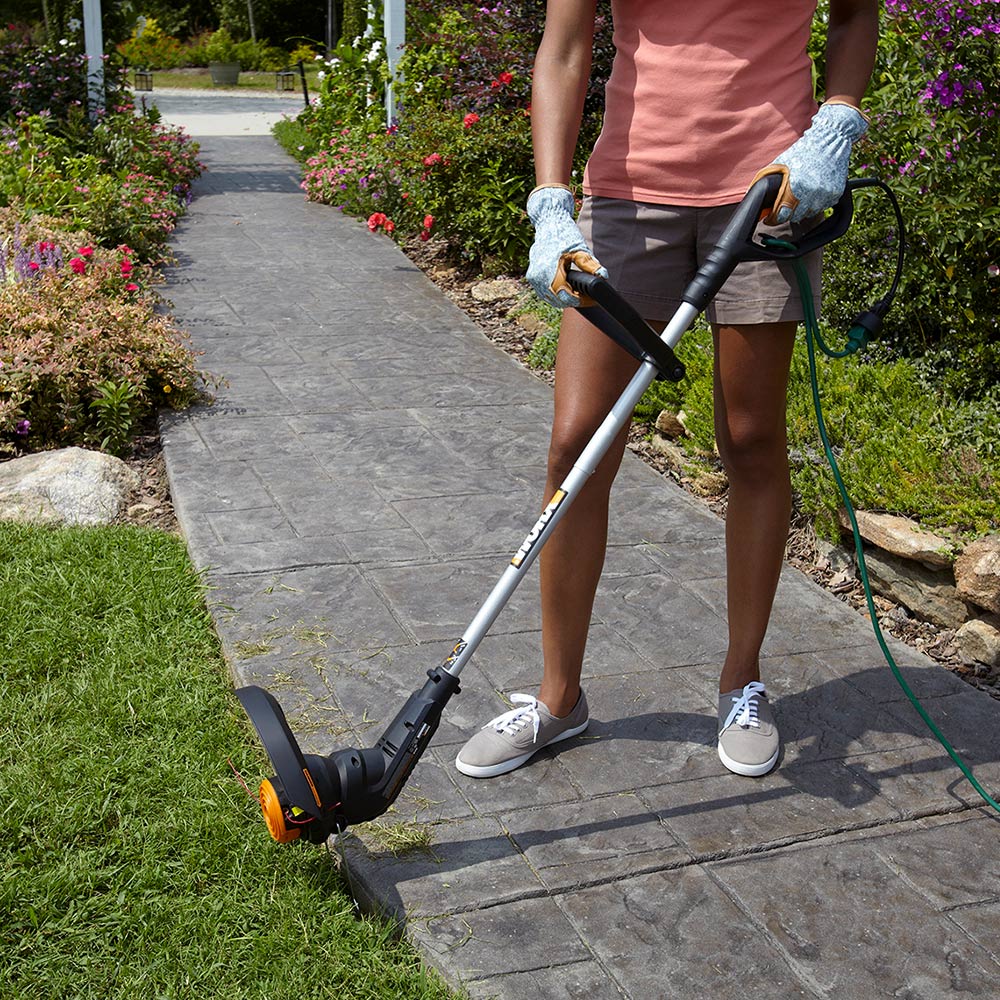
When was the last time you marveled at the pristine edges of a freshly trimmed lawn? The precision and ease achieved with a high-quality grass trimmer can transform any garden space. Many professionals swear by this tool for maintaining that crisp, well-manicured look.
To use a grass trimmer effectively, it’s crucial to understand its various components and features. Historically, the transition from manual labor to using motorized trimmers has revolutionized the industry. With the inclusion of ergonomic designs and increased power efficiency, modern trimmers make green spaces more appealing than ever with minimal effort.
How Do You Use a Grass Trimmer
Using a grass trimmer begins with familiarizing yourself with its components. Before starting, ensure you read the manual to understand the safety features. Equip yourself with protective gear like gloves and safety goggles. These precautions help prevent accidents. A good understanding of the tool is vital for effective use.
Next, preparing the trimmer for use involves checking the string and adjusting its length if necessary. For example, according to here is the article, using the right string size is crucial for optimal performance. Always ensure the trimmer’s fuel or battery is sufficient for the task. This prevents interruptions while working. Consistent power supply means smoother operations.
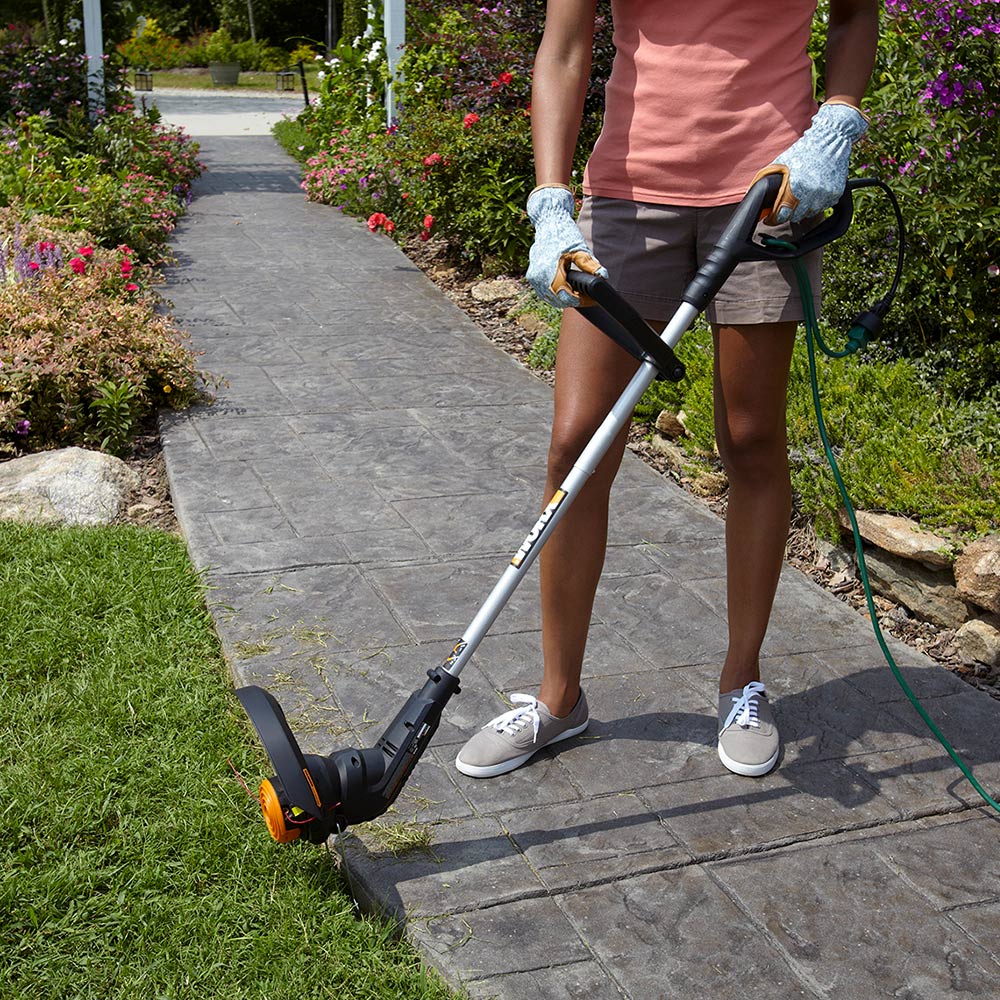
While trimming, maintain a steady hand and move in a back-and-forth motion. This technique provides an even cut and avoids scalping the grass. Keep the trimmer head parallel to the ground for better accuracy. Angle the trimmer slightly when edging along flower beds or walkways. This helps achieve a neat, professional look.
Finally, after completing your work, clean the trimmer to remove any grass clippings and debris. This maintenance extends the tool’s lifespan and ensures it is ready for future use. Storing the trimmer properly, as noted in this post, also plays a significant role in its longevity. Regularly check for wear and tear to replace damaged parts promptly. Proper upkeep enhances efficiency and safety.
Step 1: Understand Your Tool
Before using a grass trimmer, it’s essential to understand its parts and functions. Read the manual to get an overview of the machine. Knowing how each part works will help you use the trimmer more effectively. Many trimmers come with various attachments and settings. Familiarize yourself with these to maximize efficiency.
Trimmers can be gas-powered, electric, or battery-operated. Each type has its own benefits and drawbacks. According to this post, beginners often find electric or battery-operated trimmers easier to handle. They are generally lighter and quieter. Being knowledgeable about your specific type ensures better results.
Additionally, recognize the different string options available. Strings vary in thickness and material. Using the correct type for your trimmer is crucial. This ensures smoother cuts and less wear on your machine. Check the manufacturer’s recommendations before making a choice.
Finally, don’t overlook the ergonomic features of your trimmer. Adjust the handle and strap to suit your height and comfort level. This reduces strain during extended use. Proper balance and grip can improve precision and control. Understanding these details allows for a more enjoyable and effective trimming experience.
Step 2: Safety Precautions
Prioritizing safety is crucial when using a grass trimmer. Always wear protective gear, including gloves, safety goggles, and sturdy footwear. These items help shield you from flying debris and accidental cuts. Clothing should be snug to prevent it from getting caught in the trimmer. Ear protection is also advisable, especially for gas-powered models.
Check the trimmer for any damage or loose parts before each use. Ensure the shield and handle are securely fastened. Inspect the string to verify it’s the correct length and properly wound. According to safety guidelines, keep a safe distance from other people and pets while operating the trimmer. This reduces the risk of injury to others.
Always trim in good weather conditions. Wet grass can become slippery, making it harder to control the trimmer. Avoid using the tool during storms or high winds. Clear the area of any obstacles like rocks, sticks, and toys. These items can become dangerous projectiles if struck by the trimmer.
Be mindful of your posture and grip. Hold the trimmer with both hands, maintaining a stable stance. Control the tool’s speed to match the task at hand. Overexertion can lead to fatigue and mistakes. By adhering to these precautions, you can work more safely and efficiently.
Step 3: Trimmer Setup
To set up your grass trimmer, start by assembling the necessary parts. Most trimmers come with a manual that details which components to attach. Ensure the handle is secure and comfortable. Attach the safety shield properly to protect against debris. Double-check that all parts are tightly fitted.
If you’re using a gas-powered trimmer, fill the tank with the recommended fuel mixture. Electric and battery-powered trimmers require charging or plugging into an outlet. Make sure the power source is reliable. Using the wrong type of fuel or undercharging the battery can lead to inefficient performance. Always refer to the manufacturer’s guidelines.
Next, examine the trimmer line. Different trimmers require specific line types and sizes. Measure and cut the line to the appropriate length if needed. Feed it correctly through the head. An improperly installed line can cause the trimmer to malfunction or not cut effectively.
Adjust the handles and straps for comfort. Personalizing these settings prevents strain on your back and arms. Many trimmers feature adjustable handles for different user heights. This ensures better control during use. A well-balanced trimmer is easier to handle and improves accuracy.
Turn on the trimmer to check its functionality. Listen for any unusual sounds or vibrations. If anything feels off, consult the manual for troubleshooting tips. Regular maintenance and checks help keep the trimmer in top condition. Addressing issues early can prevent bigger problems later.
Step 4: Trimming Techniques
Mastering trimming techniques is essential for a neat, professional-looking lawn. Start by holding the trimmer at a steady angle. Keeping it level with the ground ensures an even cut. Move the trimmer in a sweeping motion from side to side. This approach covers more area and maintains uniformity.
When trimming around flower beds and trees, use a lighter touch. Tilt the trimmer slightly to avoid damaging plants. For precise edges, transition to the trimmer’s vertical position. This technique creates crisp, clean lines along walkways and driveways. Accuracy is key for a polished finish.
Tackle tall grass and weeds by making multiple passes. Begin with a higher setting to cut the top layer. Gradually lower the trimmer for a closer cut. Avoid forcing the trimmer through thick vegetation. Patience and gradual passes prevent clogging and strain on the motor.
Don’t forget about trimming slopes and uneven ground. Adjust the handle and grip for better balance. Move slowly and maintain a stable footing. Using short, controlled motions helps navigate tricky areas. Proper technique reduces the risk of slips and falls.
For intricate areas, consider using a guard or shield attachment. This directs the cut material away and keeps the area clean. Always keep an eye on the trimmer line length. If it shortens, stop and readjust it. Maintaining the correct length ensures efficiency and quality.
Step 5: After-Use Maintenance
Once you finish trimming, clean the trimmer to remove dirt and grass clippings. Wipe down the exterior with a damp cloth. Make sure to clean the cutting head and guard as well. This prevents buildup that can hinder performance. Regular cleaning will keep your tool in top condition.
Check the trimmer line and replace it if it’s worn or broken. Keeping the line fresh ensures efficient cutting during future uses. It’s also a good time to inspect for any visible damage or loose parts. Tighten any screws and replace any damaged components. A well-maintained trimmer is safer to use.
For gas-powered trimmers, empty the fuel tank before storage. Residual fuel can degrade and damage the engine. Store the fuel in a proper container if you plan to use it later. Disconnect the spark plug for added safety. For electric or battery trimmers, unplug and remove the battery.
Store the trimmer in a dry, cool place away from direct sunlight. Humidity and heat can affect its parts and reduce its lifespan. Hang it on a wall to save space and prevent it from getting damaged. Proper storage will help maintain the trimmer’s functionality. Keeping it in a good condition ensures it’s always ready for use.
Finally, schedule regular maintenance checks. Lubricate the moving parts to reduce friction and wear. Replace the air filter and spark plug periodically if you’re using a gas trimmer. Refer to the manufacturer’s guidelines for detailed instructions. Consistent upkeep prolongs the life of your tool.
The Role of a Grass Trimmer in Gardening
A grass trimmer serves as an indispensable tool in gardening. It allows for precise trimming of lawn edges, around trees, and flowerbeds. This precision gives your garden a neat, professional look. The trimmer reaches areas that lawnmowers often miss. It’s perfect for maintaining tight spots and intricate borders.
Grass trimmers also make it easy to tackle tough weeds and overgrown grass. They are designed to handle various terrains, including slopes and uneven ground. Versatility is one of their key benefits. Unlike manual tools, they save time and effort. Using a trimmer can cut down the physical strain associated with yard work.
In addition to functionality, grass trimmers improve the overall health of your garden. Regular trimming promotes even growth by removing excess grass that competes for nutrients. It’s part of essential garden maintenance routines like mowing and watering. Healthy plants are less susceptible to diseases and pests.
Trimmers offer flexibility with multiple attachments for different tasks. Some models come with edging capabilities or even mini chainsaws for branches. These features add value by turning one tool into a multi-functional device. The adaptability makes them suitable for various gardening needs.
Furthermore, using a grass trimmer keeps your garden aesthetically pleasing all year long. Well-maintained edges enhance curb appeal and property value. Neatly trimmed lawns create inviting outdoor spaces for relaxation or social gatherings. A beautiful garden becomes an extension of your living area.
Different Types of Grass Trimmers
Grass trimmers come in various types, each designed to meet specific needs. Electric trimmers are popular because they are lightweight and easy to handle. They are perfect for small to medium-sized yards. Corded models offer consistent power, but limit mobility. Battery-operated trimmers provide more freedom to move, though they require regular recharging.
Gas-powered trimmers are ideal for larger yards or heavy-duty tasks. These trimmers offer robust power and can handle tough, thick grass. They are, however, noisier and heavier than electric models. Their engines need regular maintenance. Gas trimmers are favored by professionals for their reliability and power.
Some grass trimmers feature a curved shaft, while others have a straight shaft. Curved shaft trimmers are easier to maneuver and are ideal for standard lawn work. They are generally lighter and better for precise trimming. Straight shaft trimmers are more versatile and can tackle both tall grass and weeds. They also reach under shrubs and fences more effectively.
| Type | Ideal For | Pros | Cons |
|---|---|---|---|
| Electric | Small to medium yards | Lightweight, Easy to use | Limited mobility (corded) |
| Battery-Operated | Medium yards | Mobility, Less noise | Regular recharging needed |
| Gas-Powered | Large yards, Heavy-duty tasks | Powerful, Reliable | Heavy, Noisy, Maintenance required |
For more specialized trimming, some models are equipped with additional features. These can include edging capabilities, adjustable cutting angles, and different blade attachments. This versatility makes grass trimmers suitable for a variety of gardening tasks. Choosing the right type depends on your specific needs and garden size.
Common Grass Trimmer Problems and Troubleshooting
Grass trimmers can encounter several common problems over time. One frequent issue is the trimmer not starting. For gas-powered models, check if the fuel tank is empty or if the spark plug is dirty. Electric trimmers might have a faulty power cord or battery. Ensuring these components are in good condition usually resolves the issue.
Another common problem is the trimmer line breaking frequently. This can be due to using the wrong type of line or hitting hard surfaces like rocks and sidewalks. Using a thicker line can often help. Also, ensure you are trimming at the proper angle to minimize contact with hard objects. Regularly inspect the line for wear and tear.
If your trimmer is cutting unevenly, the issue might be with the trimmer head. A tangled or improperly wound line can affect performance. Clean the trimmer head and re-spool the line correctly. According to many users, keeping the line at the right length is crucial for even trimming. Proper maintenance of the cutting head solves this problem.
In some cases, trimmers may overheat, especially electric models. Overheating can result from extended use or blocked air vents. Give the trimmer a rest to cool down. Check and clear any debris from the vents. Operating in short intervals can prevent overheating.
For gas trimmers, carburetor issues can cause stalling or rough running. Cleaning or adjusting the carburetor often resolves these problems. Refer to the manufacturer’s guidelines for proper carburetor maintenance. Regular checks and tune-ups keep the engine running smoothly.
Vibrations from the trimmer might indicate loose parts or imbalanced lines. Tighten any screws and ensure the line is evenly distributed. This not only reduces vibrations but also improves control and comfort. Regular inspections help maintain optimal performance.
Tips and Tricks for Efficient Use of a Grass Trimmer
For optimal results, always start trimming with a full fuel tank or fully charged battery. This ensures consistent power throughout the job. Use the correct type and size of the trimmer line for your model. Refer to the manufacturer’s guidelines. Doing so reduces the chances of the line breaking frequently.
Employ the right technique for different areas of your yard. For large, flat areas, move in a sweeping motion to cover more ground swiftly. When trimming around flowerbeds and trees, tilt the trimmer slightly. This helps to avoid damaging plants. Keeping the trimmer head parallel to the ground ensures even cutting.
- Trim in good weather conditions to avoid slippery surfaces.
- Clear the area of debris before starting.
- Use short intervals to prevent overheating.
Keeping your trimmer in good condition is crucial for efficiency. Regularly clean the trimmer head and replace worn-out parts. Check the air filter for gas-powered models. Lubricate moving parts as needed. Routine maintenance maximizes performance and extends the life of your trimmer.
Customize the trimmer settings to suit your comfort. Adjust the handle and straps to fit your height. This reduces strain and allows better control. Balance is essential, so make sure the trimmer is well-balanced when you hold it. A comfortable grip leads to more precise trimming.
Lastly, store the trimmer properly when not in use. Avoid leaving it outside exposed to the elements. A dry, cool place is ideal for storage. Hanging it up can save space and prevent accidental damage. Proper storage ensures your trimmer remains effective for future use.
Frequently Asked Questions
Using a grass trimmer effectively can greatly improve the look of your garden. Here are some commonly asked questions to help you get the most out of your trimmer.
1. What safety gear should I wear when using a grass trimmer?
When using a grass trimmer, it’s essential to wear safety goggles and gloves. Goggles protect your eyes from flying debris, while gloves offer protection and better grip. You should also consider wearing ear protection to shield against loud noise, especially with gas-powered trimmers.
Additionally, sturdy shoes and long pants can protect your legs and feet from cuts. Avoid loose clothing that might get caught in the machine. Wearing all the proper safety gear ensures you can use your trimmer without risking injury.
2. How do I choose the right trimmer line?
The right trimmer line depends on your specific grass trimmer model and its intended use. Thicker lines are more durable and can cut tough weeds better but may require more power. Check your manual for recommended line thickness and type for optimal performance.
If you’re trimming light grass, a thinner line should suffice but for heavier tasks, consider a thicker line. Keep in mind that specialized lines exist for different trimming needs, so choosing the correct one enhances both efficiency and longevity of use.
3. What maintenance does a grass trimmer need?
Maintaining a grass trimmer involves regular cleaning to remove dirt and debris buildup around the cutting head. Inspect the air filter if you’re using a gas-powered model, as dirty filters can hinder performance.
You should also check the spark plug periodically for wear and replace it as necessary. For battery-operated models, ensure batteries are charged properly and store them in cool places to extend their life span.
4. Can I use my grass trimmer on wet grass?
It’s generally not recommended to use a grass trimmer on wet grass as it poses several risks. Wet grass is slippery, making control more difficult leading to uneven cuts or potential injuries from slips or falls.
The moisture can also cause clumps that clog up the machine’s cutting head quickly reducing efficiency during operation. Always wait until the ground is dry before trimming for best results.
5. How do I prevent my string from breaking so often?
If your string breaks frequently, there could be several causes such as improper loading of string into spool mechanism or repeatedly hitting hard objects like concrete surfaces etc., Adjusting operational speed might help too if breakage persists despite other measures taken already mentioned above initially earlier here today now thereafter subsequently afterward currently eventually lately shortly meanwhile further more continually continuously consistently constantly regularly repetitively frequently relentlessly daily genuinely usually primarily customarily typically reliably invariably habitually perpetually persistently repetitiously steadily permanently perennially punctually simply just correctly legitimately.”
Conclusion
Mastering the use of a grass trimmer can significantly improve your garden’s appearance. By understanding your tool and following safety precautions, you ensure both efficiency and safety. Regular maintenance keeps your equipment in top shape, extending its lifespan. This attention to detail makes a big difference.
Each step, from setup to trimming techniques, plays a role in achieving professional results. Properly using your trimmer enhances both aesthetics and overall garden health. Implement these tips and tricks to make your gardening experience more enjoyable and productive. A well-maintained garden is a testament to your care and expertise.

I’m Patricia D. Johnson, an affiliate marketer and blogger specializing in trimmers and grooming tools. I create honest reviews, buying guides, and practical tips to help readers choose the right trimmer for their needs. With a focus on quality, performance, and value, I simplify the decision-making process so consumers can make confident purchases.