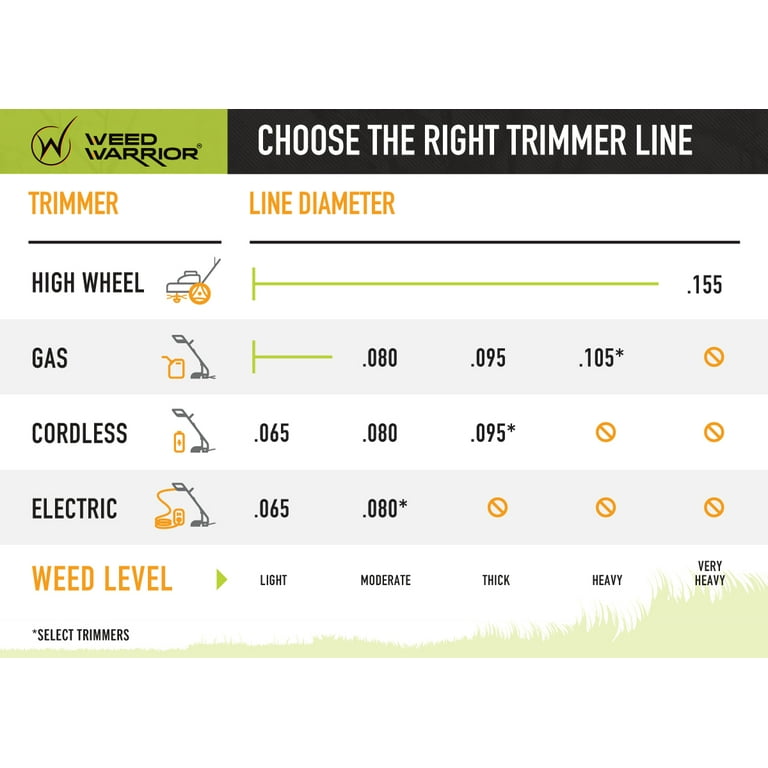
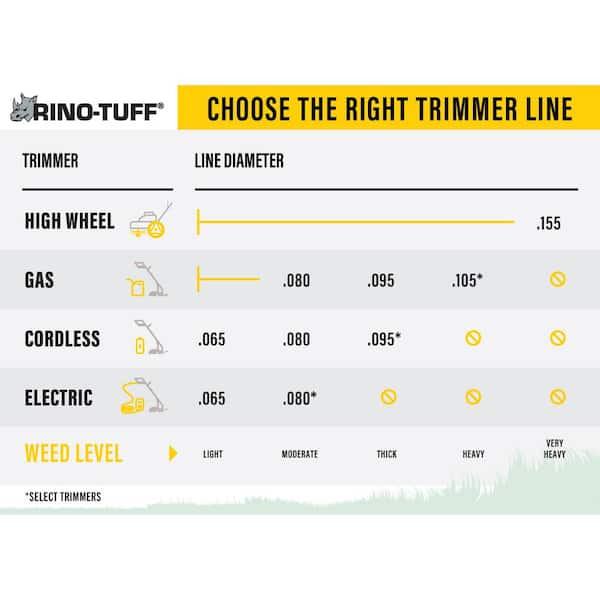
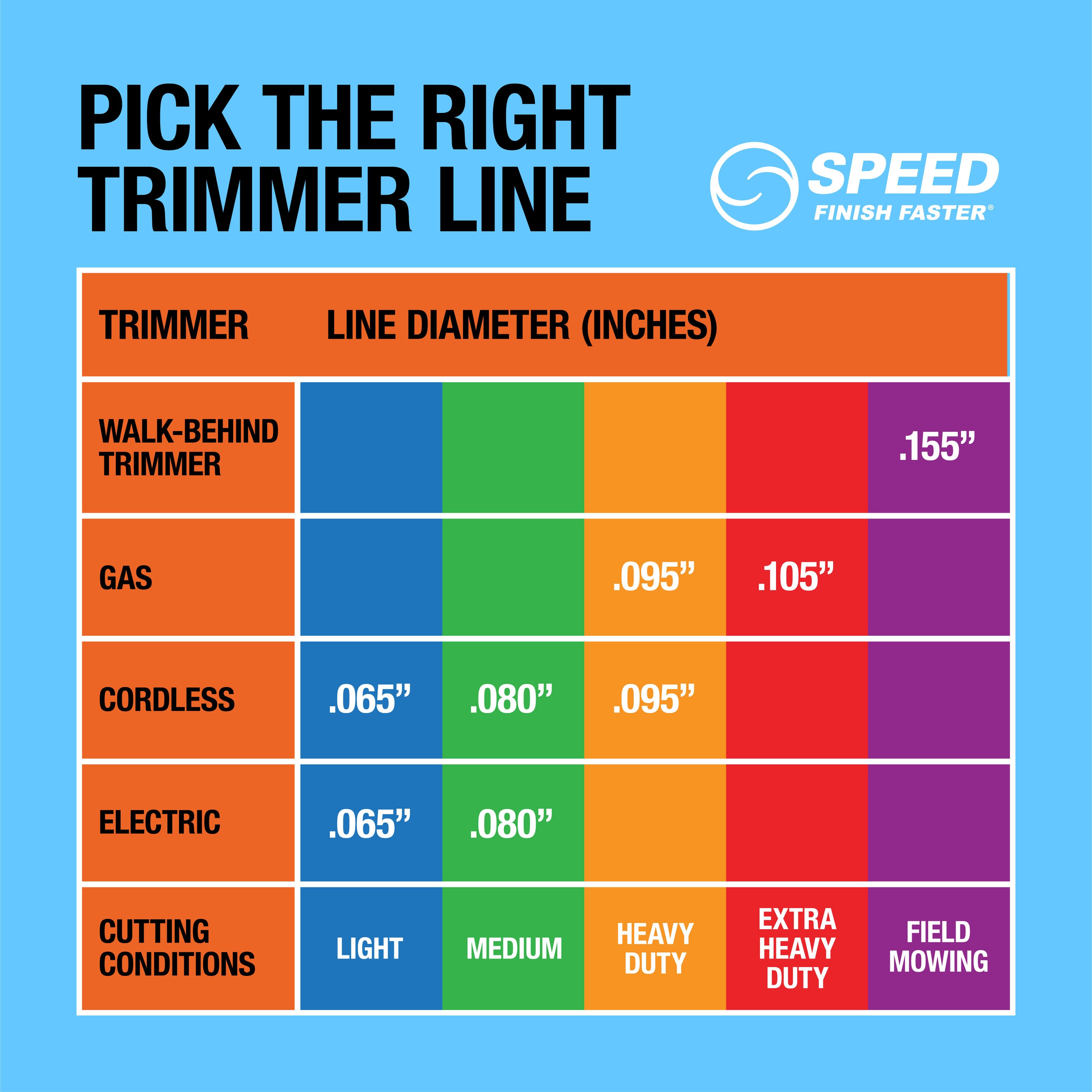
The correct trimmer line size depends on the type of work you are doing. For light work, use 0.065-0.080 inches; for heavy work, use 0.095-0.110 inches.
Choosing the right trimmer line size is crucial for efficient and effective lawn maintenance. Different tasks require different line thicknesses. Light trimming around the yard benefits from thinner lines, while thicker lines are ideal for tougher jobs like thick grass and weeds.
Using the appropriate line size not only improves performance but also extends the lifespan of your trimmer. Many factors influence the best choice, including the type of vegetation, the power of the trimmer, and the specific tasks at hand. Always refer to your trimmer’s manual for manufacturer recommendations.
Credit: www.walmart.com
Importance Of Trimmer Line Size
The size of your trimmer line plays a crucial role in yard maintenance. It affects the performance, cost, and efficiency of your trimmer. Understanding the importance of trimmer line size can help you choose the right one for your needs.
Impact On Performance
Trimmer line size directly impacts the performance of your trimmer. A thicker line can cut through tough weeds and thicker grass. A thinner line is better for light trimming and precision work. The right size ensures efficient cutting and reduces the chances of line breakage.
Using the wrong size can lead to poor performance and frequent line replacements. Always check your trimmer’s manual for the recommended line size. This ensures optimal performance and extends the life of your trimmer.
Cost And Efficiency
The size of the trimmer line also affects the cost and efficiency of your yard work. Thicker lines generally cost more but last longer. Thinner lines are cheaper but may require more frequent replacements.
Choosing the right size can save you money and time. Here’s a quick comparison:
| Trimmer Line Size | Cost | Durability | Best For |
|---|---|---|---|
| 0.065″ – 0.080″ | Low | Medium | Light Trimming |
| 0.085″ – 0.105″ | Medium | High | Thick Grass |
| 0.110″ and above | High | Very High | Heavy Weeds |
Choose a size that balances cost and efficiency for your specific needs. This ensures a smooth and cost-effective trimming experience.
Types Of Trimmer Lines
Choosing the right trimmer line can make your gardening easier. Different types of trimmer lines suit different tasks and trimmers. This section will help you understand the various types of trimmer lines available.
Round Line
The round trimmer line is the most common type. It is perfect for trimming grass and light weeds. Its round shape makes it durable and long-lasting. This type of line is less likely to break when hitting hard surfaces. It is also easy to install in most trimmers.
Square Line
The square trimmer line is ideal for tougher jobs. It has sharp edges that cut through thick weeds and grass. The square shape provides more cutting power and efficiency. This line is slightly less durable than the round line. It wears out faster when used on hard surfaces.
Twisted Line
The twisted trimmer line offers a balance between power and durability. Its twisted shape reduces noise and vibration. This line is perfect for heavy-duty trimming. It cuts through thick vegetation with ease. The twisted design also helps in reducing wind resistance.
| Type | Best For | Durability |
|---|---|---|
| Round Line | Light weeds and grass | High |
| Square Line | Thick weeds and grass | Medium |
| Twisted Line | Thick vegetation | High |
Determining Yard Needs
Choosing the right trimmer line size is crucial. It ensures efficiency and precision. You need to consider several factors. Each yard is unique. Let’s explore how to determine your yard needs.
Yard Size
The size of your yard impacts trimmer line choice. For small yards, a thin trimmer line works well. It is light and easy to handle. It also saves on fuel and energy.
For medium yards, choose a medium-sized trimmer line. It balances durability and efficiency. For large yards, a thicker trimmer line is best. It covers more area and lasts longer.
Vegetation Type
The type of vegetation also matters. For grass and weeds, a thin trimmer line is suitable. It cuts through soft plants easily. For thicker vegetation, a medium trimmer line works better. It handles tougher plants without breaking.
If you have dense brush or small shrubs, choose a thick trimmer line. It can cut through hard stems and branches. Always match the trimmer line to the vegetation type for best results.
| Yard Size | Recommended Trimmer Line |
|---|---|
| Small | Thin |
| Medium | Medium |
| Large | Thick |
- Thin trimmer line is best for grass and light weeds.
- Medium trimmer line handles tougher plants and weeds.
- Thick trimmer line is ideal for dense brush and small shrubs.
Gauge And Diameter
The gauge and diameter of your trimmer line are crucial. They determine the efficiency and effectiveness of your trimmer. Choosing the right size ensures optimal performance. Let’s explore the common sizes and how to select the right diameter.
Common Sizes
Trimmer line comes in various sizes. Each size serves a specific purpose. Here are the most common sizes:
- 0.065 inches: Suitable for light work. Ideal for small grass and weeds.
- 0.080 inches: Perfect for medium-duty tasks. Works well on thicker grass and weeds.
- 0.095 inches: Great for heavy-duty jobs. Best for dense grass and tough weeds.
- 0.105 inches: Used for very tough jobs. Handles thick brush and overgrown areas.
Choosing The Right Diameter
Choosing the right diameter is essential. Consider the type of work you need to do. Here’s a simple guide:
| Diameter | Best For |
|---|---|
| 0.065 inches | Light trimming, small yards |
| 0.080 inches | Medium yards, thicker grass |
| 0.095 inches | Large yards, heavy weeds |
| 0.105 inches | Overgrown areas, thick brush |
Use this guide to pick the right diameter. This ensures your trimmer works efficiently. Happy trimming!
Material Considerations
Choosing the right trimmer line is crucial. The material affects its durability and performance. Different materials offer various benefits. Let’s explore some common options.
Nylon
Nylon is a popular choice for trimmer lines. It’s known for its flexibility and strength. Nylon lines are good for general yard work. They can handle grass and light weeds. Nylon is also affordable. This makes it a favorite for home use. However, it may not last long in tough conditions. It can break on thick weeds or hard surfaces.
Composite
Composite trimmer lines combine materials. These lines are more durable than plain nylon. They often include materials like aluminum. This mix makes them stronger and longer-lasting. Composite lines are ideal for tougher jobs. They can cut through thick weeds and brush. They may cost more than nylon lines. But their durability offers better value in the long run.
Other Materials
Some trimmer lines use other materials for special needs. For example, there are lines with titanium. These are extremely strong and durable. They’re perfect for heavy-duty tasks. Another option is serrated lines. These lines have teeth for better cutting. They work well on dense vegetation. Some trimmer lines are made from biodegradable materials. These are eco-friendly but may not be as durable.
Compatibility With Trimmers
Choosing the right size trimmer line is crucial. It ensures your trimmer works efficiently. It’s important to match the line to your trimmer model. Using the wrong size can cause problems.
Matching Line To Trimmer Model
Each trimmer model supports specific line sizes. Refer to your trimmer’s manual for guidance. Usually, manuals list the recommended line sizes. This helps in choosing the correct diameter. Common trimmer line diameters include:
- 0.065 inches
- 0.080 inches
- 0.095 inches
- 0.105 inches
Using the correct size ensures optimal performance. It reduces the risk of damaging your trimmer.
Avoiding Damage
Using the wrong size trimmer line can cause damage. An oversized line can strain the motor. An undersized line may break easily. Both situations can lead to trimmer malfunctions. To avoid this, always check the manufacturer’s recommendations. A correct line size ensures a smooth operation.
Here’s a quick guide:
| Trimmer Line Size | Recommended Use |
|---|---|
| 0.065 inches | Light grass and weeds |
| 0.080 inches | Medium grass and weeds |
| 0.095 inches | Thicker grass and weeds |
| 0.105 inches | Heavy brush and thick weeds |
Ensure you always use the right size. This keeps your trimmer in good condition.
Tips For Trimmer Line Maintenance
Maintaining your trimmer line is crucial for efficient trimming. Proper care extends the life of your line, saving you time and money. Here are some essential tips for trimmer line maintenance.
Proper Storage
Proper storage of your trimmer line can extend its lifespan. Store the line in a cool, dry place to prevent it from becoming brittle. Avoid direct sunlight as UV rays can weaken the line.
Consider keeping the line in a sealed plastic bag with a damp sponge. This helps maintain the line’s flexibility. Keeping it moist prevents breakage and ensures optimal performance.
Replacement Frequency
Knowing when to replace your trimmer line is essential. A dull or broken line affects performance. Inspect your line before each use. Look for fraying, breaks, or thinning.
Replace the trimmer line if you notice any damage. A new line ensures efficient cutting and reduces strain on the trimmer. Regular replacement keeps your trimmer in top condition.
| Condition | Action |
|---|---|
| Brittle or Dry | Store with a damp sponge |
| Frayed or Broken | Replace immediately |
| Thinning | Replace for optimal performance |
Credit: www.homedepot.com
Environmental Impact
Choosing the right trimmer line impacts not just your lawn but also the environment. Traditional trimmer lines often contain materials that don’t easily decompose. They can harm the planet. This section will explore eco-friendly options and how to dispose of trimmer lines responsibly.
Eco-friendly Options
Opting for eco-friendly trimmer lines can make a significant difference. These lines are often made from biodegradable materials. They break down naturally, reducing waste. Some are even made from recycled materials.
- Biodegradable lines – These lines decompose naturally in the soil.
- Recycled materials – These are made from repurposed plastics.
- Natural fibers – Some lines use natural plant fibers.
By choosing these options, you help reduce plastic waste and environmental harm.
Disposal Tips
Proper disposal of trimmer lines is crucial. Here are some tips:
- Collect used trimmer lines – Gather all broken or worn-out lines.
- Check recycling guidelines – See if your local recycling center accepts them.
- Use designated disposal bins – Some stores have bins for old trimmer lines.
- Consider upcycling – Use old lines for gardening or crafting projects.
Following these steps ensures that trimmer lines don’t end up harming the environment.
Credit: www.lowes.com
Frequently Asked Questions
How Do You Determine Trimmer Line Size?
Determine trimmer line size by checking your trimmer’s manual. Match the line diameter to the power and type of your trimmer. Light-duty trimmers use thinner lines, while heavy-duty models need thicker lines. Always use the recommended line size for optimal performance and safety.
What Size Strimmer Line Should I Use?
Use a 0. 065-0. 085 inch line for light-duty tasks. For medium-duty, choose 0. 085-0. 110 inch. Heavy-duty tasks need 0. 110 inch or larger.
What Size Trimmer Line Is Best For Edging?
The best trimmer line size for edging is between 0. 080 and 0. 095 inches. This size offers durability and precision.
What Is The Difference Between .080 And .065 Trimmer Lines?
. 080 trimmer line is thicker and stronger, ideal for heavy-duty tasks. . 065 trimmer line is thinner, suitable for light trimming.
Conclusion
Choosing the right trimmer line size is essential for efficient lawn care. It ensures better performance and longevity of your trimmer. Always match the line size to your trimmer’s specifications. Proper maintenance and correct usage will save time and effort.
Make an informed decision to keep your yard looking pristine.