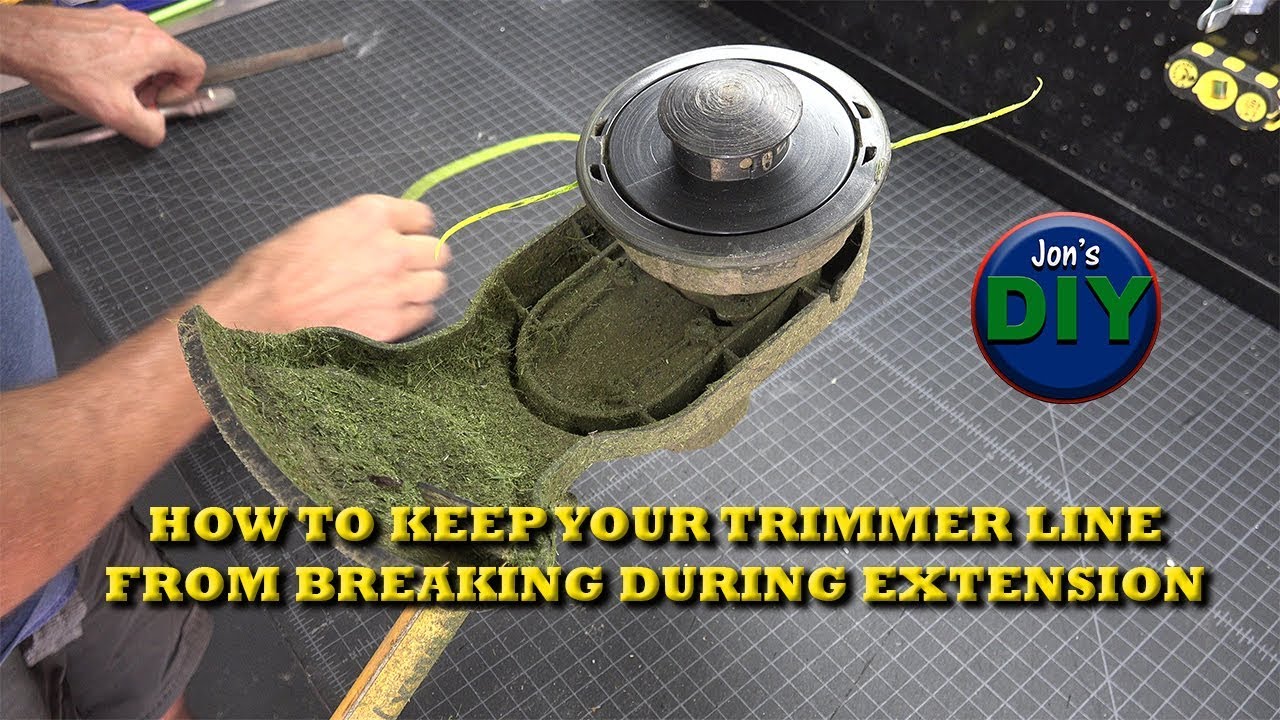
Your trimmer line keeps breaking due to incorrect size or improper use. Using the wrong type of line can also cause this issue.
A constantly breaking trimmer line can be frustrating. Ensuring you’re using the correct line size for your trimmer is crucial. Incorrect sizing can lead to frequent breaks. Always check the manufacturer’s recommendations for the appropriate line type. Another common cause is improper use, such as mowing against hard surfaces like rocks or walls.
This can wear down the line quickly, causing it to snap. Regularly inspect your trimmer head for any damage or wear. Proper maintenance and correct usage will extend the life of your trimmer line, saving you time and money.

Credit: brushdestructor.com
Common Causes Of Trimmer Line Breakage
Trimmer lines often break, causing frustration. Understanding the causes helps. Below are the common reasons for trimmer line breakage.
Contact With Hard Objects
Your trimmer line can break when hitting hard objects. These objects include rocks, fences, and tree trunks. Such impacts can quickly damage the line. Avoid trimming near these obstacles.
Incorrect Line Size
Using the wrong line size can cause breakage. Check your trimmer’s manual for the correct size. A line too thin will snap easily. A line too thick may not fit well. Ensure you use the right line for your trimmer.
Overheating Issues
Trimmer lines can break due to overheating. Overheating happens when the trimmer runs for too long. Take breaks to let the trimmer cool down. Also, check for tangled line as this can cause overheating.
| Cause | Solution |
|---|---|
| Contact with Hard Objects | Avoid trimming near rocks and fences. |
| Incorrect Line Size | Use the correct line size for your trimmer. |
| Overheating Issues | Take breaks to prevent overheating. |
- Inspect the area before trimming.
- Use the recommended line size.
- Pause to let the trimmer cool.
Choosing The Right Trimmer Line
Are you tired of your trimmer line breaking often? The type of trimmer line you choose can make a big difference. Selecting the right trimmer line can save you time and effort. Let’s dive into the key factors to consider.
Types Of Trimmer Lines
There are various types of trimmer lines available. Each type serves a different purpose.
- Round Trimmer Line: Best for light trimming tasks. It is durable and easy to use.
- Twisted Trimmer Line: Ideal for heavy-duty tasks. It reduces noise and vibration.
- Square Trimmer Line: Great for thick grass and weeds. It cuts efficiently and cleanly.
- Multi-sided Trimmer Line: Perfect for professional landscapers. It provides precise cuts.
Selecting The Proper Thickness
The thickness of the trimmer line is crucial. It affects the performance and durability.
| Thickness | Best For |
|---|---|
| 0.065-0.080 inches | Light trimming tasks |
| 0.085-0.105 inches | Medium-duty tasks |
| 0.110+ inches | Heavy-duty tasks |
Material Considerations
The material of the trimmer line also matters. Different materials provide different benefits.
- Nylon: Most common and affordable. Good for general use.
- Copolymer Nylon: More durable than standard nylon. Ideal for tougher jobs.
- Aluminum-Reinforced Nylon: Extremely durable and strong. Suitable for professional use.
- Composite Materials: Combines various materials for added strength. Best for heavy-duty tasks.
Proper Installation Techniques
Trimmer line breaking frequently can be frustrating. Proper installation techniques can help solve this problem. By ensuring the line is wound, secured, and untangled, you can reduce breakage.
Winding The Line Correctly
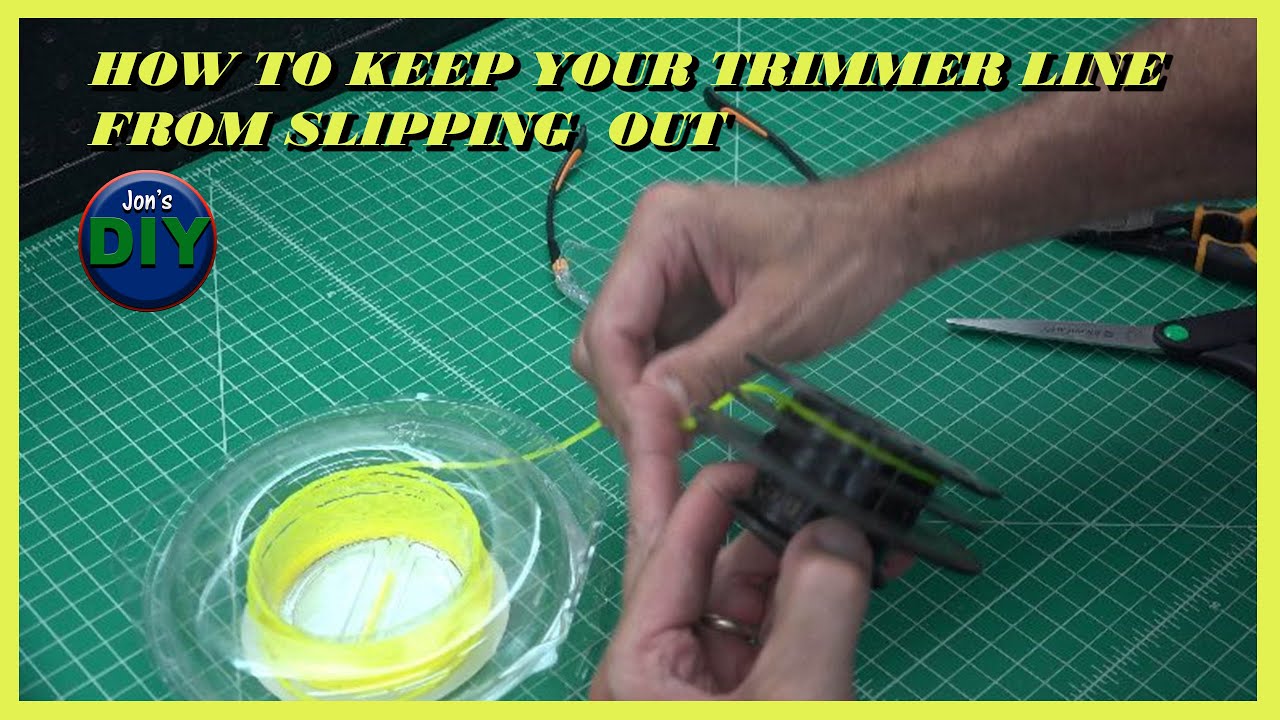
Winding the trimmer line correctly is crucial. Begin by cutting the line to the recommended length. Ensure both ends are even. Insert the line into the spool holes. Wind the line tightly and evenly.
- Cut the line to the recommended length.
- Ensure both ends are even.
- Insert the line into the spool holes.
- Wind the line tightly and evenly.
Securing The Line
After winding, secure the line properly. Tuck the ends into the retaining slots. This prevents the line from unwinding. A loose line can cause breakage.
- Tuck the ends into the retaining slots.
- Ensure the line is tightly wound.
- Check that the line is secure before use.
Avoiding Tangling
Tangling can weaken the line. Keep the line straight while winding. Do not overlap the line. Overlapping can cause tangles. Tangled lines break easily.
| Tips to Avoid Tangling |
|---|
| Keep the line straight while winding. |
| Do not overlap the line. |
| Check for tangles before use. |
Following these proper installation techniques can help reduce trimmer line breakage. Ensure the line is wound correctly, secured tightly, and free from tangles.
Maintenance Tips For Longevity
Maintaining your trimmer line properly can significantly extend its life. Regular upkeep ensures that your trimmer operates efficiently and reduces the need for frequent replacements. Here are some essential maintenance tips to help you achieve longevity for your trimmer line.
Regular Cleaning
Regular cleaning prevents debris buildup on your trimmer line. After each use, wipe the trimmer line with a clean cloth. This removes grass, dirt, and other residues. A clean trimmer line performs better and lasts longer.
Occasionally, soak the line in warm, soapy water. This helps to soften and clean the trimmer line thoroughly. Avoid using harsh chemicals that can weaken the line.
Inspecting For Wear
Inspecting for wear regularly ensures you catch potential issues early. Look for cracks, frays, or any signs of damage. A damaged line is more likely to break during use.
If you notice any wear, replace the affected section immediately. Using a worn-out trimmer line can damage your trimmer and reduce its efficiency. Keep a spare line on hand for quick replacements.
Storing Properly
Storing properly helps maintain the trimmer line’s integrity. Store your trimmer line in a cool, dry place. Exposure to extreme temperatures or moisture can weaken the line.
Use a storage box or hang the trimmer line to prevent kinks and tangles. Proper storage ensures the line remains straight and ready for use.
| Maintenance Tip | Action |
|---|---|
| Regular Cleaning | Wipe with a cloth; soak in soapy water |
| Inspecting for Wear | Check for cracks and frays; replace damaged sections |
| Storing Properly | Keep in a cool, dry place; use storage box |
Adjusting Trimmer Settings
If your trimmer line keeps breaking, adjusting the settings can help. Proper settings can extend the life of your trimmer line. Here are some key adjustments you can make.
Speed And Power Settings
Your trimmer’s speed and power settings affect line durability. High speed can cause the line to snap. Adjust the speed to a moderate level. This helps in reducing line breakage.
Check your trimmer’s manual for recommended settings. Different tasks need different speeds. For light trimming, use a lower speed. For thicker grass, a higher speed may be needed. Balance the speed to match the task.
Height Adjustments
The height at which you trim impacts line wear. Cutting too close to the ground can cause the line to hit hard surfaces. This leads to frequent breakage.
Adjust the trimmer head to a suitable height. Avoid trimming at the lowest possible setting. This ensures the line contacts only grass and not hard surfaces. Regularly check and adjust the height based on the terrain.
Handle Ergonomics
Handle ergonomics play a crucial role in trimmer performance. An uncomfortable handle grip can lead to improper use. This may cause the line to break often.
Ensure the handle is comfortable and easy to grip. Adjust the handle position to suit your height and reach. A proper grip reduces strain and ensures better control. This leads to fewer line breakages.
Credit: m.youtube.com
Using The Trimmer Correctly
Understanding how to use your trimmer properly can save you a lot of trouble. One of the main issues people face is the trimmer line breaking. This can be frustrating and time-consuming. But with the right techniques, you can avoid this common problem.
Trimming Techniques
Proper trimming techniques are crucial for maintaining your trimmer line. Always trim grass and weeds from the top down. This method puts less stress on the line. Avoid using excessive force. Let the trimmer do the work. Move the trimmer in a sweeping motion. This ensures even cutting and reduces stress on the line.
Avoiding Obstacles
Obstacles like rocks, fences, and thick branches can break your trimmer line. Always scan the area before you start trimming. Remove any visible obstacles. Trim around hard surfaces carefully. Use a slower speed when near obstacles to prevent line breakage.
Maintaining Consistent Speed
Keeping a consistent speed is important for the longevity of your trimmer line. Avoid sudden accelerations or decelerations. These can cause the line to snap. Use a moderate, steady speed for best results. If you need to trim thick grass or weeds, slow down gradually. This helps the line handle tougher materials without breaking.
| Issue | Solution |
|---|---|
| Line Breaking | Use proper trimming techniques |
| Obstacles | Scan and remove obstacles |
| Inconsistent Speed | Maintain a steady speed |
By following these simple steps, you can greatly extend the life of your trimmer line. Proper techniques, avoiding obstacles, and maintaining speed are key. Your trimmer will work more efficiently, and you will save time and frustration.
Environmental Factors
Understanding why your trimmer line keeps breaking can be frustrating. Environmental factors play a significant role in this issue. Let’s dive into how different weather conditions and surroundings affect your trimmer line.
Hot And Cold Weather Impacts
Extreme temperatures can weaken your trimmer line. In hot weather, the line can become soft. This makes it more prone to breaking. In cold weather, the line can become brittle. Brittle lines snap easily, causing frequent breaks.
Moisture And Humidity
Moisture and humidity also affect trimmer lines. Wet conditions can make the line swell. Swollen lines are more likely to break. High humidity can lead to similar problems. Always store your trimmer in a dry place to avoid these issues.
Impact Of Debris
Debris like rocks and sticks can cause significant damage. When the trimmer line hits debris, it can snap instantly. To minimize this, clear the area of debris before trimming. This will help keep your trimmer line intact longer.
Upgrading Your Trimmer
Is your trimmer line always breaking? It might be time for an upgrade. Upgrading your trimmer can solve many issues. A better trimmer can save you time and effort.
When To Consider A New Trimmer
When should you think about a new trimmer? Look for these signs:
- Your current trimmer is old.
- It often breaks or malfunctions.
- The trimmer line breaks frequently.
If you see these signs, a new trimmer might help. A new trimmer can make yard work easier and faster.
Features To Look For
What features should you seek in a new trimmer? Here are some key points:
| Feature | Why It’s Important |
|---|---|
| Durable Line | A durable line lasts longer and breaks less. |
| Powerful Motor | A powerful motor cuts through tough grass. |
| Comfortable Handle | A comfortable handle makes trimming easier. |
| Lightweight Design | A lightweight design is easier to carry. |
These features can make a big difference. They can improve your trimming experience.
Cost Vs. Benefits
Is a new trimmer worth the cost? Think about the benefits:
- A new trimmer can save time.
- It can reduce frustration.
- It can make your yard look better.
A new trimmer might cost more, but the benefits can be worth it. Consider the long-term advantages. A better trimmer can make yard work enjoyable.

Credit: www.reddit.com
Frequently Asked Questions
Why Does A Trimmer String Keep Breaking?
A trimmer string breaks frequently due to hitting hard surfaces, incorrect string size, or excessive wear. Ensure proper usage.
How Long Should A Trimmer Line Last?
A trimmer line typically lasts 3 to 6 months, depending on usage, material quality, and cutting conditions. Regular maintenance extends its lifespan.
How To Stop Strimmer Wire From Breaking?
Use high-quality, durable strimmer wire. Trim at a slight angle. Avoid hitting hard surfaces. Keep the wire short. Regularly check for wear.
How Can I Make My Trimmer Line Last Longer?
To make your trimmer line last longer, avoid striking hard surfaces. Use a thicker line, and trim in dry conditions. Store trimmer line in a cool, dark place. Soak it in water before use to maintain flexibility.
Conclusion
Understanding why your trimmer line keeps breaking can save you time and frustration. Regular maintenance and choosing the right line are key. Avoid obstacles and use proper techniques to extend the life of your trimmer line. By following these tips, you’ll enjoy a smoother trimming experience and a well-kept lawn.