
Can You Use a Body Trimmer on Your Face?
You can use a body trimmer on your face. It is not the best choice for facial hair. Facial skin is finer and more sensitive than body skin. Body trimmers suit large areas and coarse hair. A facial trimmer gives more precision and care.
Using the wrong tool can cause cuts and irritation. It can also spread germs to your face. The right tool keeps skin calm and smooth. A dedicated facial trimmer suits the job best. This guide explains the risks and safe steps.
Later sections explain design, safety, and expert views. Pros, cons, and techniques follow after those. Tools and care tips close the guide at last. Careful habits keep grooming safe and smooth always. Small routines deliver clean results every single time.
Quick answer: Yes, you can use a body trimmer on your face. It is not ideal for fine facial hair. Body trimmers suit coarse hair and large areas. Facial skin needs finer blades and more care. Use a clean facial trimmer for the best results.
Can You Use a Body Trimmer on Your Face? The Short Answer
A body trimmer can cut facial hair in a pinch. It lacks the fine control facial skin needs. Wide blades cover large areas fast at home. Fine facial hair needs narrow, sharp blades. The sections below explain the key differences.
Why It Seems Tempting
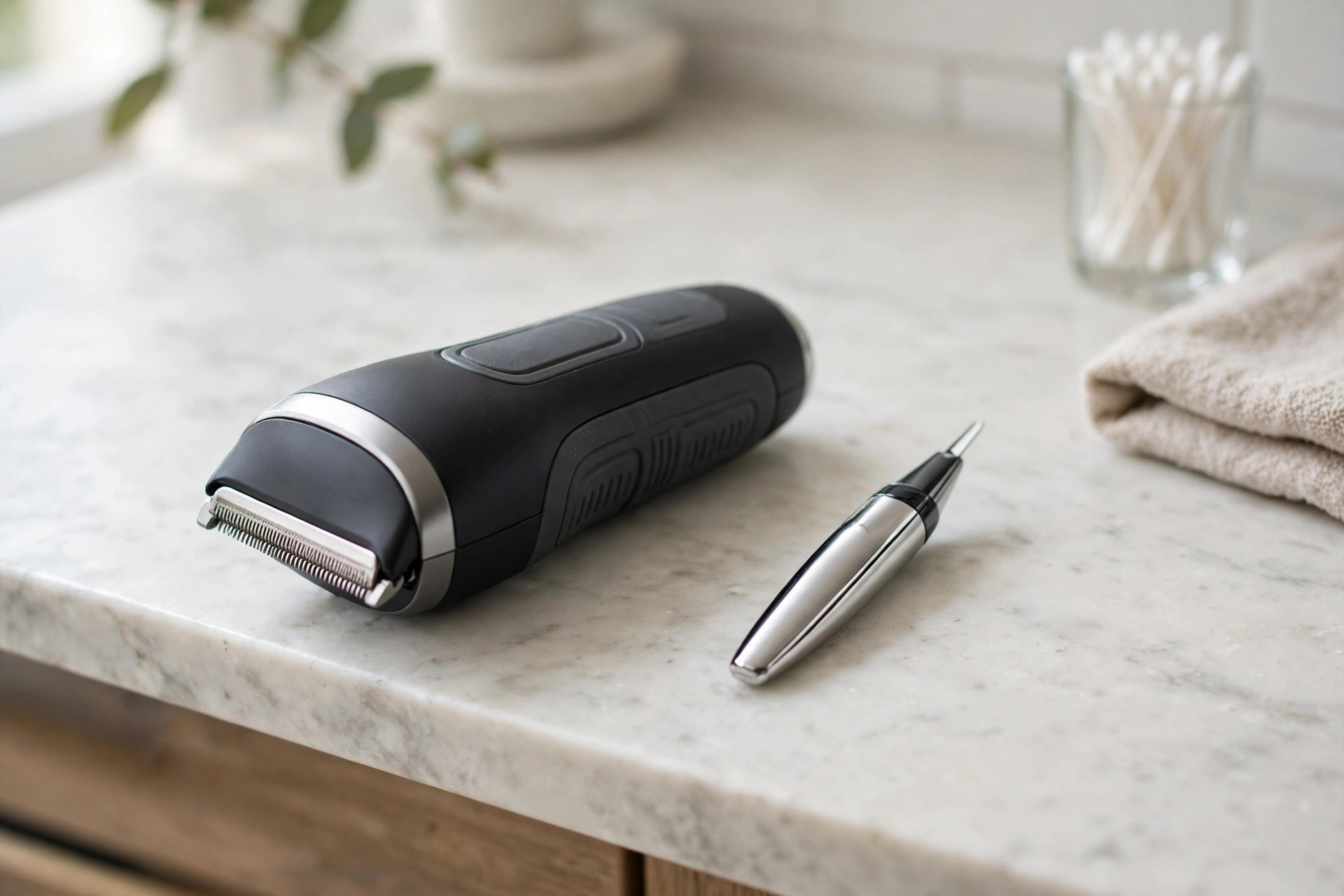
One tool for body and face saves money. It also saves space in a small bathroom. You already own the tool and know it. That ease can hide real risks for skin. Our body trimmer guide explains body grooming in detail.
Differences Between Body and Face Trimmers
Body and face trimmers differ in size and blades. Body trimmers are large and built for speed. Face trimmers are small and built for detail. The blade width sets the tool apart most. The table below shows the design differences clearly.
Design Variations
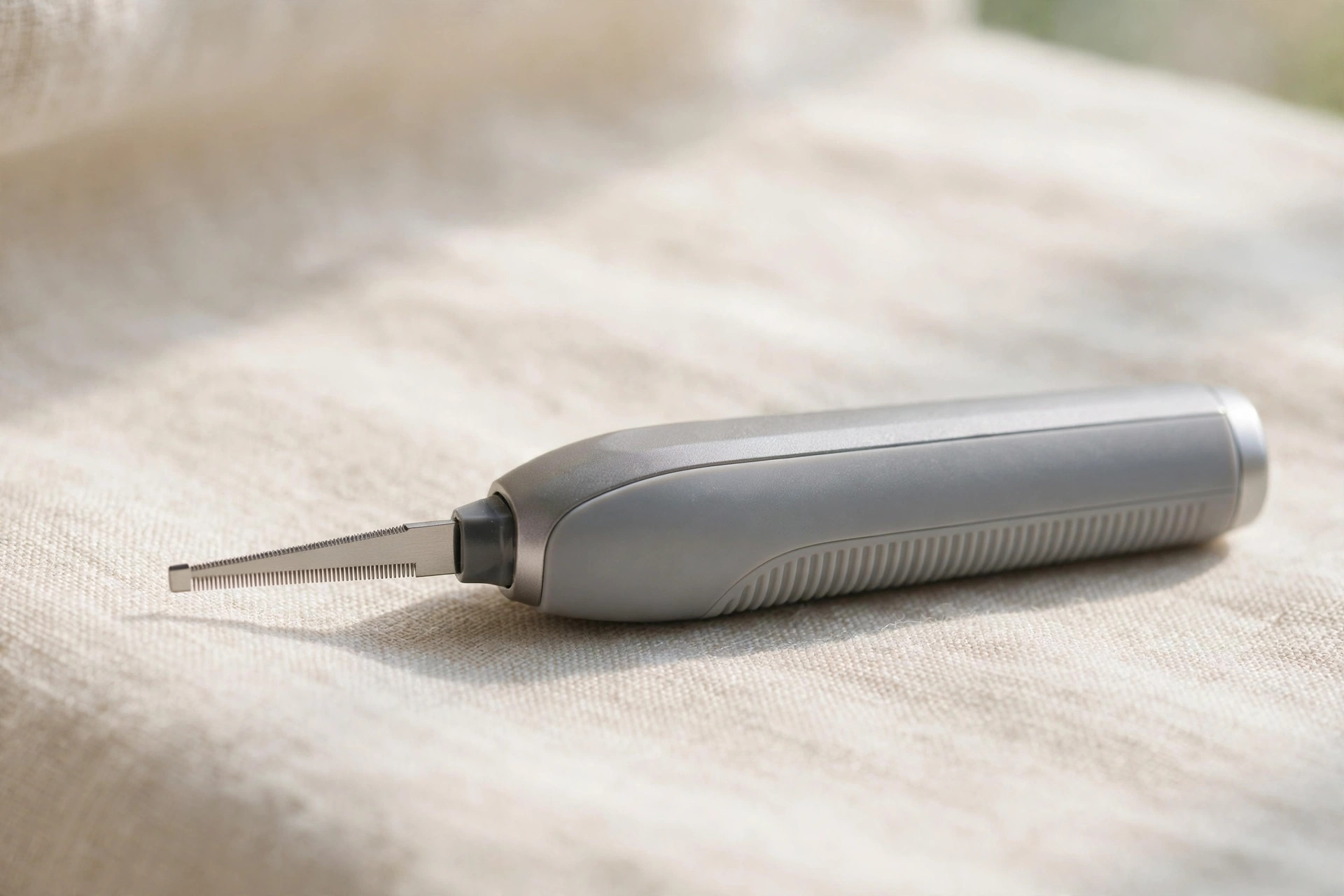
Body trimmers use large frames and wide grips. They cover more skin with each pass. Face trimmers use compact frames for tight spots. They reach the nose, ears, and jaw with ease. Our precision trimmer guide explains detail work for edges.
| Feature | Body Trimmers | Face Trimmers |
|---|---|---|
| Size | Larger | Smaller |
| Handle | Ergonomic grip | Compact design |
| Precision | Lower | Higher |
Blade Differences
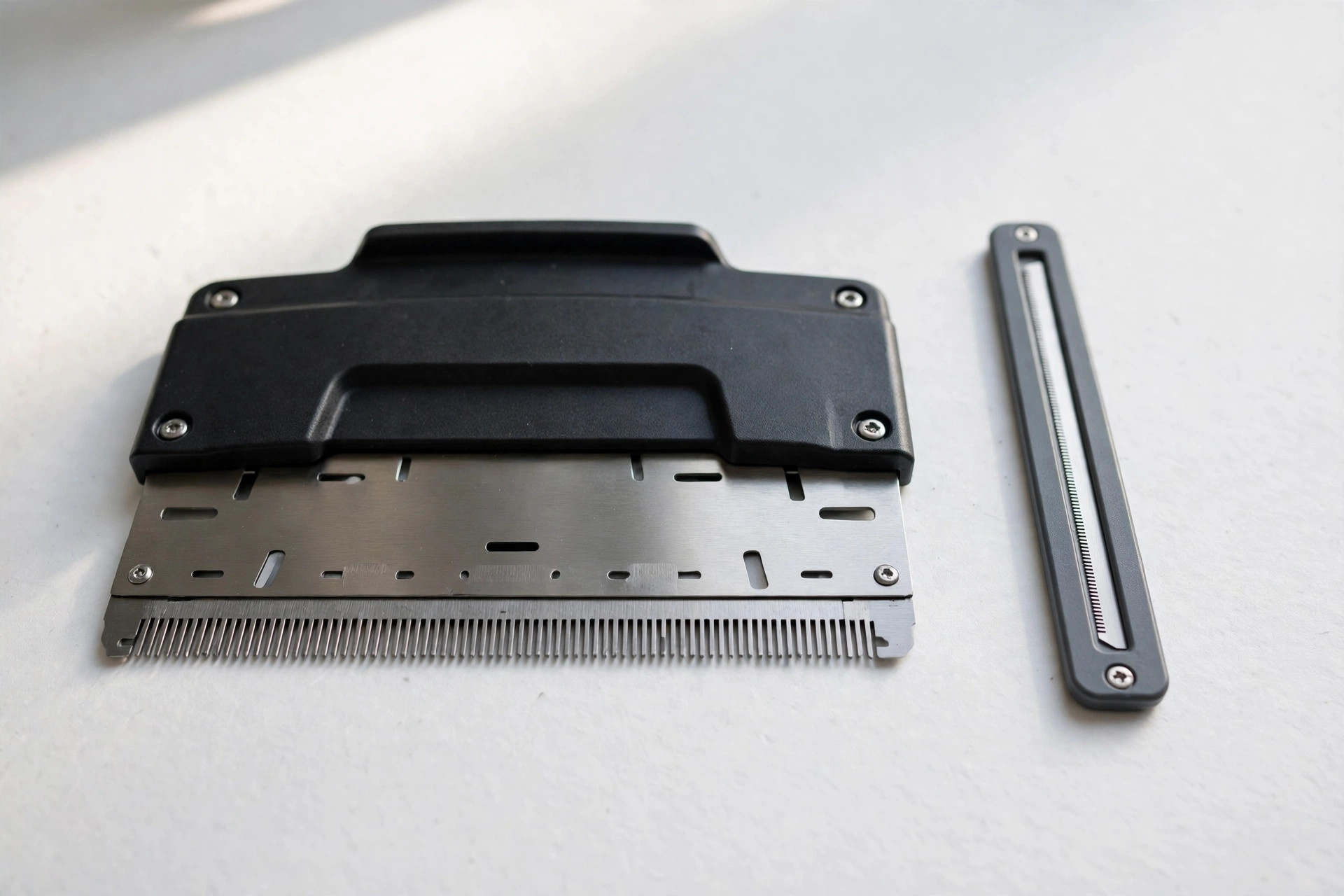
Body blades are wide and built for coarse hair. They cut fast without clogging on thick hair. Face blades are fine and sharp for soft skin. Narrow teeth reach delicate areas with care. The Philips OneBlade page shows one versatile trimmer option too.
Safety Concerns
Facial skin reacts faster than body skin does. Body trimmers can cut, nick, and irritate it. Germs from body use can reach your face. That can cause breakouts and infections on your face. The table below compares the risks side by side.
Skin Sensitivity
Facial skin is thinner than the skin elsewhere. Body trimmers suit thicker skin with wide blades. Wide blades can nick delicate facial skin. Cuts can sting and leave marks for days. Our cut safety guide explains how to avoid nicks and cuts.
Risk of Irritation
Redness, itching, and swelling signal skin irritation after trimming. A dirty trimmer can spread germs to skin. Germs can cause acne and infections on faces. Clean tools lower that risk a great deal. The table below lists each factor and risk.
| Factor | Facial Trimmers | Body Trimmers |
|---|---|---|
| Blade Size | Smaller, precise | Larger, less precise |
| Skin Sensitivity | Designed for delicate skin | Designed for thicker skin |
| Risk of Irritation | Lower | Higher |
| Hygiene | Usually more hygienic | Potentially less hygienic |
What Skin Care Guidance Says
Skin care guidance warns against body trimmers on faces. Facial skin is delicate and needs fine blades. Body trimmers can cause irritation and cuts. They can also spread germs that cause breakouts. The table below lists the main reasons clearly.
Key Reasons for Caution
Sensitive skin reacts fast to wide blades. Wide blades can nick and cut soft skin. Shared trimmers can spread germs to faces. A facial trimmer gives a safer, closer trim. Check the manual before you rinse any trimmer.
| Reason | Description |
|---|---|
| Skin Sensitivity | Facial skin is more sensitive than body skin |
| Risk of Irritation | Body trimmers can cause irritation and cuts |
| Hygiene Issues | Trimmers can spread bacteria, causing breakouts |
Careful Use Can Help
Some groomers use body trimmers with care. Clean, sharp blades lower the risk a lot. Gentle strokes protect the skin from nicks. Facial tools still give a safer result. Keep blades clean and sharp at all times.
Pros and Cons
One tool can serve both body and face. That saves money and space at home. Yet the risks can outweigh the savings. Wide blades lack fine control for faces. The table below weighs both sides fairly.

Advantages of Using Body Trimmers
Body trimmers handle many hair types with ease. One tool for body and face saves money. Ergonomic grips make them easy to hold. They suit beginners who want one simple tool. Our sharpening guide explains how to keep blades keen.
Potential Drawbacks
Facial skin may turn red and sore fast. Wide blades miss fine detail around the nose. Shared use can spread germs to the face. Uneven cuts can spoil a neat look. Our oiling guide explains blade lubrication for smooth use.
| Pros | Cons |
|---|---|
| Versatility | Skin Irritation |
| Cost-effective | Precision Issues |
| Ease of Use | Hygiene Concerns |
Proper Techniques
Safe use starts with clean skin and light hands. Wash your face and dry it fully first. Start with a long guard to avoid cutting short. Work in small sections under bright light. The steps below walk you through the routine.

Preparation Steps
Wash your face with a gentle cleanser first. Pat it dry with a clean towel to stop slips. Pick a trimmer with adjustable settings for faces. Trim in a bright room with a clear mirror. Our cleaning guide covers careful cleaning routines for tools.
Trimming Methods
Start with a longer guard to stay safe. Move against the grain for a closer cut. Work in small sections and check the mirror. Finish with short settings around the edges. Move slowly and let the trimmer do the work.
Alternative Tools
Better tools exist for facial grooming at home. Face trimmers offer fine blades and safe control. Manual razors give a close shave with skill. Each tool suits a different need and budget. The sections below compare the main options.
Face-Specific Trimmers
Face trimmers suit delicate facial hair best. They use fine blades for close, safe cuts. Guards target brows, nose, and beard with ease. Some models add a vacuum for stray hairs. Our blade lifespan guide explains when to swap worn blades.
Manual Razors
Manual razors give a close shave with care. Disposable razors suit travel and quick trims. Cartridge razors swap blades with ease at home. Safety razors give a close, green shave. Always use cream and swap blades on time.
Maintenance Tips
Care keeps any trimmer safe for your face. Clean the blades after each use without fail. Replace dull blades before they tug at hair. Store the tool dry and out of damp rooms. The table below lists care tasks and timing.

Cleaning the Trimmer
Brush hair and debris off the blades each time. Wipe the body with a damp cloth after use. Rinse the blade only if the manual allows it. Let the trimmer dry fully before you store it. A clean trimmer cuts better and stays hygienic.
| Maintenance Task | Frequency |
|---|---|
| Cleaning the Trimmer | After every use |
| Blade Replacement | Every 3–6 months |
Blade Replacement
Dull blades tug hair and irritate the skin. Most trimmers swap blades with one click. Turn the trimmer off before you swap blades. Test the new blade before your next trim. See the manual for your model each time.
Frequently Asked Questions
These answers repeat this guide’s own points only. They follow the same steps explained above closely. Short answers close the guide at the end. Read them before you trim your face at home.
Can we use the same trimmer for face and pubes?
No, sharing one trimmer is not a good idea. It can spread germs and cause infections. Use a separate clean trimmer for each area. Clean tools well after each use without fail.
Is it safe to use a trimmer on facial hair?
Yes, a trimmer is safe on facial hair. Use a clean, sharp trimmer made for faces. Trim gently to avoid irritation and nicks. Stop if the skin turns red or sore.
Is it OK to use a body razor on your face?
No, a body razor is not ideal for faces. Facial skin is sensitive and needs a fine razor. A body razor can nick and irritate skin. Use a razor made for facial hair instead.
Is it safe to use a trimmer for pubic hair and face?
Yes, it can be safe with the right trimmer. Use a clean trimmer made for sensitive areas. Keep a separate trimmer for each area. Clean the blades well after each use.
How do I use a body trimmer on my face safely?
Wash and dry your face before you trim. Start with a long guard to stay safe. Trim in small sections under bright light. Clean the trimmer well after each use.
Conclusion: Can You Use a Body Trimmer on Your Face?
So, can you use a body trimmer on your face? Yes, but a facial trimmer works far better. Facial skin needs fine blades and gentle care. Wide body blades can nick and irritate skin. Pick the right tool for the job each time.
Clean your trimmer and store it dry always. Swap dull blades and keep the tool hygienic. Safe habits keep your face smooth and calm. Enjoy a neat look with the right trimmer.
