Is a Trimmer the Same as a Shaver?
A trimmer and a shaver are not the same tool. A trimmer cuts hair to a set length. A shaver removes hair right down to the skin. Each tool serves a different grooming need. Knowing the difference helps you pick the right one.
Trimmers suit beards, edges, and detailed styling work. They offer control and precision for shaping hair. Shavers suit a clean, smooth, hair-free finish. They work best on short stubble and smooth skin. Your choice depends on the look you want.
Later sections explain trimmers, shavers, and key differences. Skin, care, and choosing tips follow after those. Short answers close the guide at the end. Careful habits keep grooming safe and smooth always. Small routines deliver clean results every single time.
Quick answer: No, a trimmer is not the same as a shaver. A trimmer cuts hair to a set length with guards. A shaver removes hair at the skin for smoothness. Trimmers shape beards while shavers give clean shaves. Pick the tool that fits your style and skin.
Is a Trimmer the Same as a Shaver? The Short Answer
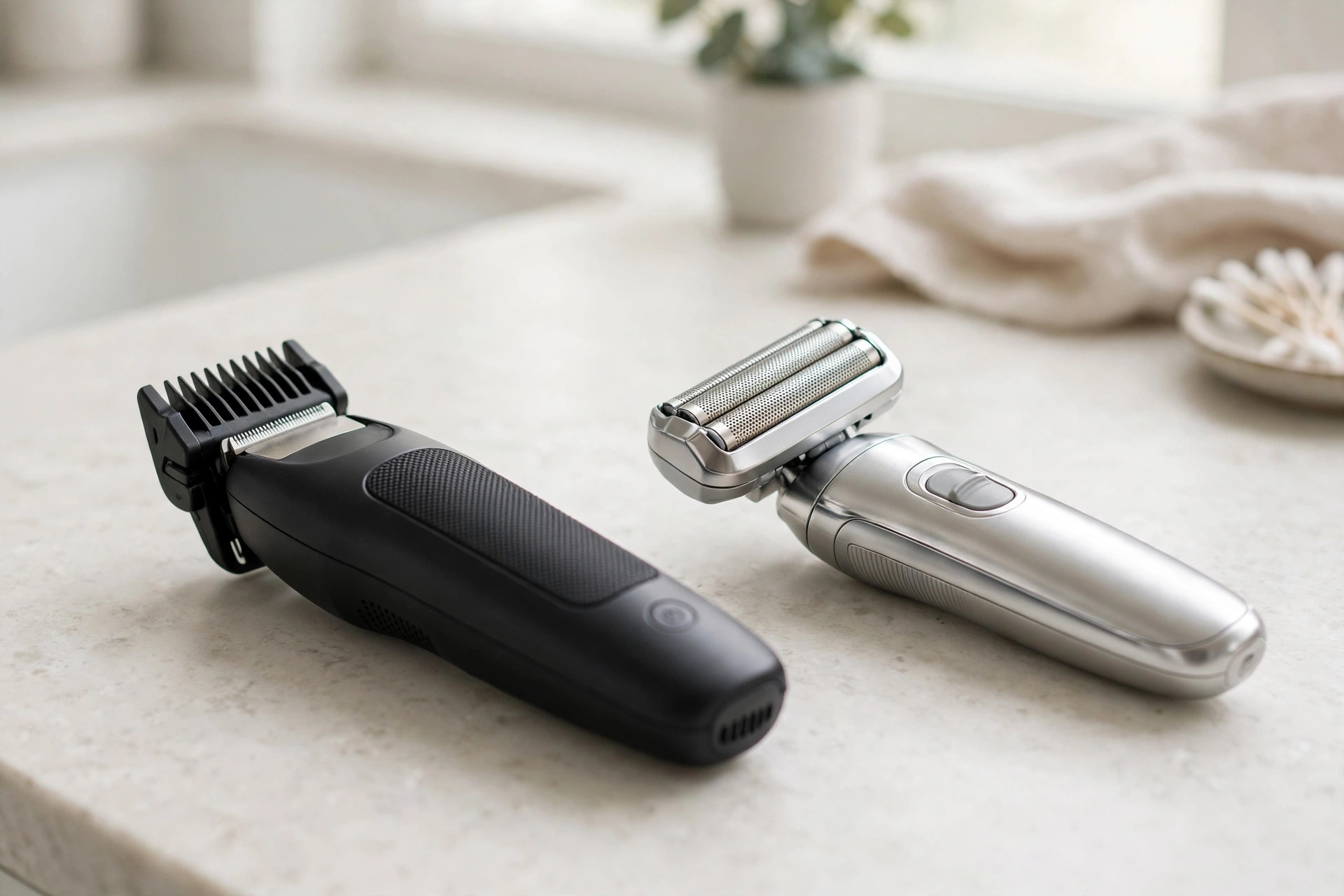
A trimmer keeps hair at a length you choose. It uses guards and wide blades for control. A shaver cuts hair at the skin level. It uses foil or rotary heads for smoothness. Both tools groom, but they do different jobs.
Why the Mix-Up Happens
Both tools run on batteries and look much alike. Both sit in the same aisle at the store. Many buyers use the names as if they match. The blades and results differ in clear ways. Our precision trimmer guide explains detail work for edges.
Trimmer Basics
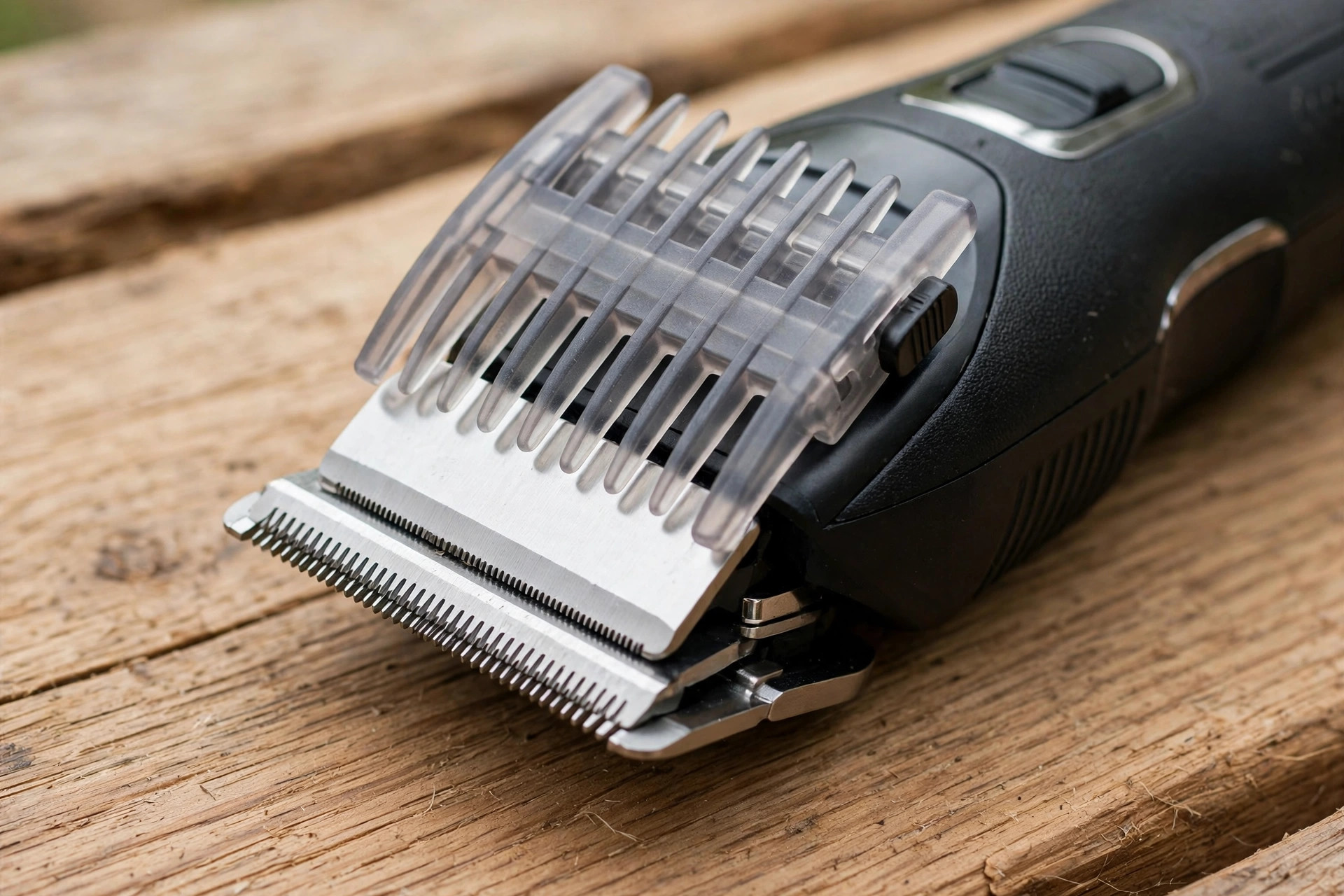
A trimmer is a handy tool for facial hair. It keeps beards neat and shapes edges well. It also clips hair at home with guards. Adjustable combs set the length for each cut. The table below lists its common features clearly.
Primary Uses
Beard trimming keeps your beard neat and even. Hair clipping cuts home hair with ease. Detailing shapes sideburns and edges with care. A trimmer suits stubble and short beards best. Our sharpening guide explains how to keep blades keen.
Common Features
Adjustable combs allow many hair lengths at home. A rechargeable battery gives cordless ease at home. Steel blades stay sharp and cut with precision. Waterproof models rinse clean under the tap. The table below lists each feature in detail.
| Feature | Description |
|---|---|
| Adjustable Combs | Allow different hair lengths |
| Rechargeable Battery | Provides cordless convenience |
| Stainless Steel Blades | Ensure durability and precision |
| Waterproof Design | Enables easy cleaning |
Shaver Basics
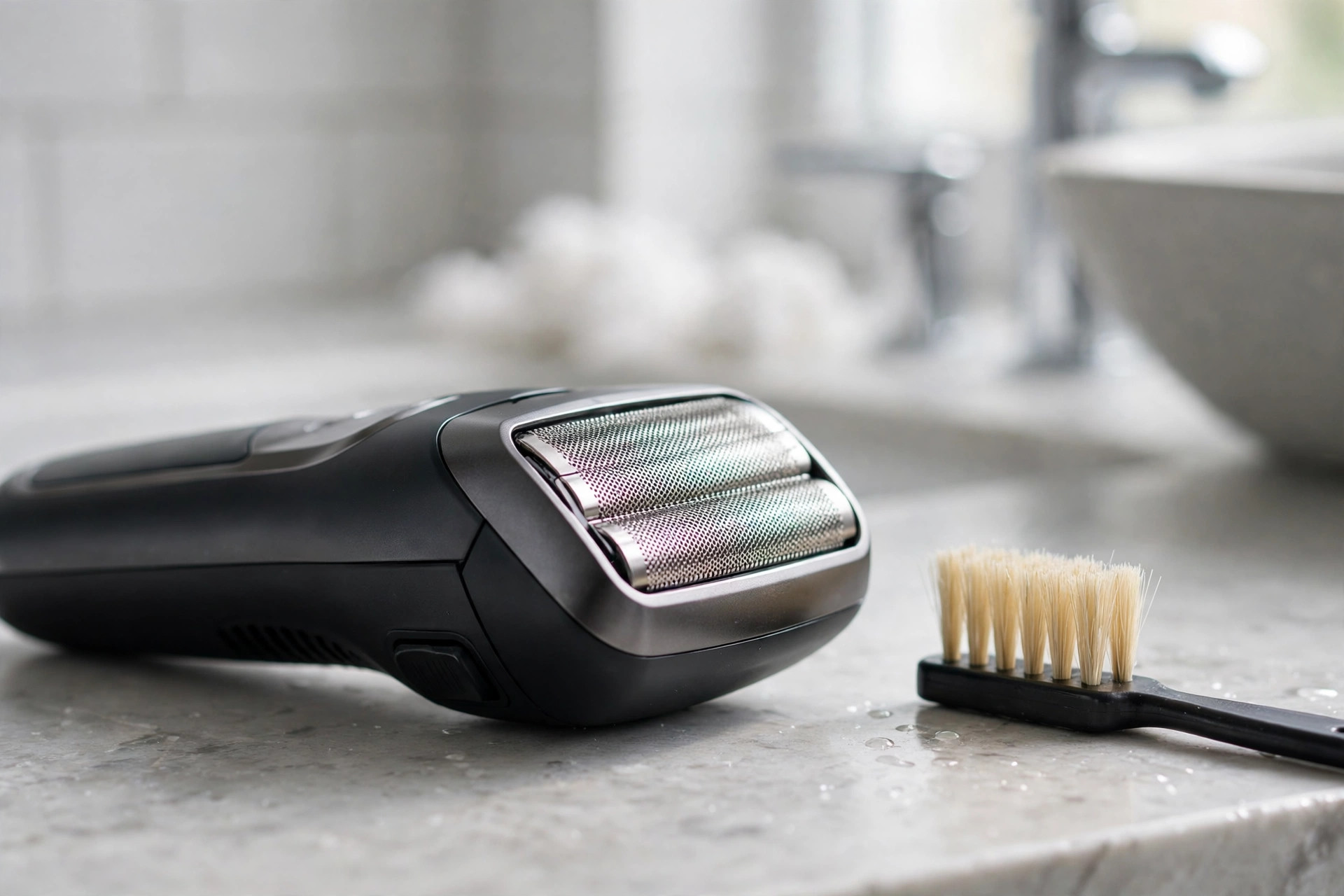
A shaver removes hair for a smooth finish. It cuts hair right at the skin level. Men use it for a clean-shaven face. Women use it for smooth legs and underarms. It suits short stubble, not long hair.
Primary Uses
The main use is a close, smooth shave. It gives a clean face with no stubble left. It works best on short hair each morning. It does not shape or detail hair well. Use a trimmer first for long hair.
Common Features
An electric motor powers the shaver each time. Foil or rotary blades cut hair at the skin. Many models run on rechargeable batteries for cordless ease. Some work wet or dry with shaving cream. High-end models add a cleaning station too.
Key Differences
The blades and hair length set them apart. Trimmers use wide blades with adjustable combs. Shavers use fine blades with foil or rotary heads. Trimmers keep stubble while shavers remove it all. The table below compares the two tools directly.
Blade Design
Trimmer blades are wide and cut longer hair. Shaver blades are fine and cut very close. Foil heads glide flat across the skin. Rotary heads spin to catch hair from angles. Our blade lifespan guide explains when to swap worn blades.
Hair Length
Trimmers keep stubble and short beards in shape. They do not cut hair too close to skin. Shavers give a smooth, hair-free finish instead. They work best on short stubble each day. Long hair needs a trimmer before a shaver.
| Feature | Trimmer | Shaver |
|---|---|---|
| Blade Design | Wider blades, adjustable combs | Finer blades, foil or rotary heads |
| Hair Length | Maintains stubble, short beards | For clean shaves, smooth finish |
Skin Sensitivity
Skin type can decide which tool suits you. Trimmers touch the skin less than shavers do. Shavers cut close and can cause irritation. Sensitive skin often prefers a trimmer over a shaver. The table below compares skin impact side by side.
Trimmers vs Shavers
Trimmers cut hair at set lengths with guards. They rarely touch the skin while they cut. Shavers press close to the skin for smoothness. Close contact can cause burns and bumps. Our cut safety guide explains how to avoid nicks and cuts.
Impact on Skin
Trimmers feel gentler on most skin types. They avoid direct contact and reduce irritation. Shavers may cause razor burn and bumps. Good technique and skin care help a lot. The Philips OneBlade page shows one versatile trimmer option too.
| Aspect | Trimmers | Shavers |
|---|---|---|
| Purpose | Trim hair to different lengths | Provide a clean, close shave |
| Skin Contact | Minimal contact with skin | High contact with skin |
| Suitability for Sensitive Skin | Less likely to cause irritation | Can cause irritation if used improperly |
Maintenance and Care
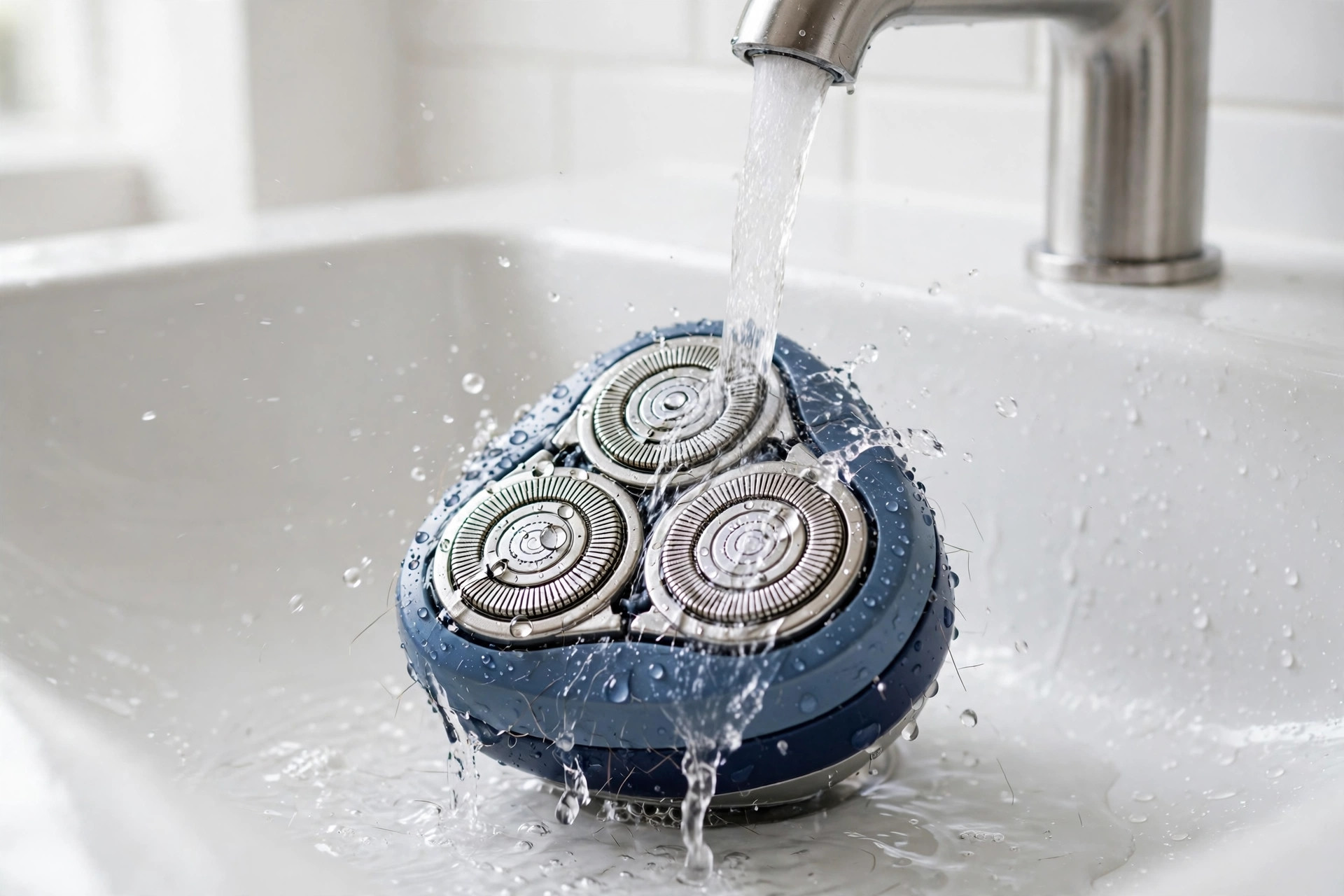
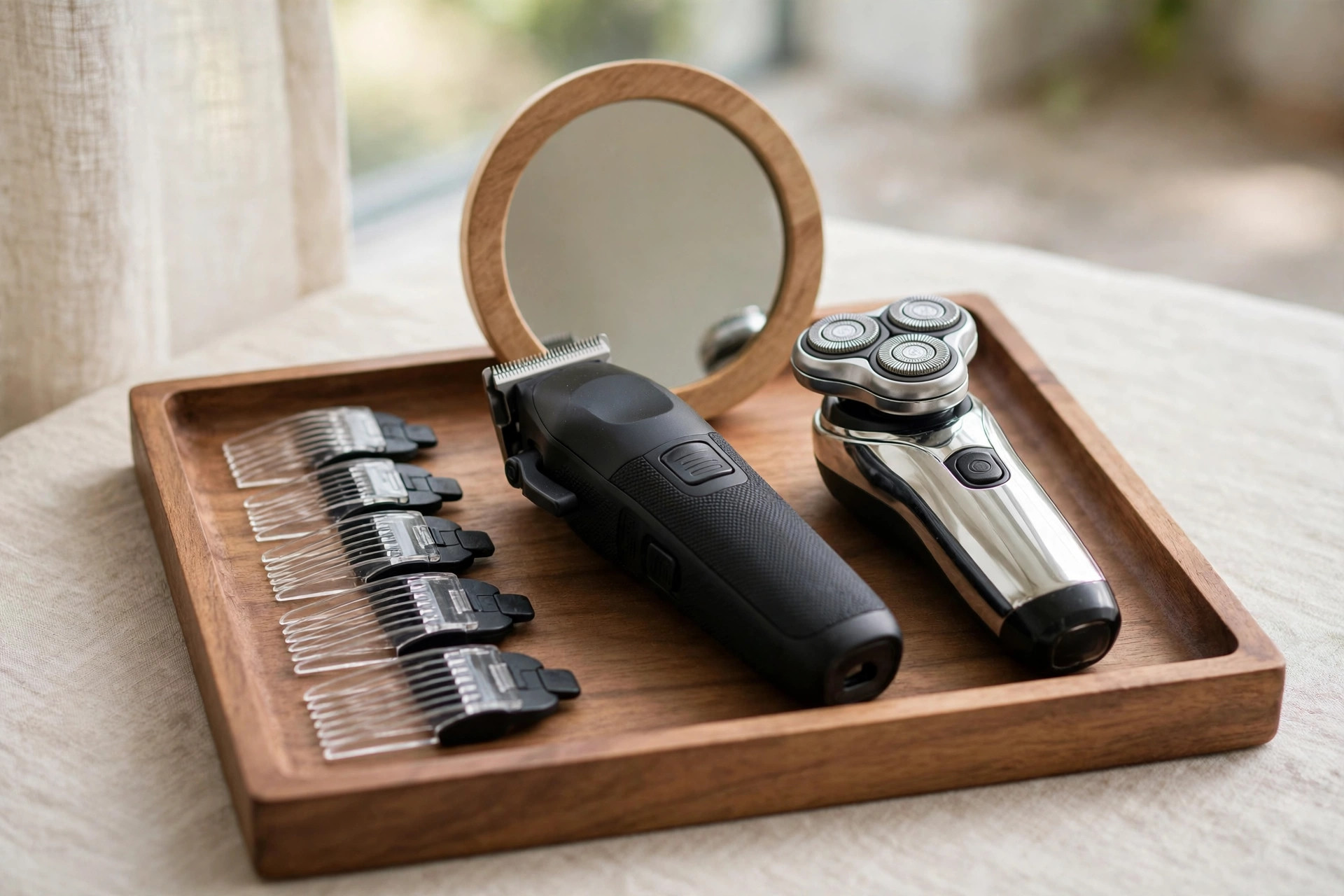
Care keeps both tools working for years. Clean the trimmer after each use without fail. Rinse the shaver head under warm water weekly. Oil trimmer blades to stop rust and wear. The table below lists cleaning steps for both.
Cleaning Practices
Brush hair off trimmer blades after each use. Rinse washable blades under running water after each trim. Rinse the shaver head weekly with warm water. Use a cleaning solution to stop germs growing. Our cleaning guide covers careful cleaning routines for tools.
| Tool | Cleaning Frequency | Cleaning Method |
|---|---|---|
| Trimmer | After every use | Brush off hair, rinse blades |
| Shaver | Weekly | Rinse under water, use cleaning solution |
Durability
Good care extends the life of both tools. Oiling blades keeps trimmers sharp for years. Replace the shaver head every 12 to 18 months. Store both tools dry and clean at home. Our oiling guide explains blade lubrication for smooth use.
Choosing the Right Tool
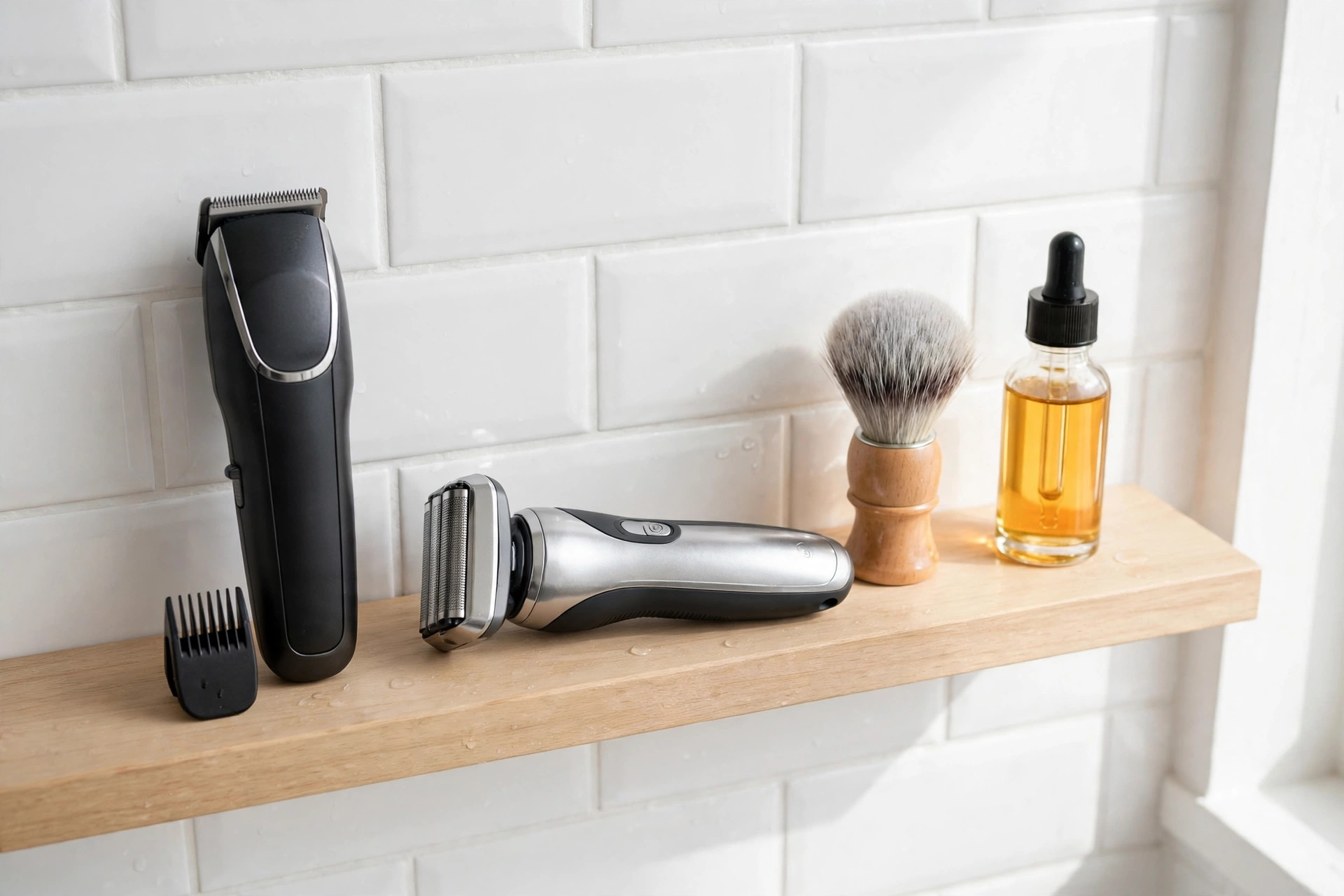
The best tool fits your goals and routine. A shaver gives a smooth, clean look fast. A trimmer shapes and keeps a beard well. Sensitive skin often suits a trimmer better. The table below compares the two side by side.
Personal Needs
Think about the look you want each day. A clean shave needs a shaver or razor. A styled beard needs a trimmer with guards. Long hair suits a trimmer, short stubble a shaver. Skin type should guide your final choice.
Lifestyle Considerations
A shaver is quicker for a fast morning shave. A trimmer needs more time but shapes well. Shavers need more cleaning and care each week. Trimmers cost less and clean up with ease. Our waterproof guide explains which trimmers can be rinsed.
| Feature | Trimmer | Shaver |
|---|---|---|
| Best For | Styling & Shaping | Clean Shave |
| Skin Type | Gentler | May Irritate |
| Hair Length | Longer Hair | Short Stubble |
| Maintenance | Easy | More Care |
| Cost | Budget-Friendly | More Expensive |
Frequently Asked Questions
These answers repeat this guide’s own points only. They follow the same steps explained above closely. Short answers close the guide at the end. Read them before you pick a grooming tool.
Can I use a trimmer as a shaver?
You can use a trimmer for shaving, but it stays rough. It will not give a close, smooth shave. Trimmers suit stubble and beard shaping best. Use a shaver or razor for a clean shave.
Which is better, trimmer or shaver?
A trimmer suits beards and precise cuts best. A shaver suits a clean-shaven look best. Pick the tool that fits your grooming needs. Skin type should guide your final choice too.
Can I shave my hair with a trimmer?
Yes, you can shave hair with a trimmer. Use a trimmer with adjustable settings for best results. Start long and work down through the guards. A shaver gives a closer finish than a trimmer.
Is it better to trim or shave?
Trimming cuts irritation and ingrown hairs down. Shaving gives a smoother finish but may irritate. Pick the method that suits your skin best. Sensitive skin often prefers trimming over shaving.
How often should I replace a shaver head?
Replace the shaver head every 12 to 18 months. A worn head cuts worse and irritates skin. Check the head for dull blades each month. Follow the manual for your model each time.
Conclusion: Is a Trimmer the Same as a Shaver?
So, is a trimmer the same as a shaver? No, they serve different grooming needs each day. Trimmers shape hair while shavers remove it fully. Blade design, length, and skin set them apart. Pick the tool that fits your routine best.
Clean both tools and store them dry at home. Oil trimmer blades and swap shaver heads on time. Good care keeps every shave smooth and safe. Enjoy the right tool for your style each day.