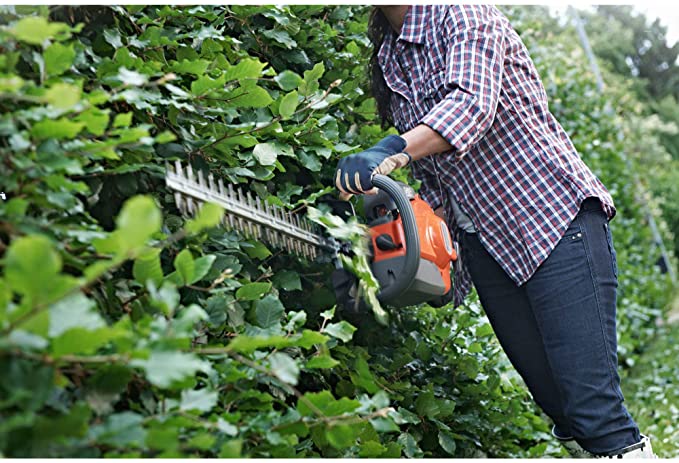
A hedge trimmer is used for cutting, trimming, and shaping hedges and shrubs. It helps maintain a neat and tidy garden.
A hedge trimmer is an essential tool for any gardener or landscaper. It allows for precise trimming of hedges, shrubs, and bushes, ensuring your garden looks well-maintained. This tool comes in various types, including electric, gas-powered, and manual, catering to different needs and preferences.
Electric and gas-powered trimmers offer efficiency and power for larger gardens, while manual trimmers are ideal for smaller areas. Regular use of a hedge trimmer not only enhances the aesthetic appeal of your garden but also promotes healthy plant growth. Investing in a quality hedge trimmer can significantly ease the burden of garden maintenance, making it a must-have tool.

Credit: m.youtube.com
Introduction To Hedge Trimmers
A hedge trimmer is an essential tool for garden care. It is used to shape and maintain hedges, shrubs, and bushes. With a hedge trimmer, your garden looks neat and well-kept.
Purpose And Benefits
Hedge trimmers are designed to cut, trim, and shape plants. They can handle thick branches and fine leaves. This tool helps in maintaining a tidy garden.
- Time-saving: Cuts faster than manual tools.
- Precision: Ensures even trimming for a professional look.
- Effortless: Reduces physical strain.
Using a hedge trimmer keeps your plants healthy. It promotes new growth and removes dead branches.
Types Of Hedge Trimmers
There are various types of hedge trimmers available. Each type serves different needs.
| Type | Description |
|---|---|
| Electric Hedge Trimmers | Lightweight and easy to use. Ideal for small to medium gardens. |
| Gas Hedge Trimmers | Powerful and cordless. Suitable for large gardens. |
| Cordless Hedge Trimmers | Battery-operated. Offers mobility and convenience. |
Choose the right type based on your garden size and needs. Each type has its own advantages and features.
Common Uses
Hedge trimmers are versatile tools used in gardening. They help maintain the beauty of your landscape. Below are some common uses of hedge trimmers.
Trimming Hedges
Hedge trimmers are perfect for trimming hedges. They ensure hedges stay neat and tidy. Regular trimming promotes healthy growth. Trimming also helps to remove dead branches. This keeps the hedge looking fresh and green.
Shaping Shrubs
Gardeners use hedge trimmers for shaping shrubs. Trimmers help create clean lines and smooth surfaces. Shaping shrubs adds aesthetic value to your garden. Different shapes can be achieved with ease. This tool is essential for creative gardening.
Maintaining Topiary
Topiary involves creating artistic shapes from shrubs. Hedge trimmers are vital for maintaining topiary. They provide precision and control. This allows for intricate designs and patterns. A well-maintained topiary can be a garden’s focal point.
| Common Uses | Benefits |
|---|---|
| Trimming Hedges | Promotes healthy growth, removes dead branches |
| Shaping Shrubs | Adds aesthetic value, creates clean lines |
| Maintaining Topiary | Allows intricate designs, serves as focal point |
Choosing The Right Hedge Trimmer
Choosing the right hedge trimmer is crucial for maintaining your garden. A good hedge trimmer makes the job easier and quicker. Let’s dive into the different options available.
Electric Vs. Gas
Electric hedge trimmers are lightweight and easy to use. They are perfect for small to medium-sized gardens. Gas hedge trimmers are more powerful and suitable for larger areas. They can handle thicker branches but are heavier and noisier.
Corded Vs. Cordless
Corded hedge trimmers offer unlimited runtime. They are ideal for gardens with accessible power outlets. Cordless hedge trimmers provide more freedom of movement. They rely on batteries and are best for smaller tasks.
Blade Length And Types
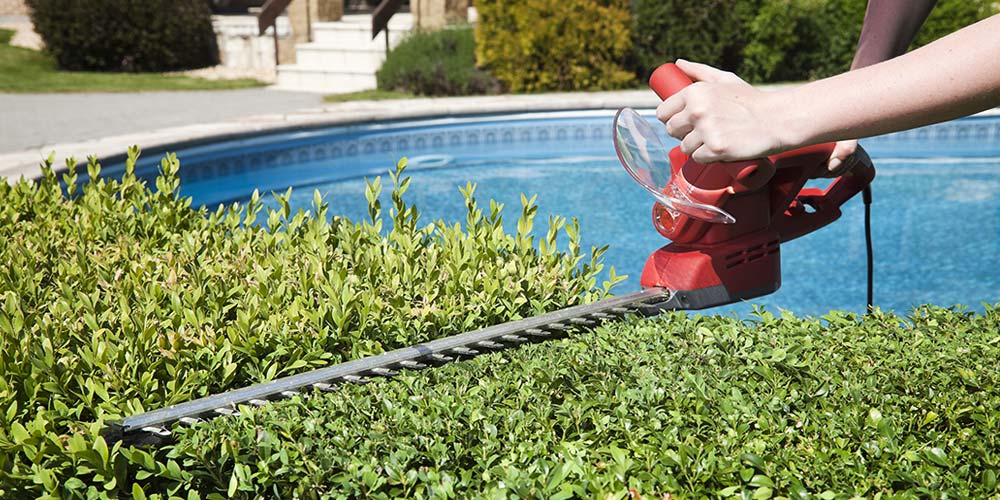
Blade length affects the efficiency of your trimming. Short blades are easier to control but cover less area. Long blades can trim more in one pass but are harder to handle.
Blade types also matter. Single-sided blades are safer and easier for beginners. Double-sided blades cut faster and are more efficient for experienced users.
Credit: learn.compactappliance.com
Safety Tips
Using a hedge trimmer can be dangerous if not handled properly. Follow these safety tips to keep yourself safe while trimming your hedges. Always prioritize safety to prevent injuries.
Protective Gear
- Wear safety glasses: Protect your eyes from flying debris.
- Use ear protection: Hedge trimmers can be loud.
- Wear gloves: Keep your hands safe from cuts.
- Use sturdy footwear: Protect your feet from falling branches.
Safe Handling
- Read the manual: Understand how your hedge trimmer works.
- Check the area: Remove any obstacles before you start.
- Use both hands: Hold the trimmer with both hands for control.
- Keep a safe distance: Maintain space from the blade.
- Turn off when not in use: Never leave it running unattended.
Maintenance Checks
| Task | Frequency |
|---|---|
| Inspect the blade | Before each use |
| Check oil levels | Weekly |
| Clean the trimmer | After each use |
| Tighten loose screws | Monthly |
Maintenance And Care
Proper maintenance and care of your hedge trimmer ensure it works efficiently. Regular upkeep extends its lifespan and keeps your garden looking pristine. Follow these steps to maintain your hedge trimmer.
Cleaning The Blades
Cleaning the blades is crucial. Dirt and sap build up on the blades, which can dull them. Use a soft brush to remove debris. Wipe the blades with a cloth soaked in soapy water. Make sure to dry the blades thoroughly to prevent rust. For stubborn sap, use a blade cleaner or alcohol.
Lubrication
Lubricating the blades reduces friction and wear. Apply a light machine oil to the blades before and after each use. Use a small oil can or spray bottle to distribute the oil evenly. Ensure the oil reaches all moving parts for smooth operation.
Storage Tips
Proper storage is essential for maintaining your hedge trimmer. Store the trimmer in a dry, cool place. Keep it away from moisture to prevent rust. Use a blade cover to protect the blades from damage. If the trimmer is battery-operated, remove the battery before storing.
| Task | Frequency |
|---|---|
| Clean Blades | After each use |
| Lubricate Blades | Before and after each use |
| Check for Damage | Monthly |
| Store Properly | After each use |
Following these steps ensures your hedge trimmer remains in top condition. Regular maintenance saves you money on repairs and replacements. Keep your garden tools sharp and efficient for beautiful hedges all year round.
Advanced Trimming Techniques
Mastering advanced trimming techniques with a hedge trimmer can elevate your garden’s appearance. These techniques go beyond basic trimming, offering precision and artistry. Let’s explore some advanced methods for hedge trimming.
Creating Clean Lines
Creating clean lines is essential for a neat garden. Use a hedge trimmer to shape your hedges into sharp, defined forms.
- Mark the desired shape with string or chalk.
- Start trimming from the bottom up.
- Keep the trimmer level for even cuts.
This method ensures your hedges look professional and well-maintained.
Layering Hedges
Layering hedges adds depth and texture to your garden. This technique involves trimming hedges at different heights.
- Trim the top layer first.
- Cut the middle layer next.
- Finish with the bottom layer.
Layering creates a tiered effect, making your garden visually appealing.
Seasonal Pruning
Seasonal pruning keeps your hedges healthy and attractive. Different seasons require specific pruning practices.
| Season | Pruning Tips |
|---|---|
| Spring | Remove dead or damaged branches. |
| Summer | Shape hedges for growth control. |
| Fall | Prepare hedges for winter. |
| Winter | Prune only if necessary. |
Regular pruning ensures your hedges stay vibrant throughout the year.
Troubleshooting Common Issues
Hedge trimmers are essential for keeping your garden neat and tidy. But, like all tools, they can sometimes run into problems. Understanding how to troubleshoot common issues can save you time and money. Let’s look at some common problems and how to fix them.
Jammed Blades
Jammed blades are a frequent issue with hedge trimmers. They can occur due to debris or improper maintenance. Follow these steps to resolve jammed blades:
- Turn off the trimmer and disconnect the power source.
- Inspect the blades for debris like twigs or leaves.
- Use a brush or cloth to remove any debris.
- Apply lubricant to the blades to ensure smooth operation.
Regular cleaning and lubrication can prevent future jams. Always wear gloves for safety.
Engine Problems
Engine problems can disrupt your trimming tasks. Here are some common engine issues and their solutions:
| Problem | Solution |
|---|---|
| Engine won’t start | Check the fuel level and spark plug. |
| Engine stalls | Clean the air filter and carburetor. |
| Engine runs rough | Inspect the fuel line for leaks. |
Regular maintenance of your hedge trimmer’s engine can prevent these issues.
Battery Issues
Battery-powered hedge trimmers can face battery-related problems. Here are some common battery issues:
- Battery not charging
- Battery drains quickly
- Battery overheating
To fix these issues:
- Ensure the battery is correctly seated in the charger.
- Check for dirt or debris on battery contacts.
- Store the battery in a cool, dry place.
Regularly check and maintain your battery for optimal performance.
Environmental Considerations
Choosing the right hedge trimmer can impact the environment. This section will cover eco-friendly options, noise levels, and waste disposal. Make an informed choice for a greener planet.
Eco-friendly Options
Eco-friendly hedge trimmers use less energy and produce fewer emissions. Electric and battery-powered trimmers are greener than gas-powered ones. Look for models with energy-saving features. Many brands offer trimmers with recyclable parts.
| Type | Benefits |
|---|---|
| Electric | Low emissions, less noise |
| Battery-powered | Portable, no cords, zero emissions |
Noise Levels
Hedge trimmers can be noisy, affecting the environment. Electric trimmers are quieter than gas-powered ones. Battery-powered trimmers also produce less noise. Check decibel levels before buying.
- Electric trimmers: 85-90 dB
- Battery-powered trimmers: 70-80 dB
- Gas-powered trimmers: 100+ dB
Waste Disposal
Proper waste disposal is crucial for environmental care. Dispose of old trimmers responsibly. Many parts can be recycled. Contact local recycling centers for disposal options. Always recycle batteries and other components.
- Check local recycling guidelines
- Separate recyclable parts
- Dispose of batteries correctly
Following these steps ensures minimal environmental impact.
Conclusion And Final Tips
Understanding the uses of a hedge trimmer can transform your garden. This tool is essential for maintaining neat hedges and shrubs. It offers precision and efficiency in trimming tasks.
Recap Of Key Points
- Versatility: Hedge trimmers can handle various plants.
- Efficiency: They save time and effort in garden maintenance.
- Safety: Always use protective gear while trimming.
- Types: Choose between electric, gas, or manual trimmers.
- Maintenance: Regularly clean and sharpen the blades.
Additional Resources
For more information, check out these resources:
Expert Advice
Here are some expert tips to get the best results:
- Plan your trimming: Mark the areas to trim.
- Use the right trimmer: Match the trimmer to your hedge type.
- Trim regularly: Regular trimming promotes healthy growth.
- Stay safe: Wear gloves and eye protection.
- Check weather: Avoid trimming on wet days.
By following these tips, you can maintain a beautiful garden. Happy trimming!

Credit: lawn.com.au
Frequently Asked Questions
What Can I Do With A Hedge Trimmer?
You can trim hedges, shape bushes, and prune shrubs with a hedge trimmer. It helps maintain garden aesthetics.
Can You Use A Hedge Trimmer To Cut Branches?
Yes, you can use a hedge trimmer to cut small branches. Ensure the branches are within the trimmer’s capacity. For thicker branches, use pruning shears or a saw.
When Should You Not Use A Hedge Trimmer?
Avoid using a hedge trimmer in wet conditions, near power lines, on unstable ladders, during poor visibility, or when tired.
Can A Hedge Trimmer Cut Weeds?
Yes, a hedge trimmer can cut weeds. It’s effective for thicker weeds but less precise for smaller ones. Use with caution.
Conclusion
A hedge trimmer is essential for maintaining neat and tidy hedges. It simplifies trimming tasks and saves time. Whether for home gardens or large landscapes, this tool offers precision and efficiency. Invest in a reliable hedge trimmer to enhance your outdoor space and keep your greenery looking its best year-round.