What Is an Articulating Hedge Trimmer?
Gardeners often ask what is an articulating hedge trimmer exactly. It is a trimmer with a fully adjustable cutting head. The head pivots to change the cutting angle. This guide explains its design, benefits and types.
Fixed blades limit ordinary trimmers to one angle. An articulating head reaches awkward corners far more easily. It also trims low branches without painful stooping. Comfort and precision improve at the same time.
Professional landscapers and keen home gardeners both use them. Three power types exist across the wider range. Choosing well depends on your hedges and posture. Short answers at the end settle common questions.
Quick answer: It is a hedge trimmer with pivoting head. The head adjusts its angle for awkward spots. Users trim tall tops and low branches comfortably. Comfortable posture reduces back and muscle strain greatly. Corded, cordless and petrol versions all exist today.
What Is an Articulating Hedge Trimmer? The Basics
An articulating trimmer carries a rotating, pivoting head. A flexible neck lets the blade change position. Users adjust the cutting angle for each job. The design streamlines shaping and maintaining garden hedges.
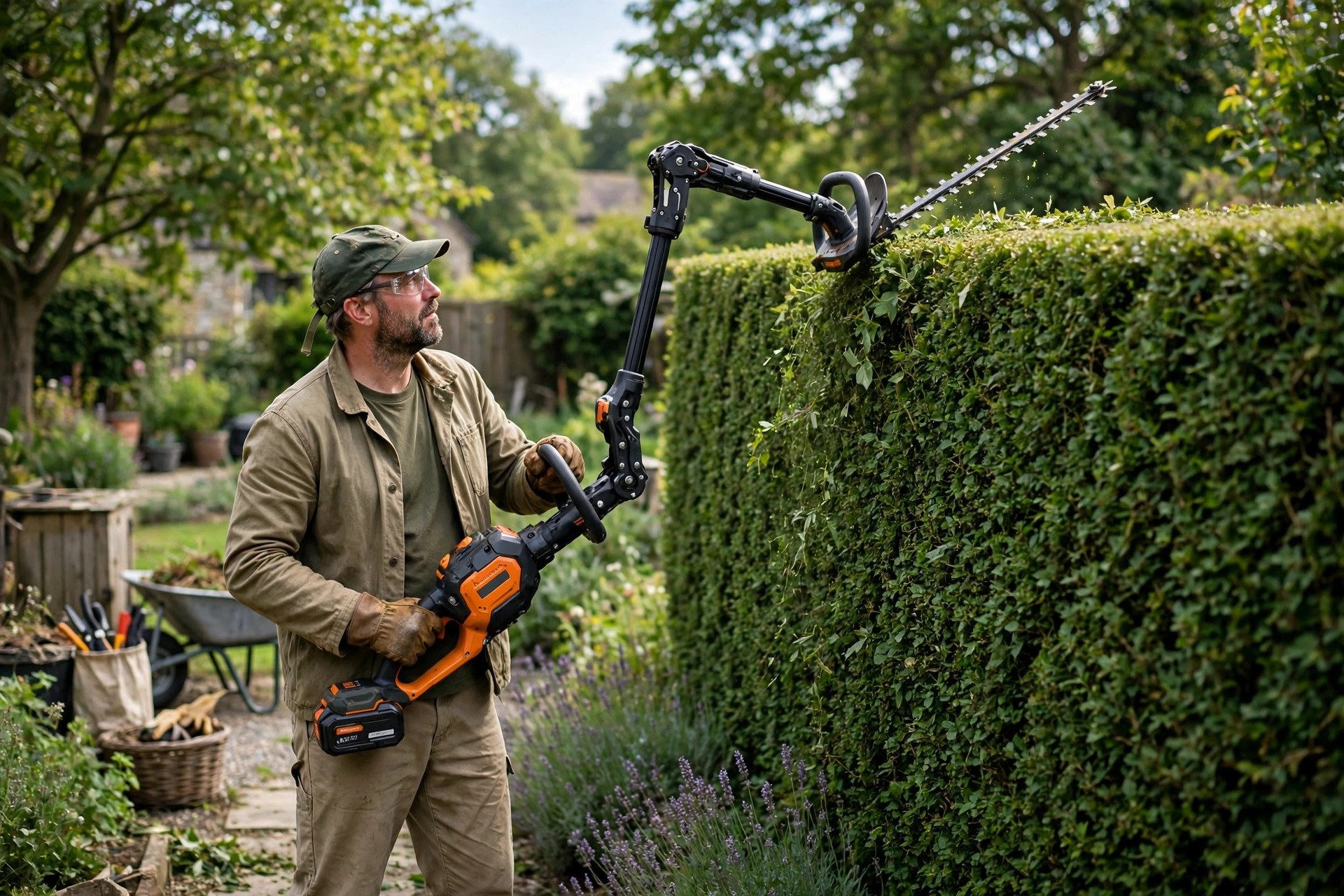
The bar makes vertical, horizontal and angled cuts. That range suits hedges of varying shapes and sizes. Hard-to-access areas become reachable without awkward stretching. Maneuverability clearly beats conventional fixed-blade trimmers overall.
| Design Part | What It Does |
|---|---|
| Pivoting head | Adjusts the cutting angle for each pass |
| Flexible neck and blade | Reaches hard-to-access hedge areas |
| Cutting bar | Cuts vertically, horizontally and at angles |
Benefits of the Articulating Design
Versatility leads the list of benefits here. Adjustable angles shape hedges precisely and evenly overall. The finish looks uniform and professional when done. Residential and commercial projects both suit this tool.
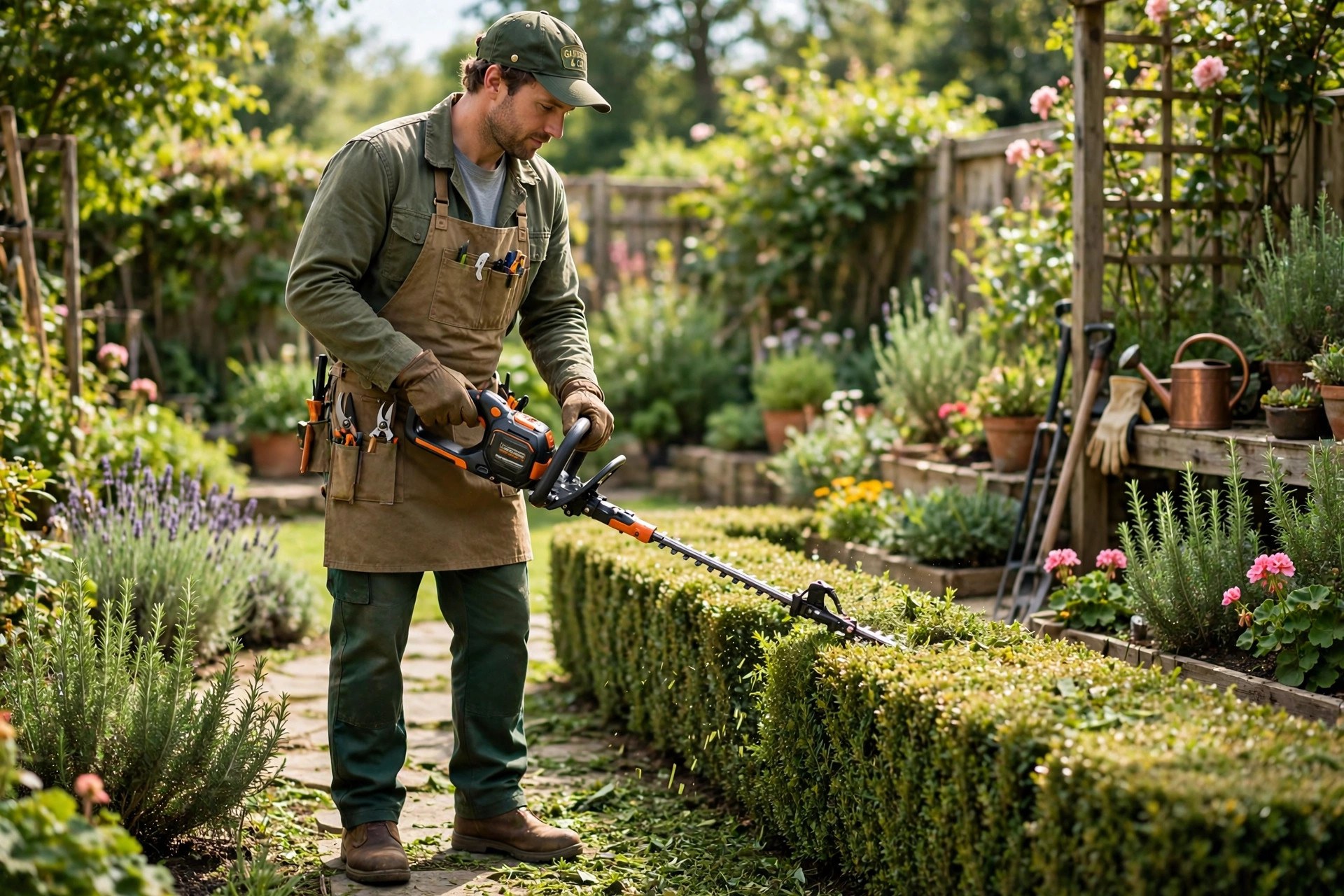
Comfortable working positions reduce strain and fatigue greatly. Lightweight construction makes handling feel almost effortless too. Beginners and experienced landscapers both manage it easily. Our guide to the lightest hedge trimmers compares weights.
Extended reach reduces bending and stretching during work. That lowers the risk of back strain significantly. An ergonomic posture stays possible throughout the job. Better posture supports steadier, more productive trimming sessions. Our bramble cutting guide covers rough, tangled growth.
Corded, Cordless and Petrol Types
Corded electric models plug into a power outlet. They give consistent power throughout every trimming session. No fuel or batteries keeps maintenance costs low. They stay lightweight and quieter than petrol models.
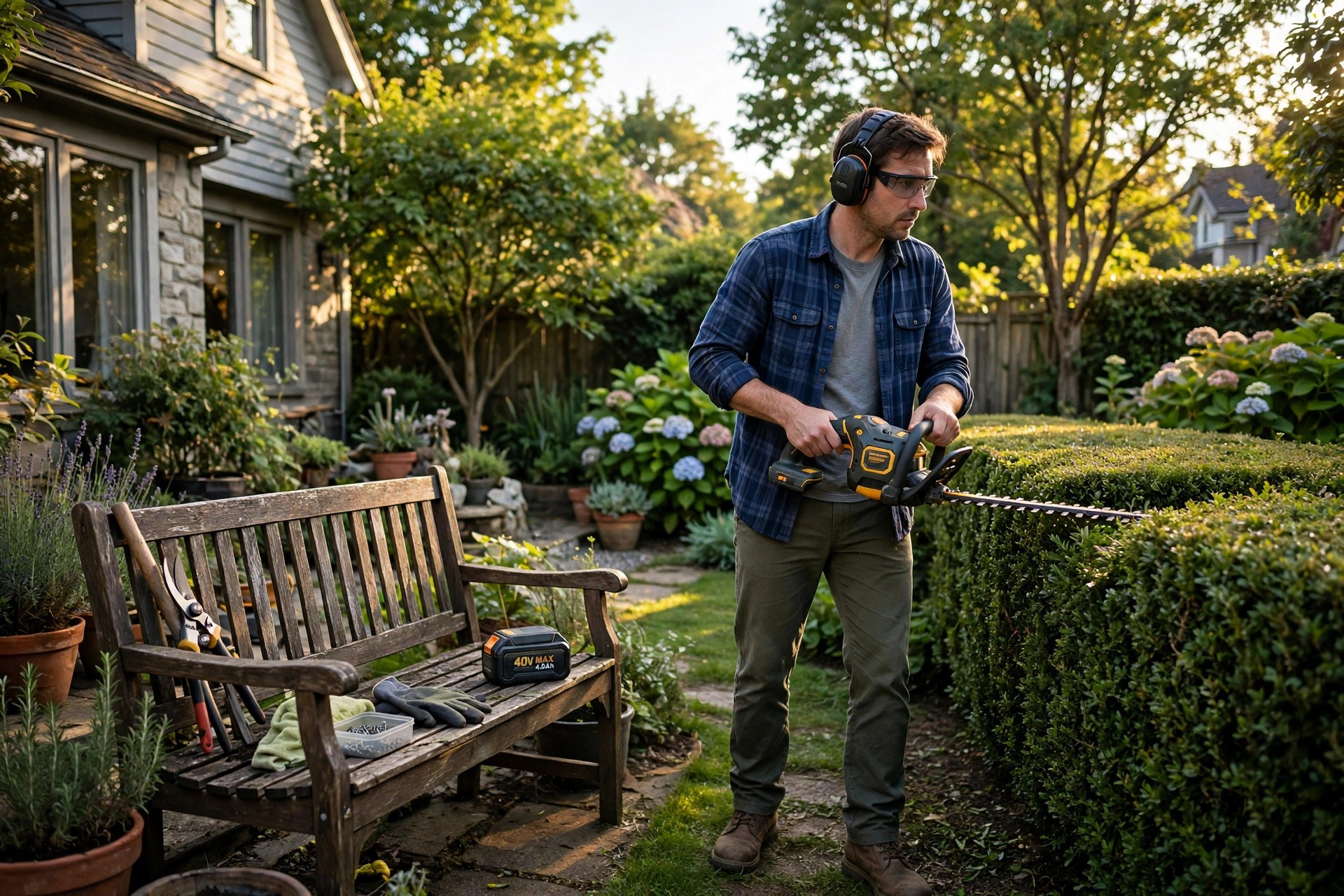
Cordless models run on rechargeable batteries instead today. Modern batteries now rival corded cutting performance closely. They suit medium to large hedges very well. Runtime depends on battery capacity, so spares help.
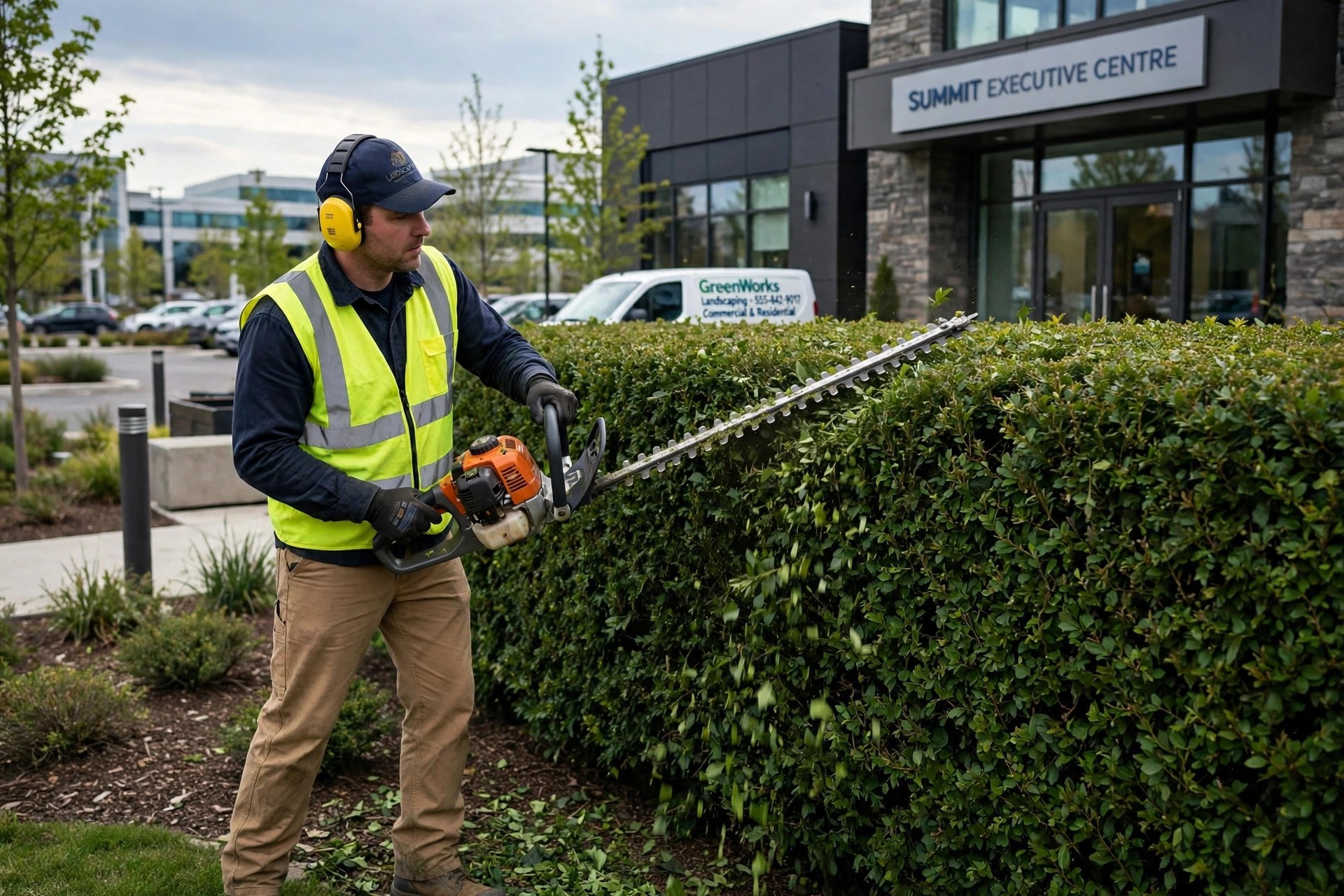
Petrol models are the most powerful type available. They serve commercial and heavy-duty work best overall. Longer blades give a wider cutting swath too. They feel heavier and need regular fueling though.
| Type | Best For |
|---|---|
| Corded electric | Small to medium hedges near outlets |
| Cordless battery-powered | Medium to large hedges, free movement |
| Petrol | Large hedges and heavy-duty commercial work |
Corded range stays limited by the power cord. Extension cords can pose a safety hazard outdoors. Petrol noise and vibration exceed electric models noticeably.
Choosing the Right Model for Your Hedges
Start with your hedge size and type first. Tall hedges suit a long-reach articulating model best. Low, awkward branches suit a short shaft better. Our hedge trimmer size guide walks through sizing.

Check the shaft length before buying any model. Longer shafts reach high and low branches easily. Adjustable angles and cutting positions add real versatility. Double reciprocating blades cut cleaner and more efficiently. Our bamboo cutting guide covers thicker growth.
Adjustable handles improve comfort during longer sessions greatly. Anti-vibration technology also reduces operator discomfort noticeably. Lighter models maneuver easier and reduce fatigue overall. Our guide on adjusting trimmer blades covers blade setup.
Models This Guide Names
This guide names models from four brands directly. The table below lists them exactly as named. Features mentioned come from the guide itself only. Brand pages like STIHL USA list current specifications.
| Brand | Models This Guide Names |
|---|---|
| Stihl | HS 87 R, HS 82 T |
| Echo | HC-155, HC-155S |
| RedMax | CHTZ2460, CHTZ2460L |
| Shindaiwa | DH235, DH235T |
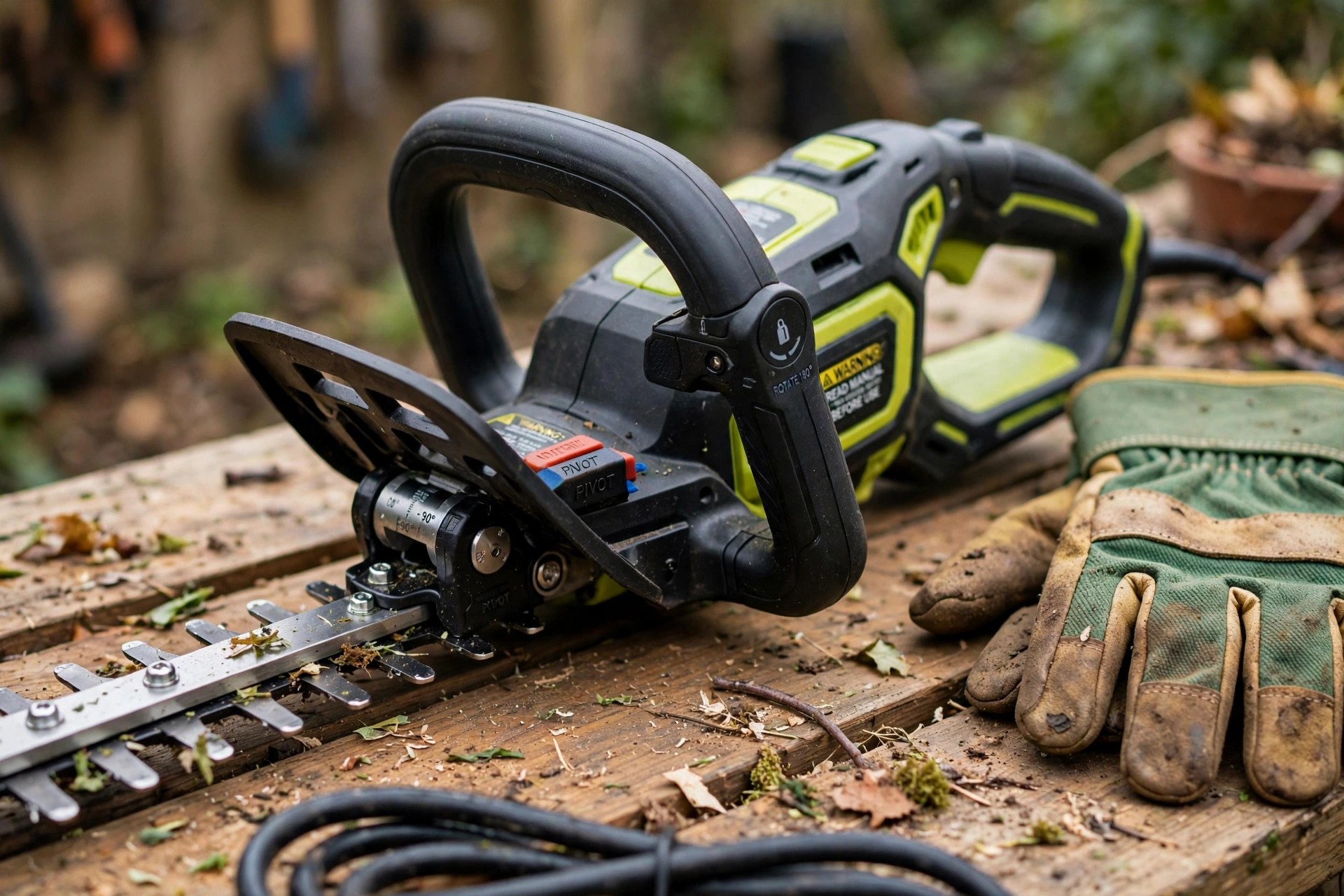
Several named models offer 180-degree rotating handles. The guide credits those handles with better maneuverability. Adjustable cutting bars and heads appear across them. Heavy-duty construction suits tough hedges on some models.
Frequently Asked Questions
These answers repeat this guide’s own points only. They follow the same facts explained above closely. Short answers close the guide at the end.
What is the difference between hedge trimmers and articulating hedge trimmers?
Regular trimmers suit tall cutting jobs best overall. Articulating models reach lower branches without stooping instead. They reduce operator discomfort during longer sessions too.
What are the three types of hedge trimmers?
The three types are corded, cordless and petrol. Each type suits different users and needs best. Power, mobility and maintenance separate them the most.
What is the difference between a hedge trimmer and a hedge cutter?
A trimmer suits smaller workloads and precision cuts. A cutter brings more power and larger blades. Cutters tackle thick hedges and branches more easily. Our branch cutting guide shows practical thickness limits.
Which hedge trimmer cuts the thickest branches?
This guide answers the articulating hedge trimmer itself. It credits maneuverability and powerful cutting blades there. The note above flags this guide’s petrol comparison.
Conclusion: What Is an Articulating Hedge Trimmer
So, what is an articulating hedge trimmer in short? It is the hedge trimmer built around a pivoting, angle-adjustable cutting head. That moving head trims low branches without straining your back at all. Precise, comfortable cutting replaces awkward stretching, reaching and painful stooping completely.
It suits professional landscapers and keen home gardeners equally well today. Choose the power type carefully around your own hedges and yard. Then match shaft length and overall weight to your own body. The right model keeps every single hedge neat, shaped and healthy.

I’m Patricia D. Johnson, an affiliate marketer and blogger specializing in trimmers and grooming tools. I create honest reviews, buying guides, and practical tips to help readers choose the right trimmer for their needs. With a focus on quality, performance, and value, I simplify the decision-making process so consumers can make confident purchases.