What to Use Hedge Trimmer For?
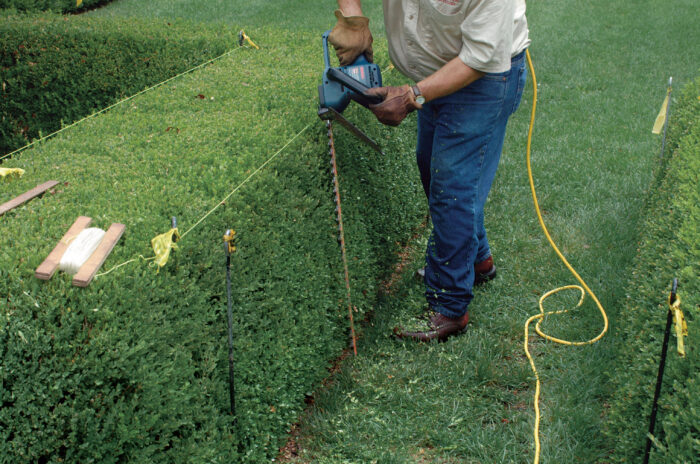
Gardeners often ask what to use hedge trimmer for daily. The short answer covers hedges, bushes and shrubs mainly. Its motorized blades trim growth faster than hand tools. Clean, even cuts keep outdoor spaces neat and polished.
The tool shapes topiary and trims tall shrubs too. It even clears light brush in overgrown corners carefully. Garden size and plant type steer the best uses. Thick tree branches stay far beyond its cutting power though.
This guide maps the main jobs type by type. It also covers technique, safety and simple care habits. Short answers at the end settle the common questions.
Quick answer: Use it mainly for trimming and shaping hedges. Its blades give bushes and shrubs clean, precise edges. It also shapes topiary and reaches tall growth safely. Light brush clearing sits within its ability too. Thick branches belong to pruning shears and loppers instead.
What to Use Hedge Trimmer For: The Main Jobs
Shaping hedges remains the trimmer’s main job overall. It trims bushes and shrubs into tidy, even outlines. Motor power makes the work faster than manual clipping. Both hands stay on the handles by design. Safety devices guard the user during every pass.
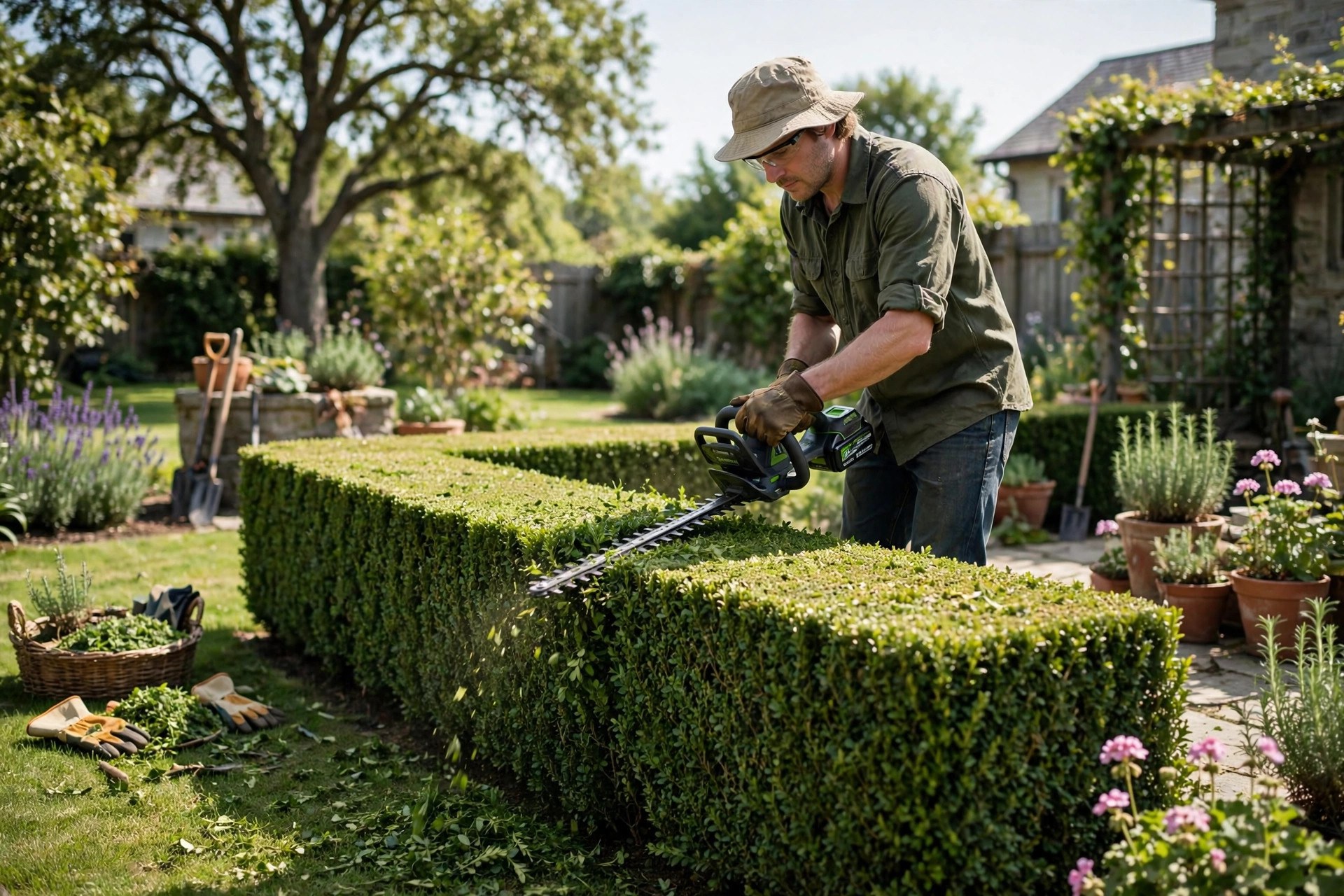
Regular trimming keeps hedges dense, healthy and attractive. It controls size before growth turns wild and woody. Precise cuts suit formal gardens and simple yards alike. Our guide explains how a hedge trimmer works inside.
Types of Hedge Trimmers and Their Best Jobs
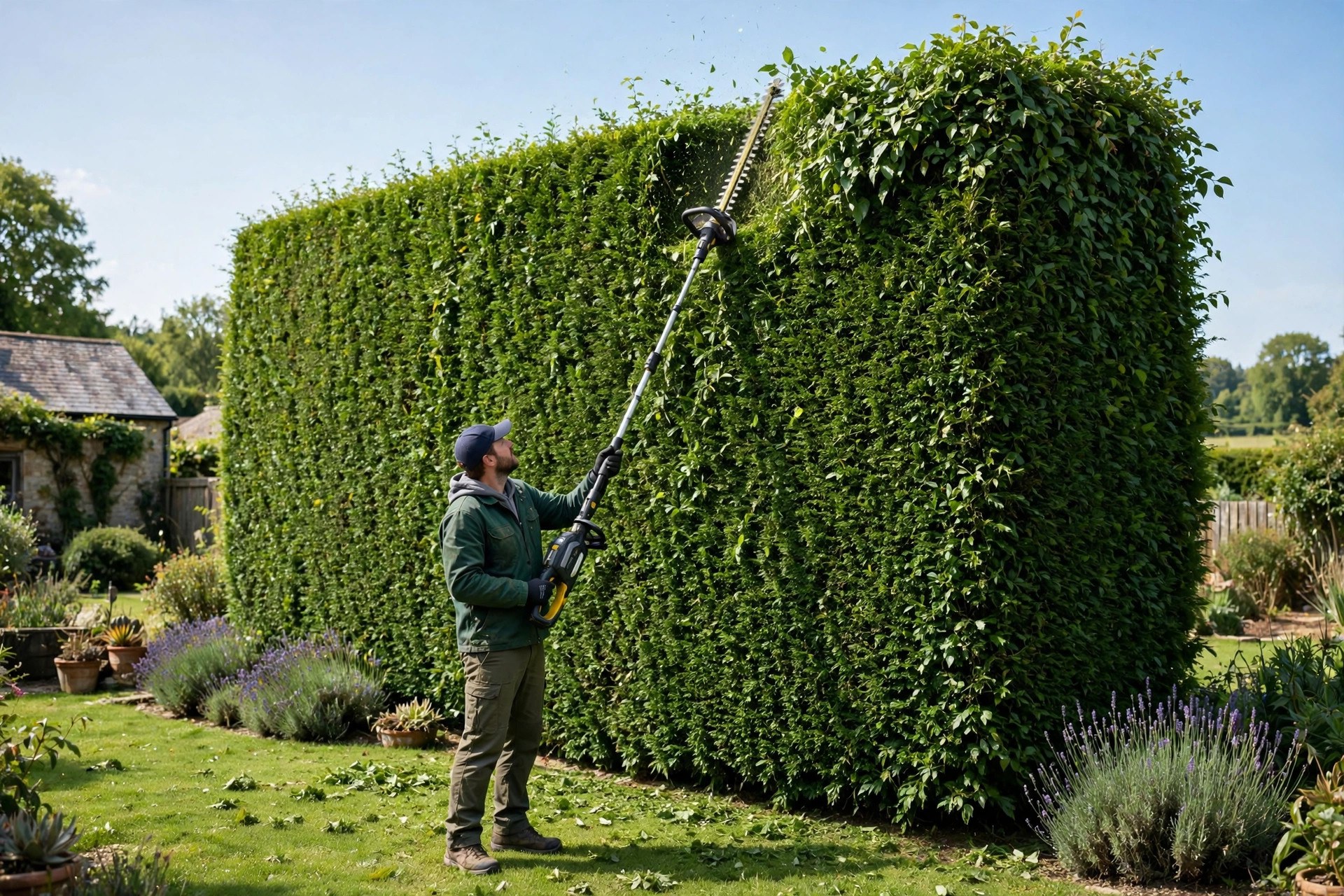
Different types suit different yards and workloads best. Corded electric models stay light and easy to handle. Battery models free you from cords and outlets completely. Petrol models bring power for large, demanding properties. Pole models reach tall hedges without a ladder.
| Type | Best For |
|---|---|
| Corded electric | Small to medium hedges near power outlets |
| Cordless battery | Flexible trimming across small and medium yards |
| Petrol powered | Large hedges, thick growth and professional work |
| Telescopic pole | Tall hedges and awkward high corners |
Electric models run quieter with less vibration overall. Their safety features include blade guards and two-handed starting. Corded models give steady power while plugged in. Watch the cord carefully during every single pass. Our size guide matches types to real gardens.
Technique That Gives Clean, Even Cuts
Good technique decides how clean the finish looks. Read the manual before the first use always. Check blades for damage or wear before starting. Confirm the battery or power source works properly.
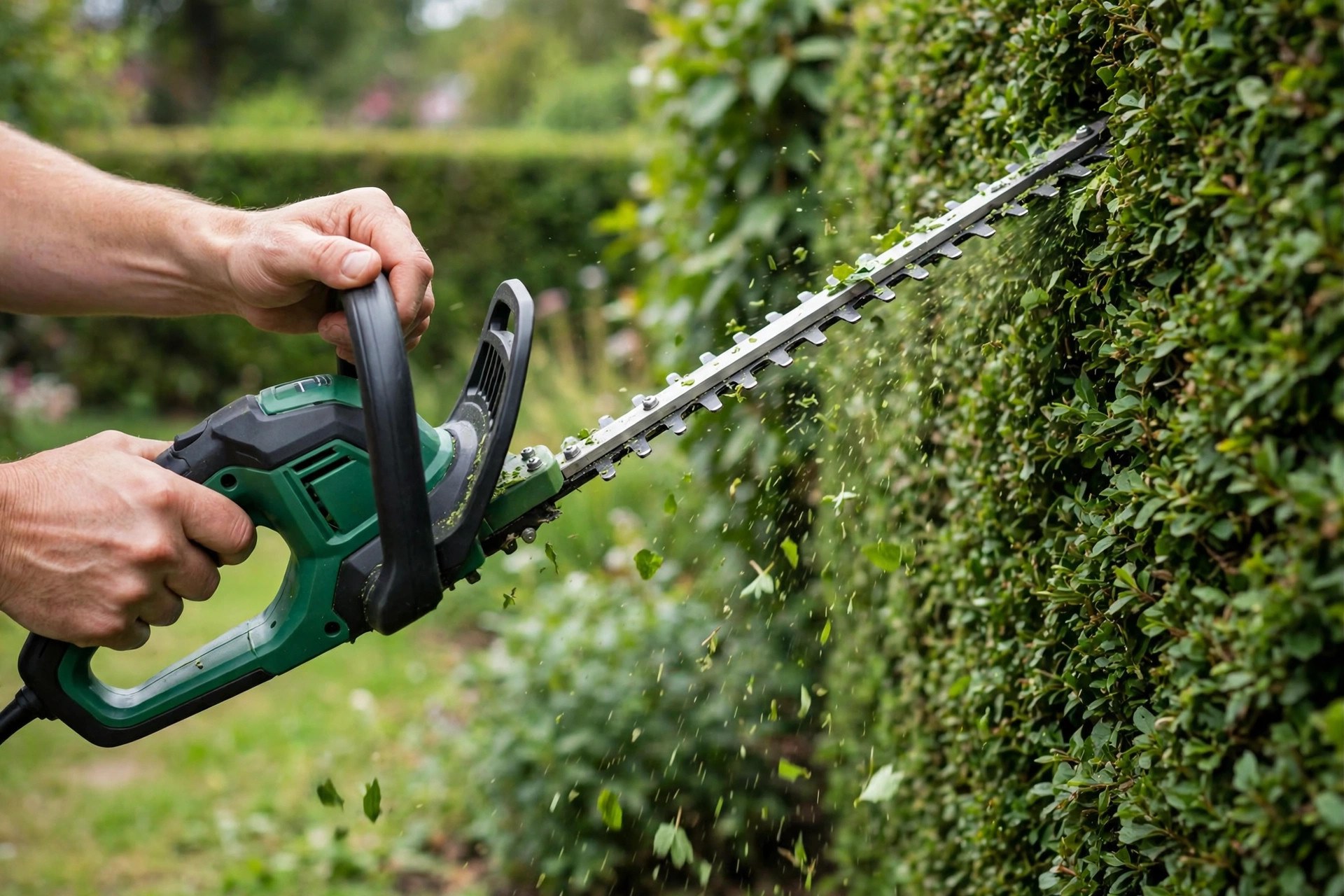
Start low and trim upward in smooth sweeps. Cut small sections instead of forcing deep passes. Step back often and check the shape carefully. Trim the top last and use ladders cautiously. Our articulating trimmer guide covers angled heads for corners.
Extra Jobs and One Clear Limit
The tool also shapes decorative topiary with patience. It trims tall shrubs that hand shears reach poorly. It tidies grass edges along fences and obstacles. Light brush hogging clears overgrown grass and brambles.
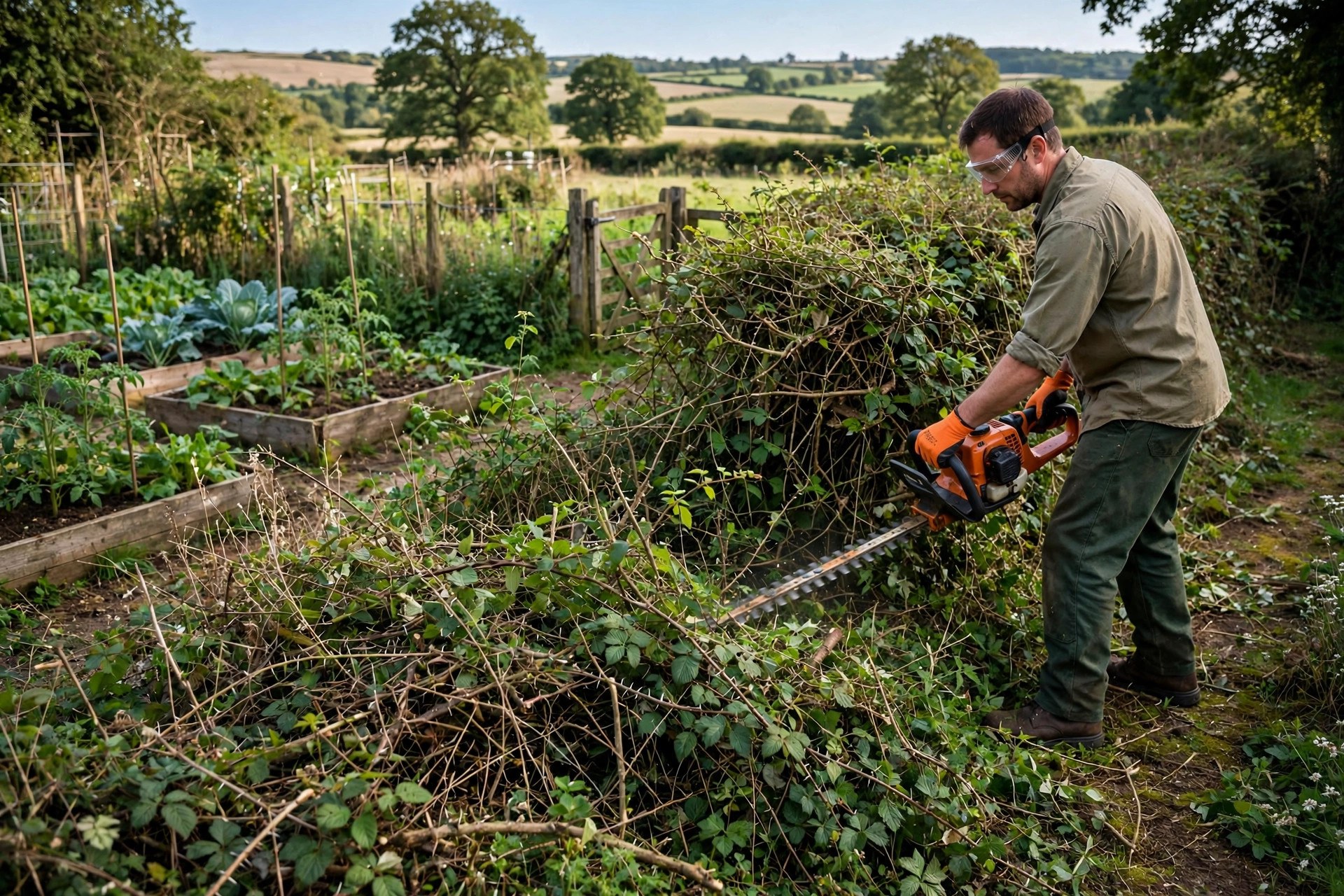
Thick tree branches remain outside its safe limits. Its teeth spacing and power suit soft growth only. Pruning shears or loppers cut branches cleanly instead. Our branch cutting guide explains the thickness limits fully.
Tangled patches yield to steady, patient sweeping passes. Our bramble guide covers tangled patches in more detail. An articulating head helps clear awkward areas faster.
Plants and Shrubs It Suits Best
Many common garden plants suit trimmer care well. Evergreen and deciduous hedges both respond to trimming. Ornamental shrubs keep their shape with regular passes. Even fruit trees benefit from light shaping work.
| Plant | Why It Suits Trimming |
|---|---|
| Boxwood | Dense growth holds crisp formal shapes |
| Privet | Fast growth needs frequent tidy passes |
| Holly | Thick leaves shape into neat screens |
| Yew | Slow growth suits precise structural shaping |
| Juniper | Spreading shrubs need regular size control |
| Rosemary | Herb hedges stay compact and fragrant |

Regular trimming supports healthy growth across the plant. It improves air flow and sunlight penetration inside. Better light and air reduce pests and diseases. Leyland cypress also appears on the guide’s list.
Care and Safety Basics for Every Job
Simple care keeps the tool ready for work. Remove debris and plant material after each use. Wipe the blades clean with a cloth afterwards. Inspect blades for damage or wear every time.
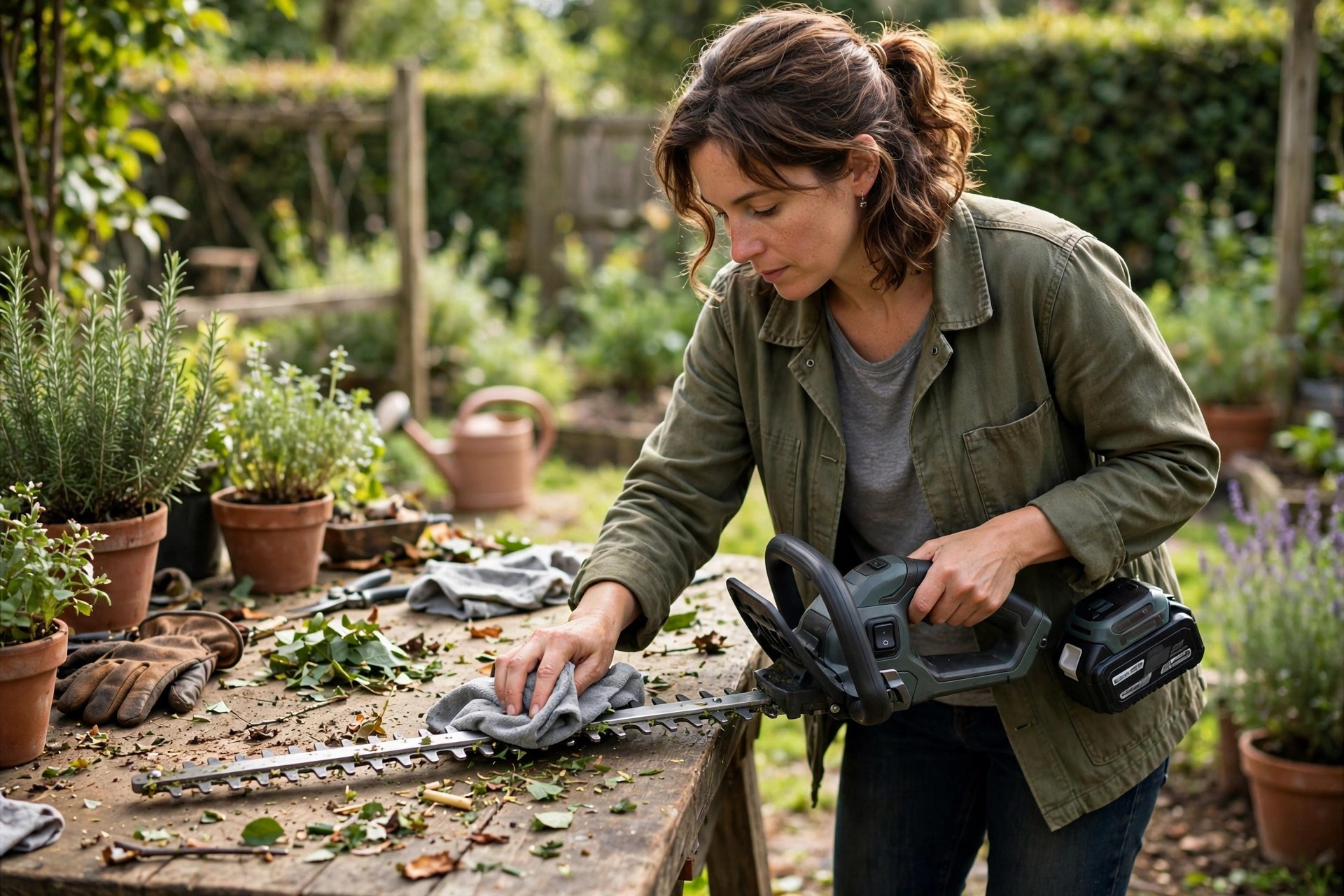
Keep blades sharp through regular sharpening or replacement. Follow maker guidance for lubricating blades and parts. Our blade maintenance guide covers the full routine. Safety gear includes glasses, gloves and ear protection. Maker pages like STIHL USA publish model care guidance.
Never trim in wet or rainy weather conditions. Keep children and pets far from the work. An RCD adds protection for electric models outdoors. Switch off before any maintenance or blade adjustment.
Frequently Asked Questions
These answers repeat this guide’s own advice only. They follow the same jobs explained above closely. Short answers close the guide at the end.
When should you not use a hedge trimmer?
Avoid electric models in damp or wet conditions. Never aim the trimmer at tree branches either. It lacks power for that heavier cutting work. Choose pruning shears or loppers for branches instead.
Can you use a hedge trimmer to cut branches?
The guide answers no for branch cutting overall. Its blades suit hedges and bushes by design. Shears and loppers handle branches far better instead.
Why use a hedge trimmer?
It trims hedges faster than manual tools can. Medium and large areas become manageable in minutes. Hard-to-reach spots also suit its longer reach. Safety features support confident, controlled handling throughout.
What is the best way to use a hedge trimmer?
Hold the trimmer firmly with both hands always. Start at the bottom and work upward steadily. Use smooth, sweeping motions for even cutting lines. Clean the tool regularly to protect its performance.
Conclusion: What to Use Hedge Trimmer For
So, what to use hedge trimmer for, in short? Use it for shaping hedges, bushes and shrubs. It gives fast, clean and precise garden edges. Topiary and light brush work extend its usefulness. Pole models reach tall hedges without risky ladders.
Match the type to your yard and plants. Work low to high with smooth, steady sweeps. Keep blades clean, sharp and well maintained always. Branches stay with shears, keeping the trimmer safe. Safe habits protect both gardener and tool alike.

I’m Patricia D. Johnson, an affiliate marketer and blogger specializing in trimmers and grooming tools. I create honest reviews, buying guides, and practical tips to help readers choose the right trimmer for their needs. With a focus on quality, performance, and value, I simplify the decision-making process so consumers can make confident purchases.