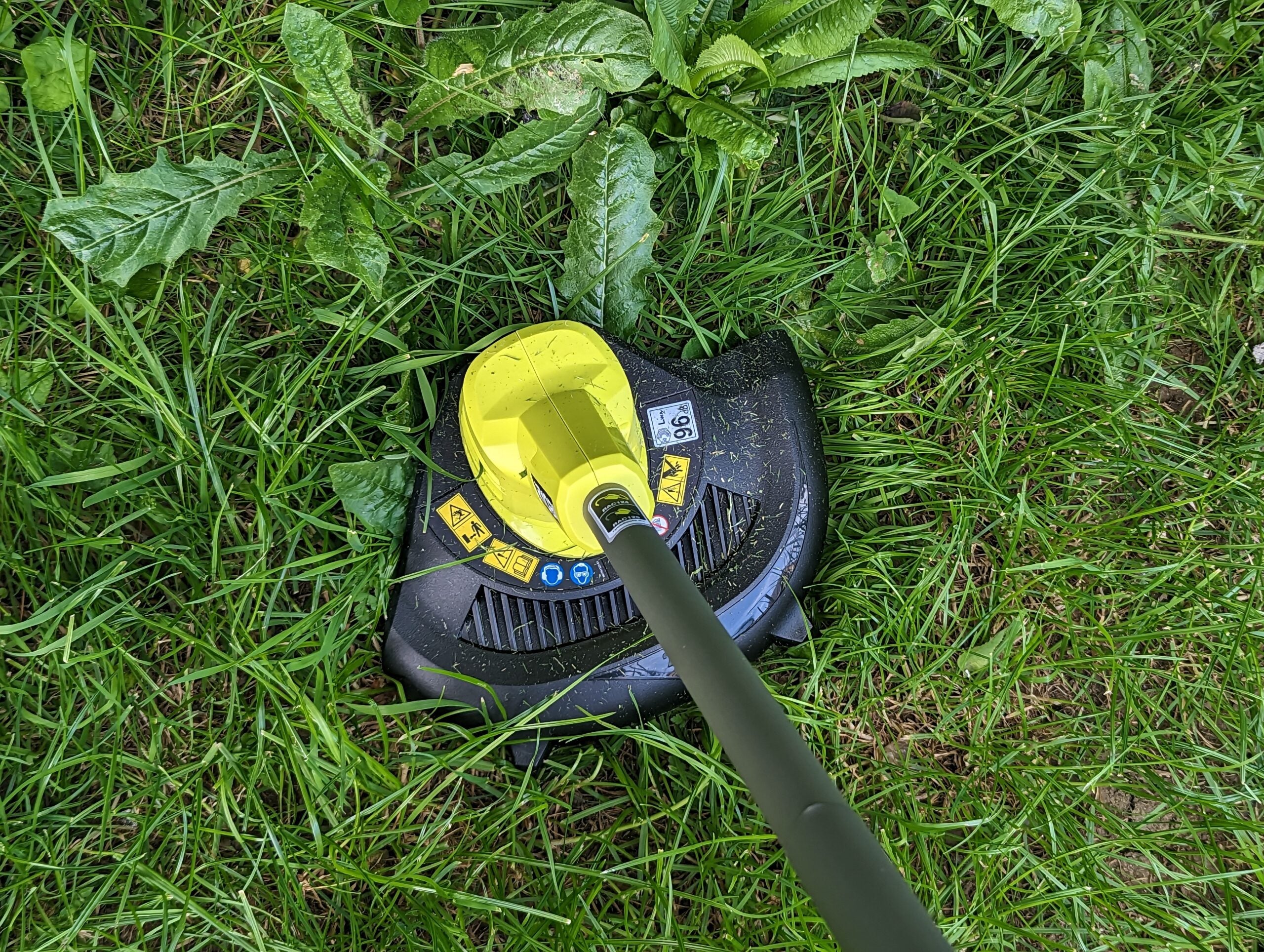
How to Keep String Trimmer Line From Sticking: The Complete Guide
A sticking trimmer line turns a quick job into pure frustration. You can learn how to keep string trimmer line from sticking fast. Most lines are nylon, and nylon drinks in moisture from air. This guide shows five easy steps that keep line smooth.
Sticking comes from bad storage, tight winding, or old line. Fix each cause and the line feeds free on every job. You will learn the soak, wind, and storage steps that work. The tables below show the facts side by side for quick reading.
Good line care also makes the trimmer last far longer. Check the line often and swap it when it turns brittle. Small habits stop most sticking before it ever starts. Read on to keep your trimmer line smooth and free.
Quick answer: Soak dry line in water for 24 hours first. Wind the line even and snug without crossing the turns. Store the line in a cool, dry place away from sunlight. Buy good line and swap old line before it turns brittle. Clean the trimmer head so dirt never jams the feed.
How to Keep String Trimmer Line From Sticking: Key Points
Nylon line soaks up moisture and can stick to itself. Soaking the line in water keeps it soft and less prone to sticking. A clean, dry spool and a loose wind also help a lot. The Wikipedia page on string trimmers explains how these tools work.
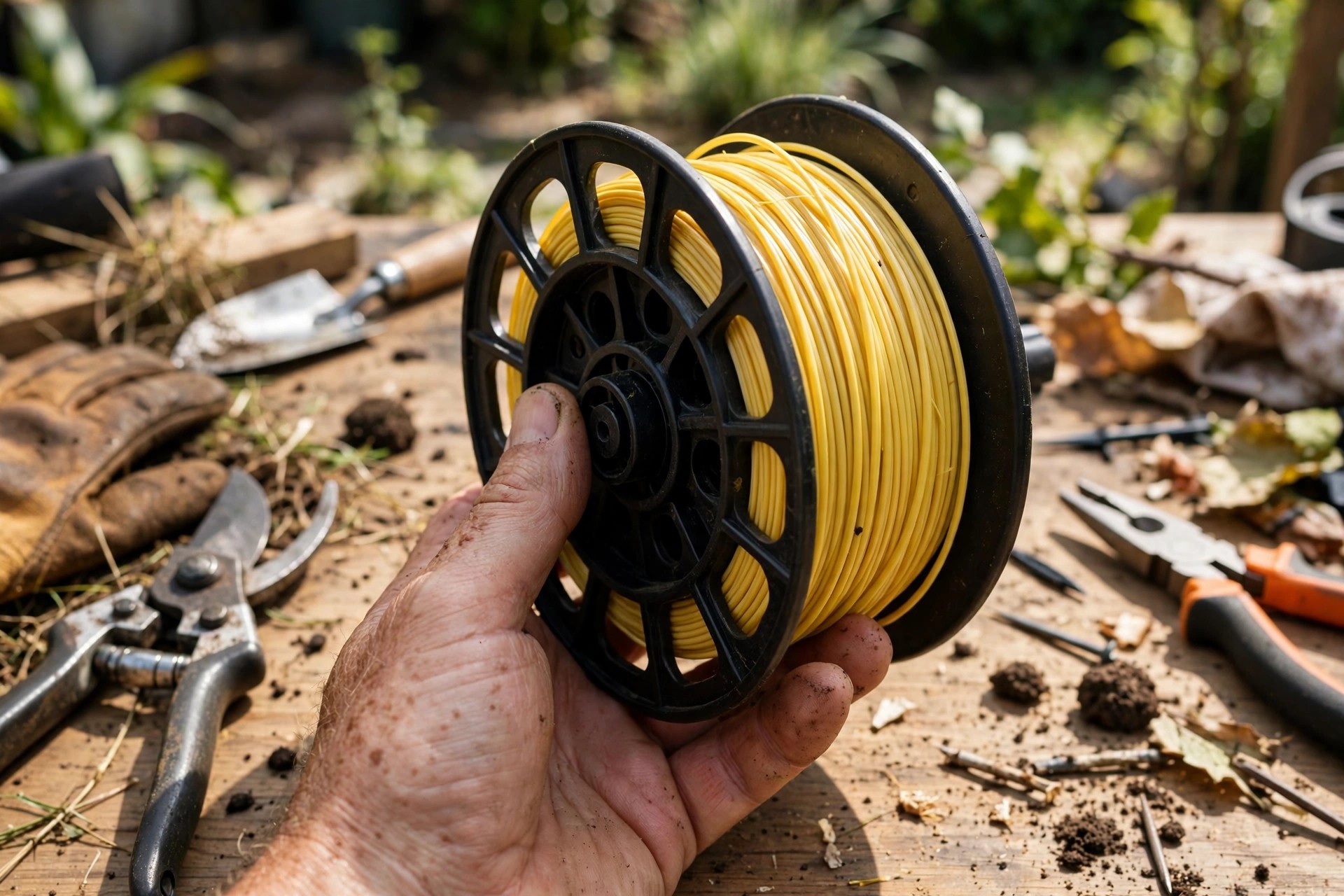
Why Line Sticks
Age, poor quality, and bad storage make line stick fast. Old line turns brittle and bonds to itself under heat. Crossed winds and a dirty head can jam the feed too. Our walk-behind trimmer guide shows how to string a trimmer right.
Use High-Quality Trimmer Line
Good line resists sticking and runs smooth in the head. Strong line stands up to heat and hard pressure well. Cheap line may save cash but costs time on every job. The table below lists line shapes and their sticking risk.
| Line Shape | Sticking Risk |
|---|---|
| Round | Least likely to stick |
| Square | Cuts well, sticks more |
| Twisted | Strong cut, sticks more |
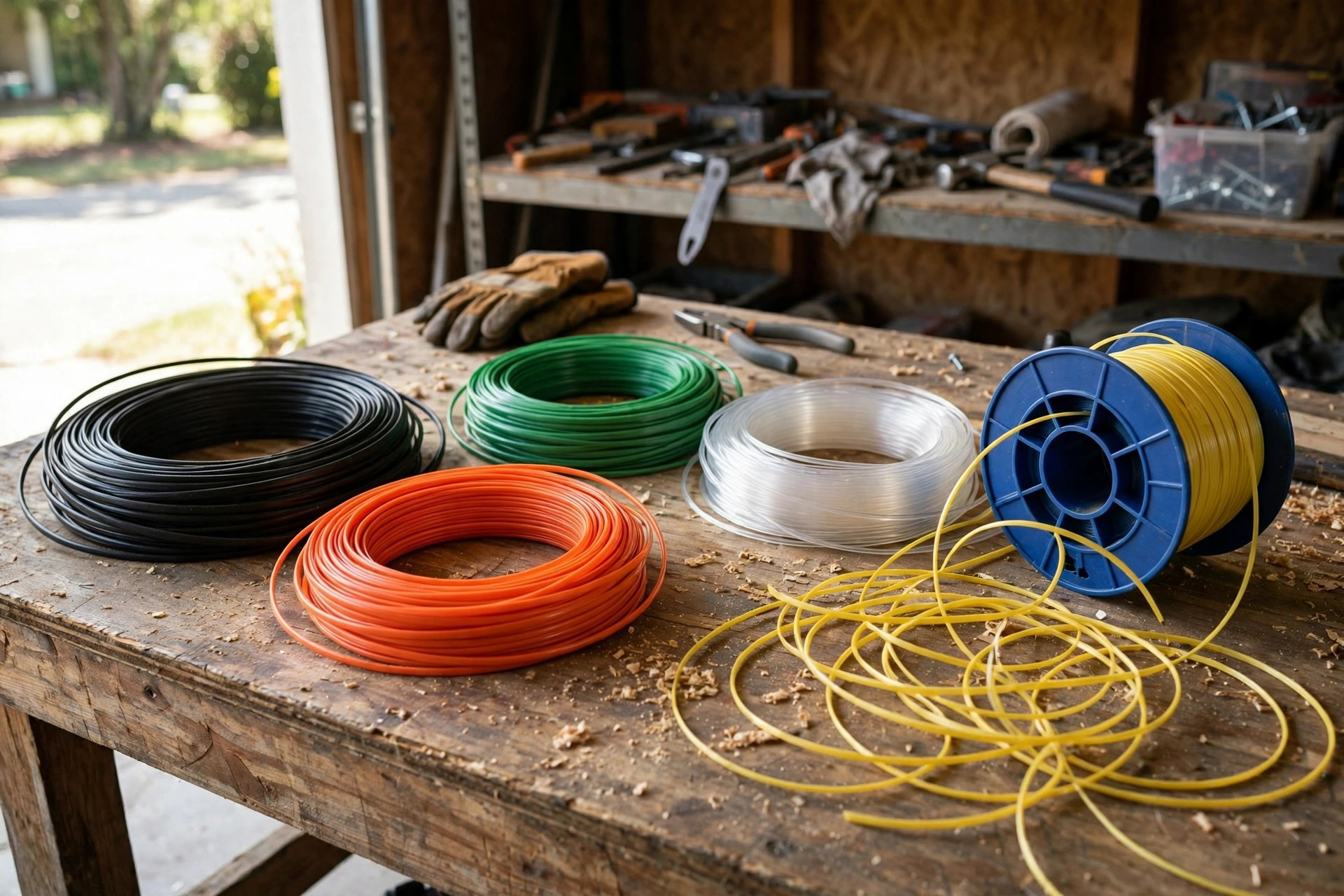
Choose the Right Line
Match the line size to your trimmer and your task. Thick lines cut heavy growth while thin lines suit light work. Round lines stick least, so pick them when they fit. Our Poulan Pro guide shows how to string that trimmer right.
Wind the Line Correctly
Bad winding makes line stick, jam, and feed poorly. Start at the line end and lay it flat on the spool. Wind steady in the marked direction and keep tension even. A loose wind keeps the turns from bonding to each other.
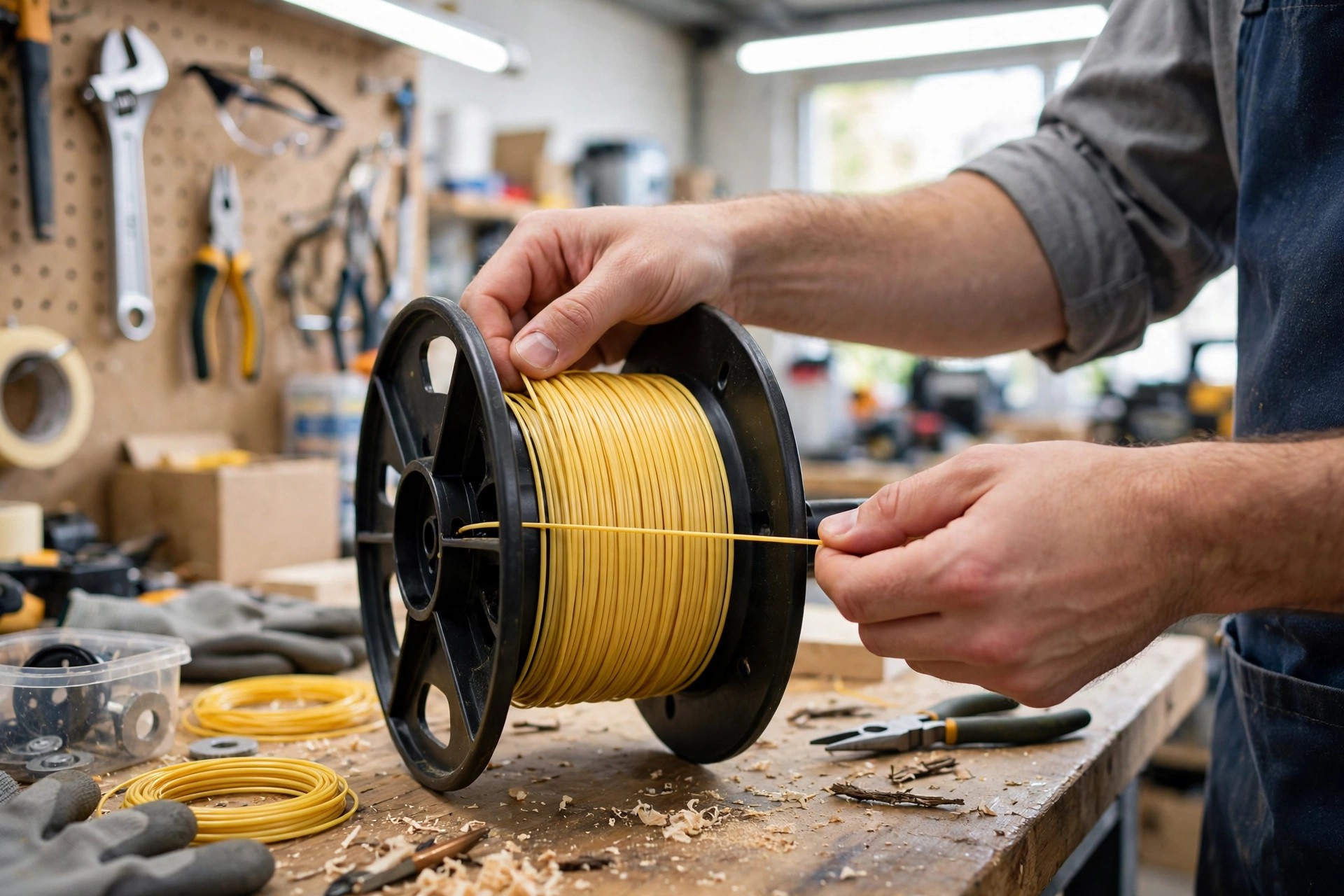
Proper Winding Technique
Wind in the arrow direction and keep the line taut. Leave small gaps so the turns never bond to each other. Lock the line end in the spool slot when done. Our Cub Cadet guide shows how to string that trimmer right.
Please note: this guide gives two views on winding and storage. The intro calls for a loose wind to stop the line sticking. The winding step calls for an even, tight wind without overlap. Storage advice also differs, so keep the line cool and dry.
Store the Trimmer Line Correctly
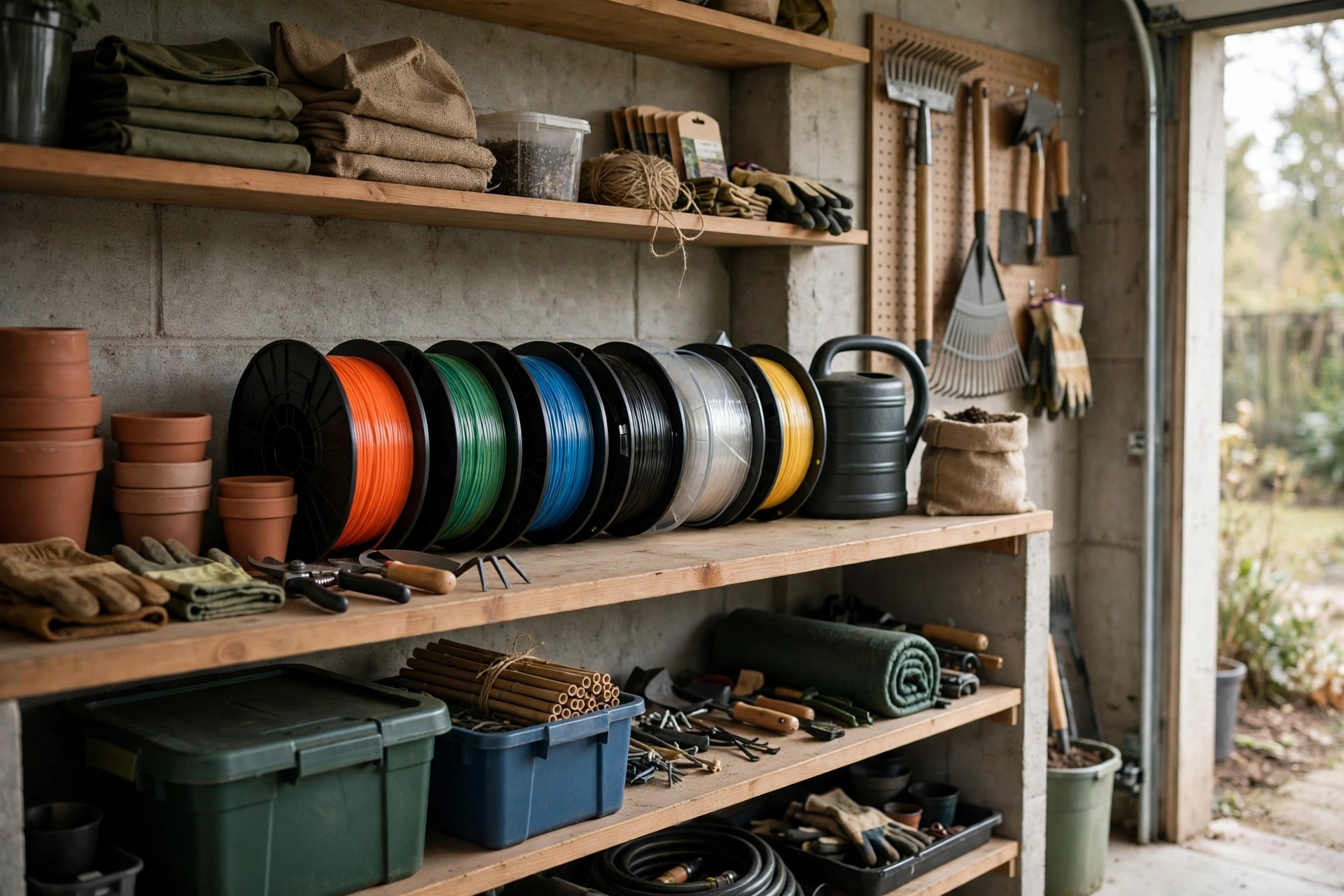
Bad storage makes line stick, so store it with care. Keep the line cool and dry, away from direct sunlight. A pinch of graphite or talcum powder cuts friction too. The table below lists each cause and its best fix.
| Cause | Fix |
|---|---|
| Old line | Replace it |
| Bad storage | Keep cool and dry |
| Tight winding | Wind even with gaps |
| Dirty head | Clean and lube the head |
Soak Dry or Stiff Lines
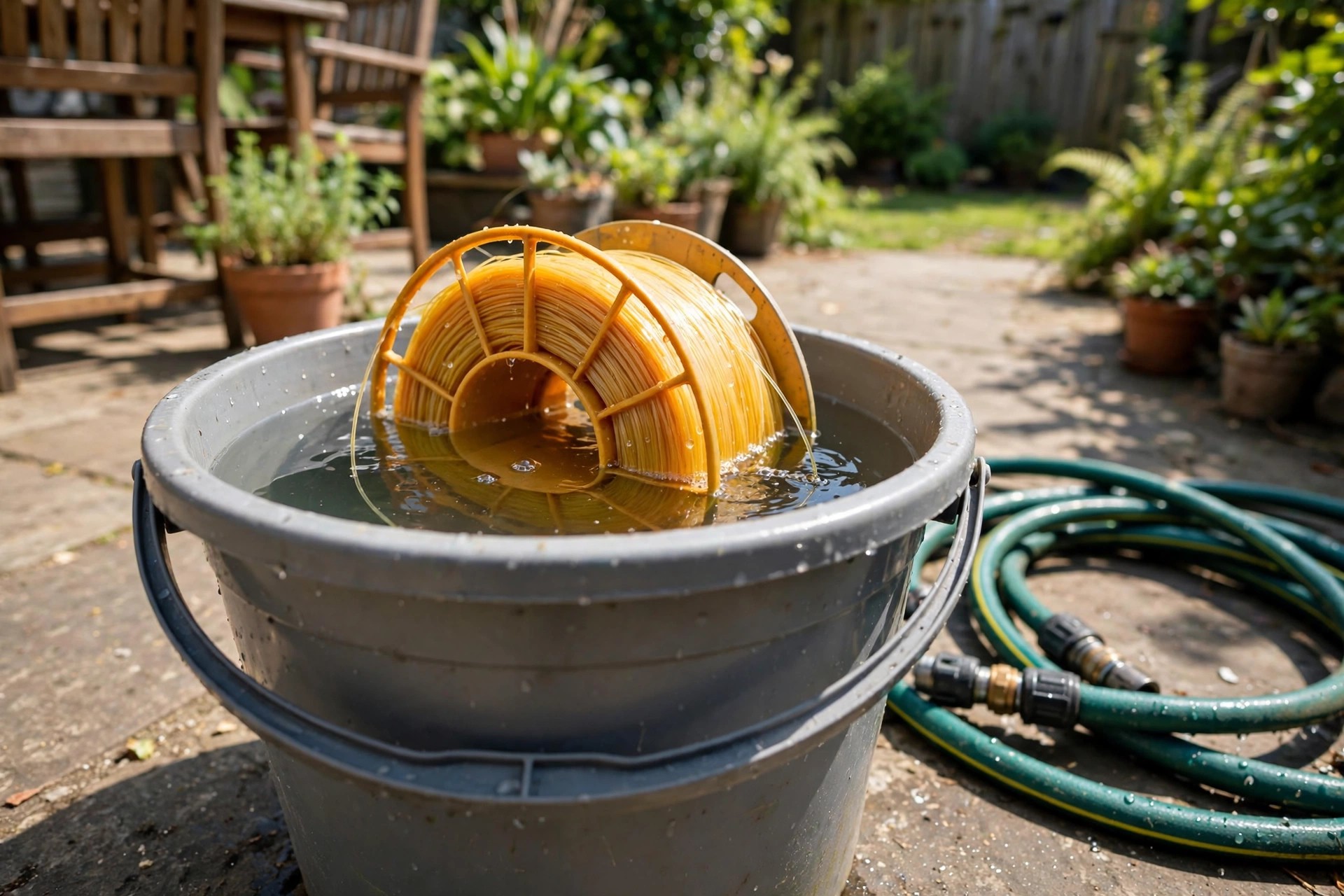
Stiff line turns brittle when it sits unused for weeks. Soak the line in water for 24 hours before use. Soaking makes the nylon soft, smooth, and less sticky. Our blade life guide tells you when trimmer parts wear out.
Replace Old Lines on Time
Old line sticks more as heat and pressure wear it down. Swap the line on a set schedule based on use. Fresh line feeds free and cuts clean on every pass. The table below lists the care tasks and their timing.
| Care Task | When |
|---|---|
| Check the line | Before each use |
| Clean the head | After each use |
| Soak stiff line | Before use |
| Replace old line | When brittle or worn |

Check the Head Too
A dirty head can jam the line and stop the feed. Clean the head and add a light lube for smooth feed. Our sharpening guide shows how to keep blades keen and safe. If the line still sticks, check for age or damage first.
A worn trimmer can also jam the line on tough jobs. Our trimmer not working guide covers the common faults to check. Fix the fault first so the line feeds free again. Good care keeps the whole trimmer running smooth.
Frequently Asked Questions
What causes a string trimmer line to stick?
Age, low quality, and bad storage make line stick fast. A dry, hot spot can turn line brittle and bond it. Crossed winds and a dirty head can jam the feed too. Old line under heat and pressure sticks worst of all.
How can I prevent my trimmer line from sticking?
Buy good line and store it cool and dry always. Wind the spool even and swap old line on time. Keep the trimmer head clean and lightly lubed for feed. Soak stiff line for a day to restore its flex.
Can using a different type of trimmer line reduce sticking?
Yes, round lines stick least because of their smooth shape. Pick the line shape that fits your trimming task best. Good quality line also sticks less and cuts far better. Match the line to the job, not just to the price.
What should I do if my trimmer line keeps sticking?
Check the line for age, cracks, or clear damage first. Swap old or worn line for fresh line right away. Move the line to a cool, dry spot away from sun. Clean and lube the head, then rewind the spool even.
Are there special techniques to wind a spool without sticking?
Wind tight and even in the marked spool direction always. Leave small gaps so the turns never bond to each other. Soak the line for 24 hours to boost flex before use. Our grass trimmer guide covers use on lawns and paths.
Conclusion: How to Keep String Trimmer Line From Sticking
So, how to keep string trimmer line from sticking on jobs? Soak stiff line, wind it even, and store it cool and dry. Buy good line and swap old line before it turns brittle. Clean the head so the line feeds free on every pass.
Check the line each use and handle it with care. Small habits stop sticking before it ever starts at all. Round line sticks least when it fits your trimming task. A smooth line makes trimming quick, easy, and fun again.