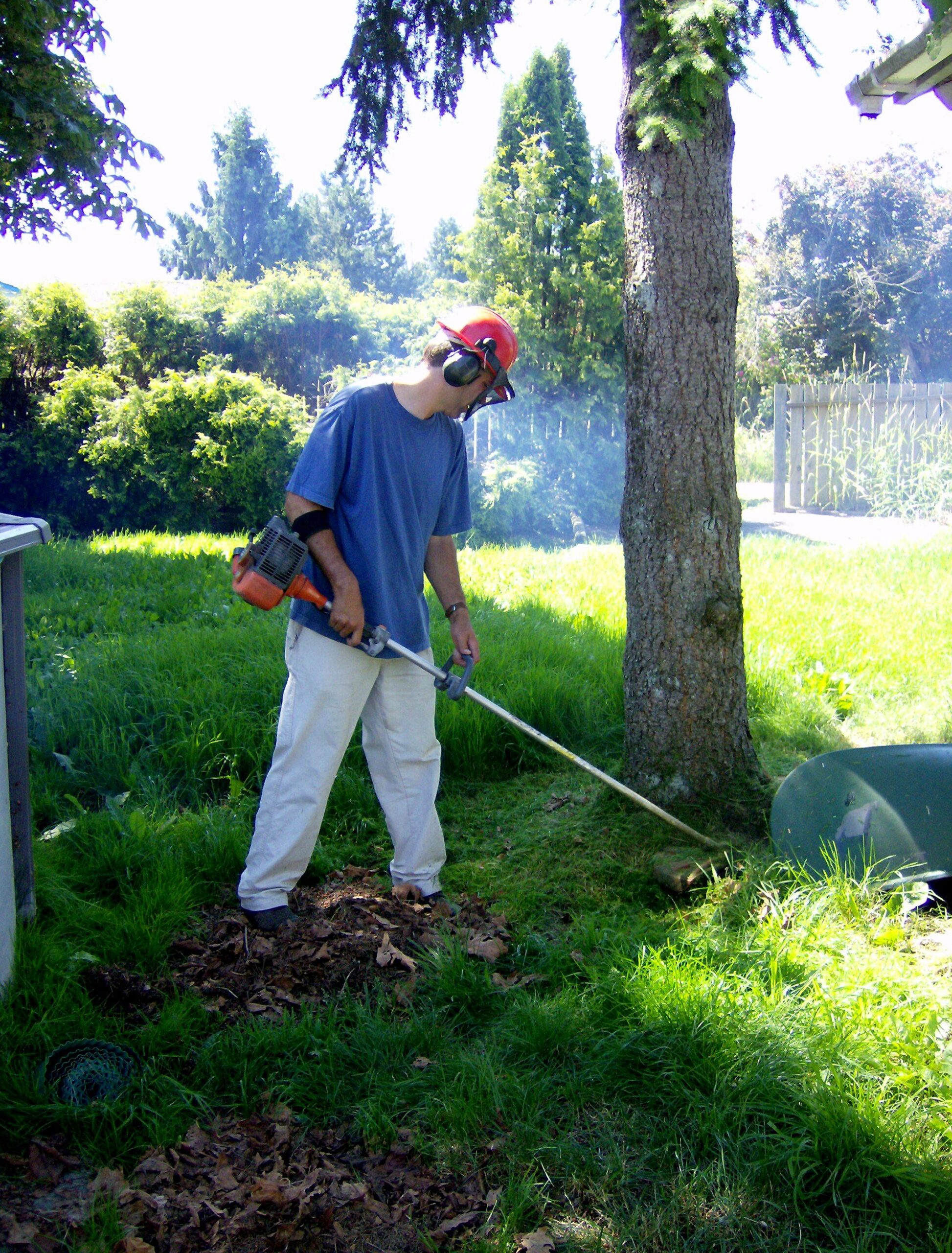
The frequency at which you should replace the string in your trimmer largely depends on how often you use it and the type of grass or weed you’re cutting. If you use your string trimmer often or your lawn has coarse grass or thick weeds, you may need to replace the line more frequently.
As a rule of thumb, though, check the string before each use. If it looks frayed or worn out, it’s probably time for a replacement. Chemically treated or premium lines usually last longer than basic plastic lines. Always refer to your user manual for specific recommendations regarding line replacements.
What is the correct cutting technique to use with a string trimmer?
Using the correct cutting technique when working with a string trimmer can significantly improve your results and increase the tool’s efficiency. The recommended technique is the “swing” or “fanning” method where you sweep the trimmer head back and forth in a gentle arc. The idea is to “sweep” the grass or weeds off at their base.
Also remember that most string trimmers cut more effectively when swung from right to left since the strings rotate in a counter-clockwise direction. This motion throws debris away from the operator and into the already trimmed area. Keep in mind that patience and practice are key to mastering the cutting technique.
How to STRING TRIM like a PRO 😎😎😎
Final Words
Let’s just recap that using a string trimmer efficiently requires a safe and systematic approach. Always remember that safety should be your first concern, always wear safety gear and make sure your trimmer is in good working condition. Then, select the right thickness of a string, rest the edge of the trimmer on the ground and start to cut grass in a sweeping motion. Ensure your string trimmer is at the proper angle for effective cutting.
Avoiding damage to plants and trees that you don’t want to cut is also crucial, use a guard to ensure this. Cleaning is equally important after use, it extends the life span of your trimmer. With practice, you will get used to handling the machine and maneuvering it around your yard. I hope this guide helps you with your gardening tasks.
Maintenance of your string trimmer will not only prolong its lifespan but also enhance its effectiveness. For starters, you should regularly check the line and replace it when it’s worn out. Remember to use the recommended line size for your specific model. When not in usage, ensure that your string trimmer is stored in a dry, clean environment to prevent rusting or other issues.
If it’s fuel-powered, be sure to replace the spark plug and air filter as stipulated by the manufacturer. For electric models, regularly check the condition of the battery and replace it when needed. Conduct routine inspections for any damage to the machine, and get any necessary repairs done promptly.
How frequently should I replace the string in my trimmer?
The frequency at which you should replace the string in your trimmer largely depends on how often you use it and the type of grass or weed you’re cutting. If you use your string trimmer often or your lawn has coarse grass or thick weeds, you may need to replace the line more frequently.
As a rule of thumb, though, check the string before each use. If it looks frayed or worn out, it’s probably time for a replacement. Chemically treated or premium lines usually last longer than basic plastic lines. Always refer to your user manual for specific recommendations regarding line replacements.
What is the correct cutting technique to use with a string trimmer?
Using the correct cutting technique when working with a string trimmer can significantly improve your results and increase the tool’s efficiency. The recommended technique is the “swing” or “fanning” method where you sweep the trimmer head back and forth in a gentle arc. The idea is to “sweep” the grass or weeds off at their base.
Also remember that most string trimmers cut more effectively when swung from right to left since the strings rotate in a counter-clockwise direction. This motion throws debris away from the operator and into the already trimmed area. Keep in mind that patience and practice are key to mastering the cutting technique.
How to STRING TRIM like a PRO 😎😎😎
Final Words
Let’s just recap that using a string trimmer efficiently requires a safe and systematic approach. Always remember that safety should be your first concern, always wear safety gear and make sure your trimmer is in good working condition. Then, select the right thickness of a string, rest the edge of the trimmer on the ground and start to cut grass in a sweeping motion. Ensure your string trimmer is at the proper angle for effective cutting.
Avoiding damage to plants and trees that you don’t want to cut is also crucial, use a guard to ensure this. Cleaning is equally important after use, it extends the life span of your trimmer. With practice, you will get used to handling the machine and maneuvering it around your yard. I hope this guide helps you with your gardening tasks.
To achieve an effective trimming, you should hold the string trimmer at an angle of about 30 degrees to the ground. This angle allows the line to reach the grass and cut it properly. Keep in mind that the string trimmer is designed to cut grass and weeds vertically, not horizontally like a mower.
Adjust your position and the angle of the trimmer as needed. Keep the machine at a comfortable level; not too high that it strains your arms, and certainly not too low that it strains your back. Try to maintain a steady, even motion as you move along for the best results.
How do I maintain my string trimmer for long-term usage?
Maintenance of your string trimmer will not only prolong its lifespan but also enhance its effectiveness. For starters, you should regularly check the line and replace it when it’s worn out. Remember to use the recommended line size for your specific model. When not in usage, ensure that your string trimmer is stored in a dry, clean environment to prevent rusting or other issues.
If it’s fuel-powered, be sure to replace the spark plug and air filter as stipulated by the manufacturer. For electric models, regularly check the condition of the battery and replace it when needed. Conduct routine inspections for any damage to the machine, and get any necessary repairs done promptly.
How frequently should I replace the string in my trimmer?
The frequency at which you should replace the string in your trimmer largely depends on how often you use it and the type of grass or weed you’re cutting. If you use your string trimmer often or your lawn has coarse grass or thick weeds, you may need to replace the line more frequently.
As a rule of thumb, though, check the string before each use. If it looks frayed or worn out, it’s probably time for a replacement. Chemically treated or premium lines usually last longer than basic plastic lines. Always refer to your user manual for specific recommendations regarding line replacements.
What is the correct cutting technique to use with a string trimmer?
Using the correct cutting technique when working with a string trimmer can significantly improve your results and increase the tool’s efficiency. The recommended technique is the “swing” or “fanning” method where you sweep the trimmer head back and forth in a gentle arc. The idea is to “sweep” the grass or weeds off at their base.
Also remember that most string trimmers cut more effectively when swung from right to left since the strings rotate in a counter-clockwise direction. This motion throws debris away from the operator and into the already trimmed area. Keep in mind that patience and practice are key to mastering the cutting technique.
How to STRING TRIM like a PRO 😎😎😎
Final Words
Let’s just recap that using a string trimmer efficiently requires a safe and systematic approach. Always remember that safety should be your first concern, always wear safety gear and make sure your trimmer is in good working condition. Then, select the right thickness of a string, rest the edge of the trimmer on the ground and start to cut grass in a sweeping motion. Ensure your string trimmer is at the proper angle for effective cutting.
Avoiding damage to plants and trees that you don’t want to cut is also crucial, use a guard to ensure this. Cleaning is equally important after use, it extends the life span of your trimmer. With practice, you will get used to handling the machine and maneuvering it around your yard. I hope this guide helps you with your gardening tasks.
Safety should always be the number one priority when using any tool, and a string trimmer is no exception. Firstly, always wear the correct protective gear. This includes safety goggles to protect your eyes from flying debris, sturdy gloves, long pants, and closed-toe shoes.
Make sure that the area you will be working is clear of others, including pets. Always hold the trimmer with both hands, maintaining a firm grip. Lastly, avoid using the string trimmer on wet or damp grass as this increases the risk of slipping and injuring yourself.
At what angle should I hold the string trimmer for effective trimming?
To achieve an effective trimming, you should hold the string trimmer at an angle of about 30 degrees to the ground. This angle allows the line to reach the grass and cut it properly. Keep in mind that the string trimmer is designed to cut grass and weeds vertically, not horizontally like a mower.
Adjust your position and the angle of the trimmer as needed. Keep the machine at a comfortable level; not too high that it strains your arms, and certainly not too low that it strains your back. Try to maintain a steady, even motion as you move along for the best results.
How do I maintain my string trimmer for long-term usage?
Maintenance of your string trimmer will not only prolong its lifespan but also enhance its effectiveness. For starters, you should regularly check the line and replace it when it’s worn out. Remember to use the recommended line size for your specific model. When not in usage, ensure that your string trimmer is stored in a dry, clean environment to prevent rusting or other issues.
If it’s fuel-powered, be sure to replace the spark plug and air filter as stipulated by the manufacturer. For electric models, regularly check the condition of the battery and replace it when needed. Conduct routine inspections for any damage to the machine, and get any necessary repairs done promptly.
How frequently should I replace the string in my trimmer?
The frequency at which you should replace the string in your trimmer largely depends on how often you use it and the type of grass or weed you’re cutting. If you use your string trimmer often or your lawn has coarse grass or thick weeds, you may need to replace the line more frequently.
As a rule of thumb, though, check the string before each use. If it looks frayed or worn out, it’s probably time for a replacement. Chemically treated or premium lines usually last longer than basic plastic lines. Always refer to your user manual for specific recommendations regarding line replacements.
What is the correct cutting technique to use with a string trimmer?
Using the correct cutting technique when working with a string trimmer can significantly improve your results and increase the tool’s efficiency. The recommended technique is the “swing” or “fanning” method where you sweep the trimmer head back and forth in a gentle arc. The idea is to “sweep” the grass or weeds off at their base.
Also remember that most string trimmers cut more effectively when swung from right to left since the strings rotate in a counter-clockwise direction. This motion throws debris away from the operator and into the already trimmed area. Keep in mind that patience and practice are key to mastering the cutting technique.
How to STRING TRIM like a PRO 😎😎😎
Final Words
Let’s just recap that using a string trimmer efficiently requires a safe and systematic approach. Always remember that safety should be your first concern, always wear safety gear and make sure your trimmer is in good working condition. Then, select the right thickness of a string, rest the edge of the trimmer on the ground and start to cut grass in a sweeping motion. Ensure your string trimmer is at the proper angle for effective cutting.
Avoiding damage to plants and trees that you don’t want to cut is also crucial, use a guard to ensure this. Cleaning is equally important after use, it extends the life span of your trimmer. With practice, you will get used to handling the machine and maneuvering it around your yard. I hope this guide helps you with your gardening tasks.
Knowing how to properly use a string trimmer can significantly improve your garden’s appearance, while also ensuring the longevity of this versatile tool. Adhering to these tips and guidelines will enable you to master the art of string trimming in no time, helping you to maintain an impeccable yard that is the envy of your neighbors. Remember, practice is key – don’t get discouraged if your first few attempts don’t yield a perfectly manicured lawn. Keep at it, and in time, you’re sure to get it right.
How to Use a String Trimmer – 10 Skills to Master
Frequently Asked Questions
String trimmers, often referred to as weed eaters or weed whackers, are vital tools when it comes to lawn maintenance. Despite their importance, many people are uncertain about how to properly use these machines. Here are some commonly asked questions and their answers.
Which safety measures should I take while using a string trimmer?
Safety should always be the number one priority when using any tool, and a string trimmer is no exception. Firstly, always wear the correct protective gear. This includes safety goggles to protect your eyes from flying debris, sturdy gloves, long pants, and closed-toe shoes.
Make sure that the area you will be working is clear of others, including pets. Always hold the trimmer with both hands, maintaining a firm grip. Lastly, avoid using the string trimmer on wet or damp grass as this increases the risk of slipping and injuring yourself.
At what angle should I hold the string trimmer for effective trimming?
To achieve an effective trimming, you should hold the string trimmer at an angle of about 30 degrees to the ground. This angle allows the line to reach the grass and cut it properly. Keep in mind that the string trimmer is designed to cut grass and weeds vertically, not horizontally like a mower.
Adjust your position and the angle of the trimmer as needed. Keep the machine at a comfortable level; not too high that it strains your arms, and certainly not too low that it strains your back. Try to maintain a steady, even motion as you move along for the best results.
How do I maintain my string trimmer for long-term usage?
Maintenance of your string trimmer will not only prolong its lifespan but also enhance its effectiveness. For starters, you should regularly check the line and replace it when it’s worn out. Remember to use the recommended line size for your specific model. When not in usage, ensure that your string trimmer is stored in a dry, clean environment to prevent rusting or other issues.
If it’s fuel-powered, be sure to replace the spark plug and air filter as stipulated by the manufacturer. For electric models, regularly check the condition of the battery and replace it when needed. Conduct routine inspections for any damage to the machine, and get any necessary repairs done promptly.
How frequently should I replace the string in my trimmer?
The frequency at which you should replace the string in your trimmer largely depends on how often you use it and the type of grass or weed you’re cutting. If you use your string trimmer often or your lawn has coarse grass or thick weeds, you may need to replace the line more frequently.
As a rule of thumb, though, check the string before each use. If it looks frayed or worn out, it’s probably time for a replacement. Chemically treated or premium lines usually last longer than basic plastic lines. Always refer to your user manual for specific recommendations regarding line replacements.
What is the correct cutting technique to use with a string trimmer?
Using the correct cutting technique when working with a string trimmer can significantly improve your results and increase the tool’s efficiency. The recommended technique is the “swing” or “fanning” method where you sweep the trimmer head back and forth in a gentle arc. The idea is to “sweep” the grass or weeds off at their base.
Also remember that most string trimmers cut more effectively when swung from right to left since the strings rotate in a counter-clockwise direction. This motion throws debris away from the operator and into the already trimmed area. Keep in mind that patience and practice are key to mastering the cutting technique.
How to STRING TRIM like a PRO 😎😎😎
Final Words
Let’s just recap that using a string trimmer efficiently requires a safe and systematic approach. Always remember that safety should be your first concern, always wear safety gear and make sure your trimmer is in good working condition. Then, select the right thickness of a string, rest the edge of the trimmer on the ground and start to cut grass in a sweeping motion. Ensure your string trimmer is at the proper angle for effective cutting.
Avoiding damage to plants and trees that you don’t want to cut is also crucial, use a guard to ensure this. Cleaning is equally important after use, it extends the life span of your trimmer. With practice, you will get used to handling the machine and maneuvering it around your yard. I hope this guide helps you with your gardening tasks.
How many of us truly know the art of using a string trimmer? It’s a commonly used piece of gardening equipment, yet many of us fumble when it comes to using it effectively. I was once in a similar position, unaware of the proper method, shrugging it off as inconsequential until I faced a particularly stubborn patch of overgrown grass.
My journey to understand the string trimmer led me to dive into its history. It was fascinating to find that George Ballas, the inventor of the string trimmer, got inspired by the rotating brushes of a car wash. In fact, studies show that using a string trimmer can reduce the time spent in the yard by up to 65% if used correctly. Indeed, knowing how to correctly angle the trimmer head, maintain a steady swing, and trim in the right direction, transformed my yard maintenance significantly.
- First, secure your environment. Trim away from structures and people.
- Next, hold the string trimmer with both hands, ensuring a secure grip.
- Keep the trimmer close but at a safer distance, approximately an arm’s length away.
- Always cut from right to left. This is efficient and safer.
- Allow the tip of the line to do the cutting, avoid using the full line.
Mastering the Art of Handling a String Trimmer
String trimmers, often referred to as weed whackers or weed eaters, are a vital component of any DIY gardener or professional landscaper’s equipment collection. Learning how to properly use a string trimmer not only helps you achieve an immaculate lawn but also ensures the longevity of the machine and enhances safety. This comprehensive guide will walk you through a step-by-step process to master the use of a string trimmer.
Step 1: Getting to Know Your String Trimmer
The primary step in knowing how to properly use a string trimmer is understanding the different parts of your tool. A typical string trimmer consists of a cutting head at the bottom, a long shaft in the middle, and a handle and engine at the top. In some models, the engine might be at the bottom close to the cutting head.
The cutting head is usually a reel that spins rapidly to cut grass and small weeds. The manner in which the string trimmer uses the line—whether it’s automatic feed, bumped feed, or fixed line—can influence the performance and efficiency of your work. Learning about these functions can help you maximally use your string trimmer.
The shaft not only transfers power from the engine to the cutting head but also helps in guiding and controlling the trimmer. It is important to get comfortable with the weight and balance of the trimmer by practicing holding and maneuvering it before you start the actual trimming.
The engine could either be electric or gas-powered. Electric models are usually lightweight and offer unlimited trimming time as long as there’s power. Gas-powered trimmers, on the other hand, are more powerful and can handle tougher trimming tasks but generally require more maintenance.
Step 2: Preparing the String Trimmer for Use
Total readiness necessitates fueling up the string trimmer or ensuring it’s fully charged and adequately feeding the string line. For gas trimmers, use a fresh mix of fuel and oil as specified by the manufacturer. For electric trimmers, make sure the batteries are fully charged. Some cordless models may also use an extension cord, so make sure the cord is long enough to cover your entire yard.
No matter the model, confirm that the cutting shield is correctly installed. It shields you from flying debris and helps control the length of the cutting string. For many models, the line feed is automatic; however, if your trimmer needs manual feeding, monitor the line length to assure it’s functioning at peak performance. The manual should guide you on the correct line length for your model.
Always wear appropriate safety equipment before starting your trimming project. Protection gear may include long pants, gloves, boots, safety glasses, and ideally, hearing protection. This protective equipment will protect you from any debris that may fly off while trimming.
An often-overlooked aspect of preparing to use a string trimmer is clearing the area before starting. Remove any objects that can disrupt your work or harm you or the string trimmer, such as rocks, hard-stemmed plants, or large twigs.
Step 3: Correctly Operating the String Trimmer
Knowing how to operate your string trimmer is fundamental to how to properly use a string trimmer. First, start up your trimmer – this process varies based on your trimmer model, i.e., whether it’s an electric or gas-powered trimmer. Electric trimmers usually require you just to push a button, while gas-powered ones may require a choke function and a pull-start.
Hold the string trimmer correctly. Your right hand should be on the throttle, and the left should be on the handle-bar located in the middle of the shaft. This applies vice versa if you’re left-handed. You should hold the trimmer at a slight angle, with the cutting string barely touching the ground.
This position lets you use the very tip of your string, allowing for the most cutting power and less wear on the string. A common mistake is to use the flat side of the string, causing uneven grass cutting and increased line wear.
Using your string trimmer, make a sweeping motion. Move from right to left for a cleaner cut as the trimmer rotates anti-clockwise. This motion ensures the cut material is swept away on the left side and not onto your working path.
Step 4: Maintaining Your String Trimmer
Like all tools, your string trimmer requires regular maintenance to maximize its functionality and prolong its life span. This involves cleaning the trimmer after each use, adjusting or replacing the spark plug (for gas-powered models), regularly checking the air filter, and lubricating the cutting head.
It’s also advisable to replace the cutting string as necessary. For most string trimmers, the string wears out over time and needs replacing. The frequency of change depends on how often and for what tasks you use the string trimmer.
A crucial part of maintaining your string trimmer is storing it correctly: in a clean, dry space, preferably hung up with the engine at the top. This position helps keep all the fuel at the bottom and avoids leakage or damage to the engine.
Lastly, before cold weather sets in, do a thorough clean, drain the fuel (for gas-powered trimmers), and store your tool in a warm place. This end-of-season care will help your trimmer be in perfect condition for the next season.
Step 5: Perfecting Your Trimming Technique
Beyond understanding how to operate and care for your string trimmer, fine-tuning your trimming technique can enhance your tool’s efficiency and achieve a better cut quality. This mastery comes with practice, but there are a few tips to set you off on the right path.
It is essential to keep the trimmer line as parallel to the ground as possible. This position will provide an even cut and help prevent scalping the grass. Keep in mind that certain areas might require a different approach, for example, a slight tilt with the cutting head slightly off the ground when edging your lawn, for a more professional finish.
Also, be mindful of your trimming speed. Rushing your trimming process can lead to messy work and increased wear and tear on your machine. An efficient, slow sweep from your right to your left will give you a more even cut and control over the grass length.
Additional Tips and Safety Measures When Using a String Trimmer
There are additional steps you can take to ensure you’re using your string trimmer properly. These relate to both the operation of the machine and your safety while using it.
One essential tip to note is to avoid operating the string trimmer when it’s raining or when the grass is still wet from a recent rainfall. The wet grass can clog your trimmer and also cause you to slip and injure yourself. Plus, the cut quality on wet grass is significantly reduced, leading to a messy and uneven lawn.
You should always be aware of your surroundings and the safety of others around you. If there are other people or pets, ensure that they are at a safe distance from your string trimmer. The machine can project small objects at high speeds, which could cause harm.
When it comes to safety too, be rapidly responsive to any unusual noise or vibration from the trimmer. If this happens, turn it off and check for any issues, such as threads wound around the cutting head or an unbalanced string. Maintaining and solving these small issues timely can save you from significant damage and costly repairs.
Knowing how to properly use a string trimmer can significantly improve your garden’s appearance, while also ensuring the longevity of this versatile tool. Adhering to these tips and guidelines will enable you to master the art of string trimming in no time, helping you to maintain an impeccable yard that is the envy of your neighbors. Remember, practice is key – don’t get discouraged if your first few attempts don’t yield a perfectly manicured lawn. Keep at it, and in time, you’re sure to get it right.
How to Use a String Trimmer – 10 Skills to Master
Frequently Asked Questions
String trimmers, often referred to as weed eaters or weed whackers, are vital tools when it comes to lawn maintenance. Despite their importance, many people are uncertain about how to properly use these machines. Here are some commonly asked questions and their answers.
Which safety measures should I take while using a string trimmer?
Safety should always be the number one priority when using any tool, and a string trimmer is no exception. Firstly, always wear the correct protective gear. This includes safety goggles to protect your eyes from flying debris, sturdy gloves, long pants, and closed-toe shoes.
Make sure that the area you will be working is clear of others, including pets. Always hold the trimmer with both hands, maintaining a firm grip. Lastly, avoid using the string trimmer on wet or damp grass as this increases the risk of slipping and injuring yourself.
At what angle should I hold the string trimmer for effective trimming?
To achieve an effective trimming, you should hold the string trimmer at an angle of about 30 degrees to the ground. This angle allows the line to reach the grass and cut it properly. Keep in mind that the string trimmer is designed to cut grass and weeds vertically, not horizontally like a mower.
Adjust your position and the angle of the trimmer as needed. Keep the machine at a comfortable level; not too high that it strains your arms, and certainly not too low that it strains your back. Try to maintain a steady, even motion as you move along for the best results.
How do I maintain my string trimmer for long-term usage?
Maintenance of your string trimmer will not only prolong its lifespan but also enhance its effectiveness. For starters, you should regularly check the line and replace it when it’s worn out. Remember to use the recommended line size for your specific model. When not in usage, ensure that your string trimmer is stored in a dry, clean environment to prevent rusting or other issues.
If it’s fuel-powered, be sure to replace the spark plug and air filter as stipulated by the manufacturer. For electric models, regularly check the condition of the battery and replace it when needed. Conduct routine inspections for any damage to the machine, and get any necessary repairs done promptly.
How frequently should I replace the string in my trimmer?
The frequency at which you should replace the string in your trimmer largely depends on how often you use it and the type of grass or weed you’re cutting. If you use your string trimmer often or your lawn has coarse grass or thick weeds, you may need to replace the line more frequently.
As a rule of thumb, though, check the string before each use. If it looks frayed or worn out, it’s probably time for a replacement. Chemically treated or premium lines usually last longer than basic plastic lines. Always refer to your user manual for specific recommendations regarding line replacements.
What is the correct cutting technique to use with a string trimmer?
Using the correct cutting technique when working with a string trimmer can significantly improve your results and increase the tool’s efficiency. The recommended technique is the “swing” or “fanning” method where you sweep the trimmer head back and forth in a gentle arc. The idea is to “sweep” the grass or weeds off at their base.
Also remember that most string trimmers cut more effectively when swung from right to left since the strings rotate in a counter-clockwise direction. This motion throws debris away from the operator and into the already trimmed area. Keep in mind that patience and practice are key to mastering the cutting technique.
How to STRING TRIM like a PRO 😎😎😎
Final Words
Let’s just recap that using a string trimmer efficiently requires a safe and systematic approach. Always remember that safety should be your first concern, always wear safety gear and make sure your trimmer is in good working condition. Then, select the right thickness of a string, rest the edge of the trimmer on the ground and start to cut grass in a sweeping motion. Ensure your string trimmer is at the proper angle for effective cutting.
Avoiding damage to plants and trees that you don’t want to cut is also crucial, use a guard to ensure this. Cleaning is equally important after use, it extends the life span of your trimmer. With practice, you will get used to handling the machine and maneuvering it around your yard. I hope this guide helps you with your gardening tasks.