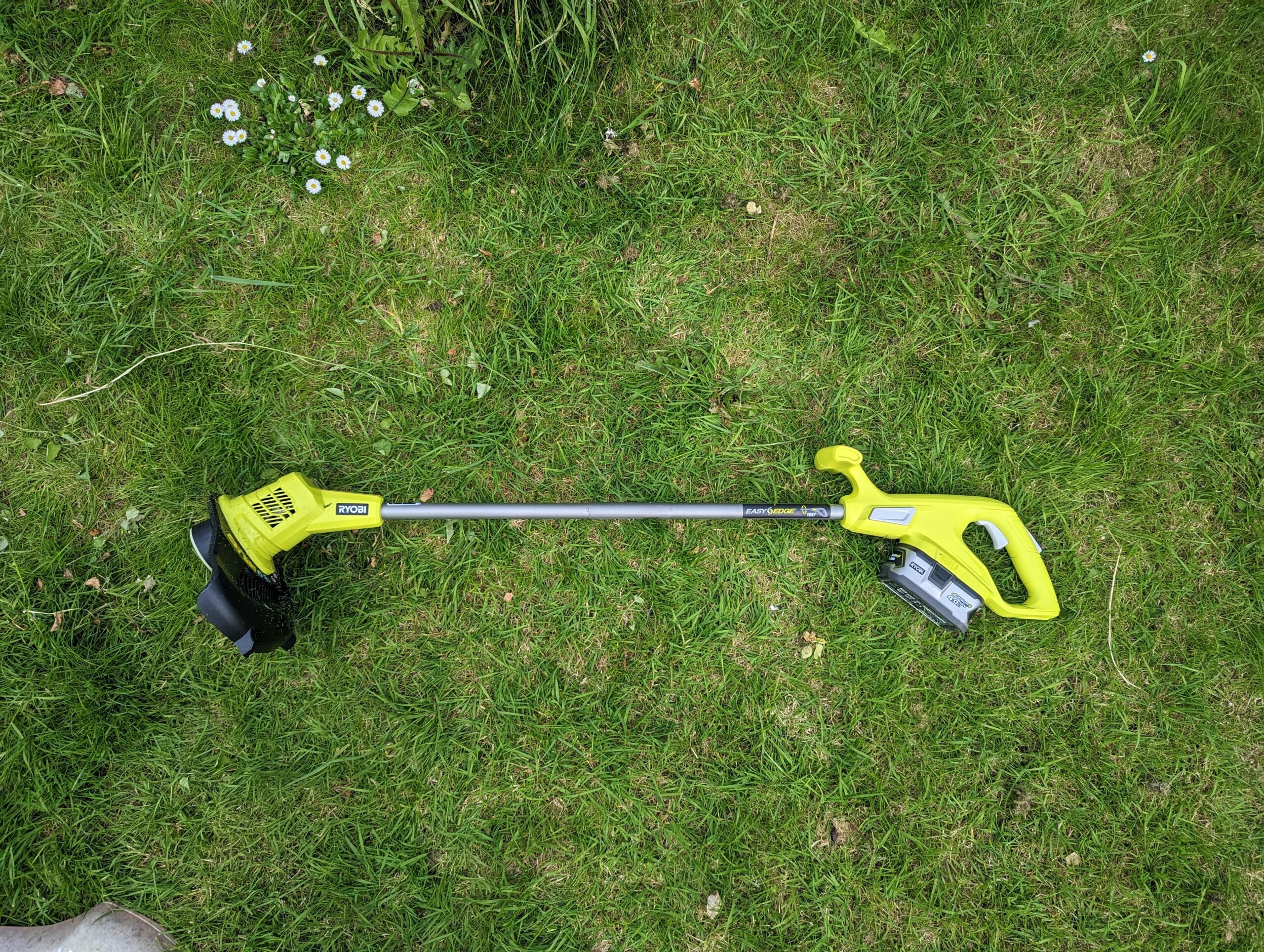
How to Edge a Sidewalk with a String Trimmer
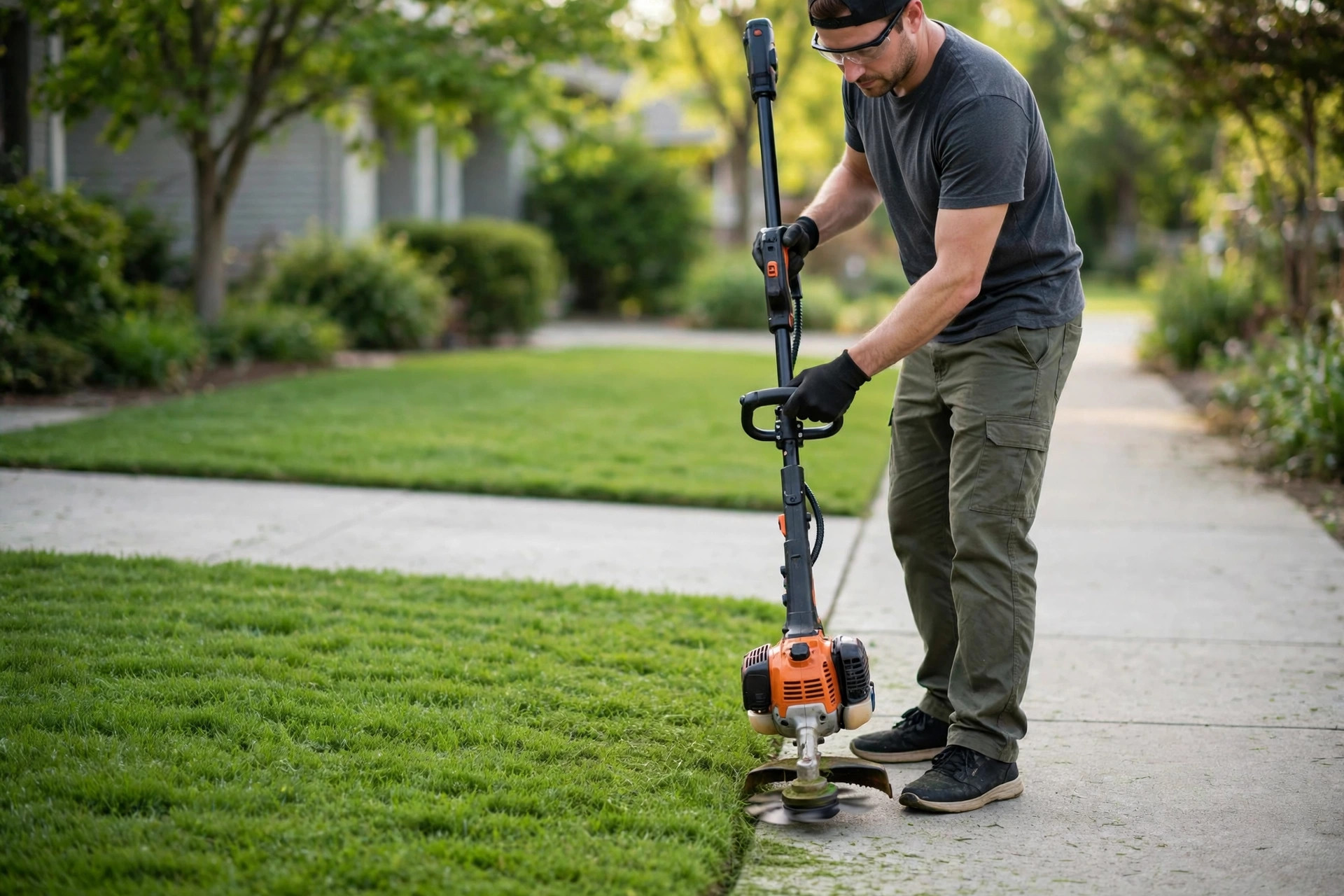
Picture this: your sidewalk is a canvas, and your string trimmer is the brush. A neat lawn starts with a clean, sharp sidewalk edge. That edge takes care and a steady hand. Once you learn it, the job adds curb appeal to your home. It also keeps weeds and grass off your walkways.
Edging a sidewalk takes skill and a careful eye. It shapes your yard like a gardener shapes fine topiary. This guide shows how to edge a sidewalk with a string trimmer step by step.
You will learn each move before you switch the tool on. Follow the steps in order for a neat, safe edge. Your sidewalk will look crisp and clean all season.
- To start, I position the string trimmer at the edge of the sidewalk.
- Next, we activate the trimmer and slowly walk along the edge, letting the string lightly touch the concrete to carve a clean line.
- Our team ensures not to push too deep to prevent damage to the concrete or trimmer.
- Finally, we maintain a steady pace to achieve a uniform and professional finish.
Quick answer: Hold the trimmer with both hands and turn the head upright. Walk slowly along the sidewalk edge and let the line cut a clean line. Keep the head tilted away from the path as you go. Sweep up the clippings when you finish.
How to Edge a Sidewalk with a String Trimmer
If you want a yard that looks clear and smart, learn this skill. A neat edge lifts the look of your whole yard. This guide shows each step to edge a sidewalk with a string trimmer. Stay with us and see what your trimmer can do. Start with our how to use a trimmer guide for the basics.
| Step | What you do | Key tip |
|---|---|---|
| 1 | Gather tools and safety gear | Glasses, gloves, thick line |
| 2 | Clear and mark the sidewalk | Hose or paint marks the line |
| 3 | Hold the trimmer upright | Line straight up and down |
| 4 | Edge slowly down the sidewalk | Use the guide wheel if fitted |
| 5 | Clean up and care for the tool | Sweep clippings and dry the tool |
Gather Your Equipment
Step 1: Gather Your Equipment
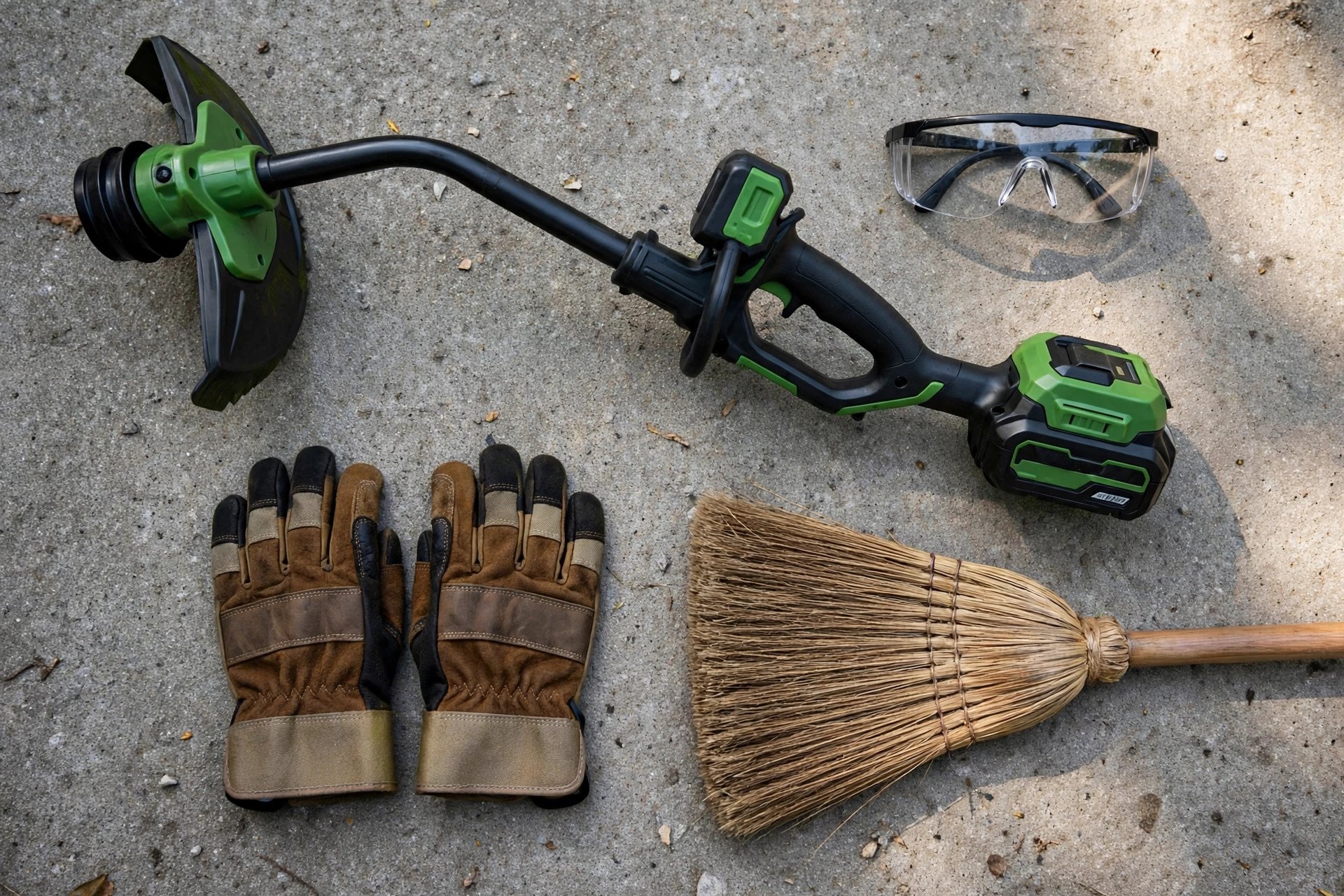
First and foremost, ensure that you have all your necessary tools in place. This unsaid rule holds valid for all landscaping chores, including this one. Of course, the primary requirement is a string trimmer. Safety gear like glasses and gloves guards you well. That gear shields you from flying bits and harm.
Pick your trimmer to fit the size of your yard. A bigger space may need a stronger tool. A gas trimmer suits big yards with its strong power. It also moves free with no cord to hold you back.
For smaller lawns, an electric or battery-powered version will suffice. They are less expensive, quieter, and environment friendly. Electric tools cost less and run much quieter too.
Buy a good trimmer with a swath that fits your yard. Too wide or too tight can both cause trouble. A wide swath cuts more grass in each pass. A narrow swath gives you more care and control. See how to buy a string trimmer before you pick one.
Finally, remember to use a thick, heavy-duty trimmer line. It enhances durability and cutting strength, ensuring cleaner and precise edging. Thick line holds up well against concrete and tough weeds.
Prepare Your Sidewalk
Step 2: Prepare Your Sidewalk
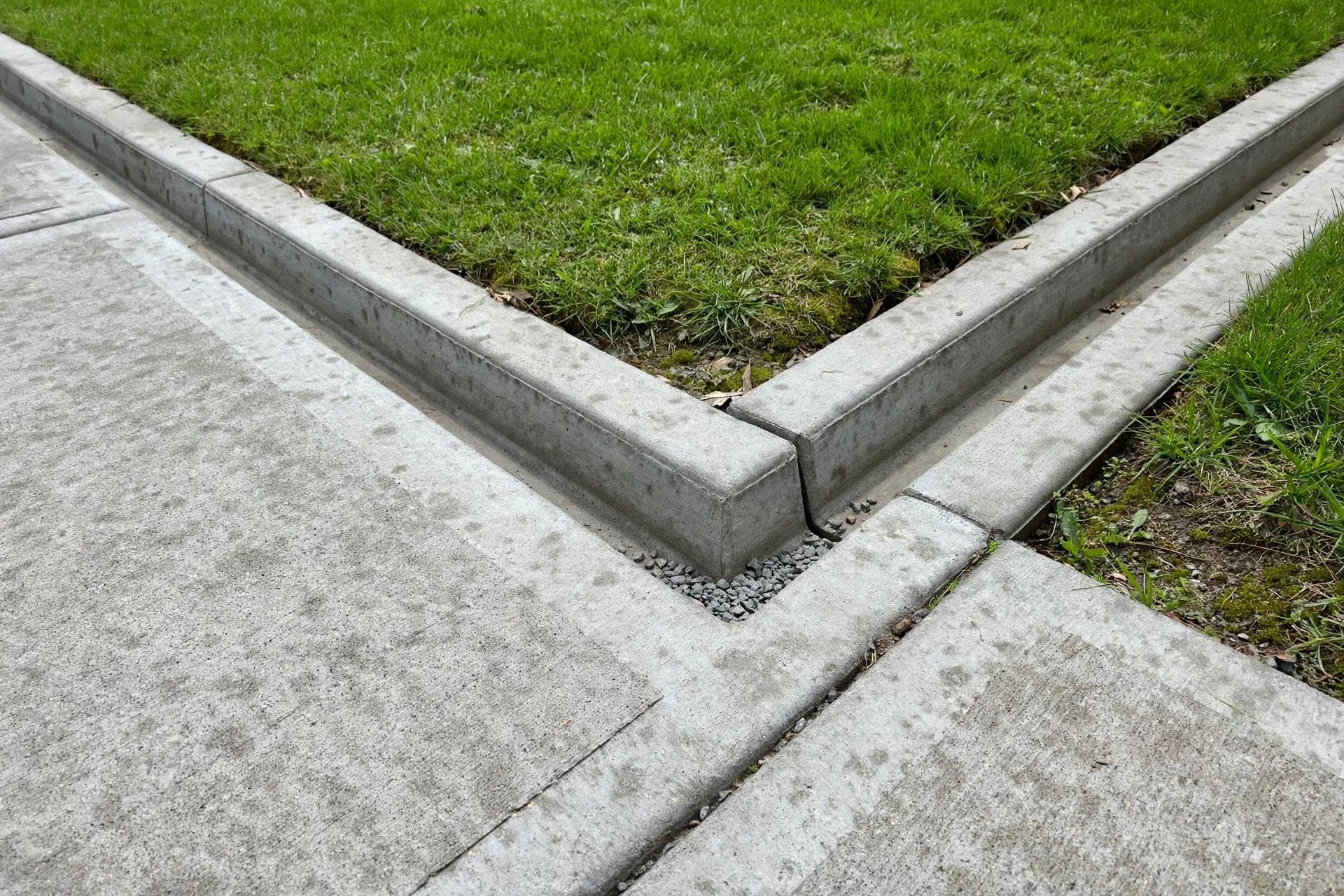
Preparation is crucial before you learn ‘how to edge a sidewalk with a string trimmer?’. Start by clearing leaves, twigs, and loose debris. Those bits can block the path of your trimmer line. Using a broom or leaf blower can make this job easier.
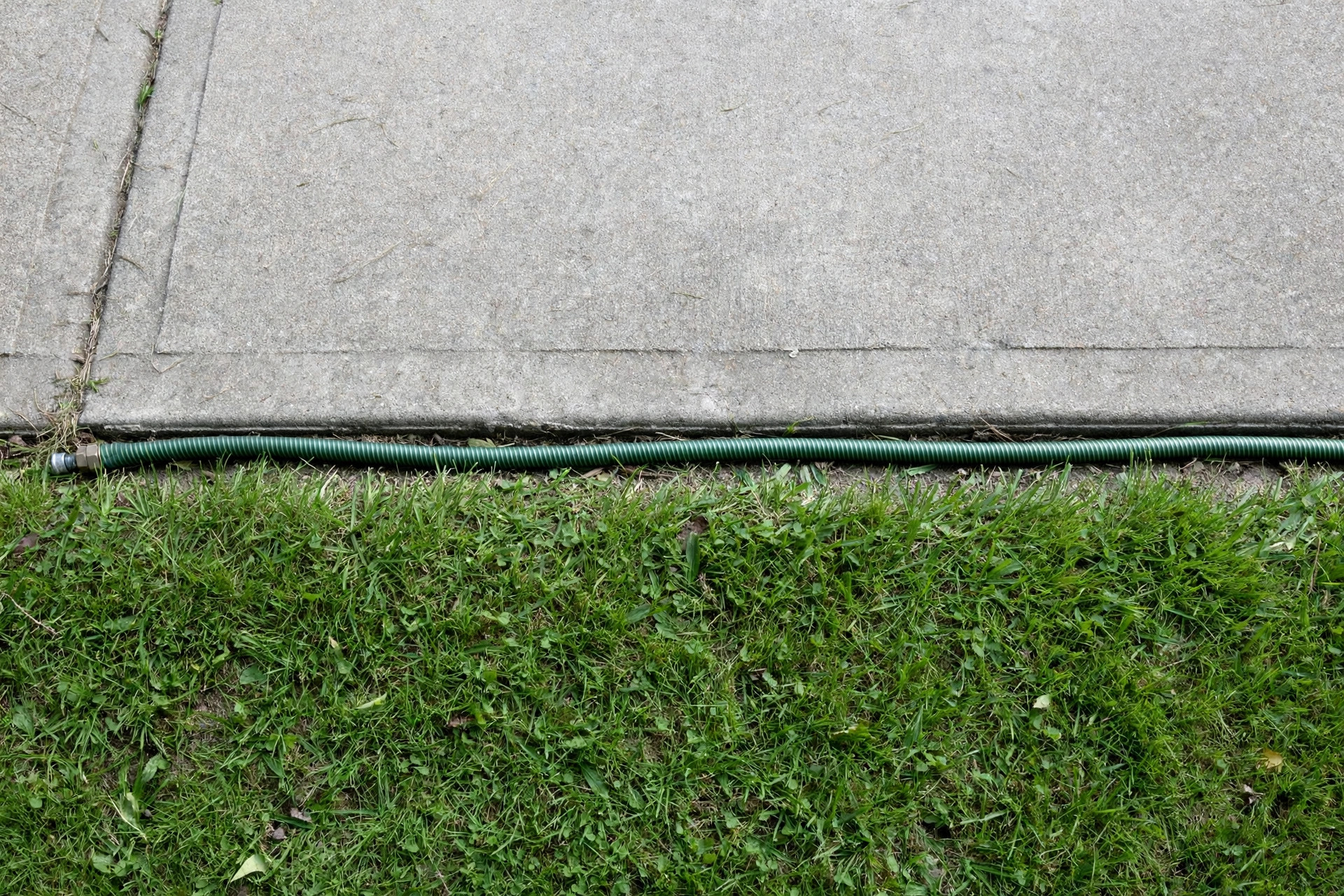
Next, you should mark your edging line. Use your eye, a hose, or spray paint to mark it. Each way works well for a first-time edger. A clear mark shows where to trim for straight lines. It helps you keep each pass crisp and true.
For safety, check for pipes and wires under the path. They may run right beside your sidewalk edge. Trimming on these areas can cause unnecessary complications. See how to edge with ryobi weed eater for more edge tips.
In summer, wet the lawn before you start edging. Damp soil makes the edging task much easier. That trick helps the line cut with less strain.
| Check | Before you start | Why |
|---|---|---|
| Tools | Trimmer, glasses, gloves, thick line | Safe and ready to work |
| Path | Clear leaves, twigs, and debris | Line cuts clean with no snags |
| Lines | Mark the edge with hose or paint | Straight, crisp lines follow |
| Ground | Water dry soil in summer heat | Soft ground edges with ease |
Handle the Trimmer Correctly
Step 3: Handle the Trimmer Correctly
Good grip matters for safety and for neat edges. Hold the tool well before you switch it on. Hold the trimmer with both hands for full control. Keep one hand on the grip and one on the shaft. Keep your feet shoulder-width apart for stable, balanced posture.
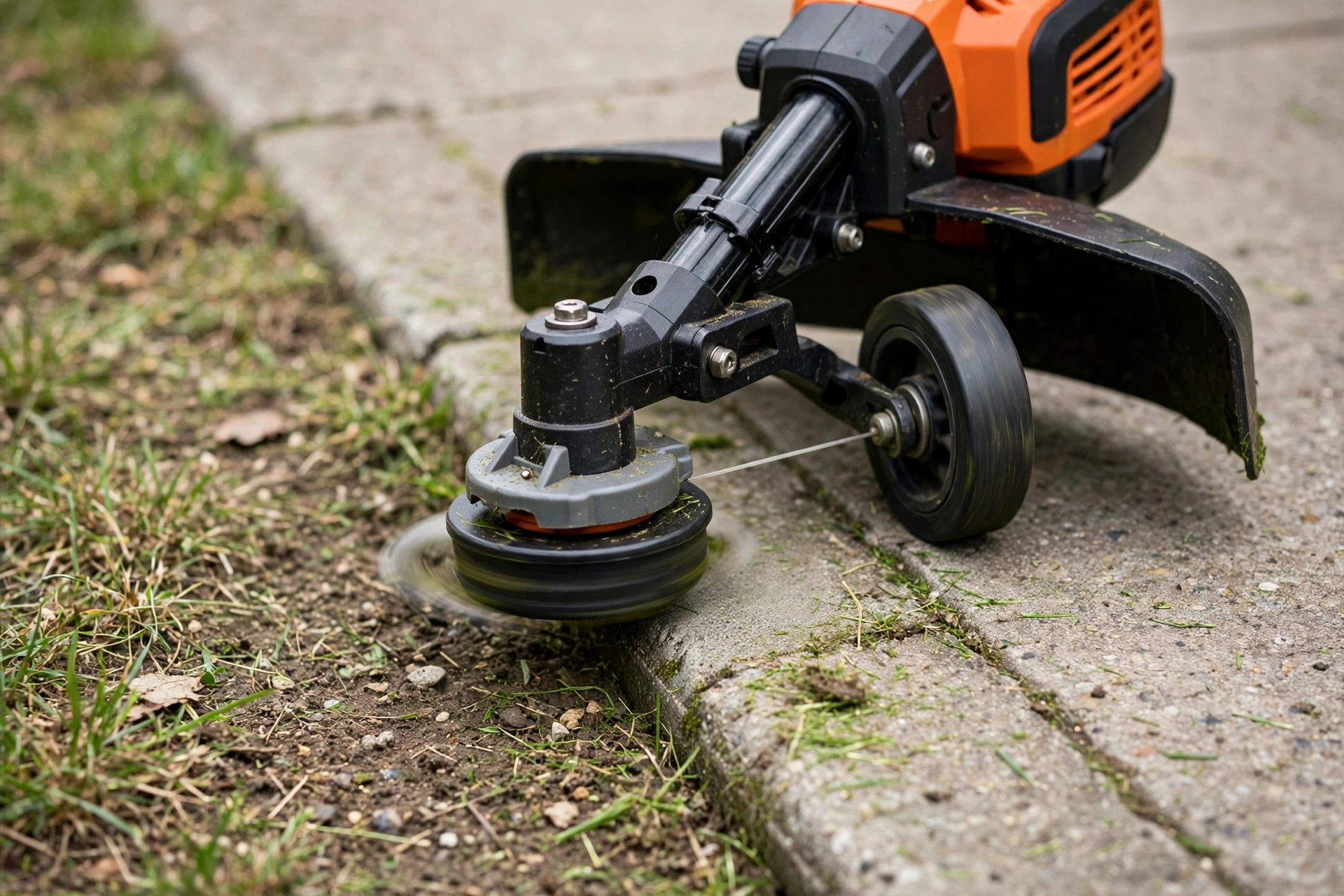
Typically, a string trimmer is held horizontally for regular trimming. For edging, turn the head 90 degrees to stand tall. That shift makes the line stand straight up. Move the trimmer along the edge as you walk. Do not sweep it back and forth across the grass.
Keep the line right at the edge of the sidewalk. Tilt the head away from the path as you go. This way, the debris will be directed away from you.
Do not push too deep into the ground as you edge. Deep cuts can fling rocks and nick the concrete. Aim for a neat V shape where grass meets concrete. That groove marks a clean line for your yard. See how to use a string trimmer as an edger for more tips.
Begin the Edging Process
Step 4: Begin The Edging Process
Now put your new skill to work on the sidewalk. Each pass will teach you more about the tool. Start at one end and walk slowly down the path. Move the trimmer in a steady, back-and-forth motion. Keeping the string trimmer steady will give you a cleaner, more professional finish.
Avoid aggressive, cutting movements during this process. Pushing the line too deep can harm the swath. It can also tear up the lawn by the edge. Keep moving down the walk at the same depth. Hold the same angle for a neat, even look.
If your string trimmer has a guide wheel, use it to your advantage. It helps you cut straight by holding a set gap. That gap keeps the trimmer true to the path. A guide wheel also cuts strain on your arms.
You will feel less tired on long sidewalk runs. Learn how to edge a lawn with string trimmer for more tips. That rest lets you edge more walks in one day.
Another important reminder is to trim only when the grass is dry. Wet grass can clog your trimmer and make the job more challenging. It will also leave a messy and unattractive finish to the sidewalk. The STIHL site shares trimmer care tips for many models.
Clean Up and Maintain Your Trimmer
Step 5: Clean Up and Maintain Your Trimmer
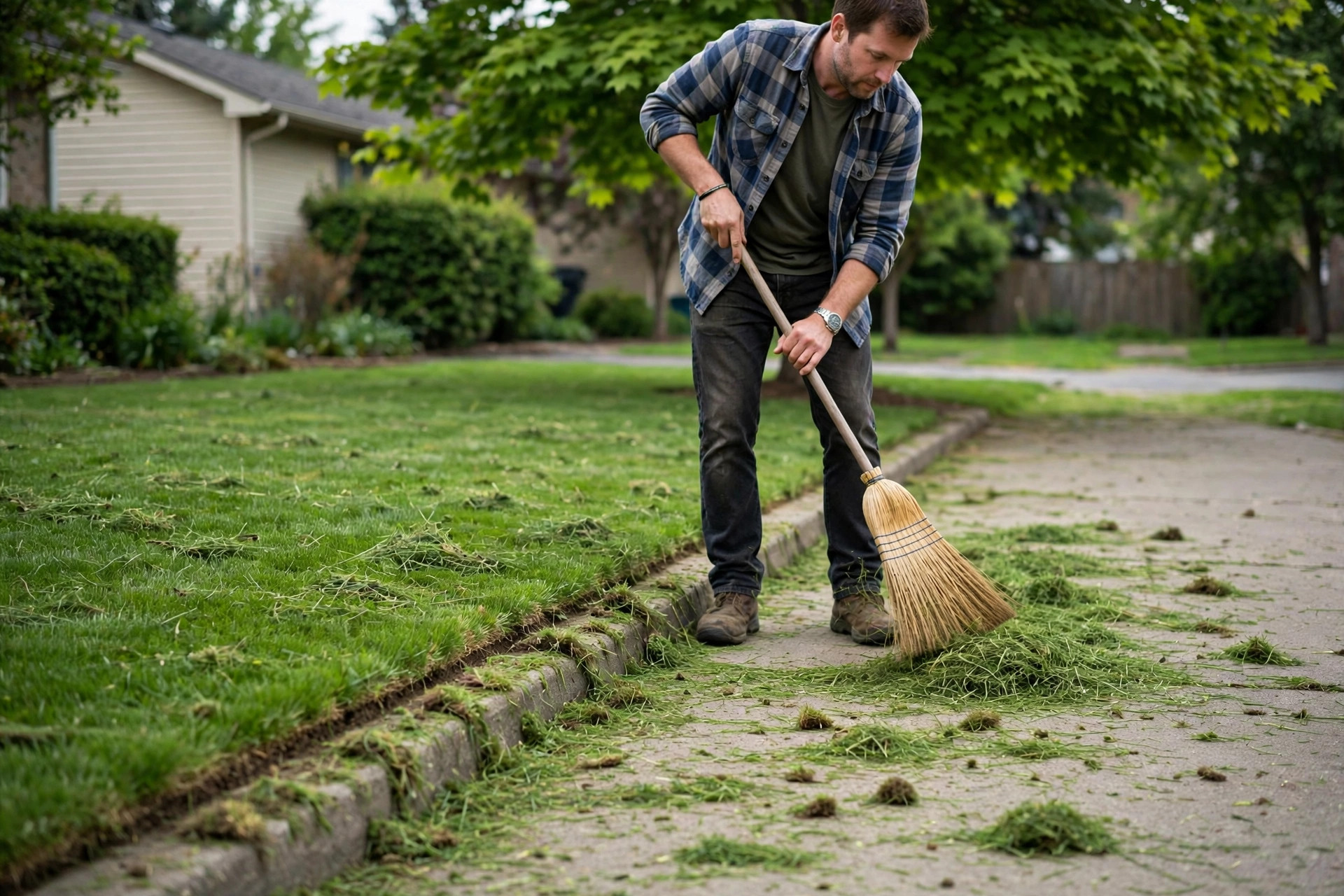
After completing the edging job, make sure to clean up. Sweep or blow cut grass off the sidewalk for a neat look. That last pass makes the whole yard look cared for.
Clear grass and debris caught in the trimmer head. Wipe it clean so it stays in good shape. Regular maintenance of your trimmer ensures its longevity and efficiency.
Wind the line to fit your trimmer and its design. Use the right string type and size for your model. Keeping your trimmer lines sharp also adds to efficient cutting and crisp edges. Our how to restring a lawn trimmer guide shows the swap in full.
A quick clean after each job adds years to your tool. It keeps the trimmer strong and ready to work. That care pays off each time you edge again. Check the manual for care steps for your model. Each brand can call for its own upkeep steps.
These steps will make you a better edger with time. You will handle, clean, and keep your tool with care. Plus, you safely get to enjoy great results in your yard’s aesthetics. The EPA lawn and garden page lists safe yard work tips.
In short, this skill adds a pro touch to your yard. It keeps each walk neat and easy to enjoy. It brings put satisfaction in knowing that you maintain your lawn to the highest standards. It brings joy from fine work done with your own hands. It also lifts the curb appeal of your whole home.
Frequently Asked Questions
Here we answer common questions about sidewalk edging. Each one helps you edge with more skill and care. From steps to safety, you will learn the full craft. That know-how keeps your walks neat and tidy.
What safety precautions should I take when using a string trimmer to edge my sidewalk?
Ensuring your safety while using a string trimmer is paramount. First, read and understand the trimmer’s user manual to familiarize yourself with its operation. Always wear protective gear, including safety glasses, gloves, and sturdy footwear, to shield against debris.
Clear pebbles and debris from the area first. Loose bits can fly like small stones when struck. That risk is real when the line spins fast.
Keep a safe gap from others while you trim. Never trim in rain or on wet grass at all. Wet ground can make the trimmer slip and slide.
How can I achieve a straight edge on my sidewalk with a string trimmer?
To edge well, hold the tool firm and steady. A calm hand keeps each line straight and true. First, picture the straight line you want to cut. Use that line as your guide while you walk. Hold the trimmer so that its cutting line is vertical rather than horizontal.
Hold the trimmer firm and walk slowly down the path. Keep the line right on the edge you want to cut. That care keeps each pass true and neat. Remember, practice makes perfect, and your skill will improve over time. See how to edge with a string trimmer for the full method.
Curves and Schedule
Can I use a string trimmer to edge a curved sidewalk?
Yes, a trimmer can edge curves just as well. It bends with the path and keeps the line neat. Move in slow arcs and match your pace to the curve. That care keeps each bend smooth and clean.
Follow the curve with the trimmer, not against it. Forcing it will break the line and spoil the look. With a bit of practice, smooth curves come easy. Your landscape will look neat in every bend.
How often should I edge my sidewalk with a string trimmer?
How often you edge depends on growth and taste. Fast grass may need more care than slow grass. Edge when grass or weeds creep onto the path. That creep shows it is time to trim again.
Most lawns need edging once or twice each season. That pace keeps most walks neat and tidy. However, for a pristine look, you might have to do it more frequently. Check your yard by eye to judge the right time. A quick look tells you when to edge next.
Accessories
Do I need any specific string trimmer accessories to edge my sidewalk?
Most trimmers can edge a walk with no extra parts. Still, a few add-ons can make the job easier. An edging guide keeps the trimmer level as you walk. It helps you cut straight, neat lines with ease.
A spare handle or strap can cut strain as you edge. It spreads the weight and eases tired arms. Check that each add-on fits your trimmer model first. Some parts will not fit tools they were not made for.
Conclusion: How to Edge a Sidewalk with a String Trimmer
For a neat sidewalk, learn your trimmer well. That skill keeps each walk clean and tidy. Always remember to wear safety glasses and sturdy shoes when operating the trimmer. Take your time and sweep the trimmer back and forth. Keep the head tilted toward the edge you cut.
It may take a few tries to get it right. With care, your skill will grow fast. Edging lifts the beauty of your yard each time. It also stops weeds from cracking the concrete. That care keeps your walks safe and neat.

I’m Patricia D. Johnson, an affiliate marketer and blogger specializing in trimmers and grooming tools. I create honest reviews, buying guides, and practical tips to help readers choose the right trimmer for their needs. With a focus on quality, performance, and value, I simplify the decision-making process so consumers can make confident purchases.