What Oil to Use for Hair Trimmer
Clipper oil is the top pick here. It is made just for hair trimmers. Mineral oil can stand in when needed. Baby oil works as a stand-in too. Vegetable and olive oils can work as well.
The right oil keeps blades running smooth. Oil at set times stops rust on blades. It keeps each cut at its best each day. Dry blades pull hair and cut rough. Good oil adds years to the trimmer’s life.
This guide shows why oiling counts first. It then compares the main oil types. Oil steps and mistakes come next. Plain habits keep your trimmer working well. A good pick guards your spend long term.
Quick answer: Clipper oil is the best choice of all. It is made just for hair trimmer blades. Mineral and baby oils stand in quite well. Vegetable and olive oils lube blades well too. Oil at set times stops rust and keeps cuts smooth.
- What Oil to Use for Hair Trimmer: The Short Answer
- Why Oiling Your Trimmer Blades Matters
- Types of Oil Suitable for Hair Trimmers
- Choosing the Best Oil for Your Needs
- How to Apply Oil the Right Way
- Common Oiling Mistakes to Avoid
- Frequently Asked Questions
- Conclusion: What Oil to Use for Hair Trimmer
What Oil to Use for Hair Trimmer: The Short Answer
The quick table below sums up the post. It lists the answer and its terms. The parts that follow give each point in full. The right oil is a small cost for long blade life. Each row gives one fact in short form.
| Point | What the Post Says |
|---|---|
| Best choice | Clipper oil made for hair trimmers |
| Substitutes | Mineral oil or baby oil work |
| Natural options | Vegetable oil or olive oil work |
| Amount | Two or three drops per session |
The Wikipedia lubrication page shows how oils cut friction. Our trimmer oiling guide shows the steps for one brand. The Wikipedia hair clipper page shows how clipper blades cut hair.
Why Oiling Your Trimmer Blades Matters
Blades move back and forth very fast. That movement makes friction as they cut. Friction leads to heat build-up in time. Heat and friction wear blades down bit by bit. Oil lubes blades and cuts that friction. Dry blades drag, pull and heat up. Fast blades rub the most.
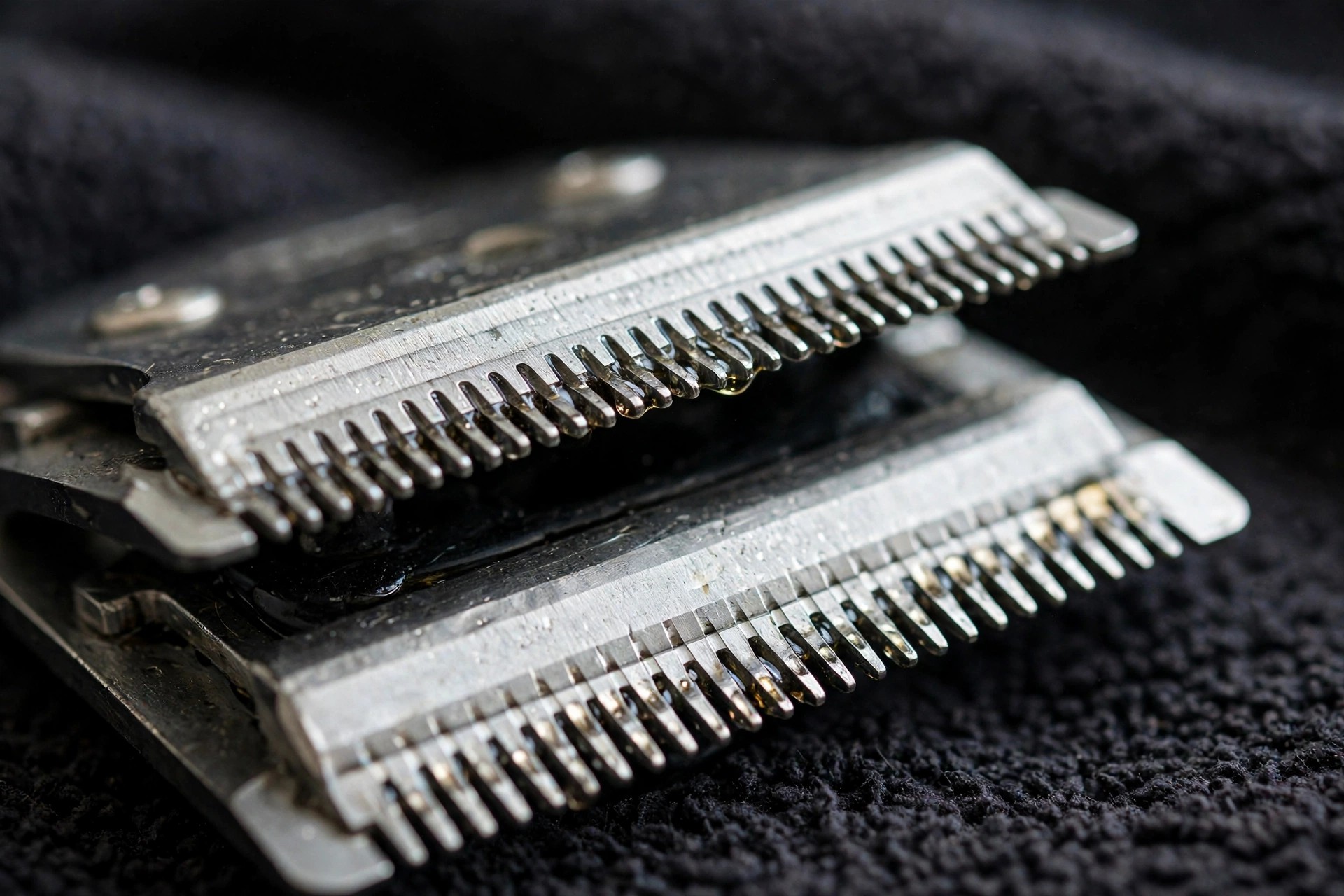
Oil forms a thin shield on the blades. That shield stops rust and corrosion forming. Damp bathrooms make that shield count more. Oiled blades glide smooth with no drag. A thin coat does the whole job. Our cutting problems guide shows why trimmers cut poorly.
Types of Oil Suitable for Hair Trimmers
Clipper oil has a light, thin formula. Additives in it cut friction and help blades. It stops rust well while in storage. Mineral oil works much the same way. Thin oil spreads fast and coats well.

| Oil Type | Advantages | Disadvantages |
|---|---|---|
| Clipper oil | Made for trimmers; light; stops rust | May cost a bit more than stand-ins |
| Mineral oil | Easy to find; similar lubrication | Can feel heavy; may smell bad |
| Baby oil | Sold in most shops; lubes well enough | Added fragrance may irritate skin at times |
| Vegetable or olive oil | Natural and safe to use | Thicker; needs more frequent use |
Baby oil is mineral oil plus fragrance. It can irritate skin or set off allergies. Natural oils are thicker than clipper oil. Light oils suit fast blades well. Each oil has a plus and a minus. Our pulling hair guide shows what dry blades cause.
Choosing the Best Oil for Your Needs
Clipper oil stays the top pick of all. Its special formula stops rust with ease. Think of how easy an oil is to get. Price and skin reactions count here too. Pick the oil you can get with ease. Rust is the main foe oil beats.
Mineral oil stands in well with no clipper oil. Baby oil stands in at a pinch too. Our blade lifespan guide shows how care stretches blade life. Our blade sharpening guide shows how to fix dull blade edges. Care today adds life to blades.
How to Apply Oil the Right Way
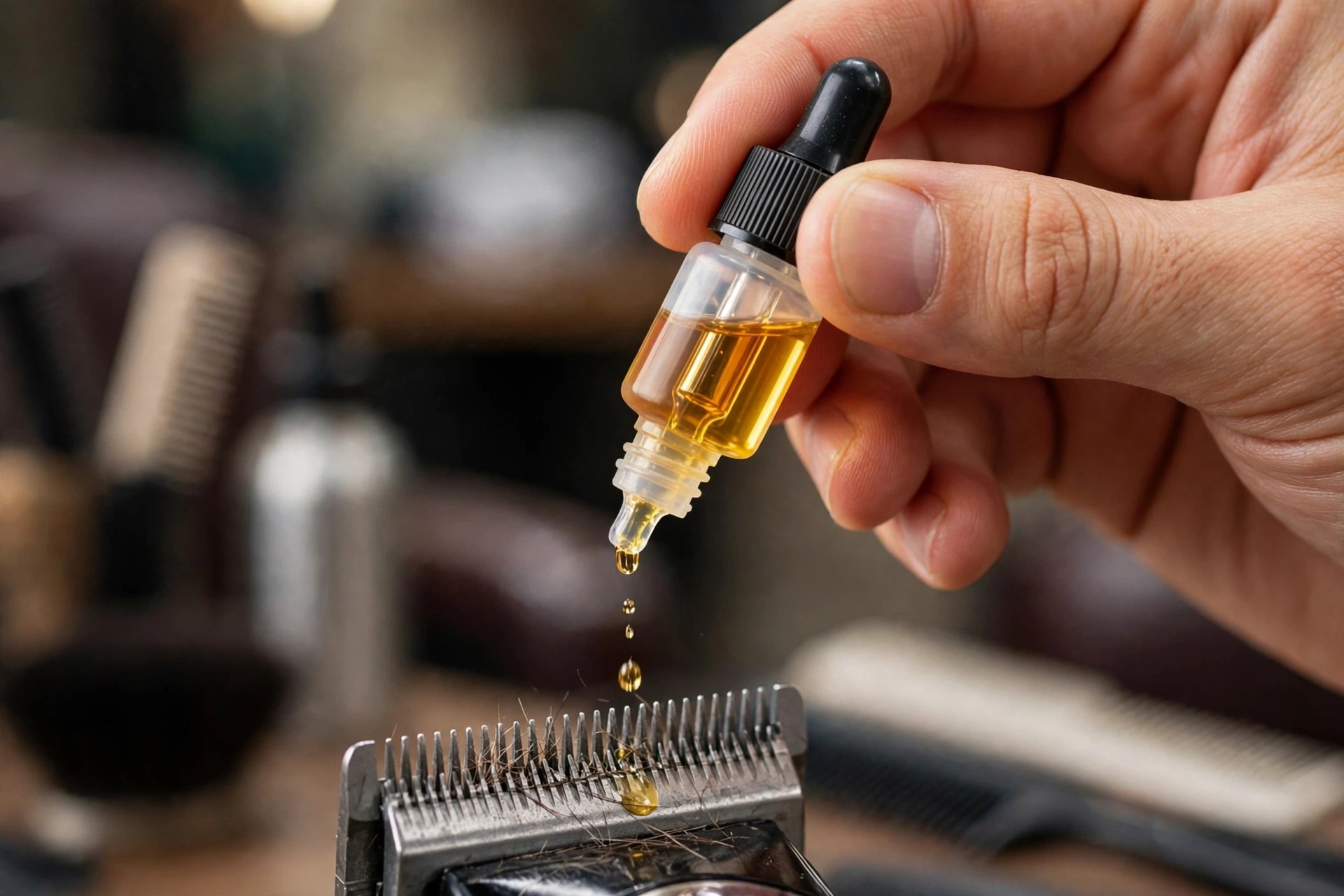
First, clean the trimmer of loose hair. Find the small oiling port with care. It sits on the side or back, as a rule. Squeeze a few drops into the port. Run the trimmer for a few seconds. A few drops go a long way. Clean first, oil next, run last.

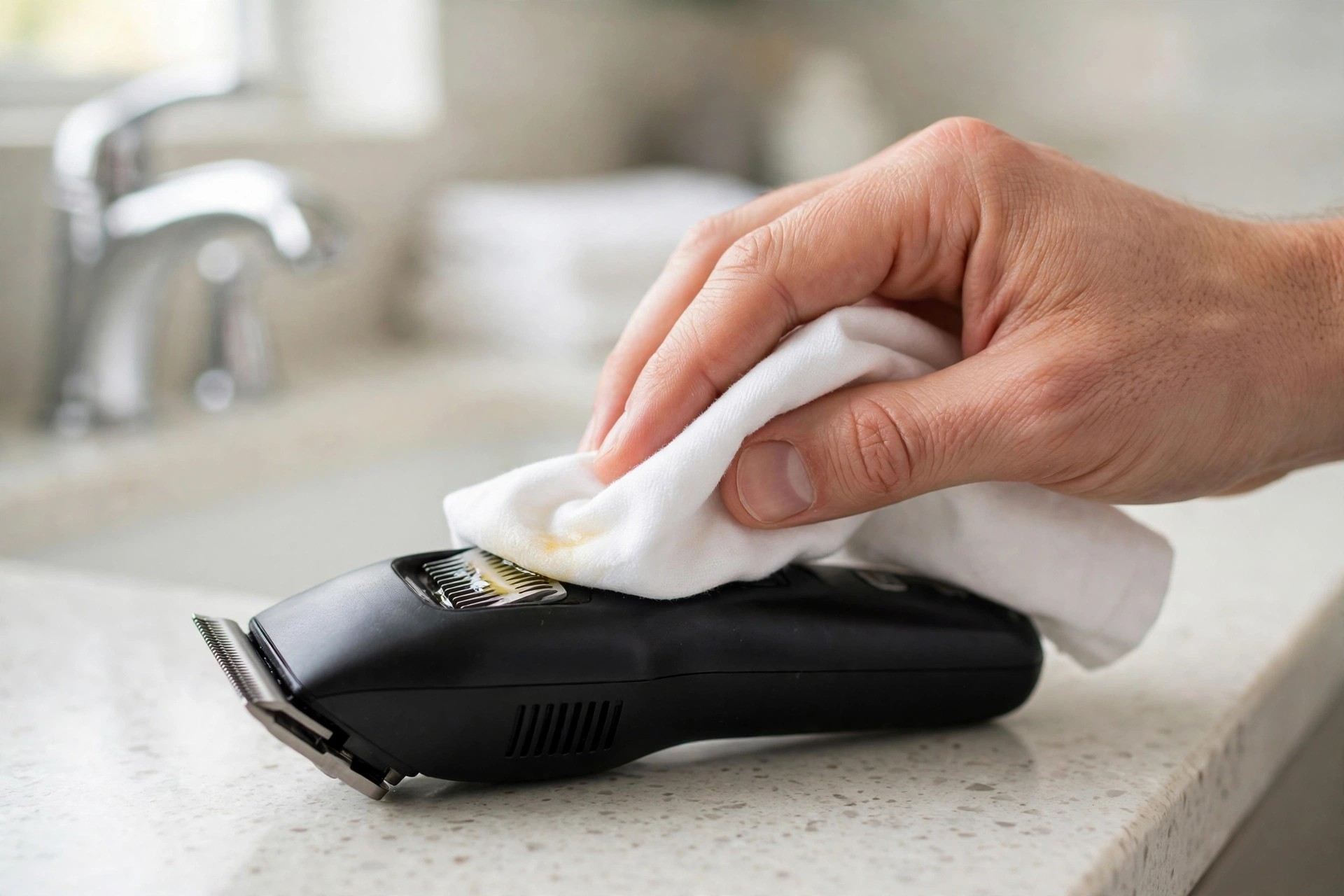
Two or three drops is enough here. Check maker’s instructions for exact oiling steps. Wipe off excess oil with a clean cloth. That stops drips on skin or clothing. Our trimmer cleaning guide covers how to clean before you oil.
Common Oiling Mistakes to Avoid
Too much oil can clog blades with an oily film. Too much oil makes cuts worse over time. Always clean the trimmer before oiling it. Skip the maker’s guidance and you risk damage. Skipping oiling shortens trimmer life a lot. More oil is not more care. Less is more with oil.
Please note: This post gives two views on household oils. The guide calls them stand-ins that work. One answer says normal oil is not recommended. Both first points stay in place below.
Wrong oil adds friction between the blades. That friction ruins precise, clean cuts. Some oils can not stop rust and corrosion. Too little oil adds wear and tear a lot. Our trimmer repair guide covers fixing worn grooming tools. Wrong oil costs blades in the end.
Frequently Asked Questions
Which Oil Is Best For Hair Trimmer?
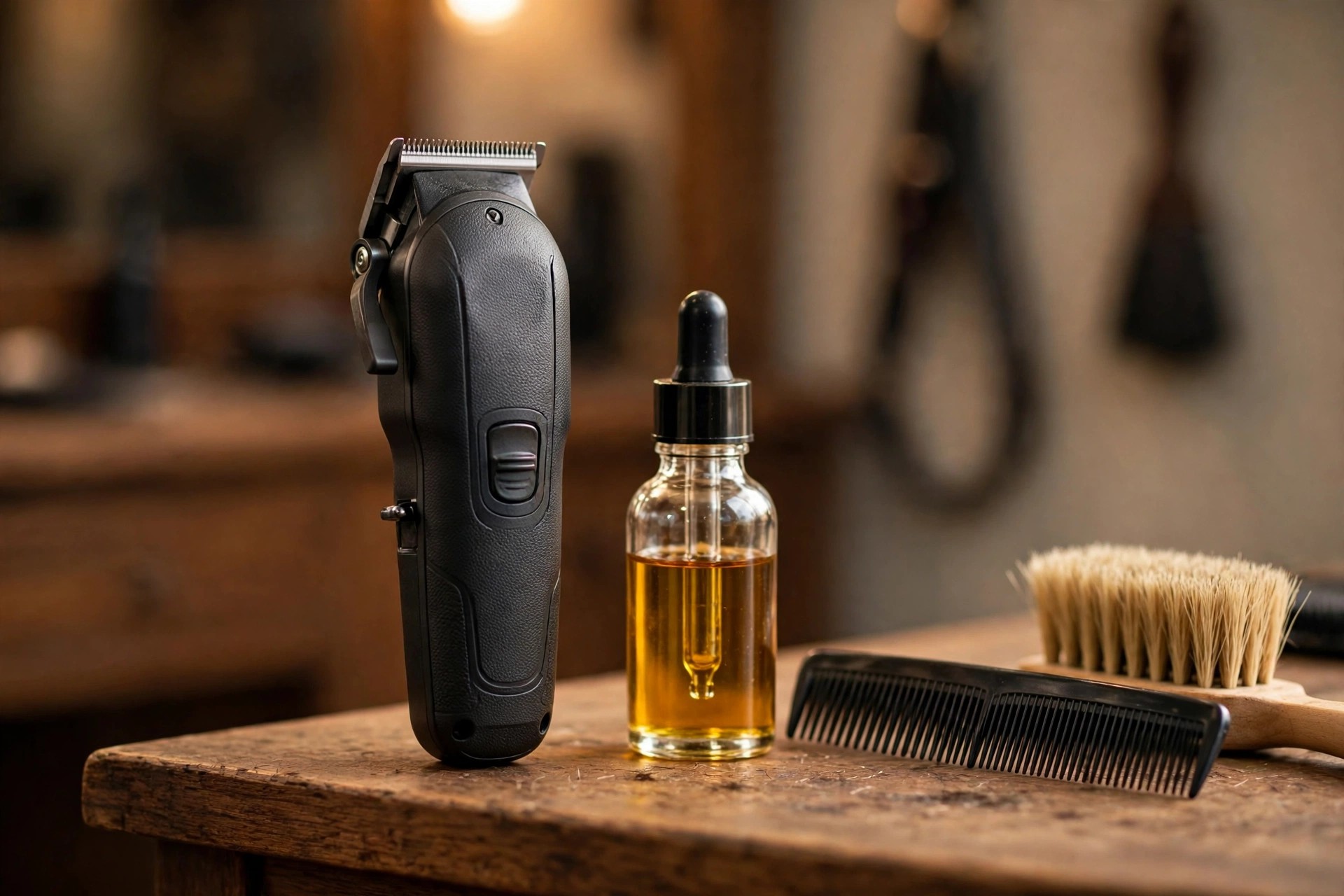
Clipper oil is the best choice of all. Named oils include Wahl and Andis oils. Stand-ins include mineral, baby and vegetable oils. Olive oil gives much the same lubrication.
What Can I Use Instead Of Trimmer Oil?
Mineral oil stands in for trimmer oil well. Baby oil also works as a stand-in. Vegetable oil and olive oil work too. These lube blades much the same each day.
Can You Use Olive Oil To Lubricate Hair Clippers?
Yes, olive oil can lube hair clippers. It works as a stand-in oil choice. It lubes much like clipper oil does. Other options include mineral and baby oil.
Can We Use Normal Oil In Trimmer?
No, normal oil is not recommended here. Use trimmer oil made for the job when you can. Stand-ins include mineral, baby and vegetable oils. These give the lubrication blades need.
How Much Oil Should I Apply To My Trimmer?
Two or three drops is enough most times. Add the drops into the oiling port. See the maker’s instructions for exact guidance. Do not overfill the port at each session.
These answers all come from this post itself. The parts above give each answer in full. Good habits keep each trimming session smooth. When in doubt, use clipper oil.
Conclusion: What Oil to Use for Hair Trimmer
So, what oil should you choose here? Clipper oil stays the top choice of all here. It is made just for trimmer blades. Stand-ins can lube much the same way though. Mineral, baby and vegetable oils all work. The best oil is the one made for blades.
Oil the blades often to stop rust forming. Steady oiling keeps cuts smooth and even. The right oil keeps your trimmer working at its best. A well-kept trimmer stays strong for years. Good care pays you back each day. Few drops, done often, guard the blades.