Imagine the allure of a well-manicured lawn with every blade of grass perfectly trimmed. That’s what we all dream of when spring turns our yards into a sea of green. The handy tool that makes this feat possible is none other than the string trimmer.
In the 1970s, George Ballas invented the string trimmer, turning the trimming job into an effortless task. Now, this mechanical tool is our closest ally in maintaining our yards. Employing a simple technique of using a flexible monofilament line instead of a blade for cutting grass, this invention accomplished an impressive 70% reduction in yardwork time. Armed with the knowledge and the right tool, we can transform any manic jungle into a pristine lawn.
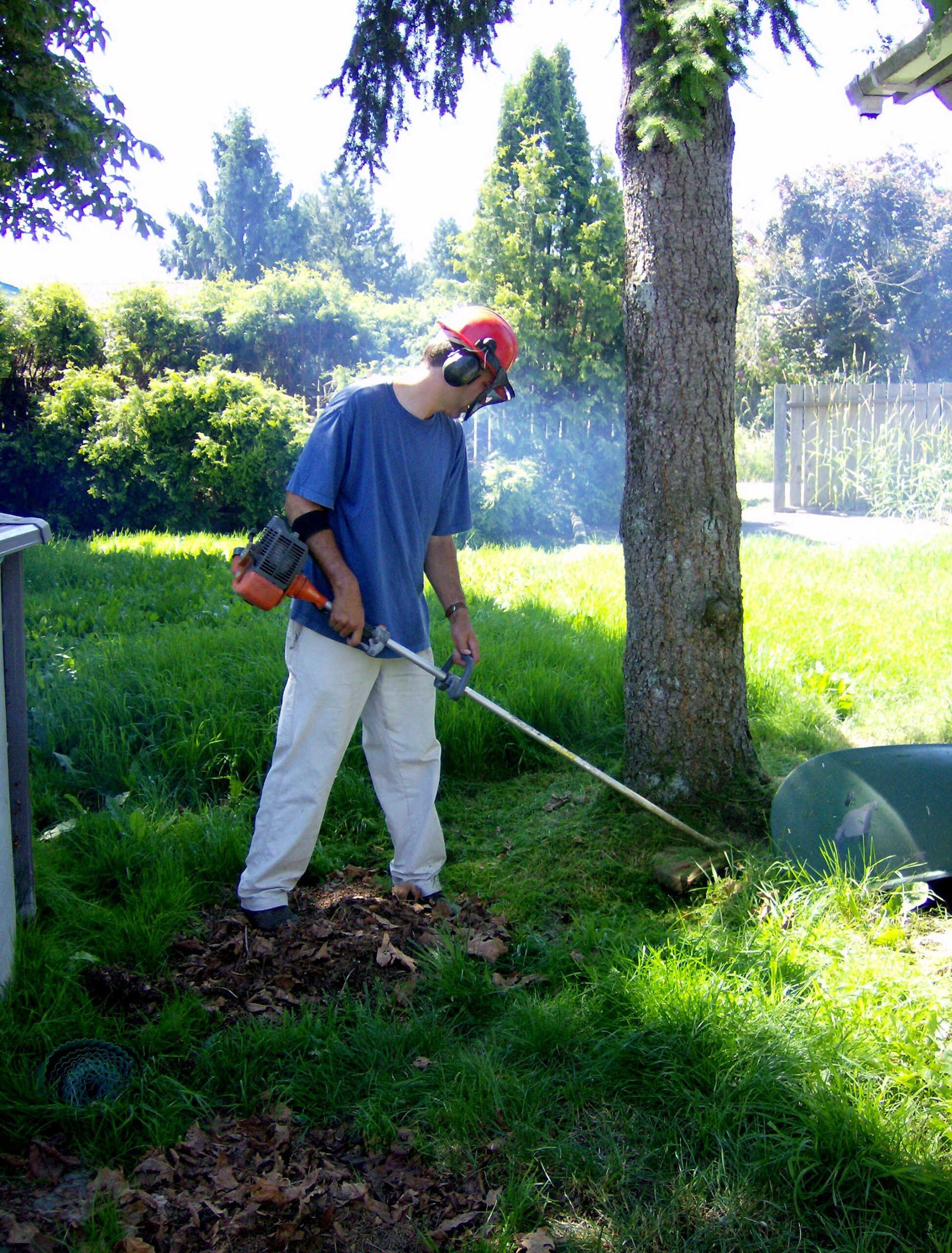
- First, I ensure the string trimmer is properly fueled and strung. I then put on safety gear, including gloves and goggles.
- Next, I hold the trimmer at an angle, so the string sweeps across the grass in a shallow arc. I advance slowly, allowing the trimmer to do the work.
- Lastly, I overlap the cutting areas for even coverage.

Source: wikimedia.org

Source: indylawnmowerrecycle.com
How To Cut Grass With A String Trimmer
String trimmers, also known as weed eaters, are an exceptional tool for giving your yard a pristine, well-kept look. By learning how to cut grass with a string trimmer, you can ensure that all areas of your lawn, especially those hard-to-reach spots, are cleanly trimmed and aesthetically pleasing. Here are easy-to-follow steps.
Step 1: Safety First
Before you start using a string trimmer to cut your grass, it’s important to ensure your safety. This means wearing protective equipment, such as safety glasses to protect your eyes from flying debris, sturdy gloves to safeguard your hands, and sound-canceling ear protection to protect your ears from the noise produced by the trimmer.
Also, check the area you’re about to trim. Remove any visible rocks, sticks or other debris that the trimmer string could potentially fling out. In addition to cutting grass, string trimmers can also sling small objects around your yard like projectiles, which can damage property or cause injuries.
Always hold the string trimmer with both hands when it’s in use and remember to cut away from yourself. By keeping the trimmer head angled slightly towards the ground, you can prevent injury and ensure a smooth, even cut.
The last thing to remember about safety is to always switch off the trimmer when not in use and especially during maintenance or refill of the string spool. Never attempt to replace the string or perform other maintenance tasks while the trimmer is still running or connected to a power source if it’s an electric model.
Step 2: Prepare Your Equipment
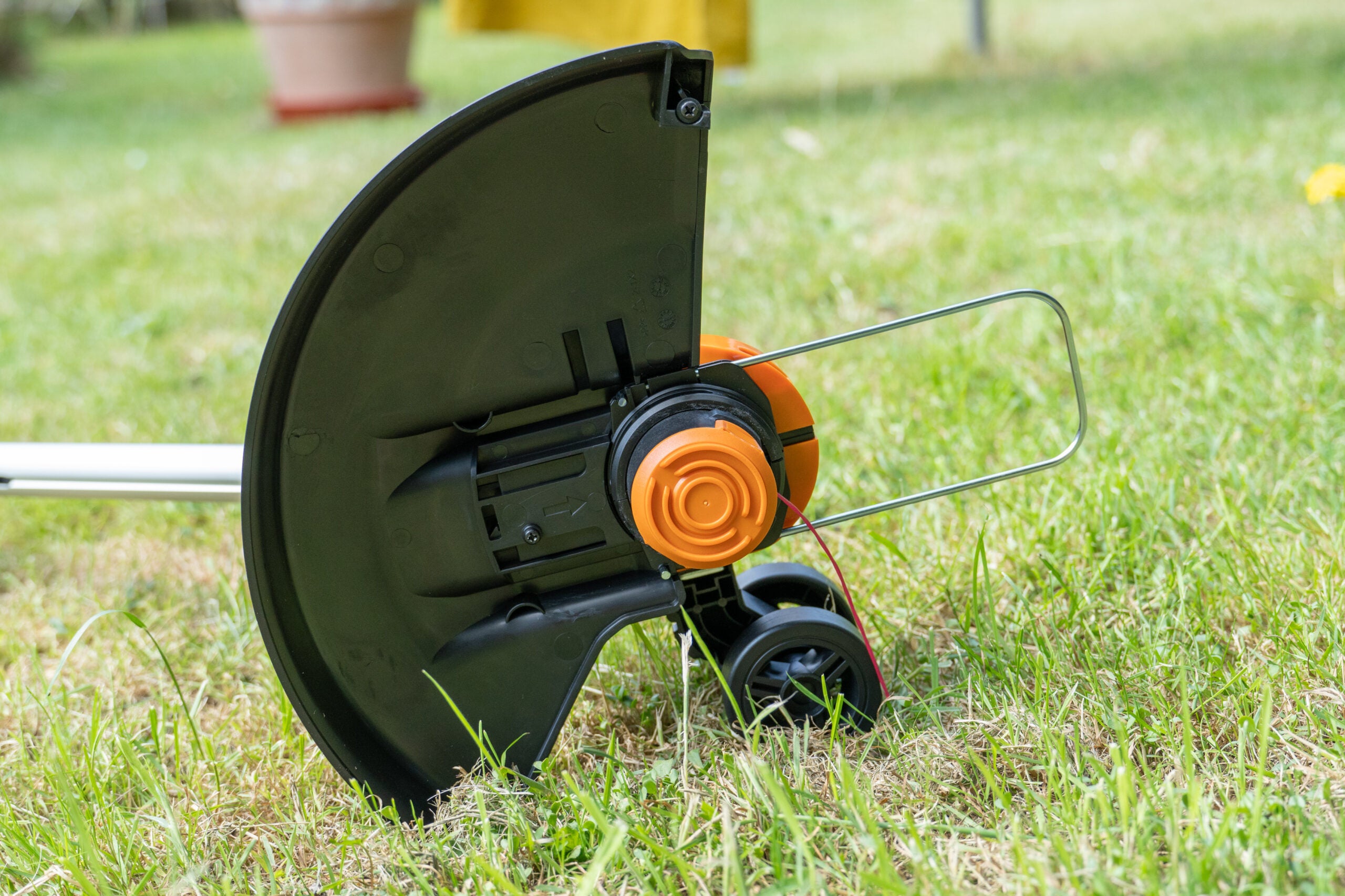
Make sure your string trimmer is in good working order. This means checking that the string in the trimmer is not frayed or broken. If the string is worn out, it will need to be replaced.
If you’re using an electric or battery-powered string trimmer, ensure that it is fully charged or connected to an extension cord long enough to reach all areas you plan on trimming. For gas-powered trimmers, ensure the fuel is topped up.
It’s a good idea to have a few spools of replacement line on hand. String trimmers work best when the line is stiff and newer. Old line can easily break and reduce your productivity.
Also, remember to adjust the trimmer’s height depending on your own. It should comfortably reach the grass without you having to stoop down. A shoulder strap often comes handy for maintaining the appropriate height and reducing fatigue.
Step 3: Proper Technique for Trimming Grass
Knowing how to cut grass with a string trimmer is all about technique. When trimming, try to move the string trimmer in a slow, steady sweeping motion from side to side. Be sure to trim at the same height as the cut grass to create a seamless look between the mowed grass and the areas only reachable with a trimmer.
To get a clean cut, make sure to cut with the end of the string, not the head of the trimmer. This also helps to prolong the life of your trimmer string and prevents damaging the trimmer itself. Achieving accuracy with the string trimmer takes a little practice and patience but becomes a lot easier with experience.
If you have tough weeds or patches of grass to trim, go over the area a couple of times. Start at the top and slowly work your way down to avoid the string getting caught in thick grass or weeds.
When tackling larger areas or denser grass, cutting in sections or patterns as you would with a lawn mower can be helpful. This helps in comprehensive trimming and avoiding any missed spots.
Step 4: Edging with a String Trimmer
Besides cutting grass, string trimmers are also excellent tools for creating crisp clean edges along the perimeter of your yard, sidewalks, and flower beds. To begin edging, adjust the angle of the trimmer’s head to allow the string to cut vertically.
Hold the trimmer in such a way that the string hits the edge at the right spot. Slowly move along the edge in a straight line. The spinning of the string helps create a noticeable trench that defines the edge of the grass.
By edging your lawn, not only are you giving it a polished look but you’re also saving yourself the trouble of manually trimming the edges with shears. For best results, maintain the edges of your lawn regularly to prevent overgrowth.
Step 5: Post-Maintenance and Clean Up
Knowing how to cut grass with a string trimmer also involves understanding how to effectively clean up and store the equipment after use. After trimming, turn off your string trimmer and let it cool down if it’s a gas model.
Use a soft brush to remove any clinging grass clippings from the trimmer head and upper portion of the shaft. Inspect the trimmer for any obvious signs of wear and tear, particularly on the trimmer line and replace it if necessary.
If you’re using an electric or battery-powered trimmer, remember to disconnect it from the power source or remove the battery before cleaning it. Proper care and maintenance of your string trimmer will not only prolong its life but also ensure it’s ready for the next use.
Lastly, clean up the area where you’ve been trimming. Collect any cut grass and weeds and consider composting them as a way of reducing waste and enhancing your garden’s soil. Safety should also be a priority during cleanup; always wear gloves to avoid cuts from sharp debris and wash your hands thoroughly afterwards.
A well-trimmed yard adds aesthetic value to your property and beautifies the outdoor space. This comprehensive guide on how to cut grass with a string trimmer should help you master this task with ease and efficiency. Remember that practice makes perfect; the more you use your string trimmer, the better you will get at maintaining a neat and healthy yard that is not only pleasing to the eye but also a delight to walk on.
 Source: trustedreviews.com
HOW TO MOW LAWN USING WEED WACKER/Whipper Snipper
Frequently Asked Questions
Trimming grass with a string trimmer is often a daunting task for beginners. Here are answers to some common questions to guide you in the right direction.
1. What safety measures should I take when using a string trimmer?
Safety should always be your priority when using a string trimmer. Begin by reading and understanding your trimmer’s operation manual. This will provide clear instructions on how to safely use and maintain your particular model.
Additionally, always wear protective gear, including safety glasses, sturdy gloves, long pants, and closed-toe shoes. This helps prevent injuries from flying debris. Keep others at a safe distance, and never operate the trimmer near children or pets.
2. How do I maintain an even cut when using a string trimmer?
Maintaining an even cut with a string trimmer requires practice and technique. Hold the trimmer so the string’s tip lightly touches the ground. Always cut thick grass in sections to avoid overloading the trimmer.
Walking with the trimmer at a constant speed can also give an even cut. For a level finish, cut while moving the trimmer in a back-and-forth motion and overlap your cutting path slightly with each pass. This ensures no uncut grass remains.
3. My string trimmer head frequently jams. How can I solve this problem?
Jamming is a common problem with string trimmers and usually occurs when the line feed system gets blocked. If this happens, I recommend switching off the trimmer and carefully removing any debris from the cutting head.
String trimmers fed with too much line are likely to jam. So, when advancing the line, do so cautiously to avoid overwhelming the trimming head. Regular maintenance of your trimmer can also prevent most jamming issues.
4. How can I prevent the string from breaking too frequently?
Breaking string is often a result of incorrect feeding into the trimmer, hitting a solid object while trimming, or using a deteriorating line. To avoid this, make sure to follow the manufacturer’s instructions on how to correctly load and feed the string into your trimmer.
Furthermore, avoid cutting too close to solid objects like fences, trees, or rocks to prevent the string from breaking. Regularly inspect your trimmer string for brittleness or wear, replacing it when necessary.
5. When is the best time to trim my grass?
Timing your trim sessions correctly can make a significant difference in the health and appearance of your lawn. The best time to trim is when the grass is dry, usually later in the morning or early in the evening, once the morning dew or any rainfall has fully evaporated.
Trimming wet grass can result in an uneven cut and cause the grass to clump. This can block your trimmer and lead to its malfunction. Additionally, it can spread lawn diseases as it’s easier for waterborne diseases to attach to the damp grass clippings.
How to Cut Grass with String Trimmer
We have discussed that cutting grass with a string trimmer is very much doable if you follow the steps correctly. Remember to adjust the trimmer to a proper height, carefully monitor the line’s wear, and swap it out as needed. Additionally, keeping safety precautions in mind, such as using safety glasses, gloves and sturdy shoes, will go a long way towards protecting yourself while doing this task.
Furthermore, adopting techniques such as swaying the trimmer in a back-and-forth motion and trimming grass around objects can make a significant difference in the outcome. With these strategies, your string trimmer will become a helpful tool in maintaining a neat and tidy lawn. Practice these steps and you will become more adept at navigating your yard with a string trimmer. Happy trimming!

I’m Patricia D. Johnson, an affiliate marketer and blogger specializing in trimmers and grooming tools. I create honest reviews, buying guides, and practical tips to help readers choose the right trimmer for their needs. With a focus on quality, performance, and value, I simplify the decision-making process so consumers can make confident purchases.