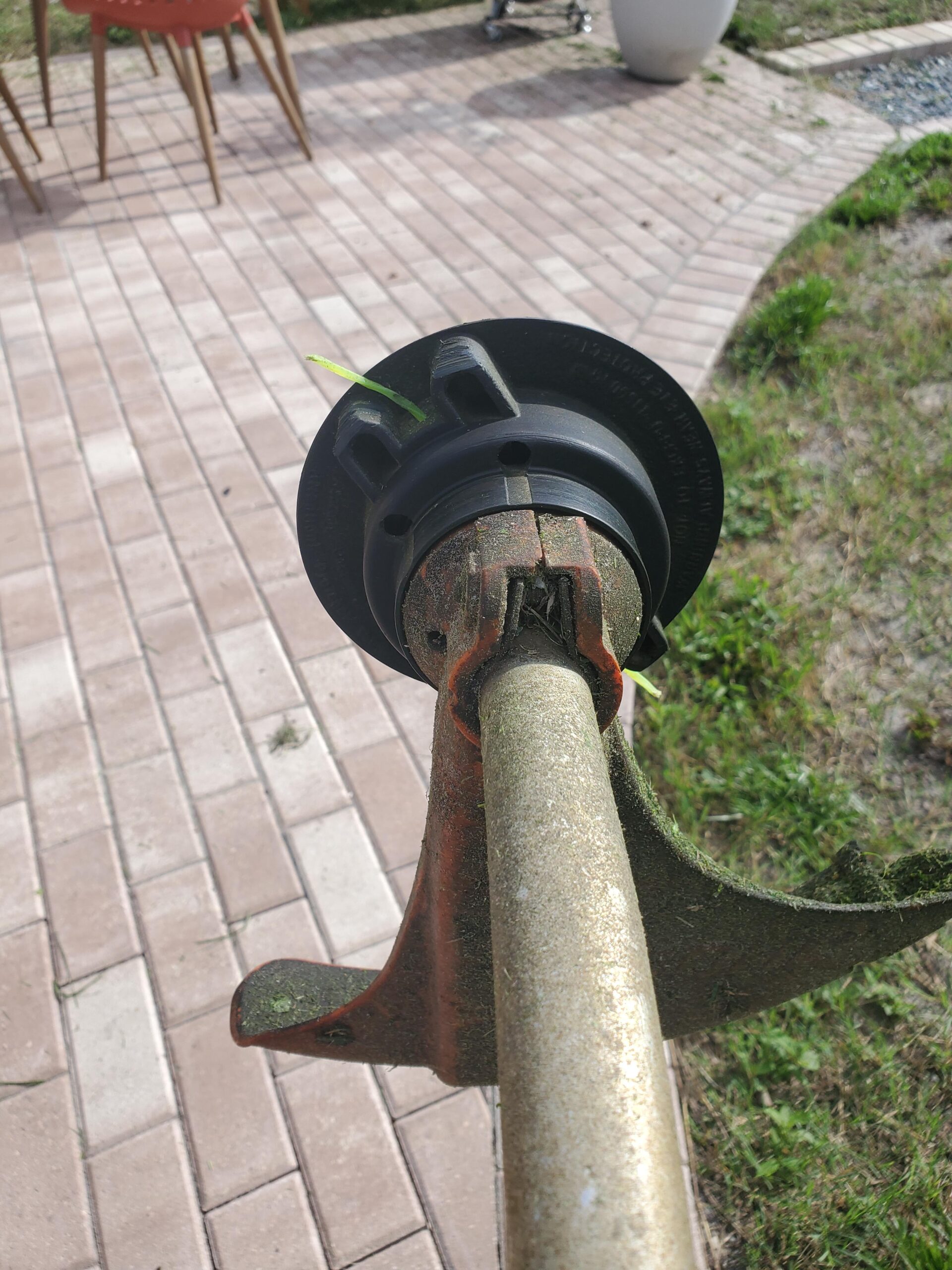
It might surprise you to know that string trimmer lines can deteriorate over time. Exposure to UV rays, fluctuating temperatures, and improper storage can all contribute to the weakening of the line. Even the highest quality trimmer lines are not immune to these elements, hence requiring regular assessment.
Historically, trimmer lines were made to be durable and resilient, but advancements in materials have led to more efficient yet sometimes less durable options. Studies suggest that lines that have been unused for over a year may lose up to 50% of their efficacy. A practical solution is to store them in a cool, dark place to extend their lifespan.

Source:
Does String Trimmer Line Go Bad?
String trimmer lines can indeed go bad over time. Factors such as exposure to sunlight, temperature fluctuations, and improper storage significantly contribute to the degradation. When left in a hot garage or under direct sunlight, the line can become brittle and break more easily. This can reduce its effectiveness when trimming grass and weeds. According to this post, proper storage techniques can help mitigate these issues.
One frequently overlooked aspect is the material composition of the trimmer line. Lines made from inferior materials tend to deteriorate faster. Even high-quality lines are not immune to the effects of aging and environmental exposure. The degradation process is accelerated if the line is improperly stored. Therefore, it’s essential to know the material composition of your trimmer line.
Proper storage plays a key role in prolonging the life of your trimmer line. It’s best to keep your line in a cool, dark place. Ideally, store it in an airtight container to prevent exposure to moisture and air. This helps in maintaining the flexibility and strength of the line. You can find more tips on trimmer maintenance here in the article.
Visual signs can indicate when your trimmer line has gone bad. Look for a dull or faded appearance and check for cracks or fraying. A brittle line often breaks easily, affecting your trimming efficiency. Monitoring these signs will help you decide when it’s time to replace the line. Regular checks can ensure your trimming tasks remain efficient and effective.
Factors Affecting the Durability of String Trimmer Line
One critical factor that affects the durability of a string trimmer line is exposure to sunlight. Ultraviolet (UV) rays can weaken the material over time, making it brittle. This leads to frequent breaks during use, reducing the overall lifespan. Storing the trimmer in a shaded or covered area can help minimize UV exposure. Thus, it’s essential to keep your trimmer away from direct sunlight.
Temperature fluctuations also play a significant role in line degradation. Extreme heat or cold can weaken the line, causing it to lose flexibility. This can result in an ineffective trimming experience. According to this post, storing the trimmer line in a temperature-controlled environment can extend its life. Maintaining consistent temperatures is crucial for durability.
Another factor to consider is the quality of the string trimmer line itself. Lines made from high-quality, durable materials tend to last longer. These lines are often more resistant to environmental stressors. Lower quality lines, on the other hand, may deteriorate quickly. Investing in premium trimmer lines can offer better long-term performance.
Improper storage is another key factor that affects a trimmer line’s durability. Storing the line in a moist environment can cause it to swell and weaken. It’s best to keep it in a dry, cool place. Using an airtight container can also help maintain its integrity. These storage habits can significantly enhance the lifespan of the string trimmer line.
How to Maximize the Life Span of String Trimmer Line
To maximize the life span of your string trimmer line, proper storage is crucial. Keep the line in a cool, dark place, where it is protected from sunlight. Exposure to UV rays can weaken the material, making it brittle and breakable. Using an airtight container can further prevent moisture from affecting the line. These steps will help maintain its durability over time.
Another effective method is soaking the trimmer line in water before use. This may sound unusual, but it helps to keep the line flexible. A flexible line is less likely to break during operation. Simply soak it for 24 hours before installing it in your trimmer. This simple trick can extend the line’s life significantly.
Regularly inspecting your trimmer line for wear and tear is also essential. Look for signs of fraying, cracking, or fading. Replacing damaged sections will ensure optimal performance and prevent further deterioration. Keeping an eye on these signs can save you from sudden breaks mid-task. Always have a spare line ready for quick replacements.
Operating techniques can also impact the longevity of your trimmer line. Avoid using the trimmer near hard surfaces like concrete or rocks, which can cause the line to wear out rapidly. Use proper trimming techniques to minimize strain on the line. Properly adjusting the trimmer head to the recommended height can also prevent unnecessary contact with tough surfaces. Implementing these practices will help your trimmer line last longer.
Signs That Your Trimmer Line Requires Replacement
One of the first signs that your trimmer line needs replacement is frequent breaking during use. If your line snaps often, it likely has become brittle. This brittleness reduces its effectiveness. Replacing the line will restore your trimmer’s efficiency. Checking the condition regularly can help avoid sudden breaks during operation.
Another sign is a faded or discolored appearance. Over time, exposure to sunlight and other elements can cause the line to fade. A faded line usually indicates weakened material. Additionally, cracks or splits in the line are visible indicators. When you notice these issues, it’s time to get a new one.
If you find that trimming is no longer smooth, the line may be frayed. A frayed line doesn’t cut grass and weeds effectively. Instead, it may leave ragged edges. This can make your yard look less tidy. Replacing the line ensures a cleaner cut.
Sometimes the line may appear to be the right length, but it doesn’t perform well. This could mean it’s lost its flexibility. A flexible line bends without breaking, making trimming easier. If the line feels stiff and rigid, replacing it will help. Storing it in a cool, dark place can maintain flexibility longer.
Listening to the sound your trimmer makes can also be a clue. A struggling or uneven sound may indicate a worn-out line. This unevenness can affect your trimming performance. Replacing the line can solve this problem. This restores the trimmer to optimal working condition.
Frequently Asked Questions
String trimmer line maintenance is key to its longevity and performance. Below are common questions people have about taking care of and using string trimmer lines.
1 How often should I replace my string trimmer line?
The frequency of replacement depends on usage and conditions. If you use your trimmer frequently or in harsh conditions, you may need to replace the line more often—sometimes even after each use.
For light, occasional use, replacing the line once a season might be sufficient. Regular inspections for fraying or brittleness can guide you on when replacements are necessary.
2 Can I use any type of string trimmer line in my trimmer?
No, it’s important to use the type of line recommended by your trimmer’s manufacturer. Not all lines are compatible with every model. Using an incorrect type can affect performance and even damage the machine.
Consult your user manual or check the manufacturer’s website for guidance on suitable types. Following these guidelines will ensure optimal operation and prevent unnecessary wear and tear.
3 Does soaking my string trimmer line in water help it last longer?
Yes, soaking your line in water before use can improve its flexibility and durability. A flexible line bends rather than breaks easily during trimming tasks.
This simple step helps maintain the line’s effectiveness over time. Just soak it for about 24 hours prior to installation for best results.
4 What is the best way to store a string trimmer line?
The best way to store a string trimmer line is in a cool, dark place away from direct sunlight. Exposure to UV rays can weaken it over time, making it brittle.
An airtight container is ideal for preventing moisture absorption that could degrade the material. These steps ensure your line stays durable until its next use.
5 Are there different grades of string trimmer lines available?
Yes, there are various grades ranging from basic residential lines to heavy-duty commercial options. Basic lines are generally thinner and less durable but adequate for light yard work.
Commercial-grade lines are thicker and made from tougher materials designed for frequent or challenging usage scenarios. Choose according to your specific needs for better performance and longevity.
Conclusion
Maintaining your string trimmer line is essential for achieving optimal performance and longevity. Proper storage, regular inspections, and using the right type of line can make a significant difference. Simple practices like soaking the line in water can further enhance its durability and effectiveness.
By paying attention to these details, you can ensure your string trimmer operates efficiently every time. Experts recommend staying informed about best practices to extend the life of your trimmer line. This knowledge not only saves you money but also keeps your yard looking its best.

I’m Patricia D. Johnson, an affiliate marketer and blogger specializing in trimmers and grooming tools. I create honest reviews, buying guides, and practical tips to help readers choose the right trimmer for their needs. With a focus on quality, performance, and value, I simplify the decision-making process so consumers can make confident purchases.