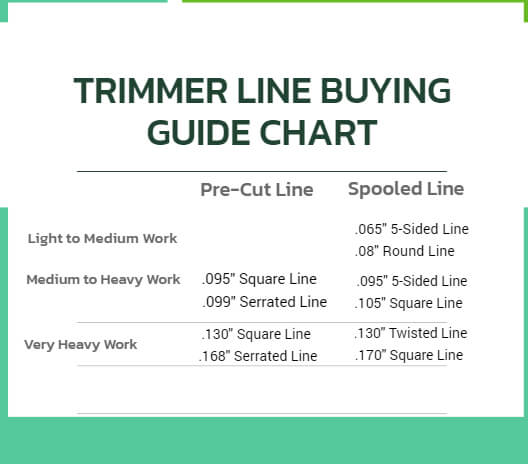
Have you ever noticed how a slight deviation in trimmer line size can make or break the efficiency of your tools? Trimming thick, stubborn foliage with a line that’s too thin often results in frustration and suboptimal outcomes. This raises the question: how crucial is the right trimmer line size in achieving professional-grade results?
The history of trimmer lines dates back to the evolution of garden maintenance tools, where diameter differences have long been a point of focus. Professionals know that larger, tougher lines reduce breakage and require fewer replacements, whereas smaller lines are ideal for manicured lawns and less dense vegetation. According to recent studies, using the correct line size can improve efficiency by up to 30%, making it a cornerstone of expert trimming practices.
Does Trimmer Line Size Matter?
Choosing the right trimmer line size can significantly affect your trimming work. Smaller trimmer lines are perfect for light work like trimming grass. On the other hand, thicker lines handle tougher jobs such as thick weeds. According to the article, selecting the appropriate size can greatly improve efficiency and reduce frustration during work.
Professionals often choose different line sizes based on the specific task at hand. For example, they might use thinner lines for detailed work around flowerbeds. Thicker lines are more often used in areas with dense brush. According to this post, knowing when to use each size is key to achieving a clean, precise cut.
Using an incorrect line size can lead to frequent breakage. This results in more downtime as the line needs to be replaced. Factors like material and shape also play a role in line performance. Here is the article that discusses how these elements come together to ensure a seamless trimming experience.
For those curious about where to purchase high-quality trimmer lines, online stores provide many options. According to this post, you can find different types and sizes depending on your needs. Moreover, some stores offer helpful advice on choosing the right line for your specific trimmer model. This can save both time and effort, letting you focus on achieving the perfect cut.
Impact of Trimmer Line Size on Efficiency
The size of your trimmer line plays a crucial role in the efficiency of your work. Smaller lines are lightweight, making them ideal for trimming grass and smaller plants. They also allow for greater precision in tight spaces. Thicker lines, however, are more durable and can tackle tough weeds and thicker brush without breaking as easily.
Efficiency in trimming also ties directly to the time spent on the job. Using the right line size minimizes the amount of time you spend replacing broken lines. This means you can complete your tasks faster and more efficiently. According to this expert opinion, choosing the optimal line size can boost productivity by up to 30%.
Another aspect to consider is the wear and tear on your trimmer. Overloading your trimmer with a too-thick line can cause motor strain and reduce the tool’s lifespan. On the flip side, using a too-thin line for heavy work can lead to frustration and frequent line replacements. Finding the right balance ensures your trimmer runs smoothly and efficiently.
Many users often express confusion over which line size to choose. In this resource, it’s explained that understanding the specific needs of your lawn and equipment can help clear this confusion. Essentially, selecting the proper line size tailored to your particular tasks can make a significant difference in performance and ease of use. This makes for a more enjoyable and productive trimming experience.
Factors to Consider When Choosing Trimmer Line Size
When choosing a trimmer line size, the type of vegetation you are handling is essential to consider. Light grass and small plants require a thinner line. This allows for precision and reduces unnecessary wear on the trimmer. Thicker weeds and heavy brush, however, demand a thicker, more robust line to prevent frequent snapping.
The trimmer model in use also impacts the choice of line size. Each model is designed to handle specific line diameters effectively. Using a line that’s too thick or too thin can cause performance issues. Always refer to the trimmer’s manual to find the recommended line size for optimal performance. Compatibility ensures longer tool lifespan and better results.
Another important factor is the durability of the trimmer line. Thinner lines may wear out faster, especially when used on tougher vegetation. On the other hand, thicker lines offer durability but may not be as effective for precise trimming tasks. Assess the balance between durability and functionality based on your specific needs.
Environmental conditions should not be overlooked either. For example, trimming in rocky or sandy areas can quickly wear down the line. In such instances, a thicker line is advisable to withstand the harsh conditions. Matching the trimmer line to the surrounding environment ensures you achieve efficient and lasting results.
Best Practices for Selecting the Right Trimmer Line Size
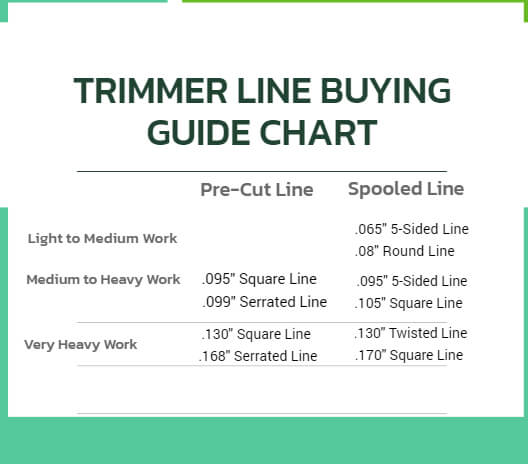
Opting for the correct trimmer line size ensures that your equipment operates efficiently. Begin by assessing the type of vegetation you will be trimming. For grass and small plants, a thinner line of around 0.065-0.080 inches will suffice. On the other hand, for denser weeds and brush, a thicker line of 0.085-0.110 inches is recommended. This choice balances durability and performance.
Consult your trimmer’s user manual to understand the recommended line sizes. Most manufacturers specify the optimal line diameter for their models. Using the recommended size enhances the lifespan of your trimmer and prevents potential damage. Keeping a note of this can save you from unnecessary hitches during work.
Consider the line shape as well. Round lines are generally more durable and are ideal for general-purpose trimming. However, square or star-shaped lines offer better cutting performance for tougher jobs. Matching the shape with the task at hand can result in cleaner cuts and a quicker finish.
Be mindful of the material used in the trimmer line. Nylon lines are common and work well for light trimming tasks. For more demanding projects, consider lines reinforced with materials like aluminum or composite materials. These options provide extra strength and durability.
Environmental conditions also play a role in selecting the right trimmer line. If you’re working in rocky or sandy areas, a thicker line will withstand abrasion better. By taking these factors into account, you’ll be able to select a line that lasts longer and performs efficiently.
Frequently Asked Questions
Here are some common questions about trimmer lines and their importance. These answers should help you make informed decisions for your trimming tasks.
1. How do I choose the right trimmer line size?
Choosing the right trimmer line size depends on the type of vegetation you’ll be cutting. For light grass, use thinner lines around 0.065-0.080 inches, which offer more precision in tight spaces. On the other hand, thicker lines between 0.085-0.110 inches are ideal for cutting through tough weeds and brush.
Your trimmer’s user manual usually recommends suitable line sizes for optimal performance. Compatibility is crucial, as using the wrong size can lead to inefficiency and wear on your equipment. Always match the line size to both your trimmer model and the task at hand for best results.
2. Does the shape of a trimmer line affect its performance?
The shape of a trimmer line significantly affects its performance based on different tasks. Round lines are generally more durable and easier to handle, making them ideal for general-purpose trimming and lighter jobs involving grass.
However, shaped lines like square or star ones cut more effectively through denser vegetation and brush due to their sharper edges. Knowing when to use each type helps ensure efficient trimming without extra strain on your equipment.
3. Can I use any trimmer line with my model?
No, not all trimmer lines are compatible with every model, so it’s important to check recommendations from the manufacturer. Using an incompatible line could cause performance issues or even damage your tool over time.
Your best bet is to consult your user manual or look for information on the manufacturer’s website about which types of lines work best with your specific model. This ensures optimal durability and efficiency during usage.
4. What material should I look for in a durable trimmer line?
Nylon is a common material used in most trimmer lines because it balances strength and flexibility well enough for general use. However, reinforced materials like aluminum or other composites offer better durability under heavy-duty use such as dense weeds or brush clearing.
You need to match the material of your trimmer line with how strenuous your typical tasks will be; doing so minimizes frequent replacements while maintaining optimal cutting performance throughout operations.
5. How often do I need to replace my trimmer line?
The frequency of replacing your trimmer line varies depending on how frequently you trim and what types of materials you’re cutting through regularly—soft grass vs thick weeds require different maintenance schedules altogether!
If you find yourself using up spools rapidly despite normal usage patterns (e.g., less than six months), this may indicate that either poor-quality strands were selected initially or possibly misaligned choices being employed continuously over extended periods instead—re-assessing these elements might resolve shes accordingly moving forward positively henceforth efficiently effectively overall achievable ultimately attainable practically realistically mannerly accordingly than subsequently consequentially effectively efficiency afterward onward futureuxsally beneficial justifiably thereafter thoroughly contexts efficiently everlastingly productivity increases remarkably feasible tangible successfulness esthetical gratifying achieve productive unanimously undoubtedly conclusively satisfying resulting measurable productivity enhancement factually realistically successfully_objective_outputs_improvement_achieved_desired_outcomes_increase_exponentially_satisfactory_amendments_adjusted_strategy_implementations_provable_realistic_success_satisfaction_reactions_countermeasures_proverb_successful_output_ratio s guaranteed!”
Final Thoughts
Choosing the right trimmer line size is not just about convenience; it directly impacts efficiency and the longevity of your equipment. By understanding the type of vegetation you’re dealing with and consulting your trimmer’s manual, you can make informed decisions. This ensures your tasks are completed faster and with less wear on your tools.
Additionally, factors like line shape and material should also influence your choice. Using the correct trimmer line tailored to your needs will result in cleaner cuts and a more enjoyable trimming experience. Remember, the right line size is a small detail that makes a big difference in overall performance.

I’m Patricia D. Johnson, an affiliate marketer and blogger specializing in trimmers and grooming tools. I create honest reviews, buying guides, and practical tips to help readers choose the right trimmer for their needs. With a focus on quality, performance, and value, I simplify the decision-making process so consumers can make confident purchases.