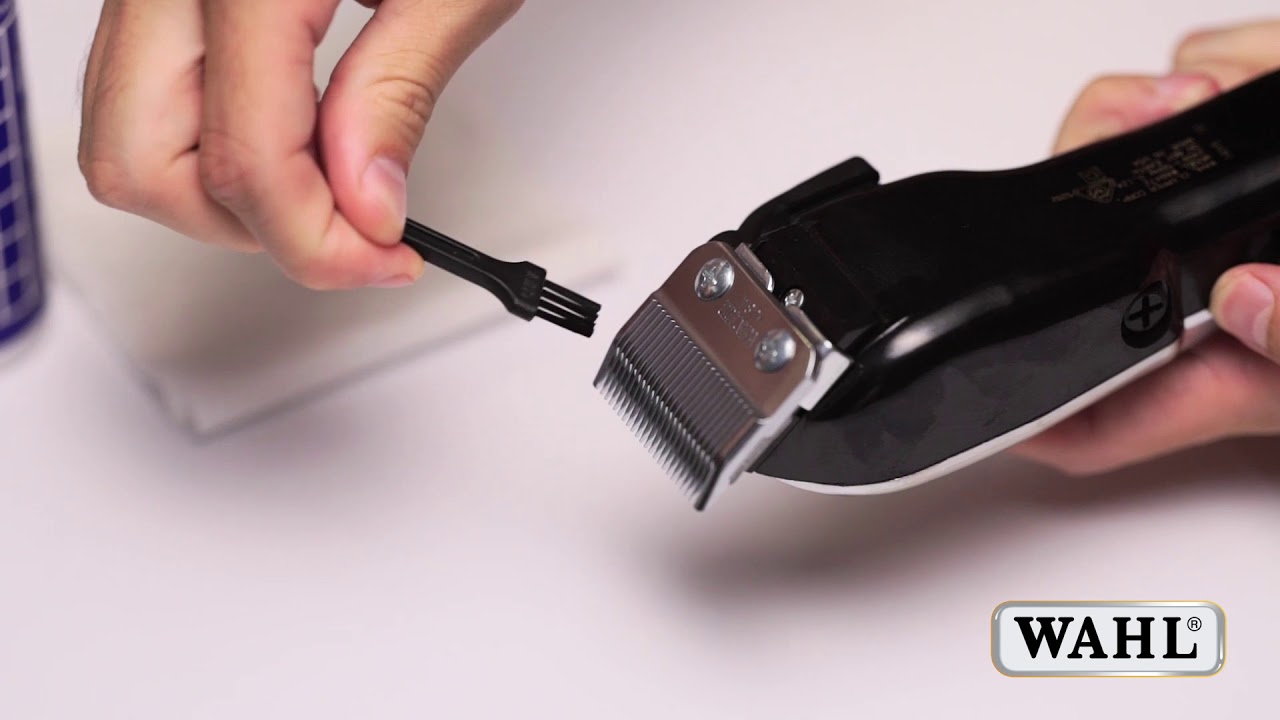
Have you ever noticed your trimmer’s performance dwindling over time? This common issue, often leading to frustration, can simply be attributed to the lack of regular lubrication. Ensuring your trimmer is well-oiled can extend its lifespan, improve cutting performance, and make your trimming experience smooth and pleasant.
Lubricating oil has been pivotal in the maintenance of trimmers since their inception, mirroring the same principles applied in keeping larger machinery running efficiently. Research reveals that regular lubrication can reduce friction by over 50%, significantly cutting down wear and tear. By implementing a routine oiling regimen, you can maintain the precision and efficacy of your trimmer blades, ensuring top-notch results every time.
- Turn off and unplug the trimmer.
- Clean the blades to remove debris.
- Apply a few drops of lubricating oil along the blade edges.
- Turn on the trimmer for a few seconds to distribute the oil.
- Wipe off any excess oil to prevent dirt buildup.

How to Use Lubricating Oil for Trimmer
First, understand why lubrication is vital. Lubricating oil reduces friction between the blades, enhancing their performance. Over time, it prevents rust and ensures smooth operation. Without regular oiling, your trimmer might struggle and wear out faster. This can lead to frustrating and expensive repairs.
Choosing the right lubricant is key. You can’t just use any oil; trimmer manufacturers usually recommend specific types. According to this post, using the correct oil ensures better efficiency. Always check your trimmer’s manual for the best lubrication options. Using the wrong oil could damage your tool over time.
Proper application of lubricating oil is easy but essential. Ensure your trimmer is turned off and clean the blades first. Apply a few drops of oil along the blade edges. Wipe off any excess oil to prevent dirt from sticking. This simple routine keeps your trimmer performing well.
Regular maintenance includes knowing how often to oil your trimmer. Oiling once after every use or after every few uses is ideal. The more you use the trimmer, the more frequently it needs lubrication. Always store your trimmer in a dry place to avoid moisture buildup. For more tips on maintaining your trimmer, you can check out here is the article.
Step 1: Understanding the Importance of Lubrication
Why is lubrication crucial for your trimmer? Lubricating oil reduces friction between the moving parts, ensuring smooth operation. This means your blades cut more efficiently, resulting in a more precise trim. Over time, without lubrication, the blades can become dull and less effective. Consistent oiling helps maintain the trimmer’s performance.
Proper lubrication doesn’t just improve performance; it extends the lifespan of your trimmer. By minimizing wear and tear, you avoid frequent replacements and costly repairs. According to this expert opinion, using the right oil can prevent rust and corrosion. This means your trimmer stays in prime condition longer. Keeping it well-oiled is a simple way to protect your investment.
Lubrication also contributes to the safety of your trimmer. When the blades are well-oiled, they move smoothly and are less likely to get stuck. Stuck blades can cause the motor to overheat, leading to potential hazards. A well-maintained trimmer is safer to use and more reliable. You can trust it to perform when you need it.
Regularly oiling your trimmer can also reduce noise levels. Friction between dry blades causes a loud, grating noise, which can be annoying. Oiling the blades allows them to glide smoothly, making the trimmer quieter. This makes the trimming process more pleasant for both the user and those nearby. The benefits of lubrication extend beyond mere functionality.
Step 2: Choosing the Right Lubricating Oil
Selecting the right lubricating oil for your trimmer is essential. Not all oils are suitable, and using the wrong type can damage your trimmer. Some oils are too thick, while others might not offer enough protection. It’s best to stick to oils recommended by the trimmer’s manufacturer. This ensures compatibility and efficient performance.
There are various types of oils available for trimmers. Most common are synthetic oils, which provide excellent lubrication and protection. They are specifically designed for high-performance machines. Here’s a list of features to look for in a good lubricating oil:
- Anti-corrosion properties
- Non-sticky formula
- High heat resistance
- Low viscosity
Choosing an oil with these features will help keep your trimmer in top condition.
Ensure you avoid household oils like vegetable oil or motor oil. These can cause more harm than good. They lack the properties needed for a trimmer’s blades and can lead to clogging or rusting. Instead, look for specialized trimmer oils available at hardware stores or online. Investing in the right oil can save you money in the long run.
Using manufacturer-recommended oil isn’t just about performance; it’s about warranty. Many warranties are void if improper oils are used. Thus, it pays to read your manual carefully. Follow the manufacturer’s recommendations to keep your trimmer running smoothly and maintain its warranty. This simple step can prevent unnecessary problems and costs.
Step 3: The Right Way to Apply Lubricating Oil
First, ensure your trimmer is turned off and unplugged. Safety is paramount, so double-check this before you begin. Also, it’s best to work in a well-ventilated area to avoid inhaling any fumes. Having a clean workspace prevents dust and debris from contaminating the oil. Keep a cloth or paper towel handy for any spills.
Next, clean the trimmer blades to remove any hair, residue, or dirt. Use a small brush or a cloth to ensure thorough cleaning. This step is important for the oil to adhere properly to the blades. Skipping this step can lead to ineffective lubrication. Dirt and debris can interfere with the oil’s ability to reduce friction.
Once the blades are clean, it’s time to apply the oil. Hold the trimmer with the blades facing upward. Apply a few drops of oil along the length of the blades. Make sure to distribute the oil evenly. Avoid using too much oil, as it can attract more dirt.
After applying the oil, turn the trimmer on for a few seconds. This helps the oil spread evenly across the moving parts. Make sure to wipe off any excess oil afterwards. This prevents dirt buildup and keeps the trimmer clean. Regular maintenance ensures smooth operation.
For best results, follow the manufacturer’s guidelines on how often to oil the trimmer. Usually, it’s recommended after every few uses. Consistent application helps maintain the trimmer’s performance and longevity. A well-oiled trimmer is more efficient and reliable.
Pay attention to any special instructions in your trimmer’s manual. Each model might have its own quirks and specifications. Adhering to these instructions ensures optimal performance. Ignoring them could lead to damage. Keeping your trimmer in excellent condition starts with proper lubrication practices.
Step 4: Frequency of Trimmer Lubrication
Knowing how often to lubricate your trimmer is essential for its longevity. Regular lubrication depends on how frequently you use the tool. If it’s used almost daily, consider oiling it after every few uses. This routine helps maintain optimal performance. For more occasional use, once a week might be sufficient.
Seasonal changes can also impact lubrication needs. During the summer, when you’re likely to trim more often, increase the oiling frequency. Conversely, during winter months, once a month might be enough. Your trimmer’s manual may offer specific guidelines. Following these can prevent undue wear and tear.
Keep an eye out for signs that your trimmer needs lubrication. If you notice it’s making more noise than usual, this could indicate the blades are dry. Reduced cutting efficiency is another sign. Inspect the blades regularly. Addressing these issues promptly can extend your trimmer’s lifespan.
For trimmers used in heavy-duty tasks, lubrication may need to be more frequent. Tasks like trimming thick hedges or long grass can put more strain on the blades. In such cases, oiling before and after use can be beneficial. This ensures your trimmer is always in peak condition. Heavy-duty usage requires extra care.
Another tip is to set a reminder for lubrication. Whether it’s a note on your calendar or an alert on your phone, this ensures you don’t forget. Consistency is key to maintaining your trimmer’s performance. Just a few minutes of maintenance can save you from bigger issues later. Proper lubrication is a simple but essential task.
Step 5: Safety and Precautions during Lubrication
Safety should always come first when lubricating your trimmer. Begin by ensuring the trimmer is turned off and unplugged. This simple step prevents accidental starts that could cause injury. Make sure you’re working in a well-lit, dry area. Avoid doing maintenance in damp or cluttered spaces.
Wear protective gear like gloves and safety glasses. The oil can sometimes splash, and it’s best to avoid skin contact. Gloves also provide a better grip on the trimmer. Safety glasses protect your eyes from any debris or oil droplets. Proper gear minimizes the risk of accidents.
Be cautious about how and where you apply the oil. Avoid over-oiling, as excess oil can drip into the motor. This might not only damage the trimmer but also create a slipping hazard. Always follow the trimmer’s manual for the correct amount of oil needed. Correct application is both safe and efficient.
Store your oil and trimmer properly after use. Keep the oil bottle tightly sealed and out of reach of children. Store the trimmer in a dry place to avoid rust or electrical issues. Proper storage extends the life of both your trimmer and the lubricating oil. It also ensures they’re ready for the next use.
If you ever spill oil, clean it up immediately. Oil spills can make surfaces slippery and hazardous. Use a rag or paper towel to wipe up the excess oil. Dispose of oily rags properly to avoid fire risks. Keeping your workspace clean is part of safety maintenance.
Maintaining Trimmer Efficiency with Regular Lubrication
Regular lubrication is crucial for keeping your trimmer efficient. Without adequate oiling, the blades can become dull and the motor may overheat. This reduces the effectiveness of your trimming tasks. Consistent lubrication makes sure the blades move smoothly against each other. This maintains their sharpness and cutting ability.
Lubrication also prevents rust and corrosion, which can severely impair a trimmer’s performance. Moisture and air exposure can lead to metal parts rusting over time. A well-lubricated trimmer forms a protective barrier against these elements. This ensures that it remains in good working condition for longer periods. Rust-free blades mean fewer replacements.
For optimum results, make lubrication part of your regular maintenance routine. Each time you use your trimmer, clean and oil the blades afterward. This habit helps you catch any issues early before they escalate into bigger problems. Regular checks ensure everything operates as it should.
In addition to improving efficiency, proper lubrication lowers operational noise levels. Dry blades generate louder sounds due to increased friction. Keeping them oiled makes for a quieter operation overall. A well-maintained trimmer contributes to a more pleasant experience for both users and those nearby.
If you’re unsure about how often to lubricate or what type of oil to use, refer to your user manual or consult with experts. For example:
- Weekly checks if used frequently
- Monthly checks for occasional use
- Use manufacturer-recommended lubricants
Trusting expert advice ensures your trimmer stays efficient and long-lasting.
The Impact of Lubrication on Blade Longevity
Applying lubricating oil regularly can significantly extend the life of your trimmer blades. Without adequate lubrication, the friction between the blades increases, causing them to wear out faster. Over time, this leads to dull blades that are less effective and require more frequent replacements. Lubrication minimizes direct metal-to-metal contact, reducing this wear and tear. This makes your blades last much longer.
Properly lubricated blades also perform better, providing cleaner and more precise cuts. This is especially important for those who use their trimmers for detailed work. Dull and worn-out blades can damage the plants or materials you’re cutting. Regular lubrication ensures your blades remain sharp. Sharp blades deliver better results with less effort.
Furthermore, lubrication helps protect the blades from rust and corrosion. Exposure to moisture and air can cause the metal to deteriorate. A thin layer of oil acts as a barrier, preventing these elements from coming into contact with the blades. This simple act of maintenance can keep your trimmer in top condition. Rust-free blades mean fewer costly replacements.
Consistent lubrication can also prevent the blades from getting stuck or jammed. When blades move smoothly, the motor doesn’t have to work as hard, reducing the risk of overheating. This makes the entire trimmer more reliable and efficient. It saves you from unexpected interruptions during your tasks. Regular oiling is key to a hassle-free trimming experience.
Different types of trimmers may require different lubrication schedules. Here’s a basic guideline:
- Light use: Lubricate every 3 months
- Moderate use: Lubricate monthly
- Heavy use: Lubricate bi-weekly
Adjust these frequencies based on your specific needs to maximize blade longevity.
Other Maintenance Practices for Trimmer Longevity
Besides regular lubrication, keeping your trimmer clean is crucial for its longevity. After each use, remove any debris, dirt, or plant material stuck to the blades. This prevents any buildup that could affect performance. Use a brush or a cloth to clean the blades thoroughly. Consistent cleaning ensures smooth operation during every use.
Sharpening the blades periodically is another key maintenance practice. Dull blades not only reduce efficiency but also strain the motor. It’s advisable to sharpen the blades at least a couple of times a year. You can use a blade sharpener or take them to a professional. Sharp blades cut better and extend the trimmer’s lifespan.
Inspect the trimmer for any loose or damaged parts regularly. Tighten screws and bolts to ensure everything is secure. Replace any worn-out parts immediately to avoid further damage to the machine. Regular inspections can catch minor issues before they become major problems. Keeping everything in check is essential for long-term durability.
Proper storage of your trimmer also plays a significant role in its longevity. Store it in a dry, cool place away from direct sunlight and moisture. Moist and warm environments can lead to rust and corrosion. Use a protective cover to shield it from dust and other elements. A well-stored trimmer remains in good condition longer.
Lastly, always follow the manufacturer’s guidelines and manuals. Each trimmer comes with specific instructions tailored for optimal performance. Adhering to these guidelines ensures you’re maintaining your trimmer correctly. Ignoring manufacturer recommendations can lead to voiding warranties and unnecessary damage.
Here’s a quick checklist for trimmer maintenance:
- Clean blades after each use
- Sharpen blades twice a year
- Inspect for loose or damaged parts monthly
- Store in a dry, cool place
- Follow manufacturer’s guidelines
Sticking to this checklist can help keep your trimmer in top shape for years.
The Role of Lubricating Oil in Reducing Trimmer Noise
Lubricating oil plays a crucial role in reducing the noise your trimmer makes. When blades grind against each other without lubrication, friction increases. This leads to a loud, grating noise that can be quite annoying. Applying a few drops of oil allows the blades to move smoothly. This significantly lowers the noise level, making your trimming task more pleasant.
Different trimmers produce varying levels of noise, depending on their design and usage. Regular lubrication keeps the blades from becoming too dry. Dry blades can generate more noise, which can be distracting and even harmful to your ears over time. Consistent oiling minimizes this issue. Understanding this aspect reinforces the importance of regular maintenance.
Additionally, lubricating oil can help reduce the overall strain on your trimmer’s motor. When the blades operate smoothly, the motor doesn’t have to work as hard. This not only lessens noise but also can extend the motor’s life. Keeping your trimmer well-oiled ensures it runs quietly and efficiently. It’s a win-win situation for both you and your tool.
To maintain a quieter trimmer, consider setting a routine. Here’s a basic guide:
- Light use: Oil monthly
- Moderate use: Oil bi-weekly
- Heavy use: Oil weekly
Following these guidelines can help keep your trimmer operating silently and smoothly.
Environment factors can also affect trimmer noise. Dust and grime accumulate over time, adding friction to the blades. Regular cleaning followed by lubrication can address this issue. This process helps maintain a quieter, more effective trimmer. Remember, less noise means a more enjoyable trimming experience.
Frequently Asked Questions
Discover answers to common questions regarding the use of lubricating oil for your trimmer. These FAQs can help improve the performance and longevity of your tool.
1. Why is lubricating my trimmer important?
Lubricating your trimmer reduces friction between the blades, ensuring smooth operation. It prevents wear and tear, which extends the lifespan of your trimmer. Without regular lubrication, blades can rust and dull quickly, making the trimming process less efficient.
A well-lubricated trimmer performs better and requires fewer repairs. Lubrication keeps the motor from working too hard, which can also reduce noise levels. This simple maintenance step is crucial for optimal performance.
2. What type of oil should I use for my trimmer?
The best oil for your trimmer is the one recommended by its manufacturer. Typically, specialized synthetic oils or clipper oils are ideal as they offer high protection and efficiency.
Avoid using household oils like vegetable or motor oil, as they lack necessary properties. Using manufacturer-approved oil ensures compatibility and effectiveness, thus prolonging your trimmer’s lifespan.
3. How often should I lubricate my trimmer?
The frequency of lubrication depends on how frequently you use your trimmer. For daily use, consider oiling it after every few uses to maintain peak performance.
If used occasionally, a weekly or monthly lubrication schedule might suffice. Always refer to your user manual for specific guidelines tailored to your model.
4. Can using too much lubricating oil damage my trimmer?
Yes, applying excessive oil can attract dirt and debris, which clogs the blades and motor. An over-oiled machine may experience reduced performance and increased wear on moving parts.
Always apply just a few drops along the blade edges; wipe off any excess to avoid issues. Proper application ensures effective lubrication without causing harm.
5. How does temperature affect lubricating oil usage?
Temperature changes can impact the viscosity of lubricating oil. In cold conditions, the oil thickens, making it harder for blades to move smoothly.
In warmer conditions, the thinness may be inadequate for proper protection.
Use season-appropriate oils if specified by manufacturers and store them properly to maintain their effectiveness.
Conclusion
Regularly lubricating your trimmer is essential for optimal performance and extended lifespan. Using the correct type of oil and applying it properly ensures that your trimmer operates smoothly. This simple maintenance task can prevent costly repairs and improve cutting efficiency.
By following recommended guidelines and schedules, you can maintain your trimmer’s effectiveness. Reducing noise and preventing rust are added benefits of consistent lubrication. Keep your trimmer in peak condition with routine oiling, protecting your investment for years to come.

I’m Patricia D. Johnson, an affiliate marketer and blogger specializing in trimmers and grooming tools. I create honest reviews, buying guides, and practical tips to help readers choose the right trimmer for their needs. With a focus on quality, performance, and value, I simplify the decision-making process so consumers can make confident purchases.