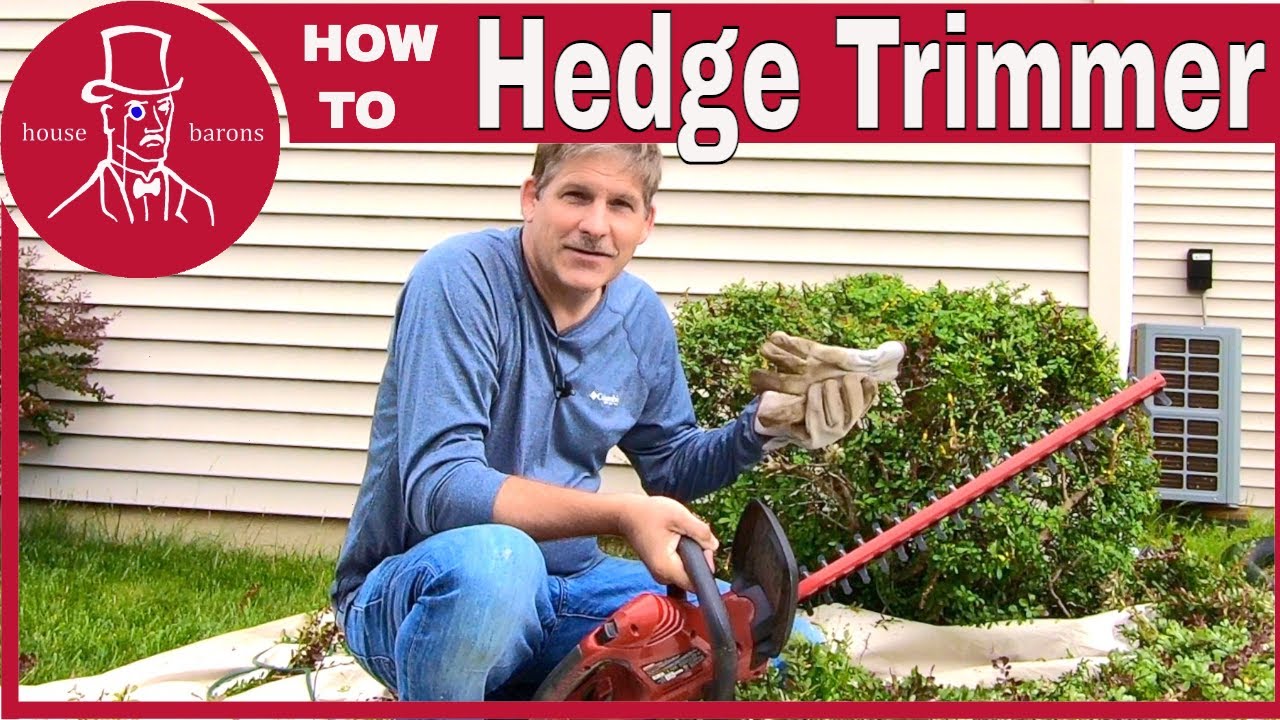
A hedge trimmer is used for cutting, trimming, and shaping hedges and shrubs. It helps maintain a neat garden appearance.
Hedge trimmers are essential tools for garden maintenance. They allow homeowners and gardeners to keep hedges and shrubs well-groomed. With sharp blades, hedge trimmers can easily cut through thick branches. This tool saves time compared to manual pruning shears. Electric, gas, and battery-powered models are available.
Each type offers different advantages based on user needs and garden size. Regular trimming promotes healthy plant growth and enhances landscape aesthetics. Hedge trimmers are versatile, making them ideal for both small gardens and large estates. Investing in a quality hedge trimmer ensures a tidy and attractive garden space.
Introduction To Hedge Trimmers
Hedge trimmers are essential tools for gardeners. They help maintain neat and tidy hedges. These tools come in various types to suit different needs.
Understanding their purpose and importance can enhance your gardening skills.
Purpose Of Hedge Trimmers
Hedge trimmers are used to cut and shape hedges. They are designed to provide clean cuts, ensuring healthy plant growth. These tools make trimming tasks quick and efficient.
There are manual, electric, and gas-powered hedge trimmers. Each type offers unique benefits for specific gardening tasks.
Importance In Gardening
Hedge trimmers are vital for maintaining landscape aesthetics. They help create uniform and attractive hedges. Well-trimmed hedges enhance the visual appeal of your garden.
Using hedge trimmers also promotes plant health. Regular trimming removes dead or overgrown branches. This allows more sunlight and air to reach the plants.
- Improves garden appearance
- Promotes healthy plant growth
- Saves time and effort
Hedge trimmers are also useful for creating garden designs. You can shape hedges into various forms, adding creativity to your garden.
| Type | Benefit |
|---|---|
| Manual | Ideal for small gardens |
| Electric | Lightweight and easy to use |
| Gas-powered | Suitable for large areas |

Credit: lawn.com.au
Types Of Hedge Trimmers
Hedge trimmers are essential tools for maintaining gardens and landscapes. They come in various types, each suited for specific needs and preferences. Understanding these types helps you choose the best hedge trimmer for your garden.
Electric Hedge Trimmers
Electric hedge trimmers are popular for their ease of use and lightweight design. They are ideal for small to medium-sized gardens.
- Corded Electric Trimmers: These require a power outlet and are suitable for areas with accessible electricity.
- Cordless Electric Trimmers: Powered by rechargeable batteries, these offer more mobility and convenience.
Electric trimmers are quieter and require less maintenance than gas-powered trimmers.
Gas-powered Hedge Trimmers
Gas-powered hedge trimmers are powerful tools designed for heavy-duty tasks. They are perfect for large gardens and professional use.
- Two-Stroke Engines: These are lighter and simpler but can be noisier and less fuel-efficient.
- Four-Stroke Engines: These are more fuel-efficient, quieter, but heavier and more complex.
Gas trimmers offer greater power and can handle thick branches and dense hedges with ease.
Manual Hedge Trimmers
Manual hedge trimmers are simple, hand-operated tools. They are best for small gardens and precise trimming tasks.
- Hedge Shears: These are scissor-like tools with long blades, perfect for detailed work.
- Pruning Saws: These are small saws for cutting thicker branches.
Manual trimmers are quiet, require no fuel or electricity, and are easy to maintain.
Key Features Of Hedge Trimmers
Hedge trimmers are essential tools for maintaining a neat garden. Understanding their key features helps you make an informed choice. Below are some important aspects of hedge trimmers.
Blade Length
The blade length of a hedge trimmer determines its cutting capacity. Longer blades can trim larger areas quickly. Shorter blades offer better control for detailed work. Choose a blade length that matches your garden’s needs.
Weight And Balance
The weight and balance of a hedge trimmer affect its ease of use. A lighter trimmer reduces fatigue during long sessions. A well-balanced trimmer ensures even weight distribution. This helps in maneuvering the tool easily.
| Feature | Importance |
|---|---|
| Weight | Reduces fatigue |
| Balance | Ensures ease of use |
Safety Features
Safety features are crucial for hedge trimmers. Look for models with a safety switch to prevent accidental starts. Some trimmers come with blade guards to protect your hands. Consider these features to ensure safe operation.
- Safety switch
- Blade guard
- Anti-vibration system
These key features make hedge trimmers efficient and safe. Understand these aspects to choose the best tool for your garden.
Benefits Of Using Hedge Trimmers
Hedge trimmers are essential tools for garden maintenance. They help keep your hedges neat and well-shaped. Below are the key benefits of using hedge trimmers.
Efficiency In Trimming
Hedge trimmers work quickly and effectively. They cut through branches and leaves with ease. This makes them more efficient than manual tools. You can cover a large area in a short time.
Achieving Precision
Hedge trimmers provide precise cuts. This ensures your hedges look well-groomed and professional. You can create intricate shapes and designs easily. The clean cuts promote healthy plant growth.
Time-saving Tool
Hedge trimmers save you a lot of time. Manual trimming takes hours and a lot of effort. With hedge trimmers, the job is done quickly and efficiently. This leaves you more time to enjoy your garden.
How To Use A Hedge Trimmer
Using a hedge trimmer can make garden maintenance easy. It helps shape and trim hedges and bushes quickly. Knowing how to handle it properly ensures safety and efficiency.
Proper Handling Techniques
- Hold the trimmer with both hands. This gives you better control.
- Keep the trimmer at waist level. This helps with stability.
- Move the trimmer in a sweeping motion. This keeps the cuts even.
- Start from the bottom and work your way up. This avoids uneven trimming.
- Keep your feet steady and maintain balance. This prevents accidents.
Safety Precautions
Safety is important while using a hedge trimmer. Follow these tips to stay safe:
- Wear protective gear like gloves and goggles. This protects your hands and eyes.
- Ensure the trimmer is unplugged before making adjustments. This prevents electric shocks.
- Check for any debris or obstacles. This avoids damage to the trimmer.
- Keep children and pets away from the trimming area. This ensures their safety.
- Use the trimmer during daylight. This gives you better visibility.
Maintenance Tips
Proper maintenance keeps your hedge trimmer in good condition:
| Task | Frequency |
|---|---|
| Clean the blades | After each use |
| Check for loose parts | Before each use |
| Sharpen the blades | Every 3 months |
| Oil the blades | Monthly |
| Store in a dry place | Always |
Regular maintenance ensures the trimmer works effectively. It also extends the lifespan of the tool.
Common Uses In Gardening
Hedge trimmers are versatile tools in gardening. They help maintain neat, beautiful gardens. They serve various purposes, making gardening easier and more efficient. Below are some common uses of hedge trimmers in gardening.
Trimming Hedges
Trimming hedges is a primary use of hedge trimmers. Hedges can grow quickly and become unruly. Regular trimming keeps them neat and tidy. Hedge trimmers make this task quick and easy. They cut through branches smoothly, creating a clean look.
Shaping Shrubs
Shaping shrubs is another common use for hedge trimmers. Gardeners use them to give shrubs specific shapes. Whether round, square, or unique designs, hedge trimmers help achieve desired forms. This adds a decorative touch to gardens.
Pruning Small Trees
Pruning small trees is essential for their health. Hedge trimmers make this task easier. They help remove dead or overgrown branches. This allows more sunlight and air to reach the tree, promoting growth. Pruning also helps maintain the tree’s shape.
Choosing The Right Hedge Trimmer
Picking the right hedge trimmer is essential. It helps keep your garden looking neat. With many options available, it can be confusing. Here, we break down the key factors to consider.
Factors To Consider
When choosing a hedge trimmer, several factors matter. Here are some of them:
- Power Source: Hedge trimmers can be gas, electric, or battery-powered.
- Blade Length: Longer blades cover more area but may be harder to control.
- Weight: Lightweight models are easier to handle, especially for long tasks.
- Cutting Capacity: This determines the thickness of branches you can cut.
- Safety Features: Look for features like blade guards and automatic shut-off.
Comparing Brands
Different brands offer various features and reliability. Here’s a comparison of some popular brands:
| Brand | Power Source | Blade Length | Unique Features |
|---|---|---|---|
| Brand A | Electric | 18 inches | Lightweight, Quiet |
| Brand B | Gas | 22 inches | High Power, Durable |
| Brand C | Battery | 20 inches | Portable, Long Battery Life |
Budget Considerations
Budget is a crucial factor. Here’s what to expect:
- Low Budget: Basic models, good for small tasks.
- Mid-Range: Offers a balance of power and features.
- High-End: Premium features, best for large gardens.
Choose a hedge trimmer that fits your needs and budget. This ensures you get the best value and performance.
Care And Maintenance
Proper care and maintenance of your hedge trimmer ensure it works smoothly. It also extends the tool’s lifespan. Here, we will discuss essential maintenance tasks. These tasks will help you keep your hedge trimmer in top shape.
Cleaning The Blades
Keeping the blades clean is vital. Dirty blades can cause your trimmer to work inefficiently. Here’s how to clean them:
- Disconnect the power source.
- Use a brush to remove debris.
- Wipe the blades with a damp cloth.
- Dry the blades with a clean towel.
- Apply a light coat of oil to prevent rust.
Sharpening Techniques
Sharp blades make trimming easier. They also provide a cleaner cut. Follow these steps to sharpen your hedge trimmer blades:
- Secure the trimmer in a vice.
- Use a flat file to sharpen the blades.
- File each blade edge at a 45-degree angle.
- Check for even sharpness across all blades.
Regular sharpening keeps your trimmer efficient. It also reduces strain on the motor.
Storing The Trimmer
Proper storage protects your hedge trimmer. It also ensures it’s ready for the next use. Follow these tips for storing your trimmer:
| Tip | Details |
|---|---|
| Clean Before Storing | Always clean the trimmer before storage. |
| Dry the Blades | Ensure the blades are dry to prevent rust. |
| Use Blade Cover | Cover the blades with a protective sheath. |
| Store in a Dry Place | Keep the trimmer in a dry, sheltered location. |
Following these storage tips will help maintain your trimmer. It will also prevent damage during the off-season.
Troubleshooting Common Issues
Hedge trimmers are essential for garden maintenance. Yet, they can face various problems. Understanding these issues helps in maintaining the trimmer.
Motor Problems
The motor is the heart of the hedge trimmer. Common motor problems include overheating and strange noises. Overheating often results from prolonged use. Let the trimmer cool down if it gets too hot.
Strange noises may indicate a problem with the motor bearings. Lubricate the bearings regularly to avoid this issue. If noise persists, it might need professional repair.
Blade Dullness
Dull blades make trimming difficult. They can tear branches instead of cutting them cleanly. Regular blade sharpening is crucial. Use a sharpening stone or file for the best results.
Check the blades for rust. Rusty blades should be cleaned and oiled. This keeps them sharp and functional.
Battery Issues
Battery-powered hedge trimmers can face battery problems. Common issues include short battery life and slow charging. Ensure the battery is fully charged before use. Store the battery in a cool, dry place to extend its life.
If the battery still drains quickly, it might need replacement. Always use the manufacturer-recommended battery for your trimmer.

Credit: www.rentalex.com

Credit: en.wikipedia.org
Frequently Asked Questions
When Should You Not Use A Hedge Trimmer?
Avoid using a hedge trimmer during wet conditions to prevent electric shock. Do not use it near power lines. Avoid trimming at night or in poor visibility. Refrain from using it on thick branches that exceed the tool’s capacity. Never use a hedge trimmer when fatigued.
What Is The Purpose Of A Hedge Trimmer?
A hedge trimmer is used to trim and shape hedges, bushes, and shrubs. It ensures neat and well-maintained garden edges.
Can You Use A Hedge Trimmer To Cut Branches?
Yes, you can use a hedge trimmer to cut small branches. Ensure the branches are within the tool’s capacity.
What Plants Can You Use A Hedge Trimmer On?
Use a hedge trimmer on boxwood, privet, yew, holly, laurel, and barberry. Trim young, flexible branches for best results.
Conclusion
A hedge trimmer is a vital tool for maintaining neat and healthy hedges. It ensures precise trimming, saving time and effort. Whether for professional landscapers or home gardeners, a hedge trimmer offers efficiency and ease. Invest in a quality hedge trimmer to keep your garden looking its best.